Getting cold at camp is rarely caused by one missing jacket. More often, the problem is a poor layering system.
Your clothes may be too light for the conditions, arranged in the wrong order, or doing the same job while leaving another need uncovered. A warm jumper will not stop wind driven rain. A waterproof shell will not keep you warm without insulation underneath. Extra tops will not help much if your baselayer stays damp.
The most effective approach is to give every layer a clear purpose:
- A baselayer manages moisture next to your skin.
- A fleece or insulated layer traps warmth.
- A waterproof outer layer blocks wind and rain.
- Gloves, a beanie and warm socks protect areas that lose heat quickly.
- Suitable trousers and footwear keep your lower body dry and comfortable.
When these pieces work together, you stay warmer without packing unnecessary clothing.
Why Layering Works Better Than Packing Extra Clothes
Many people prepare for bad weather by adding individual items to their bag: another hoodie, a spare shirt, an extra jumper and a raincoat just in case.
That can create a bulky but ineffective setup. Several casual tops may provide some warmth, but they often trap moisture, restrict movement and offer little protection from wind or rain.
Camping also involves changing activity levels. You may walk into camp, unload equipment, pitch a tent, cook, sit outside and wake before sunrise. Clothing that feels comfortable while you are moving can feel inadequate as soon as you stop.
A good layering system allows you to add or remove clothing as your activity level and the weather change.
Staying Warm at Camp Is Different from Staying Warm While Walking
Your body produces more heat when you are moving. Once you stop, that heat production falls quickly.
According to NSW Health, hypothermia can develop even when temperatures are above 0°C, particularly if you become wet and are exposed to wind. This is why staying dry and adding insulating layers before you feel cold is an important part of camping safety.
Damp fabric begins to feel colder. Wind cuts through light clothing. Exposed hands, ears and ankles become uncomfortable. This is why many campers feel warm during the walk but cold while setting up camp or sitting outside later.
Add your warm layer before you begin to feel chilled. It is easier to retain body heat than to recover after you have become cold.
Start with the Weather and the Type of Trip
There is no single clothing list that suits every camping trip. Your choices should reflect the forecast, your activity level and how much equipment you can carry.
Car camping and family camping
When your vehicle is close by, weight matters less. You can prioritise comfort and bring bulkier insulation, spare dry clothing and extra footwear.
Family trips also benefit from simple layers that children can add or remove quickly. Pack complete outfits rather than a random collection of spare clothes.
Hiking and lightweight camping
When you are carrying everything, each garment needs to justify its weight and space.
Choose versatile layers that work together. A lightweight baselayer, an efficient fleece or insulated jacket and a waterproof shell will usually perform better than several heavy casual tops.
Coastal, exposed and windy camps
Wind can make mild temperatures feel much colder. Prioritise a windproof outer layer, secure hood, adjustable cuffs and clothing that does not flap or leave gaps.
Wet weather camping
For sustained rain, protect both your upper and lower body. A waterproof jacket alone will not keep you comfortable if your trousers, socks and footwear become soaked.
How to Layer Clothes for Cold Weather Camping
A reliable cold weather system usually has three main clothing layers, followed by accessories and weather appropriate footwear.
1. Start with a Baselayer or Thermal Layer
The layer next to your skin helps move moisture away from your body and provides the foundation for everything worn over it.
If this layer stays damp, you may feel clammy while moving and chilled once you stop.
Choose a close fitting but comfortable baselayer. It should sit under your other clothing without restricting movement.
Common options include:
- Synthetic baselayers, which dry quickly and work well for active trips.
- Merino wool layers, which provide warmth, manage odour and remain comfortable across changing conditions.
- Thermal leggings for colder trips or long periods of sitting at camp.
Avoid relying on cotton as your main baselayer in cold and wet conditions. Cotton absorbs moisture and can take a long time to dry.
Browse suitable thermal tops, leggings and baselayers before your trip if this is the missing part of your system.
2. Add a Fleece or Insulated Layer
Your midlayer provides most of your warmth.
A fleece is breathable, comfortable and useful during movement. An insulated jacket generally offers more warmth for its weight and is especially valuable when you stop moving.
Choose fleece when:
- You expect to stay active.
- Breathability matters.
- Conditions are cool rather than severely cold.
- You want a layer that is easy to wear under a shell.
Choose an insulated jacket when:
- You will spend long periods sitting or standing.
- Temperatures are likely to fall sharply after sunset.
- You need more warmth without packing several jumpers.
- You want a layer to put on immediately after reaching camp.
For many trips, one well chosen midlayer is more useful than several overlapping hoodies and casual tops.
3. Use a Waterproof Jacket to Block Wind and Rain
A waterproof shell protects the layers underneath. It is not designed to provide all your warmth on its own.
Choose a jacket with enough room for your baselayer and insulation without compressing them. It should allow you to bend, reach, cook and pitch your tent comfortably.
Useful features include:
- A well fitting adjustable hood.
- Secure cuffs.
- An adjustable hem.
- Ventilation or pit zips.
- Accessible pockets.
- Enough length to protect your lower back.
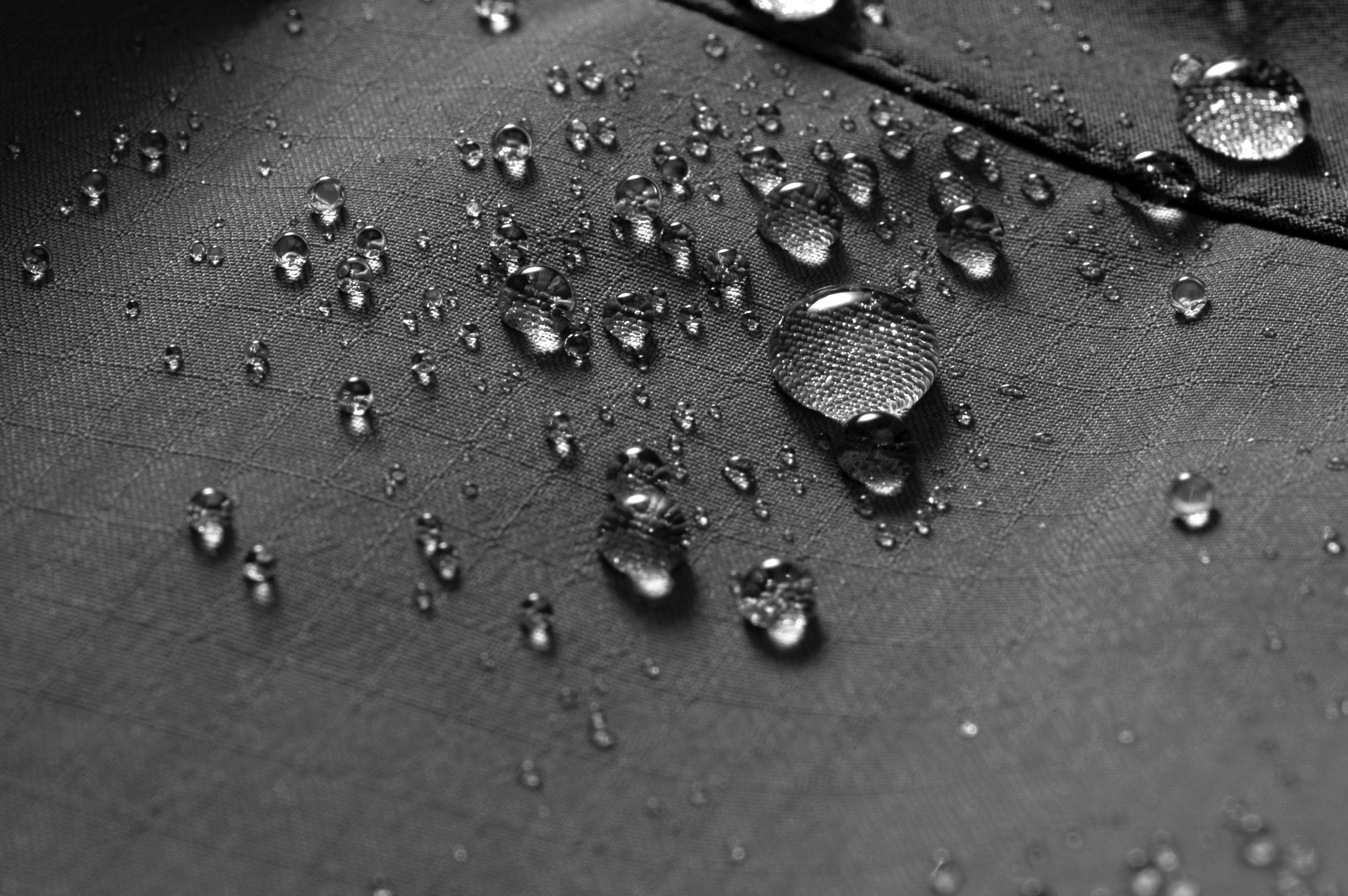
- Sealed seams for dependable rain protection.
Put the shell on before your other layers become wet. Once insulation is soaked, it becomes much harder to stay warm.
Do Not Forget Waterproof Trousers
Upper body protection receives most of the attention, but wet trousers can quickly make a campsite uncomfortable.
Waterproof overtrousers are particularly useful for:
- Persistent rain.
- Wet grass.
- Exposed coastal sites.
- Sitting or kneeling while setting up camp.
- Walking through damp vegetation.
- Trips where drying clothes will be difficult.
They should fit over your walking trousers without restricting movement.
For cold, dry conditions, thermal leggings under suitable walking trousers may be enough. For wet and windy conditions, add waterproof overtrousers.
Choose the Right Trousers
Jeans are usually a poor choice for cold, wet camping. They absorb water, dry slowly and become uncomfortable when damp.
Better options include:
- Quick drying walking trousers.
- Softshell trousers for cool, breezy conditions.
- Thermal leggings under walking trousers.
- Waterproof overtrousers for rain.
- Insulated trousers for very cold, static camps.
Pack a dry pair for the evening if space allows. Changing out of damp clothing can make a significant difference to comfort.
Keep Your Feet Warm and Dry
Cold or wet feet can spoil a trip even when the rest of your clothing is suitable.
Choose footwear based on the ground and forecast rather than appearance alone.
Consider:
- Waterproof walking boots for wet, muddy or uneven ground.
- Supportive walking shoes for lighter conditions.
- Camp shoes that are easy to slip on after removing muddy boots.
- Warm, moisture managing socks.
- Spare dry socks stored in a waterproof bag.
Avoid wearing several pairs of tight socks at once. Compression can reduce circulation and make your feet feel colder.
Make sure your boots have enough room for warm socks without pinching.
Gloves and Beanies Make a Fast Difference
Hands, ears and the head are often exposed even when the rest of the body is well covered.
A beanie and a practical pair of gloves take up little space but can improve comfort quickly during:
- Early starts.
- Evening meals.
- Tent setup.
- Windy conditions.
- Long periods sitting outside.
- Family camping trips.
For wet conditions, consider water resistant or waterproof gloves. Thin liner gloves can also be useful for tasks that require more dexterity.
Protect Your Neck and Face
A neck warmer, buff or scarf helps close the gap between your jacket and headwear.
This is particularly useful in strong wind, as cold air often enters through an open collar even when the rest of the jacket is secure.
A lightweight neck warmer is usually easier to pack and manage than a bulky scarf.
What to Wear for Different Camping Conditions
Cold and Dry Camps
A practical setup may include:
- A thermal baselayer.
- Thermal leggings if temperatures are low.
- A fleece or insulated jacket.
- Walking trousers.
- Warm socks.
- A beanie and gloves.
- A weather shell packed as a precaution.
Add your warm layer early once activity slows.
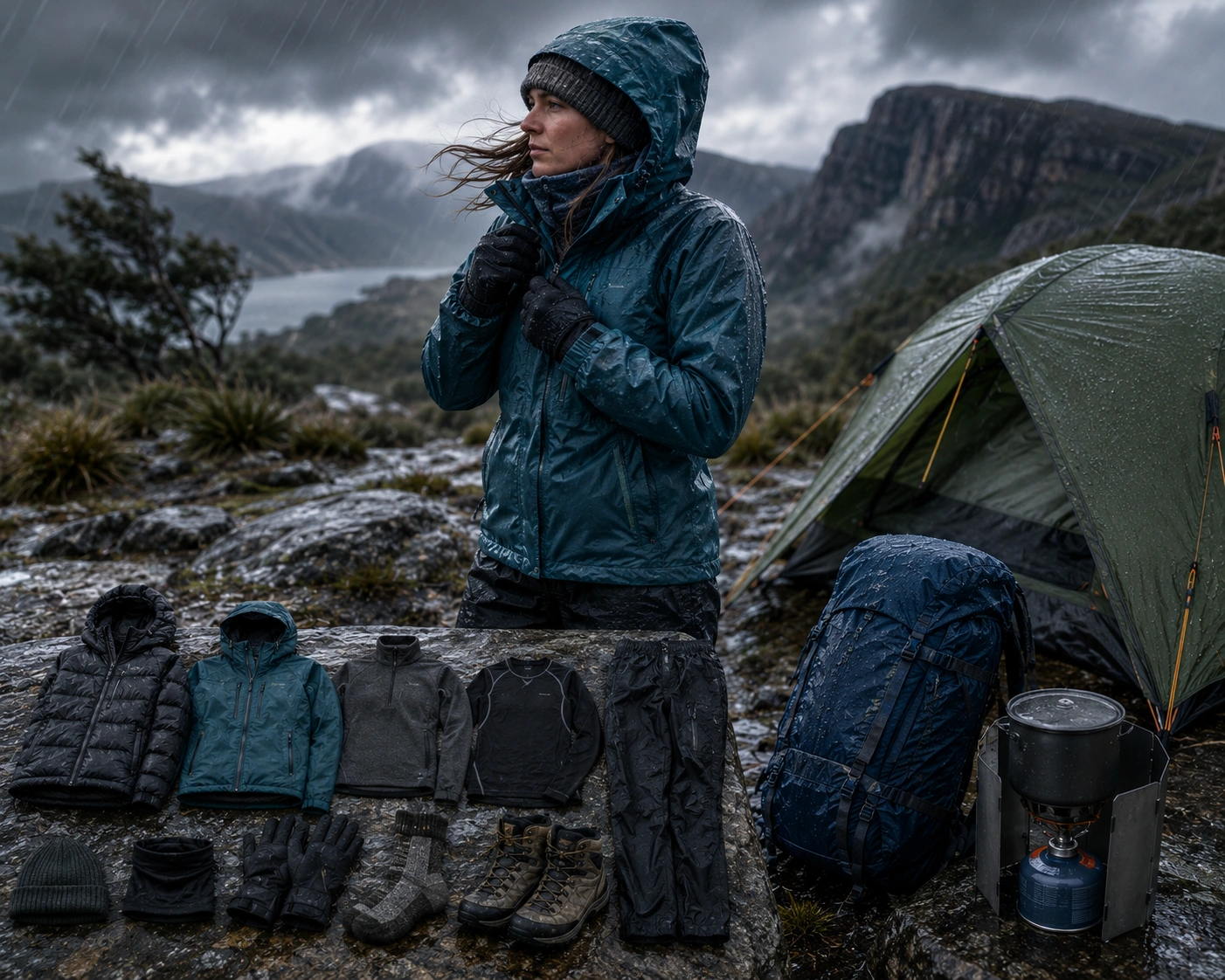
Wet and Windy Camps
Use the same base system, but prioritise full weather protection:
- A moisture managing baselayer.
- A fleece or insulated midlayer.
- A waterproof jacket.
- Waterproof overtrousers.
- Waterproof boots.
- Warm socks and a spare pair.
- Gloves and a beanie.
- A neck warmer.
Keep dry clothes and spare socks in a waterproof bag.
Family Camping
Choose simple, clearly defined layers for each person:
- One baselayer.
- One reliable warmth layer.
- One waterproof outer layer.
- Suitable trousers.
- Warm socks.
- Gloves and a beanie.
- A complete dry change of clothes.
Children often cool down quickly after running around. Add their warm layer before they complain of feeling cold.
Hiking into Camp
Prioritise low weight and versatility:
- A quick drying baselayer.
- A lightweight fleece or insulated jacket.
- A compact waterproof shell.
- Quick drying trousers.
- Waterproof overtrousers if heavy rain is likely.
- Suitable walking boots or shoes.
- One dry set of camp clothing.
Avoid packing several garments that perform the same function.
What Not to Wear for Cold and Wet Camping
Avoid clothing that becomes heavy, uncomfortable or ineffective when damp.
This commonly includes:
- Cotton T shirts as your main cold weather baselayer.
- Jeans.
- Thin trainers in wet or muddy conditions.
- A waterproof shell with no warm layer underneath.
- Several bulky tops that all provide similar warmth.
- Tight boots worn with too many pairs of socks.
- Clothing that restricts movement when layered.
The problem is not always the quality of an individual item. It is often how that item fits into the full system.
A Simple Cold Weather Camping Checklist
Before packing, check that you have:
- Baselayer top.
- Thermal leggings if needed.
- Fleece or insulated jacket.
- Waterproof jacket.
- Walking or softshell trousers.
- Waterproof overtrousers.
- Warm socks.
- Spare dry socks.
- Suitable boots.
- Gloves.
- Beanie.
- Neck warmer.
- Dry evening clothing.
- Waterproof bag for spare clothes.
You may not need every item for every trip. Use the forecast and expected activity level to decide which pieces matter most.
Four Questions to Ask Before You Pack
Will you spend more time moving or sitting?
Static trips require more insulation. Active trips need breathable, moisture managing layers.
Are you preparing for cold, wind, rain or all three?
Cold requires insulation. Wind and rain require protection around that insulation.
Can you carry spare clothing easily?
Car campers can bring extra dry clothes. Hikers need fewer, more versatile pieces.
Which part of your system is missing?
You may already own most of what you need. Identify the gap before buying more clothing.
That missing item could be:
- A proper baselayer.
- A warmer midlayer.
- A waterproof jacket that fits over your insulation.
- Waterproof trousers.
- Suitable socks or boots.
- Gloves or a beanie.
Build a System That Still Works When the Weather Changes
The best cold weather camping clothing is not the biggest pile of gear. It is a set of layers that continues to work as the temperature, weather and pace of the trip change.
Start with a baselayer that manages moisture. Add a fleece or insulated layer for warmth. Protect those layers with a waterproof shell when wind or rain arrives. Keep your legs, feet, hands and head covered as well.
Before buying anything else, look at what you already own and identify the missing part of your setup.
Browse the most relevant baselayers, fleeces, insulated jackets, waterproof clothing, gloves, beanies and footwear rather than adding another general purpose top to your bag.
Frequently Asked Questions
What should I wear camping in cold weather?
Wear a moisture managing baselayer, a fleece or insulated midlayer and a weather resistant outer layer. Add suitable trousers, warm socks, boots, gloves and a beanie.
Do I need both a baselayer and a fleece?
They perform different jobs. A baselayer manages moisture next to your skin, while a fleece provides warmth over it.
Is a waterproof jacket enough for a cold campsite?
No. A waterproof jacket blocks wind and rain but usually provides limited insulation. Wear a suitable baselayer and midlayer underneath it.
Should I wear cotton when camping in cold weather?
Cotton absorbs moisture and dries slowly, so it is usually a poor choice for cold and wet conditions. Synthetic or merino wool baselayers are generally more practical.
Do I need waterproof trousers?
They are worth packing when sustained rain, wet vegetation or muddy ground is likely. They are also useful when you need to kneel or sit while setting up camp.
What shoes should I wear for wet camping?
Choose waterproof walking boots or supportive waterproof shoes with suitable grip. Bring spare socks and, where practical, dry camp shoes.
How should camping clothes fit when layered?
Each layer should allow comfortable movement. Your waterproof jacket and trousers must fit over the clothing underneath without compressing insulation or feeling restrictive.
How do I stay warm at camp without overpacking?
Pack one layer for each job: moisture management, warmth and weather protection. Avoid bringing several garments that provide the same function.
Should I change clothes before bed?
Change out of damp clothing before sleeping. Dry baselayers and socks will help you stay warmer and keep moisture out of your sleeping bag.