The questions worth asking before you choose a hydration bladder
What sits inside our hydration bladder category?
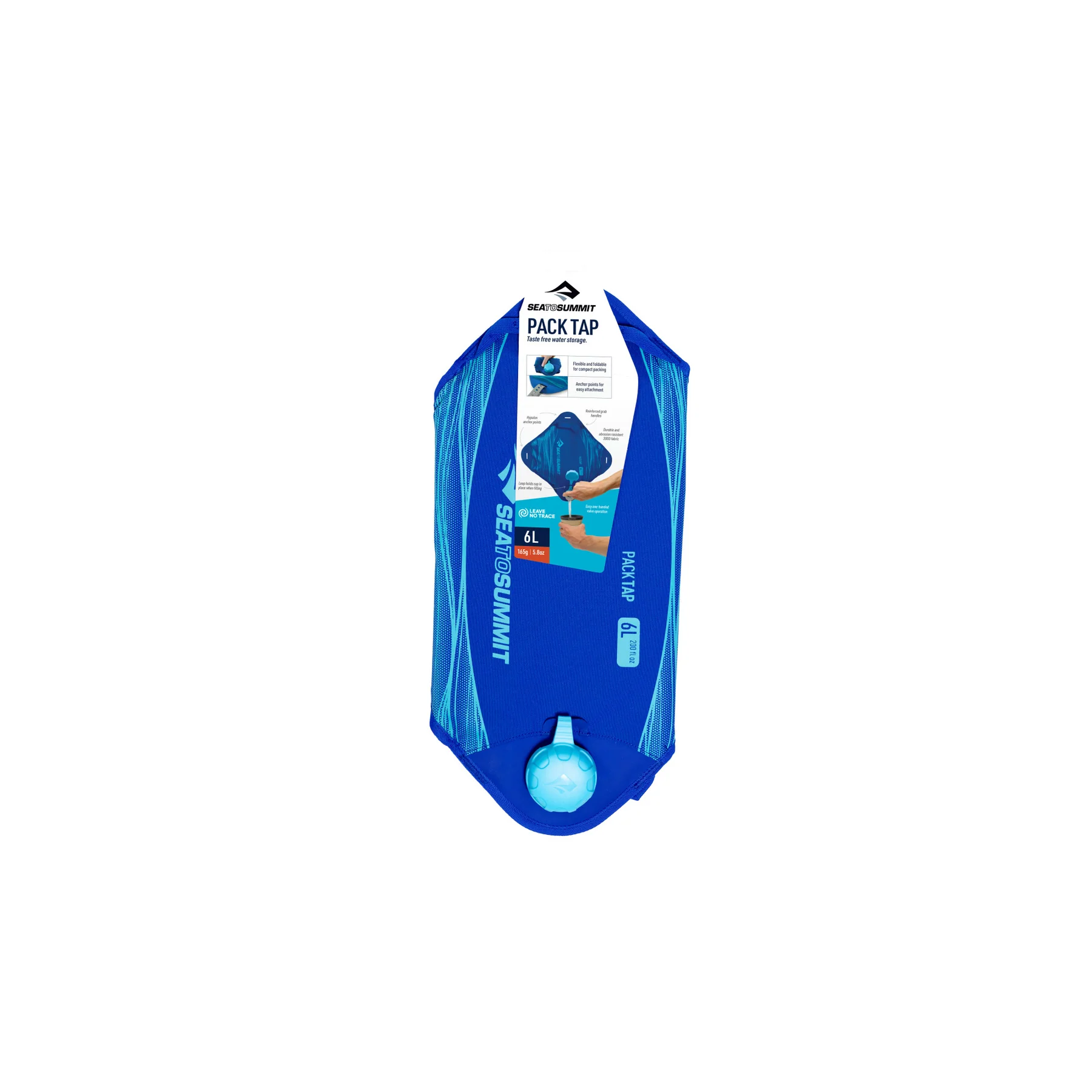
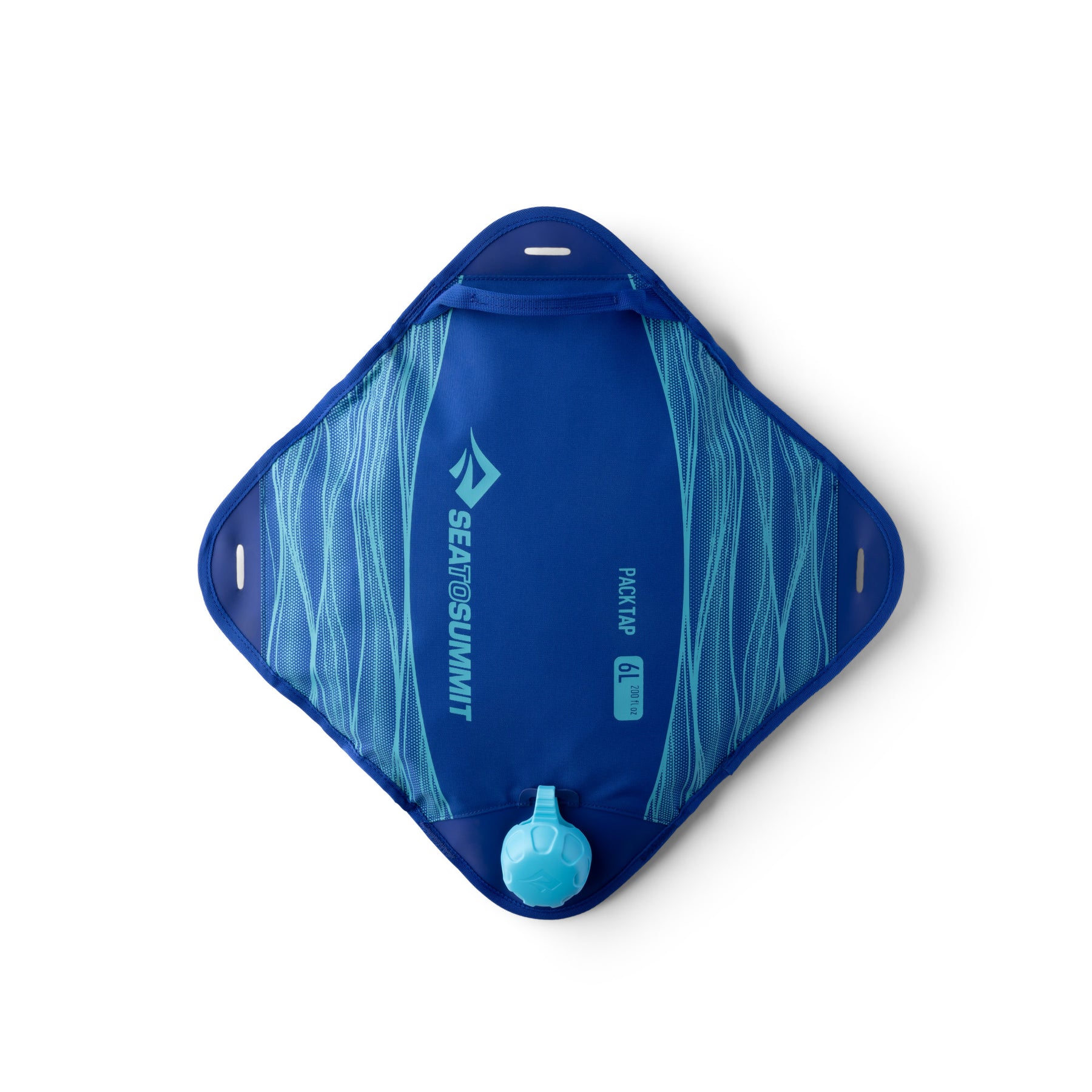
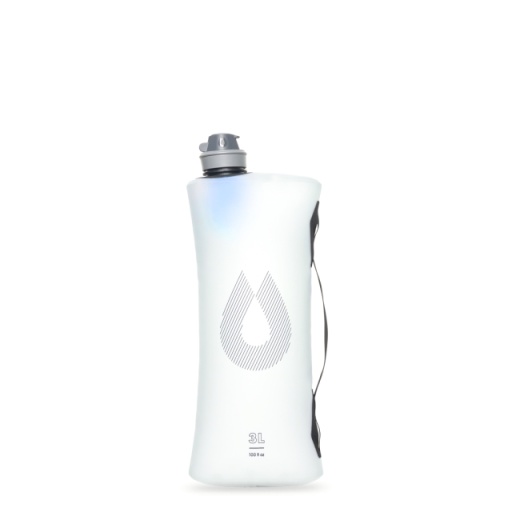
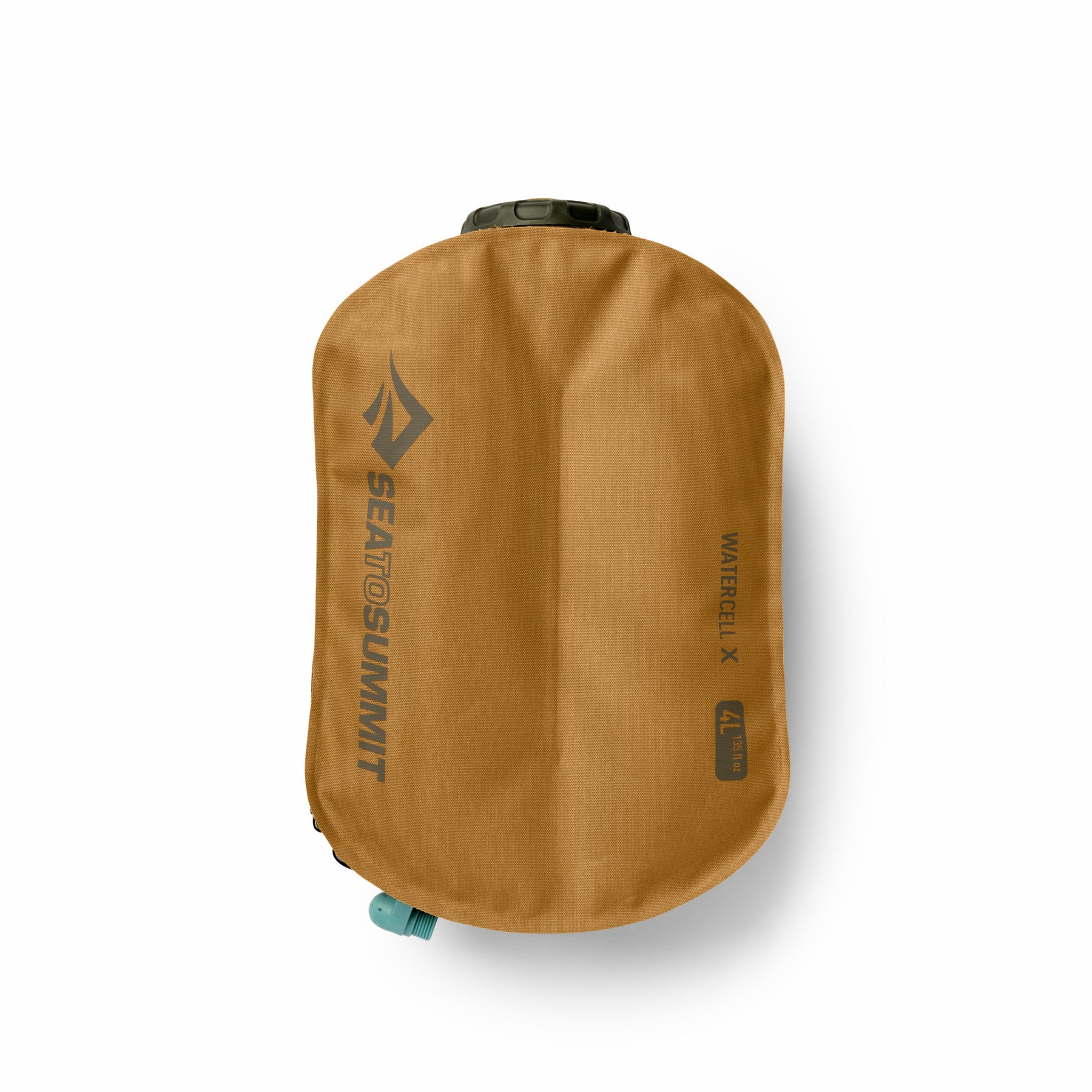
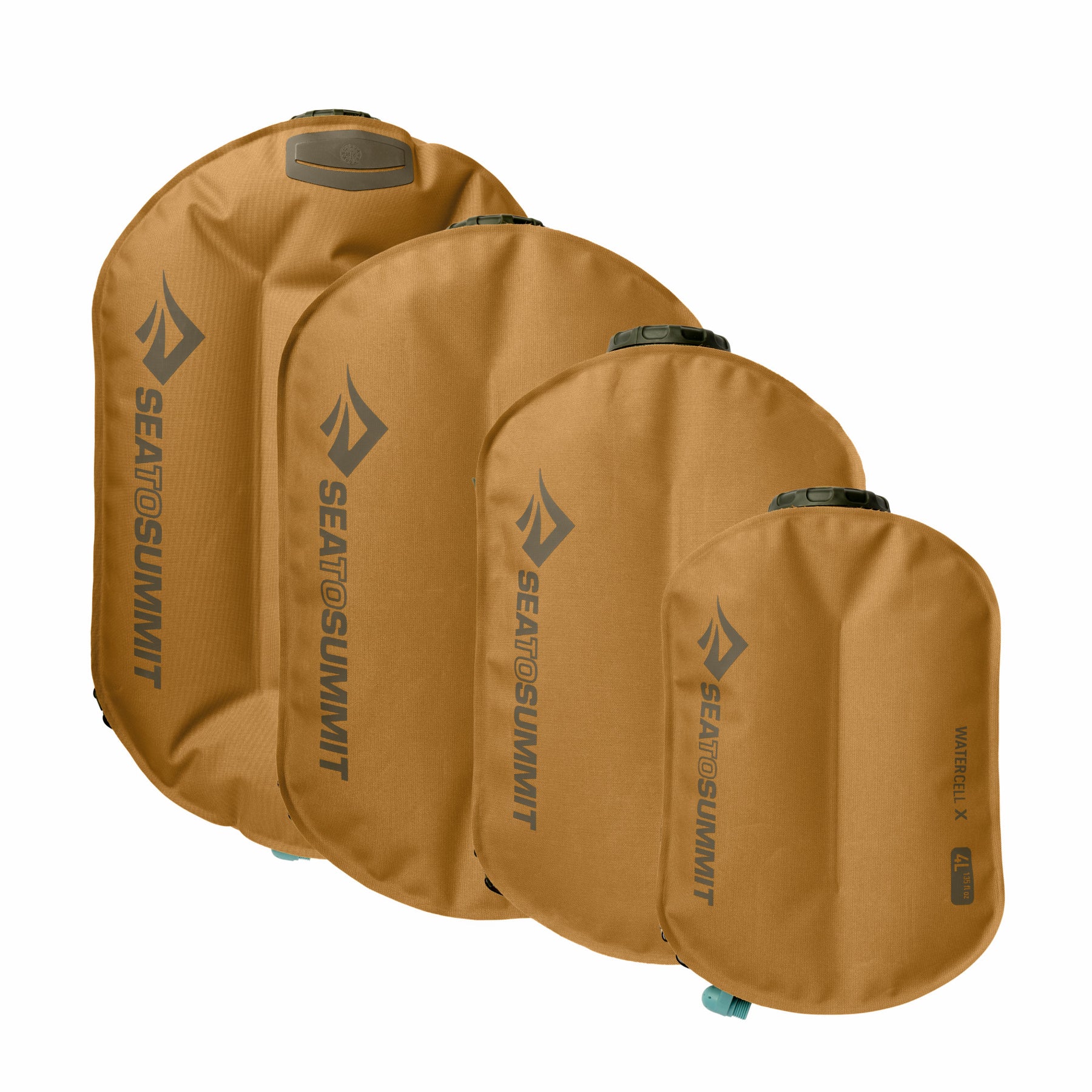
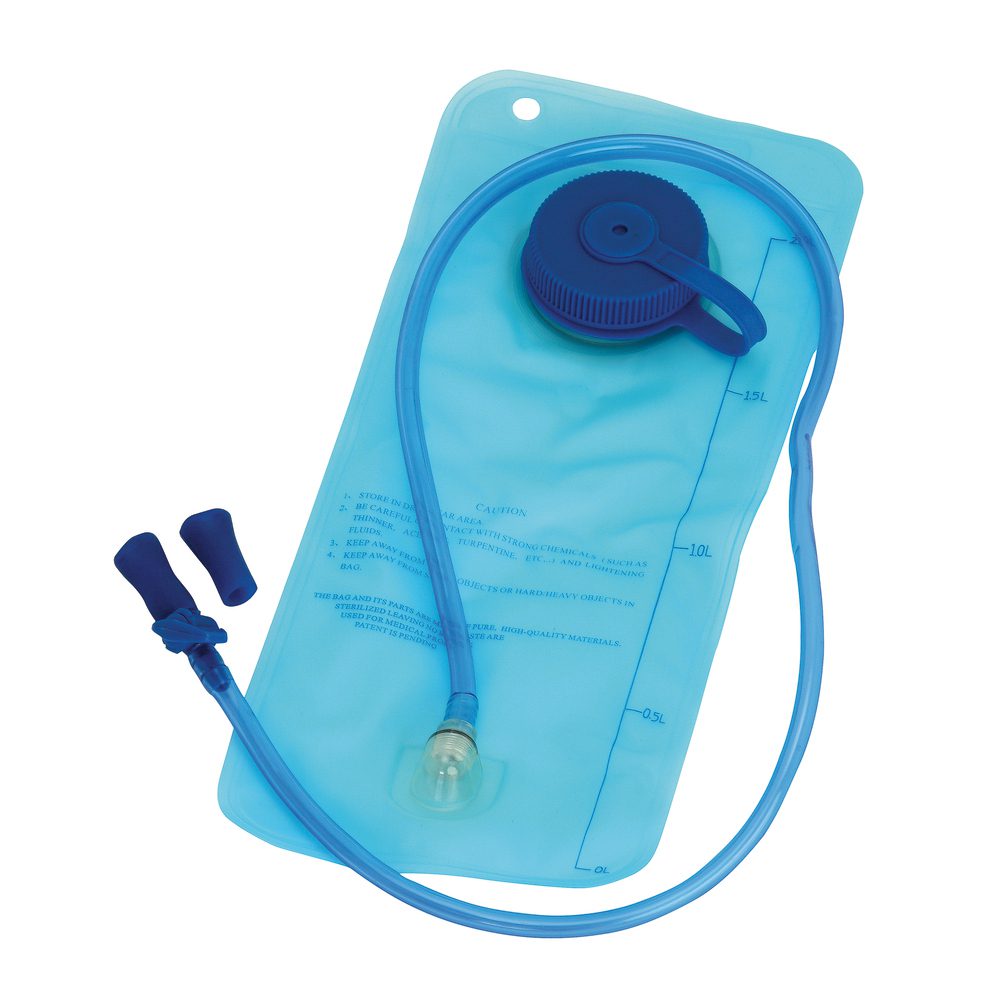
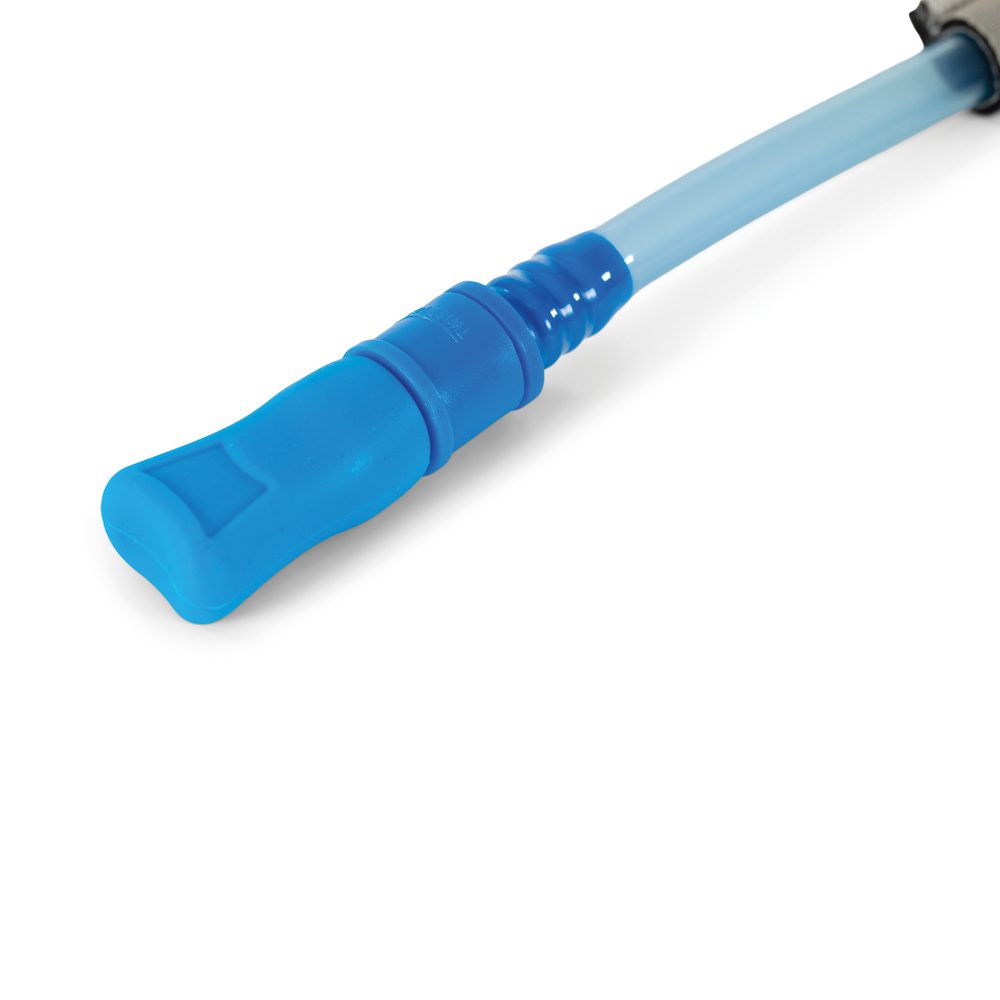
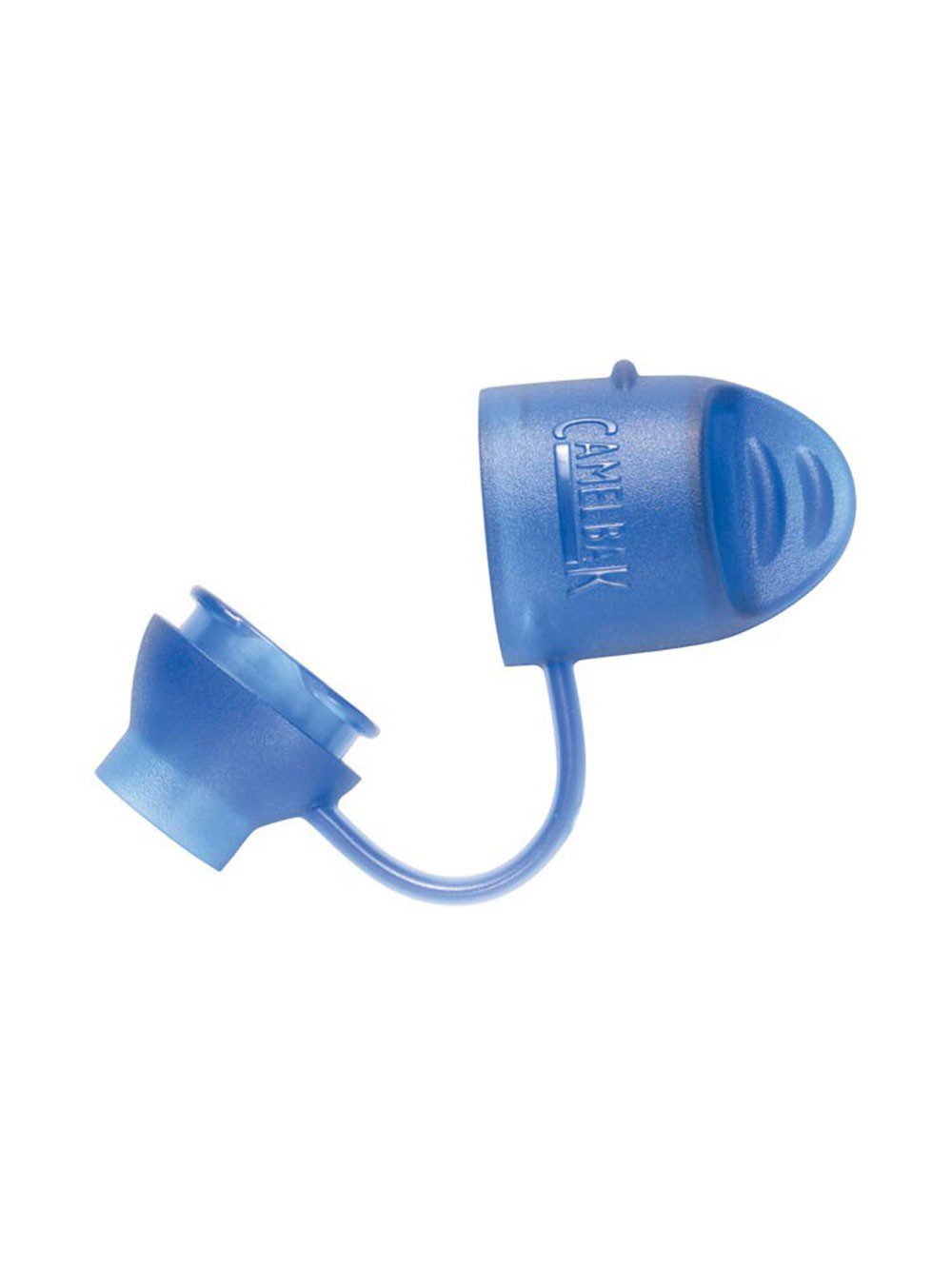
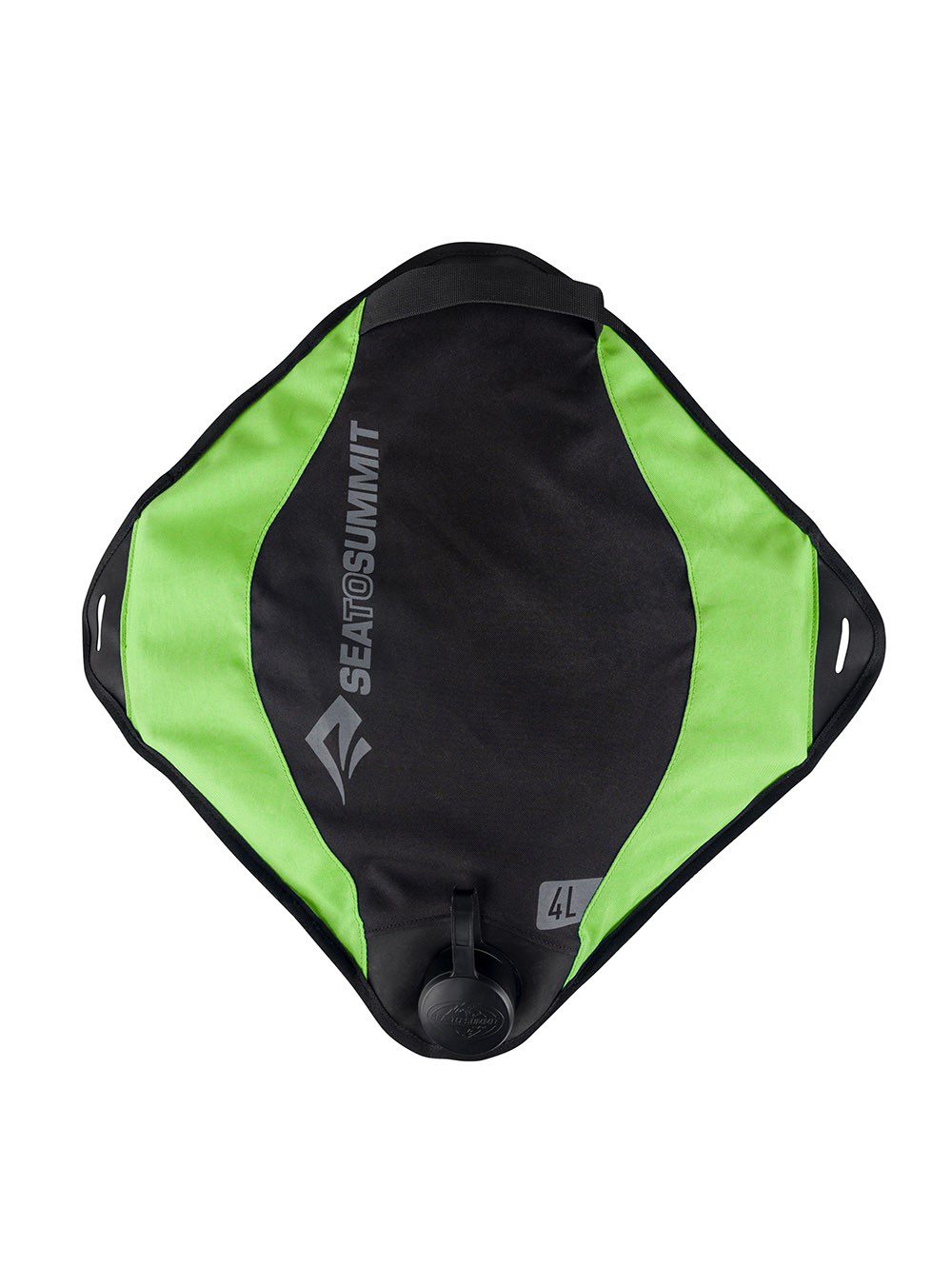
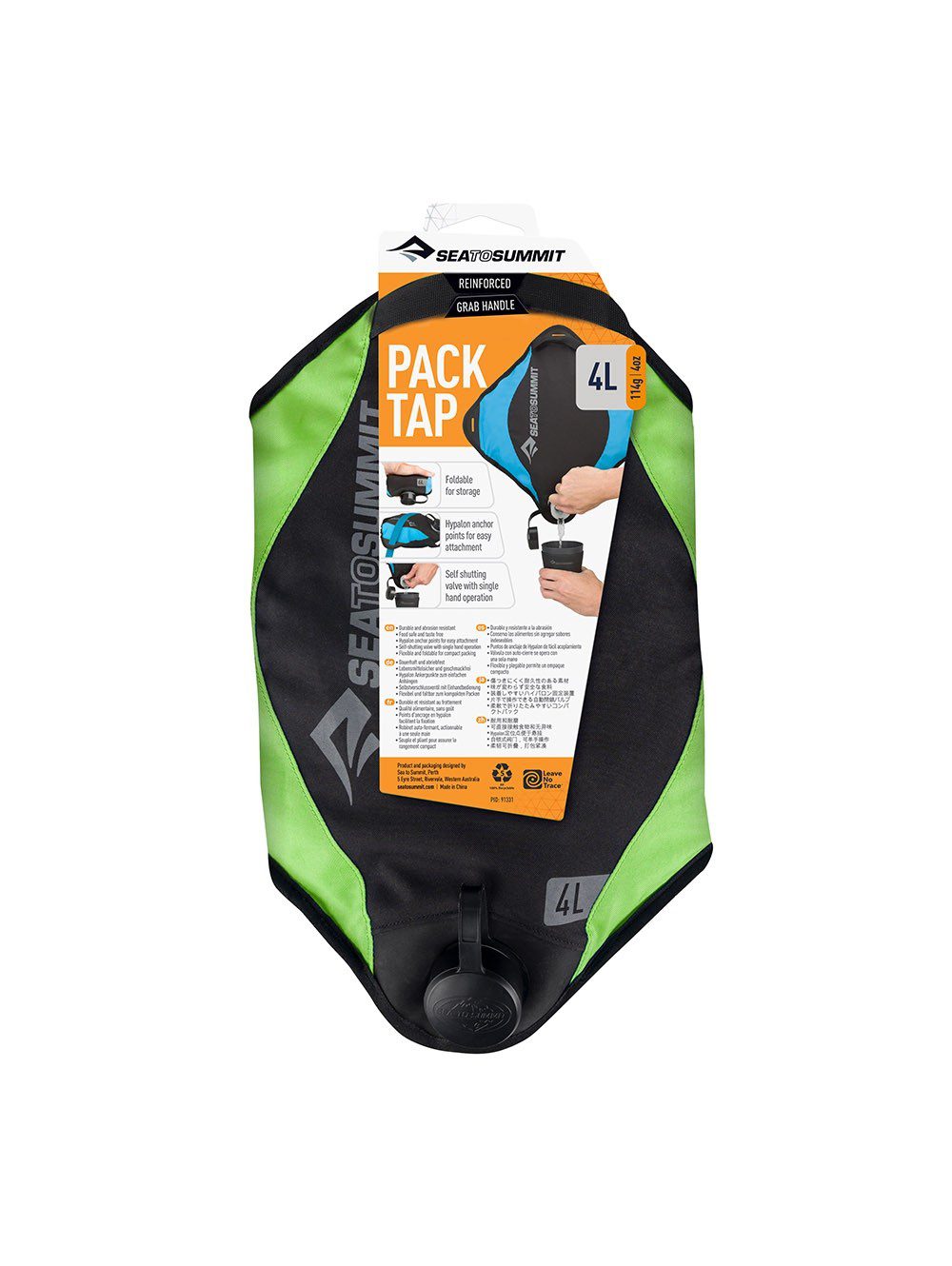
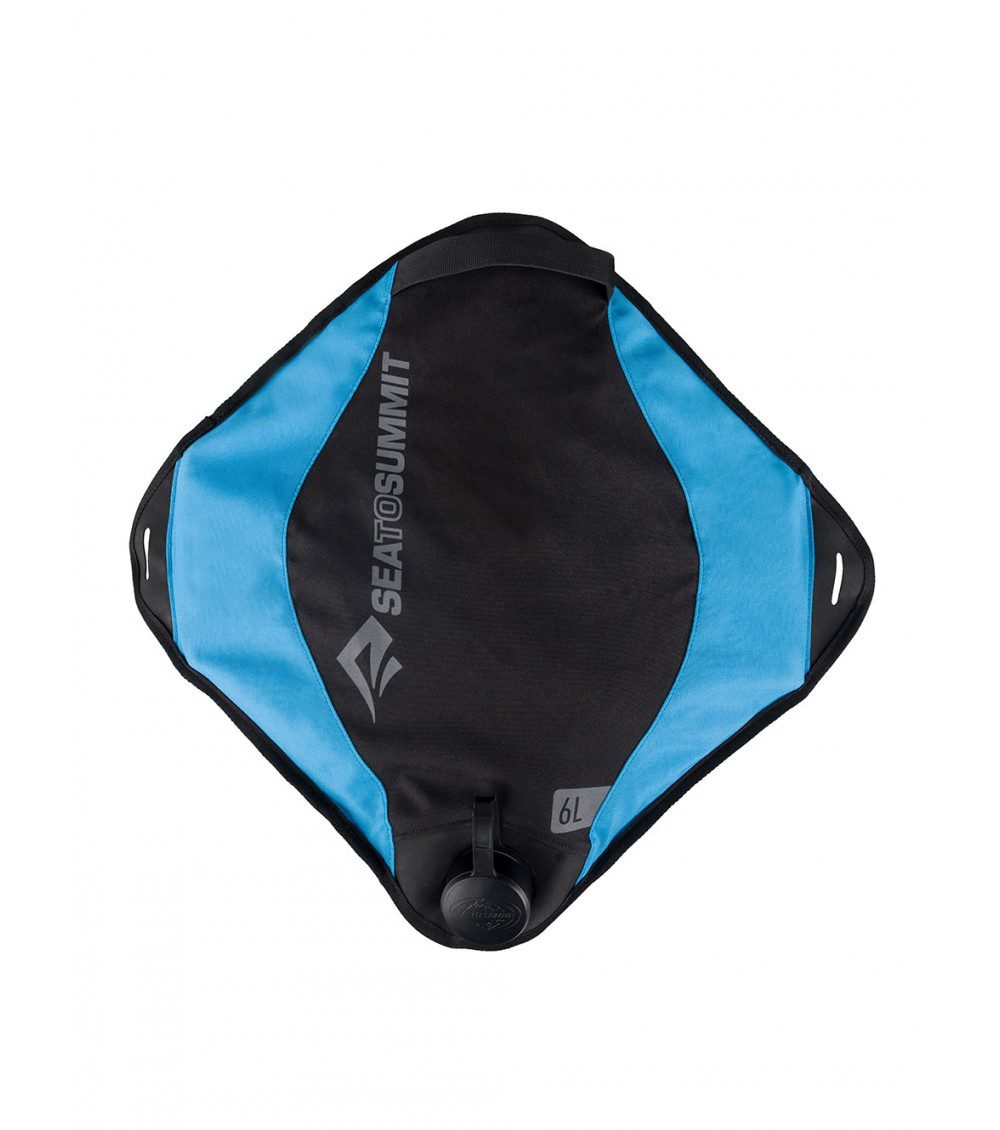
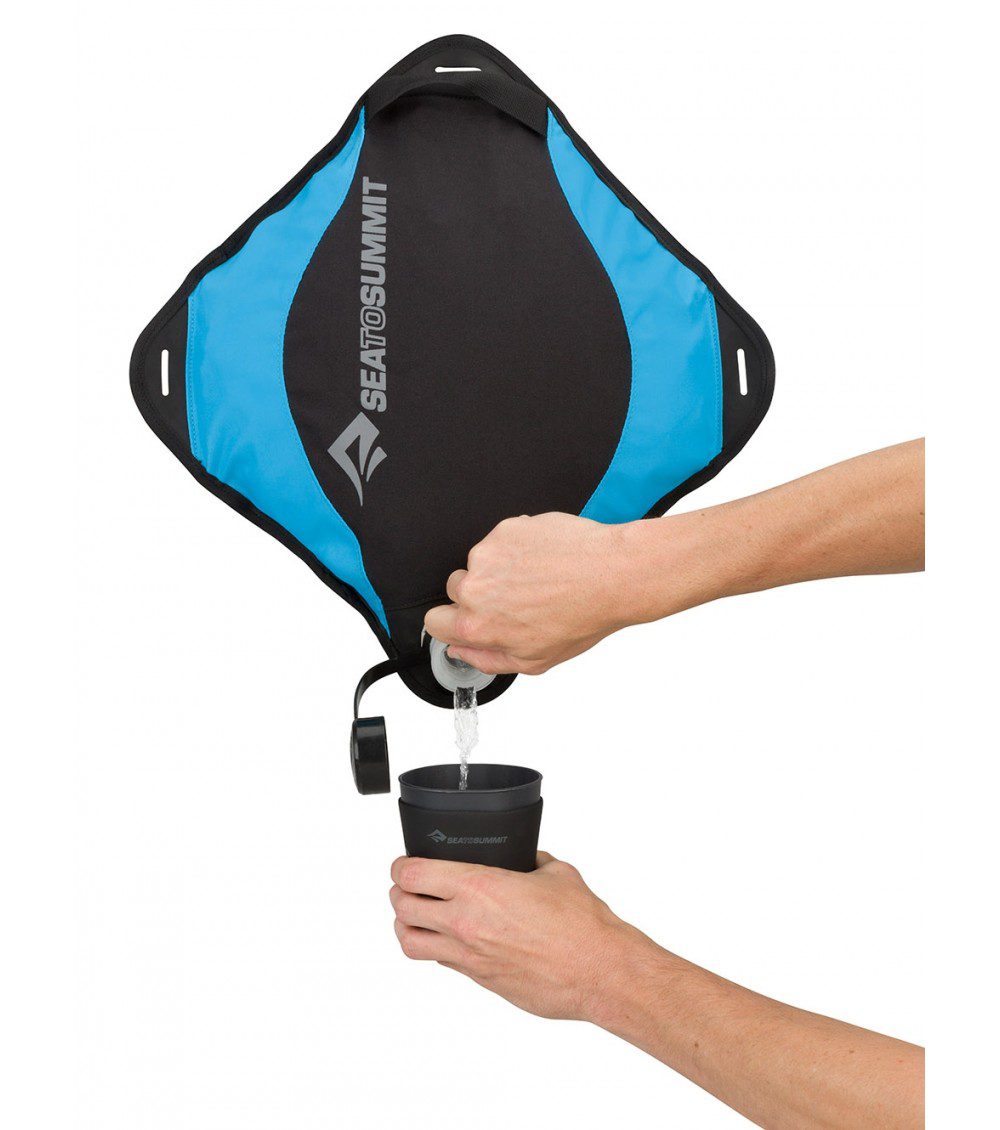
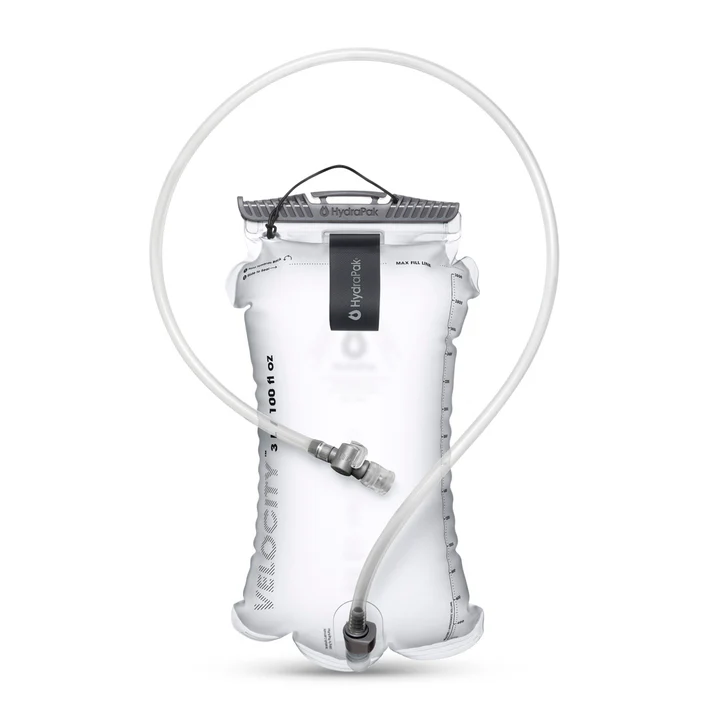
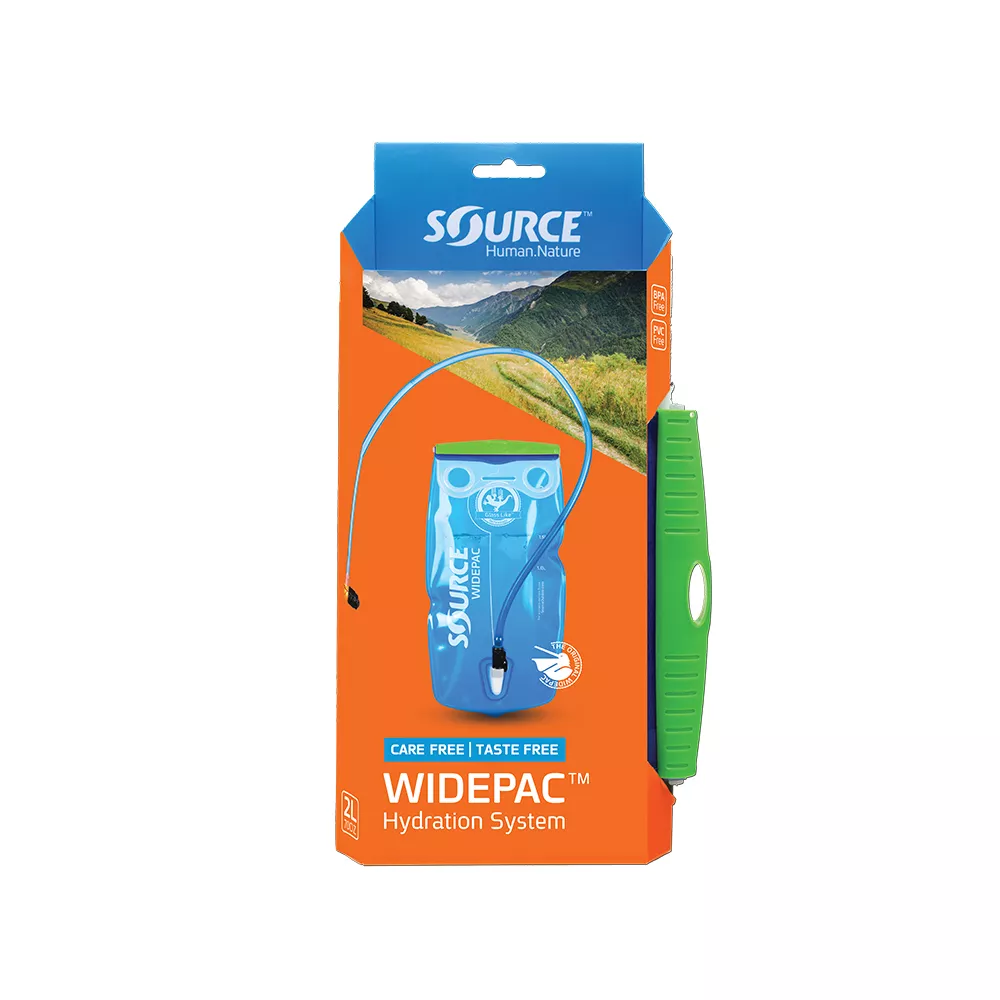
This category is built around hydration reservoirs for pack-based use rather than standard bottles. In Offtrack’s hiking guidance, hydration reservoirs sit alongside bottles and filtration as part of a broader water-carry system, with brands such as CamelBak and Source specifically mentioned as common options.
Who is this category really for?
Hydration bladders are usually the better fit for hikers, fast movers and day-pack users who want to drink without stopping every time they need water. Offtrack’s advice on hiking packs already points to hydration compatibility as a meaningful feature, especially for smaller day packs and active carry systems where easy access matters.
How do we help you decide between a bladder and a bottle?
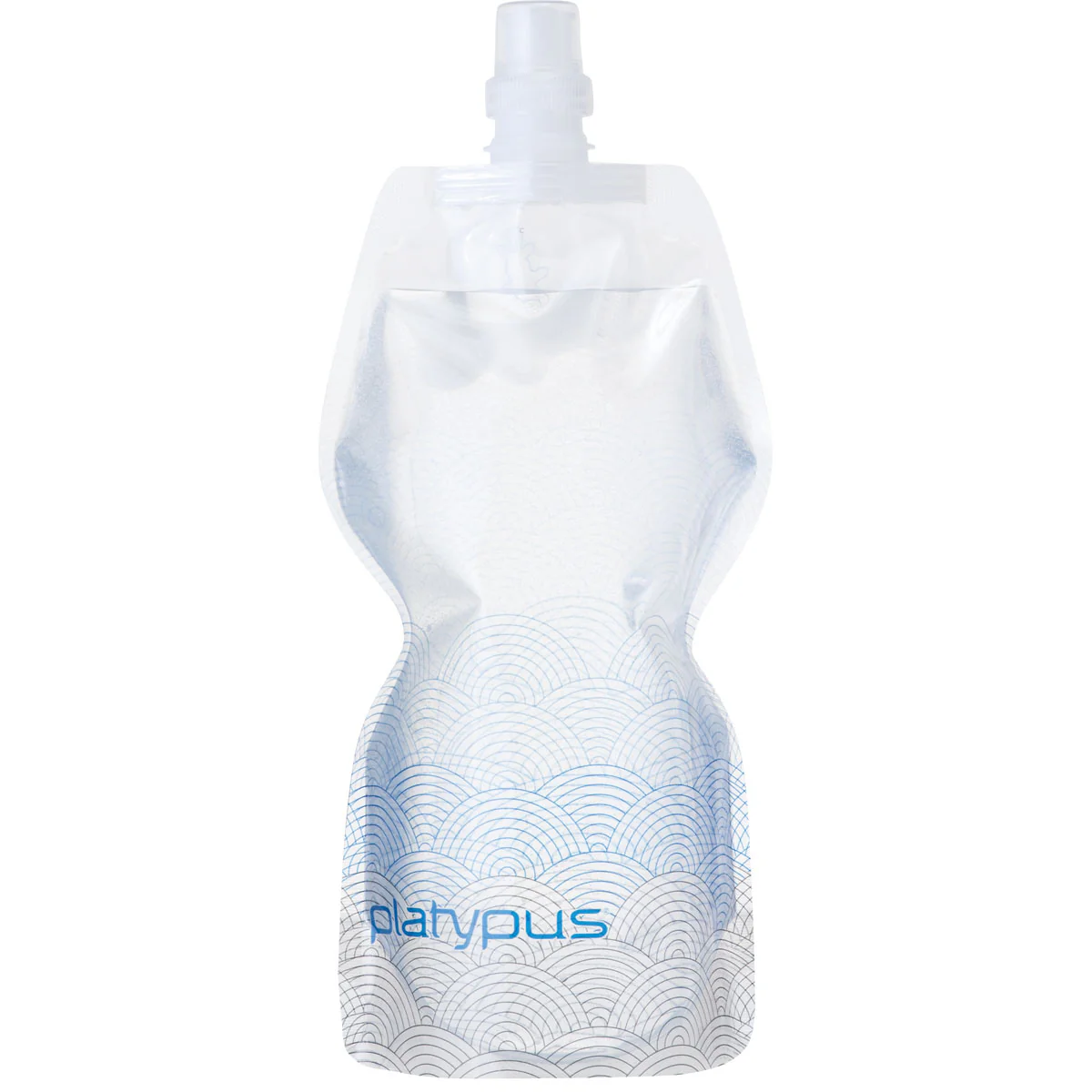
We start with how you move and how you carry. A hydration bladder makes sense when you want easy sipping on the move, cleaner weight distribution inside the pack and less interruption across the day. Bottles can still make more sense for simpler refilling, mixing electrolytes or separating backup water. Offtrack’s own hydration advice points toward a combined approach for many trips: a bladder for convenience, plus a backup bottle for extra capacity or flexibility.
When is a hydration bladder the better choice?
A bladder is usually the better choice when stopping repeatedly would break rhythm, slow you down or make hydration less consistent. One of the practical strengths of a reservoir system is that it encourages steady drinking while you keep moving, which can be especially helpful on hot hikes or longer carries where dehydration can build quietly.
What decision factors matter most in this category?
The big filters are pack compatibility, intended trip length, water volume and how you handle the rest of your hydration plan. A reservoir only works well if the pack carries it properly and the overall setup still makes sense for your route and water access. Offtrack’s broader hiking advice keeps returning to duration, fit and hydration compatibility for exactly that reason.
Should you rely on a bladder alone?
Usually not. For many hikes, the smarter setup is a bladder plus at least one backup option. Offtrack’s hydration guidance specifically recommends carrying a combination such as a 2L bladder for easy access and a backup bottle for added capacity or mixing electrolytes. That gives you convenience without putting the whole water plan into one container.