
Categories
Filter by Brands
-
(9)
-
(2)
-
(4)
-
(2)
-
(3)
-
(1)
-
(12)
-
(17)
-
(9)
-
(23)
-
(1)
-
(14)
-
(4)
-
(4)
-
(4)
-
(13)
-
(72)
-
(12)
-
(1)
-
(1)
-
(11)
-
(129)
-
(2)
-
(3)
-
(4)
-
(5)
-
(11)
-
(2)
-
(58)
-
(12)
-
(61)
-
(1)
-
(2)
-
(1)
-
(7)
-
(1)
-
(2)
-
(1)
-
(2)
-
(12)
-
(3)
-
(13)
-
(2)
-
(2)
-
(2)
-
(3)
-
(5)
-
(1)
-
(4)
-
(2)
-
(5)
-
(11)
-
(3)
-
(2)
-
(1)
-
(1)
-
(97)
-
(4)
-
(6)
-
(7)
-
(2)
-
(2)
-
(3)
-
(7)
-
(1)
-
(124)
-
(13)
-
(4)
-
(1)
-
(10)
-
(1)
-
(24)
-
(1)
-
(21)
-
(25)
-
(29)
-
(22)
-
(11)
-
(20)
-
(3)
-
(2)
-
(42)
-
(14)
-
(1)
-
(28)
-
(15)
-
(1)
-
(8)
-
(21)
-
(9)
-
(1)
-
(7)
-
(2)
-
(2)
-
(1)
-
(28)
-
(1)
-
(1)
-
(5)
-
(9)
-
(2)
-
(3)
-
(2)
-
(1)
-
(5)
-
(4)
-
(12)
-
(1)
-
(15)
-
(6)
-
(3)
-
(7)
-
(6)
-
(6)
-
(18)
-
(3)
-
(1)
-
(2)
-
(2)
-
(5)
-
(2)
-
(2)
-
(3)
-
(180)
-
(3)
-
(40)
-
(1)
-
(2)
-
(5)
-
(23)
-
(2)
-
(1)
-
(3)
-
(19)
-
(3)
-
(3)
-
(15)
-
(1)
-
(1)
-
(9)
-
(1)
-
(28)
-
(1)
-
(52)
-
(9)
-
(1)
-
(2)
-
(12)
-
(2)
-
(40)
-
(2)
-
(647)
-
(5)
-
(3)
-
(57)
-
(11)
-
(3)
-
(12)
-
(2)
-
(1)
-
(1)
-
(35)
-
(8)
-
(5)
-
(24)
-
(2)
-
(2)
-
(4)
-
(5)
-
(14)
-
(8)
-
(4)
-
(42)
-
(9)
-
(4)
-
(6)
-
(20)
-
(4)
-
(383)
-
(21)
-
(24)
-
(4)
-
(4)
-
(9)
-
(1)
-
(4)
-
(19)
-
(9)
-
(34)
-
(1)
-
(3)
-
(1)
-
(2)
-
(2)
-
(3)
-
(14)
-
(8)
-
(13)
-
(1)
-
(3)
-
(9)
-
(1)
-
(13)
-
(1)
-
(1)
-
(1)
-
(22)
-
(5)
-
(13)
-
(1)
-
(1)
-
(30)
-
(8)
-
(5)
-
(58)
-
(1)
-
(11)
-
(6)
-
(5)
-
(4)
-
(4)
-
(1)
-
(1)
-
(201)
-
(2)
-
(1)
-
(1)
-
(9)
-
(98)
-
(1)
-
(66)
-
(2)
-
(7)
-
(4)
Price Range
-
Price:—







The Questions Worth Asking Before You Buy an Axe, Shovel, or Camp Digging Tool
When do I need a proper camp tool instead of just making do without one?
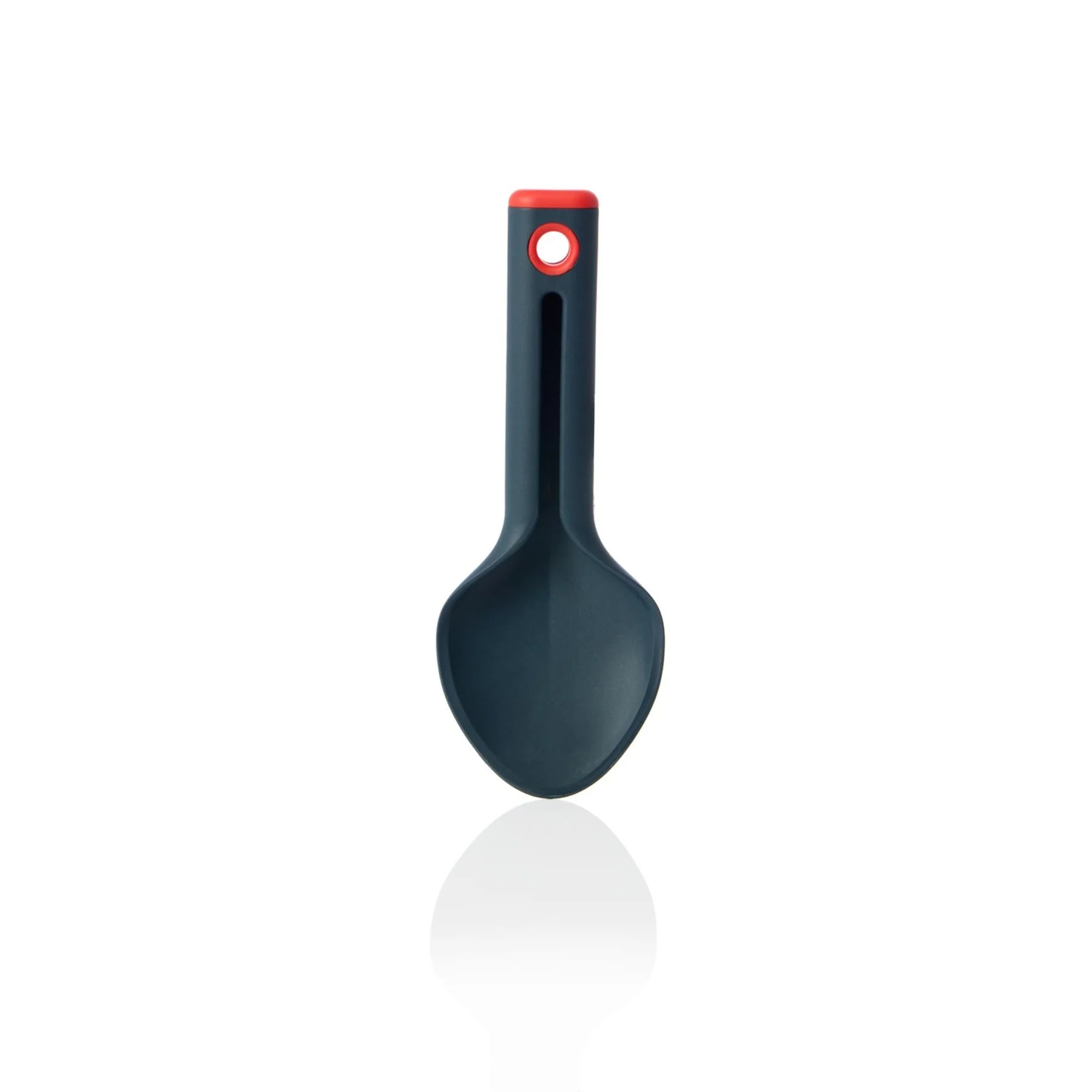
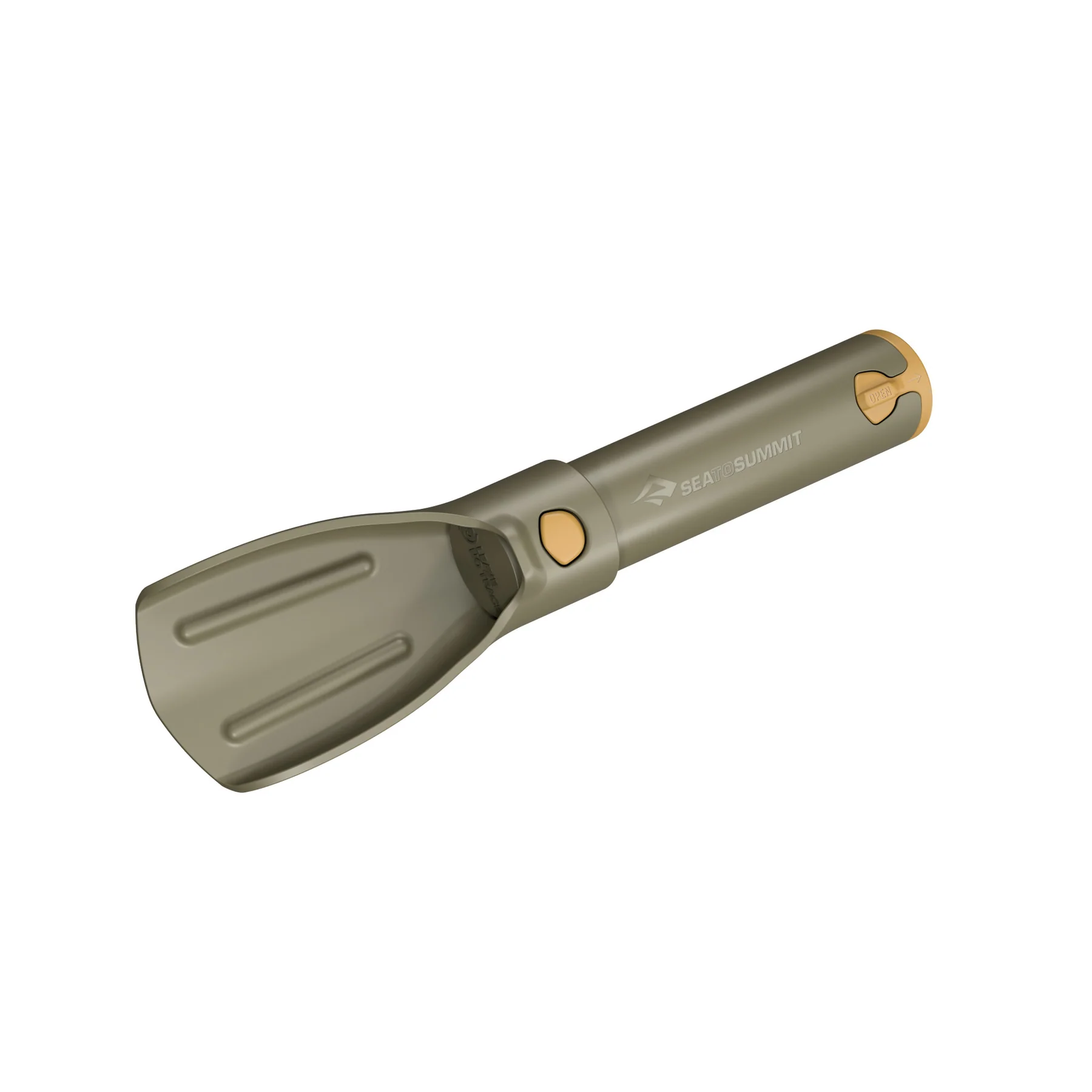
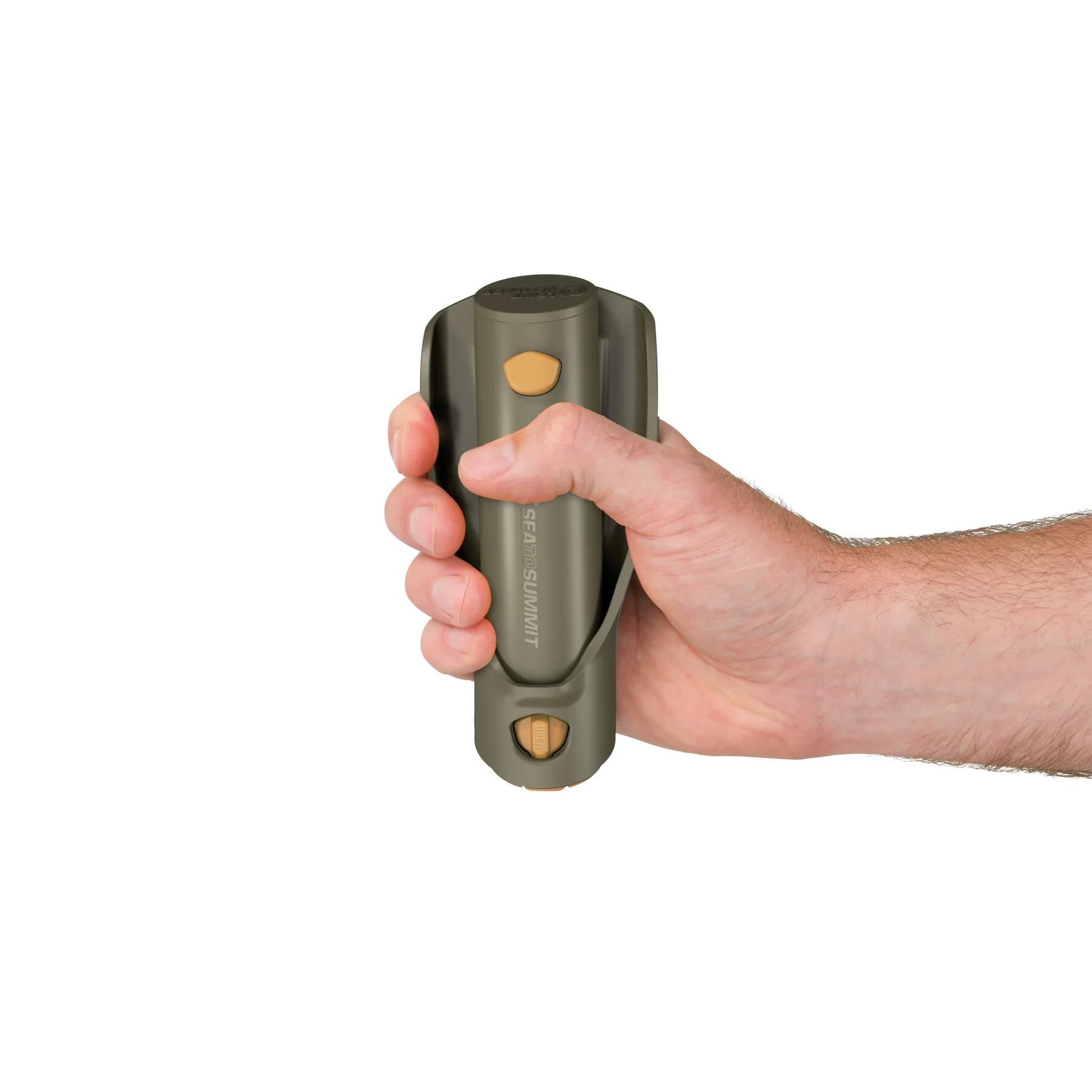
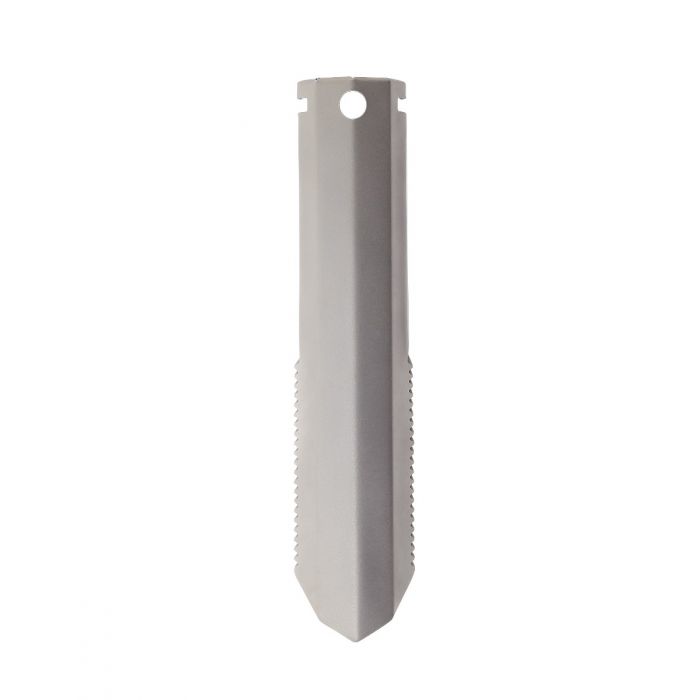
That depends on the trip and the job. For lightweight hiking, many people only need a compact trowel for toilet waste and campsite tasks. For vehicle-based camping, basecamps, or property use, a larger shovel, hatchet, or splitting tool can make more sense. Offtrack’s camping advice is usually built around environment, trip style, group size, and practicality rather than treating every trip the same, and this category reflects that with a mix of small digging tools and full-size axes. The current page shows 10 products, ranging from compact trowels through to Gerber axes.
What is the difference between a trowel, a camp shovel, and an axe in real use?
A trowel is the compact option for digging small holes, toilet waste disposal, and minimal camp tasks. A camp shovel handles heavier digging and is more useful when the job is larger or the ground is tougher. An axe or hatchet is for chopping and splitting rather than digging. That sounds obvious, but it is where a lot of people buy the wrong tool. On this category page, you can already see that split in the product mix, with items like the GoDigg Mini, Cathole Camping Trowel, Pocket Trowel, and larger Gerber axes grouped together because they solve different field problems, not because they are interchangeable.
Is a compact trowel enough for most campers and hikers?
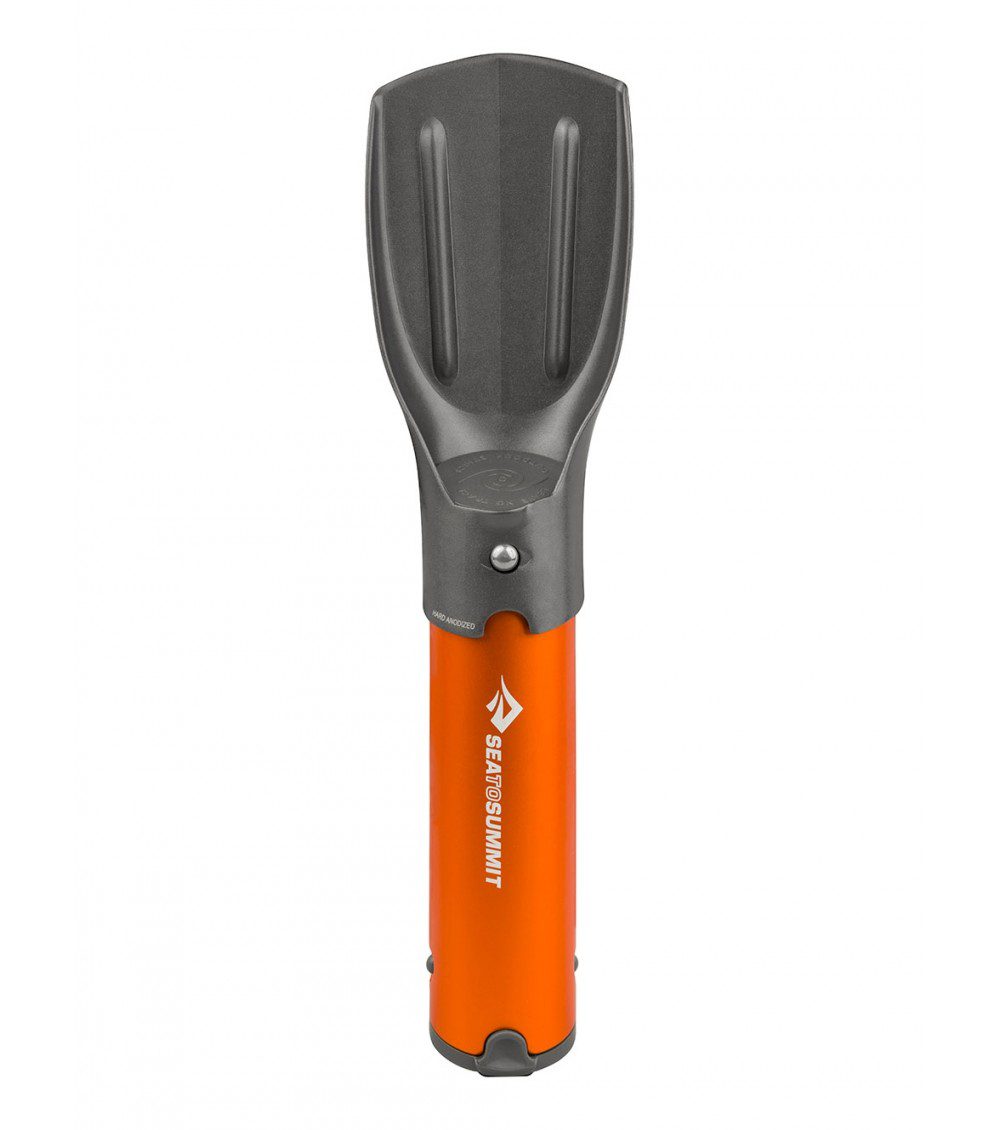
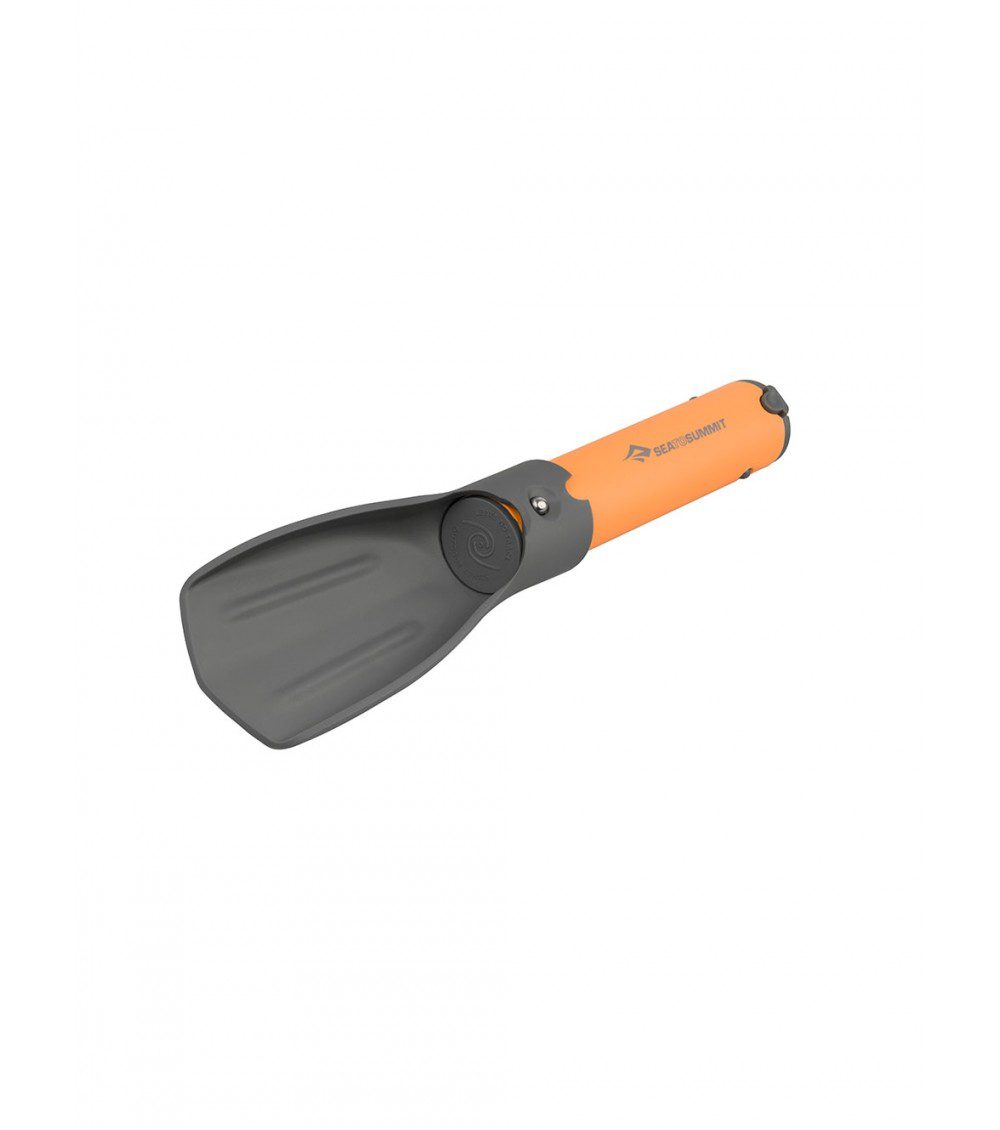
For many hikers, yes. A compact trowel is often the right answer when pack space and weight matter and the goal is simple backcountry hygiene rather than general camp work. That is especially true for solo hikers, lightweight walkers, or anyone following a more minimal setup. Offtrack’s broader camping guidance leans heavily toward matching gear to the actual trip, and for a lot of overnight or multi-day walks that means taking the smallest tool that does the job properly. In this category, options like the GoDigg Mini, GSI Cathole Camping Trowel, Sea to Summit Pocket Trowel, and Vargo Titanium Dig Dig Tool all sit in that lightweight-use end of the range.
When does a full-size axe make more sense than a smaller hatchet or camp tool?
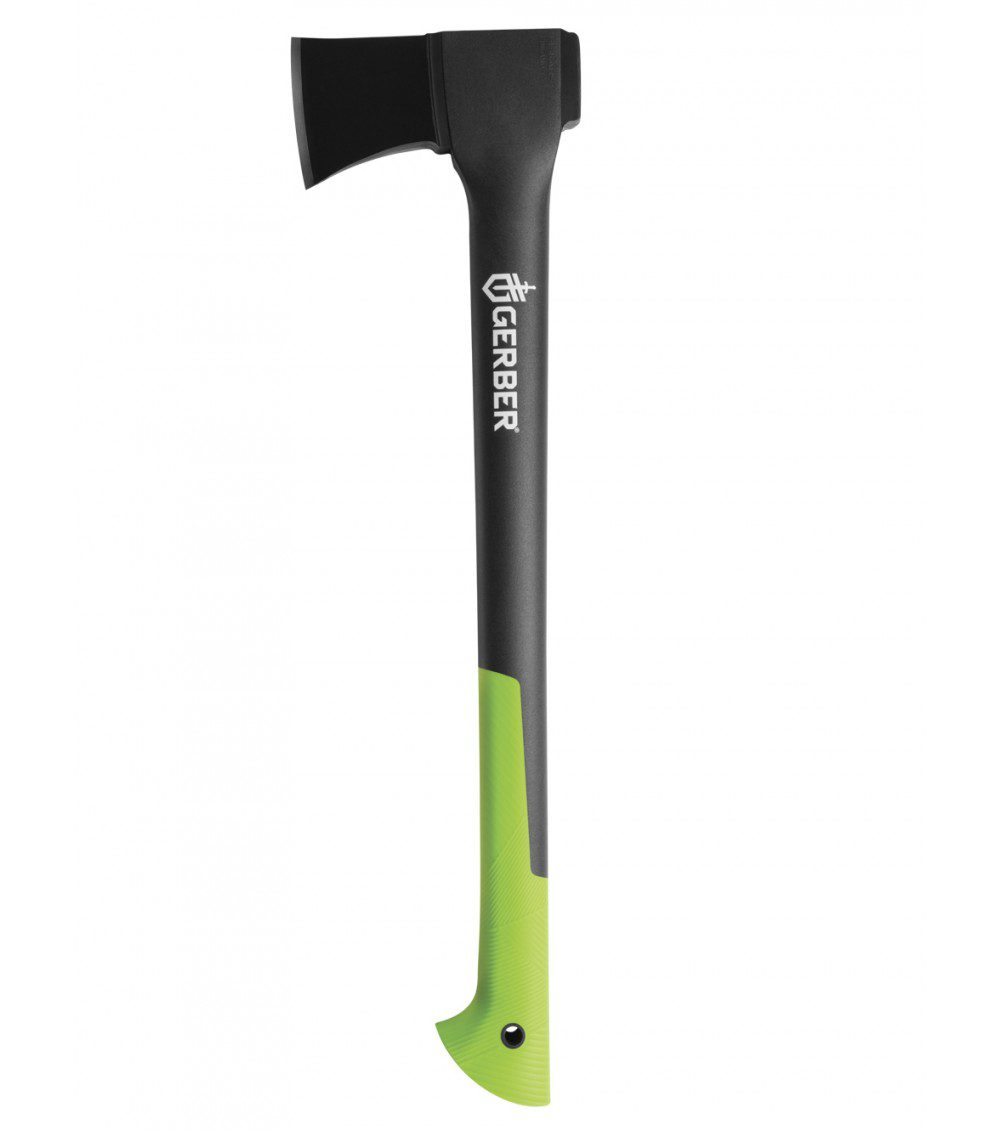
A full-size axe makes more sense when you are dealing with repeated wood processing, larger pieces of timber, or a more stationary camp setup where weight and bulk are not the main concern. For car camping, rural properties, or more involved basecamp use, that can be a reasonable choice. For someone walking in with all their gear, it usually is not. The Gerber products on this page, including the 17.5″ FreeScape Hatchet, 23.5″ Axe, and 36″ Power Splitting Axe, show that this category is serving both lighter camp users and heavier-duty buyers.
Should I choose based on weight, durability, or how tough the job is?
Start with the job. Weight matters most when the tool is being carried any distance. Durability matters more when it will see repeated use, group use, or rougher treatment. Job size matters throughout, because a tool that is perfect for digging a cathole is the wrong tool for splitting timber. Offtrack’s general recommendation style is scenario-based rather than brand-led, so the better comparison is usually between applications, not labels. That fits the brand philosophy that no one product or brand is best at everything.
Are there safety issues people underestimate with axes and camp digging tools?
Yes. The biggest mistake is treating them like casual accessories instead of tools with consequences. With axes, poor technique, unsuitable use, and carrying more tool than you can control are the obvious risks. With digging tools, the issue is usually less dramatic but still practical: buying something too flimsy for the ground conditions, or assuming one tool covers every job. Offtrack’s content consistently ties gear choice to conditions and performance consequences, and that approach matters here as well. If you are unsure whether you need a lightweight sanitation tool or a heavier-duty camp tool, it is worth narrowing that first rather than buying the biggest option by default.

