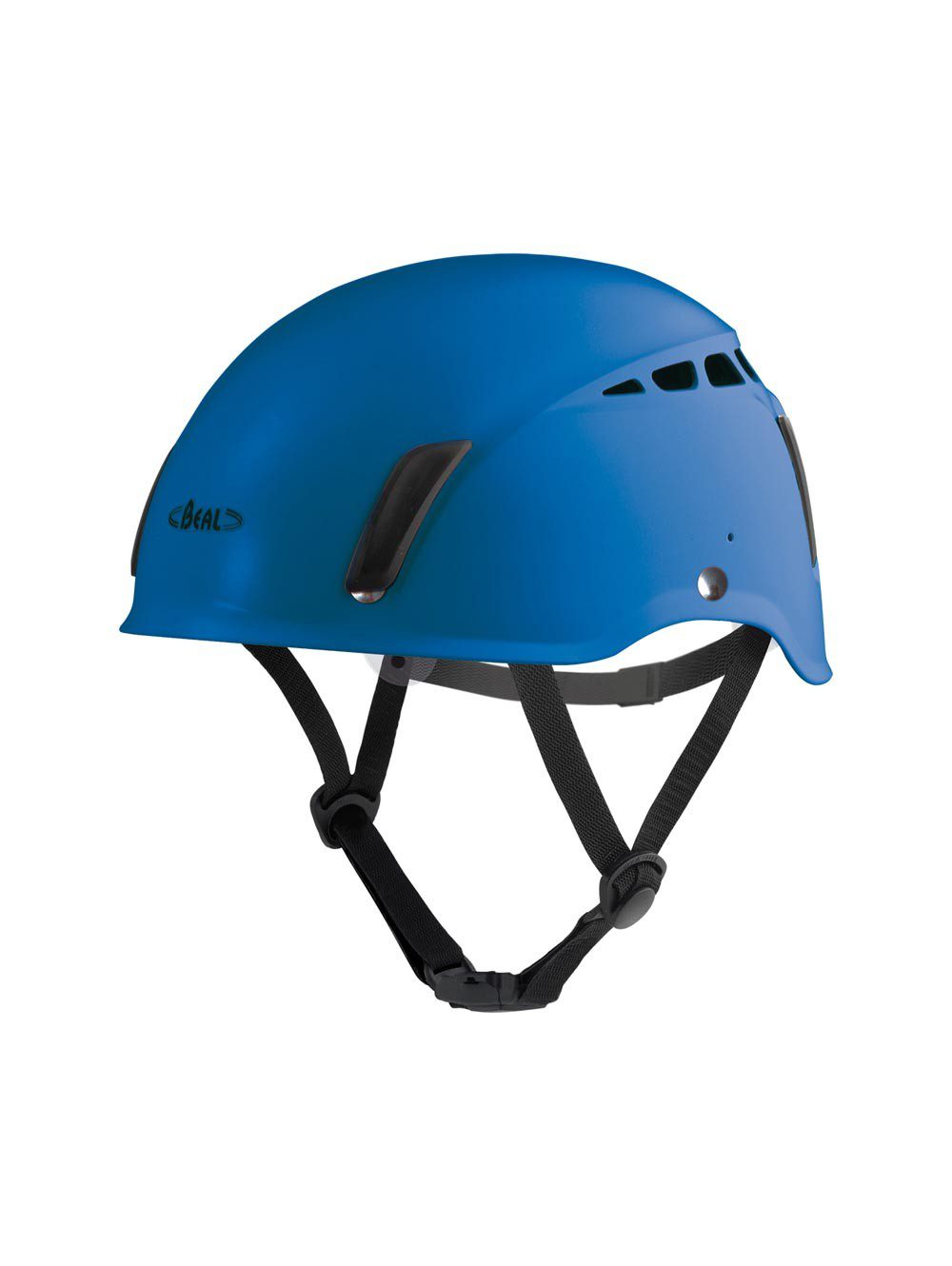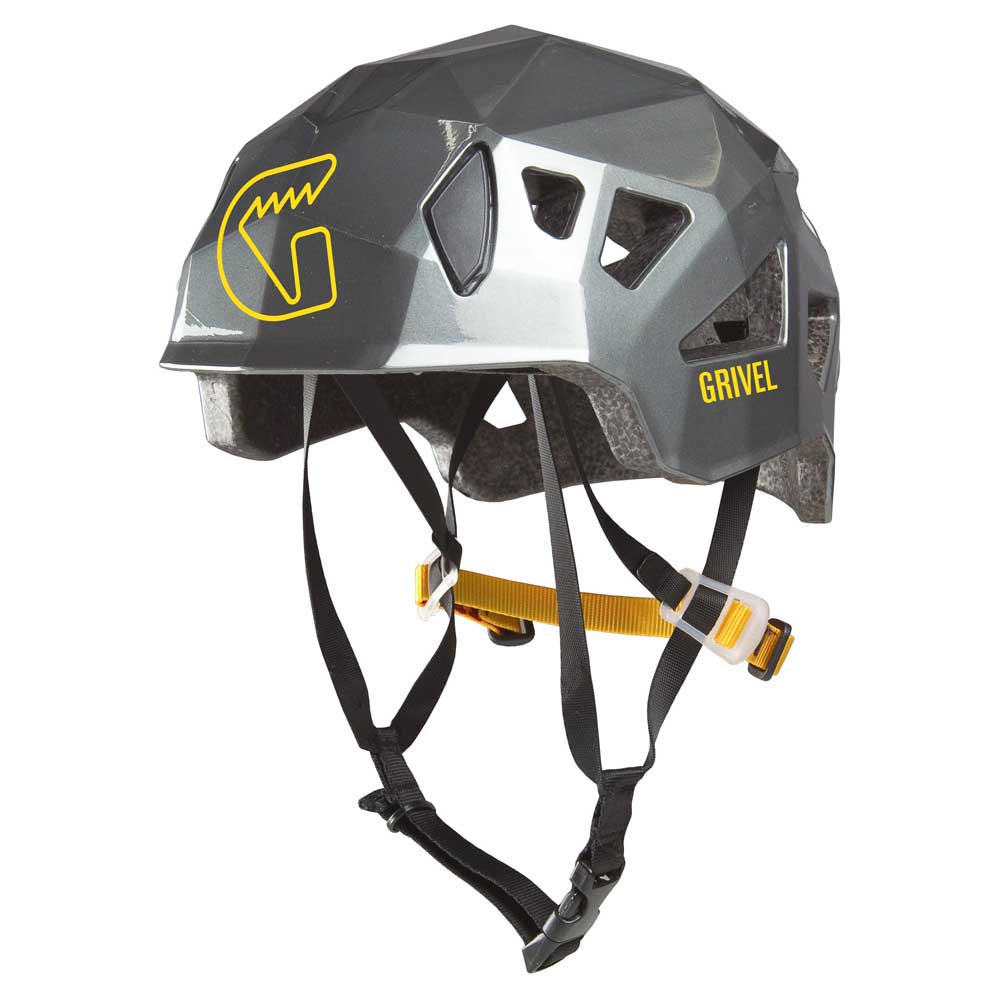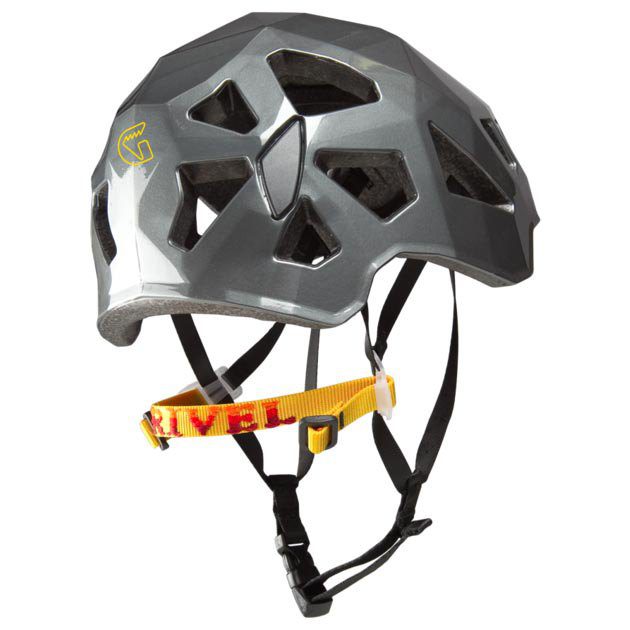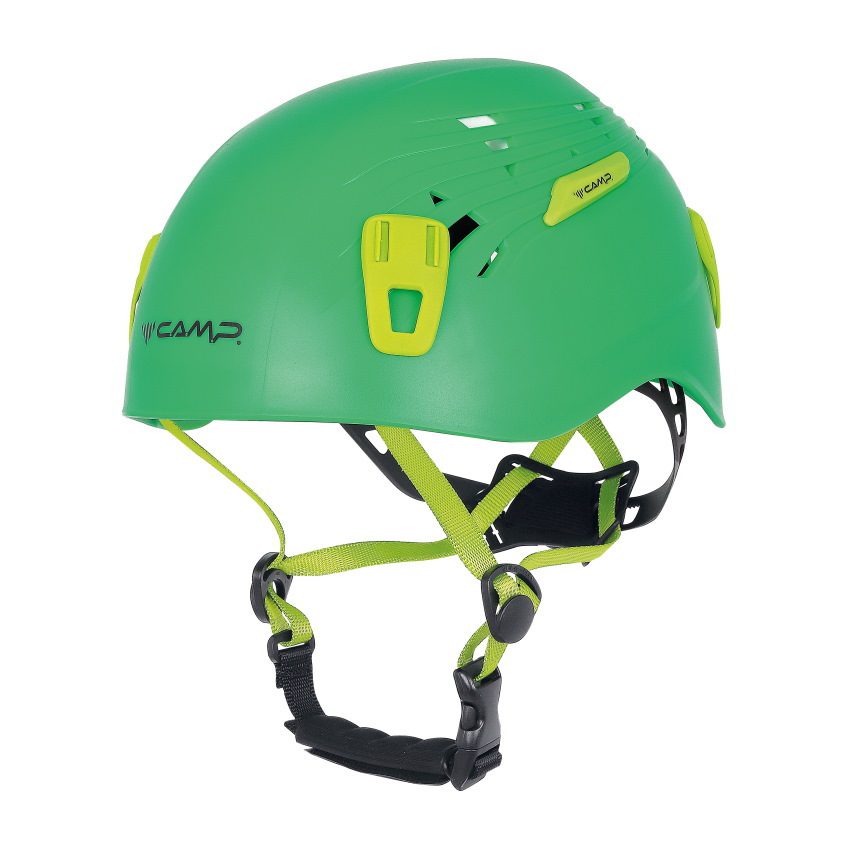
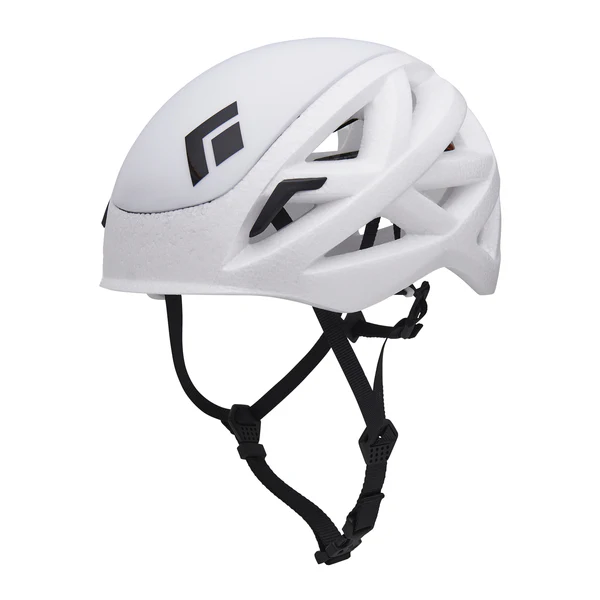
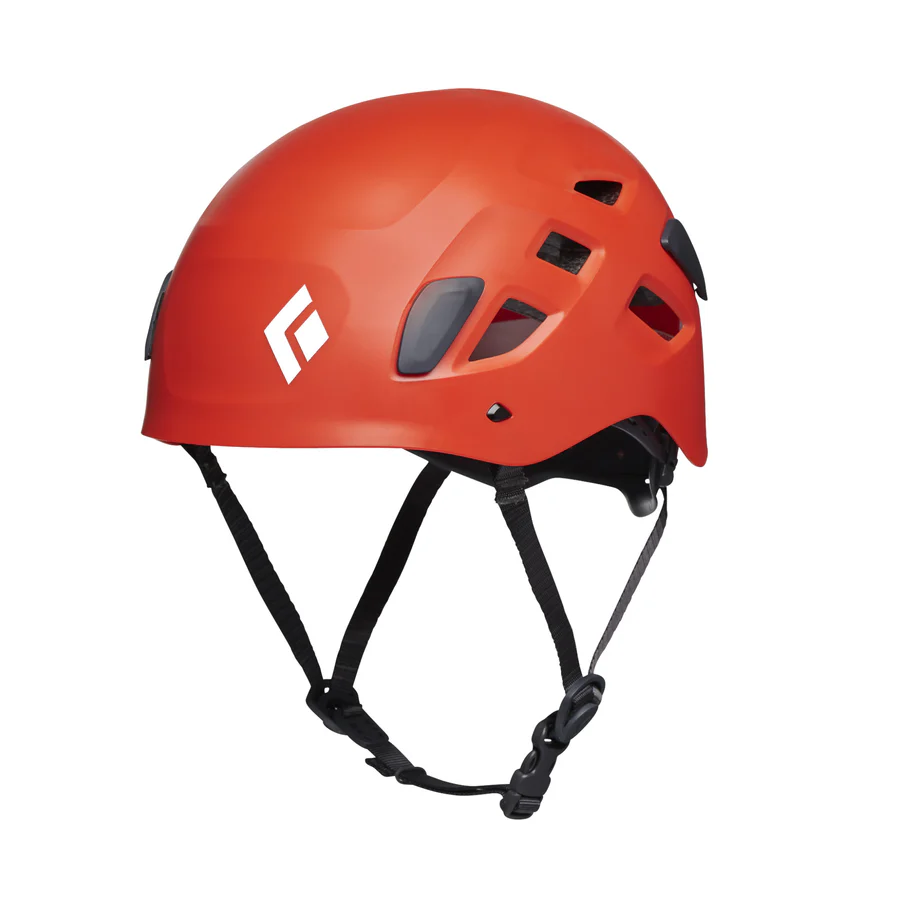
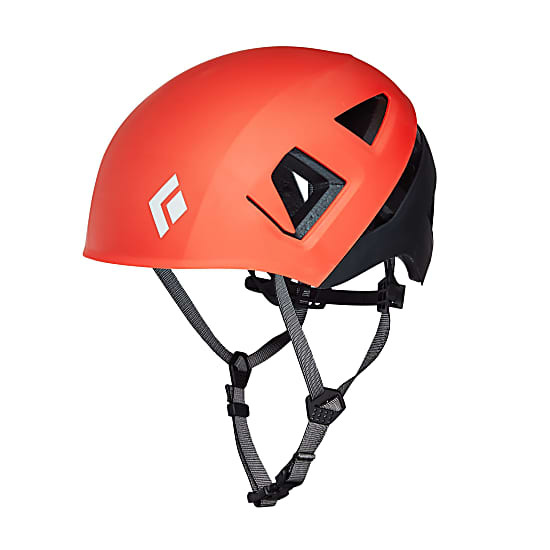
Showing all 23 results

The Questions Worth Asking Before You Buy a Climbing Helmet

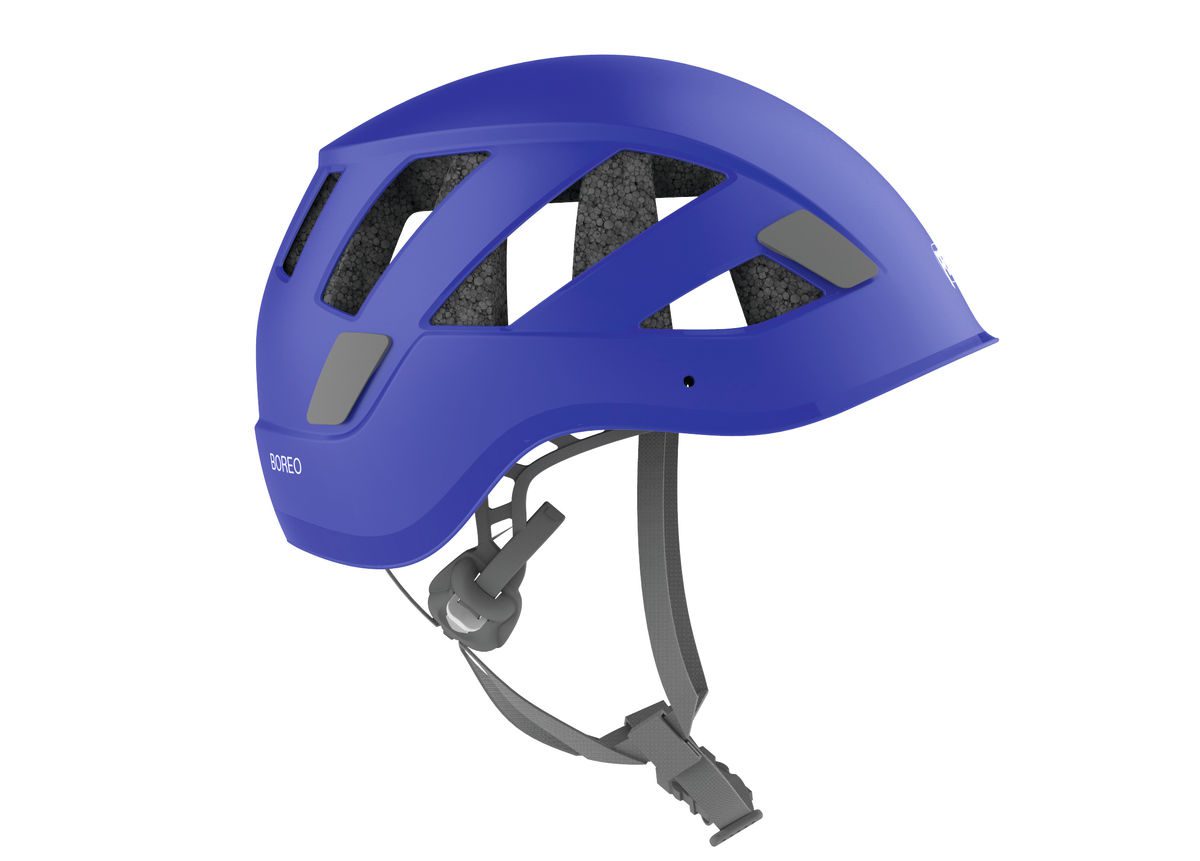
Usually, yes. The core job stays the same, but the best choice changes with the environment and how often the helmet gets used. Offtrack’s own climbing guidance frames helmet choice around activity and skill level, with more emphasis on lightweight comfort for all-day personal use versus tougher, more durable options for frequent knocks, instruction, and repeated group use.

That depends on where and how you climb. If you are climbing outdoors and want something comfortable enough to keep on all day, lighter helmets can make sense because people are more likely to wear them consistently. If you are instructing, guiding beginners, or using helmets in programs where gear gets handled hard, durability becomes a bigger factor. Offtrack’s climbing research makes that trade-off explicit rather than pretending one option wins in every case.

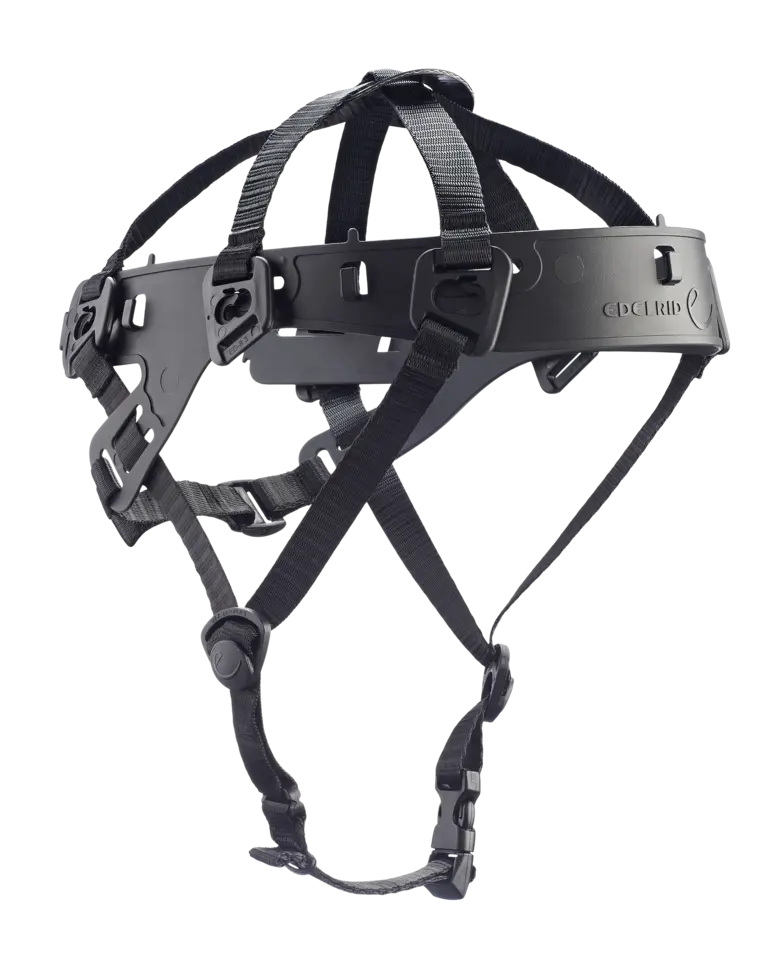
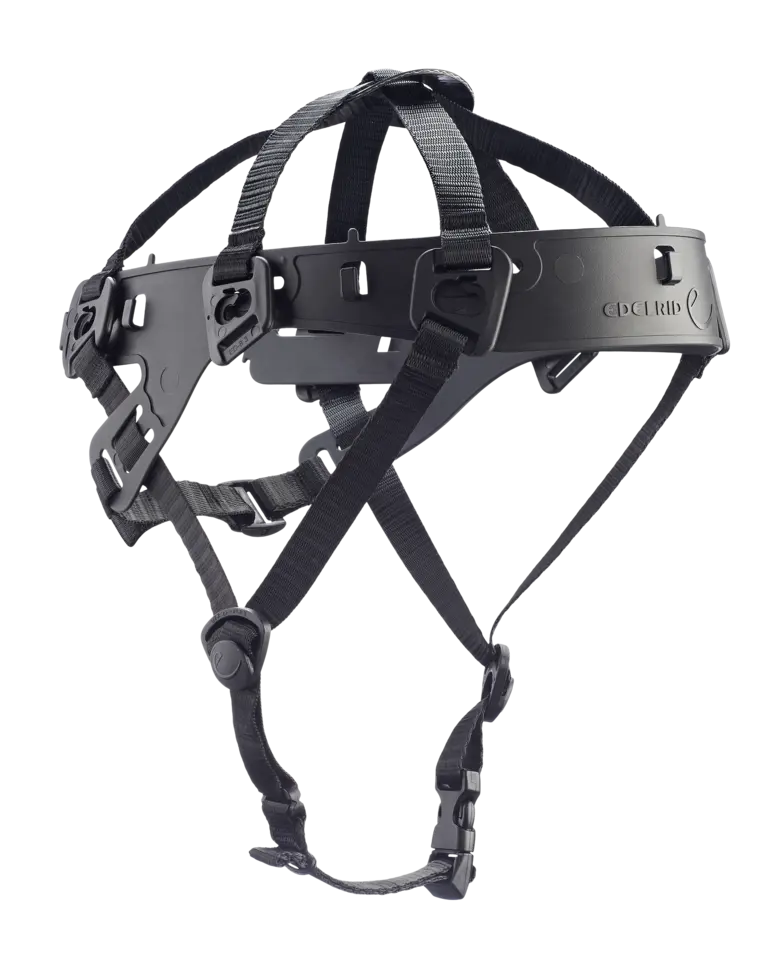
It should sit securely, feel stable, and adjust cleanly at the headband and chin strap without creating pressure points. A helmet that shifts around is not the right fit, but one that feels so tight you want to take it off quickly is not a great answer either. Offtrack’s climbing guidance consistently ties helmet recommendations to proper fit and safe adjustment, not just brand or style.

In most cases, yes, far more than older assumptions suggest. Offtrack’s research notes that modern helmets have improved enough in comfort and weight that there is less reason to leave them hanging off the harness instead of wearing them. That matters because the safest helmet is the one that actually stays on your head when there is rockfall potential or dropped gear overhead.

The decision usually shifts toward durable, repeatable, easy-to-fit options rather than the lightest specialist model. Offtrack’s business positioning and climbing research both point to strong experience with outdoor education programs, novice users, and group outfitting, which is relevant here because helmets for institutional use need to hold up to repeated fitting, mixed user experience, and heavier handling. That is also why options like multi-pack helmets make sense in this category.

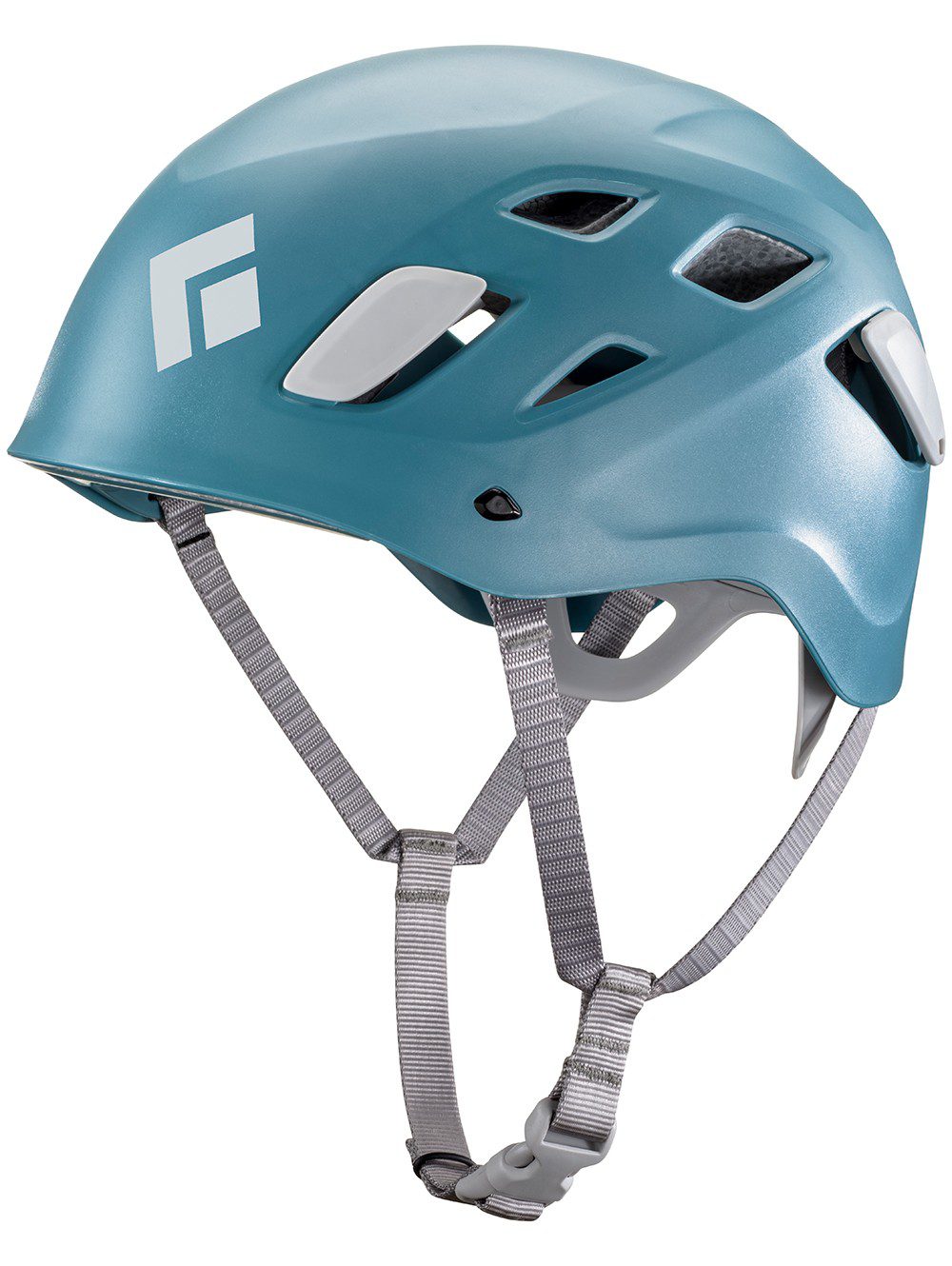
Not really, and Offtrack’s overall gear philosophy pushes against that idea. Their research repeatedly positions the business as comparing products by application rather than treating one brand as universally best. For climbing helmets, that means the better question is whether you need lighter weight, more robust construction, junior sizing, women’s-specific fit options, or group-buying practicality.

Loadding...