The Tent Questions That Usually Decide What You Actually Buy
How do I know whether I need a lightweight hiking tent or a roomier camping tent?
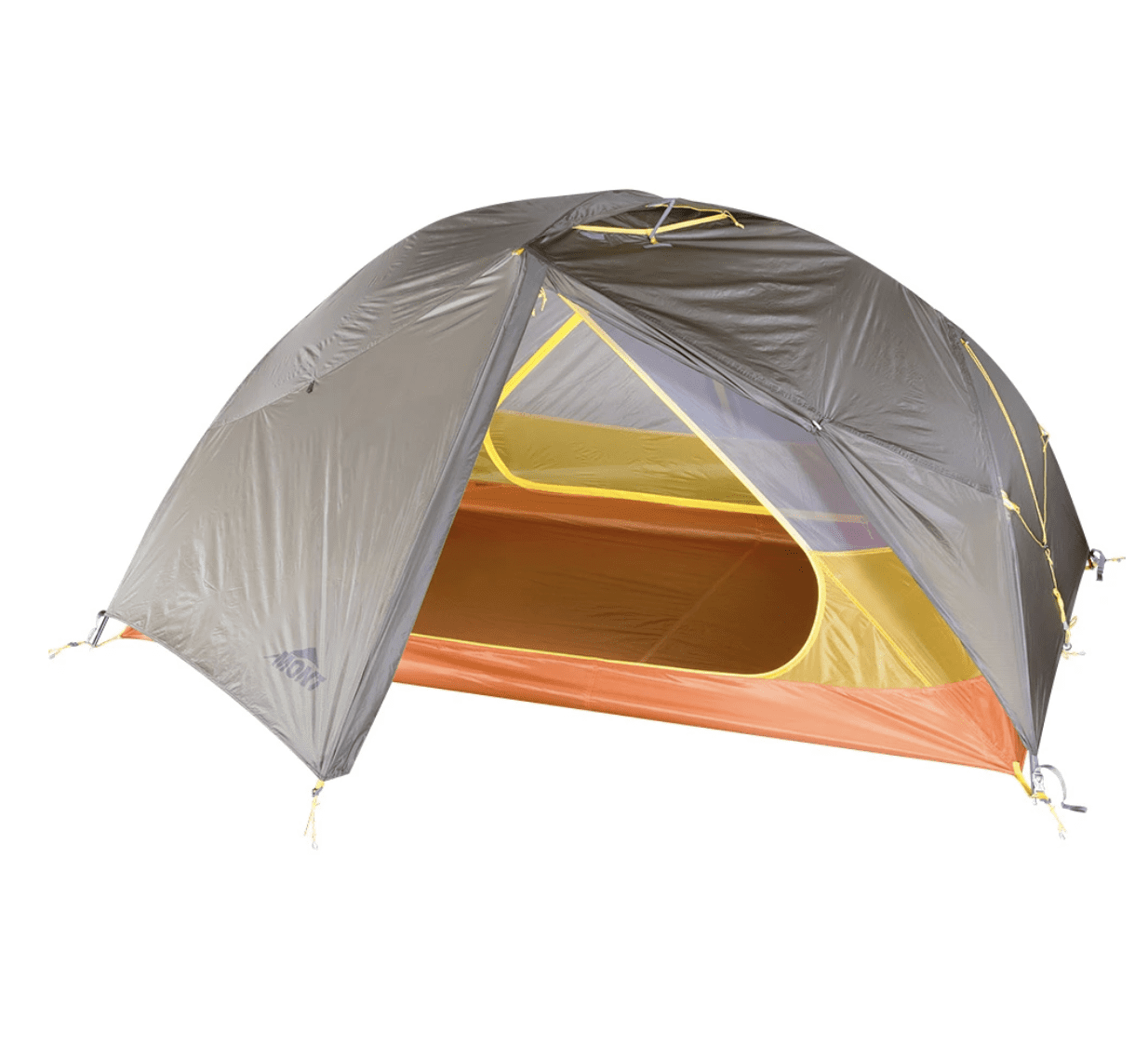
Start with how far you need to carry it, how many people are sleeping in it, and what sort of weather you expect. Offtrack’s own camping guidance frames tent recommendations around intended use, season, weather, group size and budget, which is the right way to approach this category. A family campground setup usually leans toward more internal space and comfort. A solo or two-person hiking trip usually shifts the decision toward lower weight and packability. On the live Offtrack tents category, that spread is visible in the range itself, with models from brands such as NEMO, MSR, Mont, Wilderness Equipment, Salewa and Hyperlite Mountain Gear rather than one narrow tent style. The category currently shows 89 results, which means this page is built for comparison-led shopping rather than one-size-fits-all buying.
What usually changes your tent recommendation first: season, weight, or comfort?
Season and conditions usually come first, because they narrow the field faster than anything else. Offtrack’s research material explicitly points to the difference between a family summer campsite and a solo winter trek, where the first may suit a spacious, ventilated multi-room or comfort-focused tent, while the second points toward a lighter, more weather-ready shelter. Weight still matters, but it only matters after the shelter is suitable for the trip. Comfort also matters, especially for car camping and group use, though it tends to become less dominant once the tent has to be carried for long distances.
Do I need a 4-season tent, or am I looking at the wrong category for that?
For many buyers, yes, this is exactly the point where the choice splits. The live Offtrack navigation separates “Tents” from “Tents (4 Season)”, which signals that standard tent browsing and winter-specific shelter browsing are treated as different needs on the site. If your trips are mostly three-season camping, general bushwalking, or fair-weather overnighters, the standard tents category is likely the better starting point. If you are planning alpine, snow, harsher exposed conditions, or true winter use, the dedicated 4-season section is probably where the shortlist should begin. Offtrack’s own guidance also distinguishes between fair-weather and more rugged, mountaineering-style shelter decisions rather than blending them together.
Why are there such big price differences between tents that look similar on the page?
Because tents that appear similar at a glance often solve very different problems. On the current page, you can see prices stretching from discounted Wilderness Equipment tents such as the Space 1 Tent and Space 2 Tent through to premium ultralight and specialist shelters such as the NEMO Dagger OSMO 2P Tent, MSR Front Range Bug / Floor Insert, and Hyperlite Mountain Gear Mid 1 Shelter Tent. That usually reflects differences in weight, materials, weather resistance, intended terrain, and overall shelter design. Offtrack’s broader product philosophy is to match gear to the actual trip rather than claim one brand or one style is best at everything, so the price spread on this category page is consistent with how the business positions its range.
What is the better choice for beginners or school and group trips?
For beginners, schools, and organised outdoor programs, the recommendation usually shifts toward reliability, ease of setup, durability, and suitability for the environment rather than the lightest possible spec sheet. Offtrack serves both direct consumers and institutional buyers such as schools, scouts and outdoor education groups, and its documents repeatedly emphasise helping people choose gear that fits the trip rather than chasing a single trend. That usually means a first tent recommendation is less about shaving grams and more about getting a shelter that is straightforward to use, appropriate for the season, and realistic for the people carrying and pitching it.
How much should tent weight actually influence my decision?
A lot for hiking. Much less for campsite comfort. Offtrack’s camping guidance makes the trade-off fairly clear in principle: a solo wilderness trek calls for an easier-to-carry shelter, while a family campground trip can justify more room and comfort. The mistake is treating tent weight as the only performance metric. If the shelter is too cramped, poorly suited to expected weather, or frustrating to live in, a low number on the spec sheet will not rescue the trip. Weight becomes more decisive as the carry distance increases. For drive-up camping, interior livability often moves higher up the list.