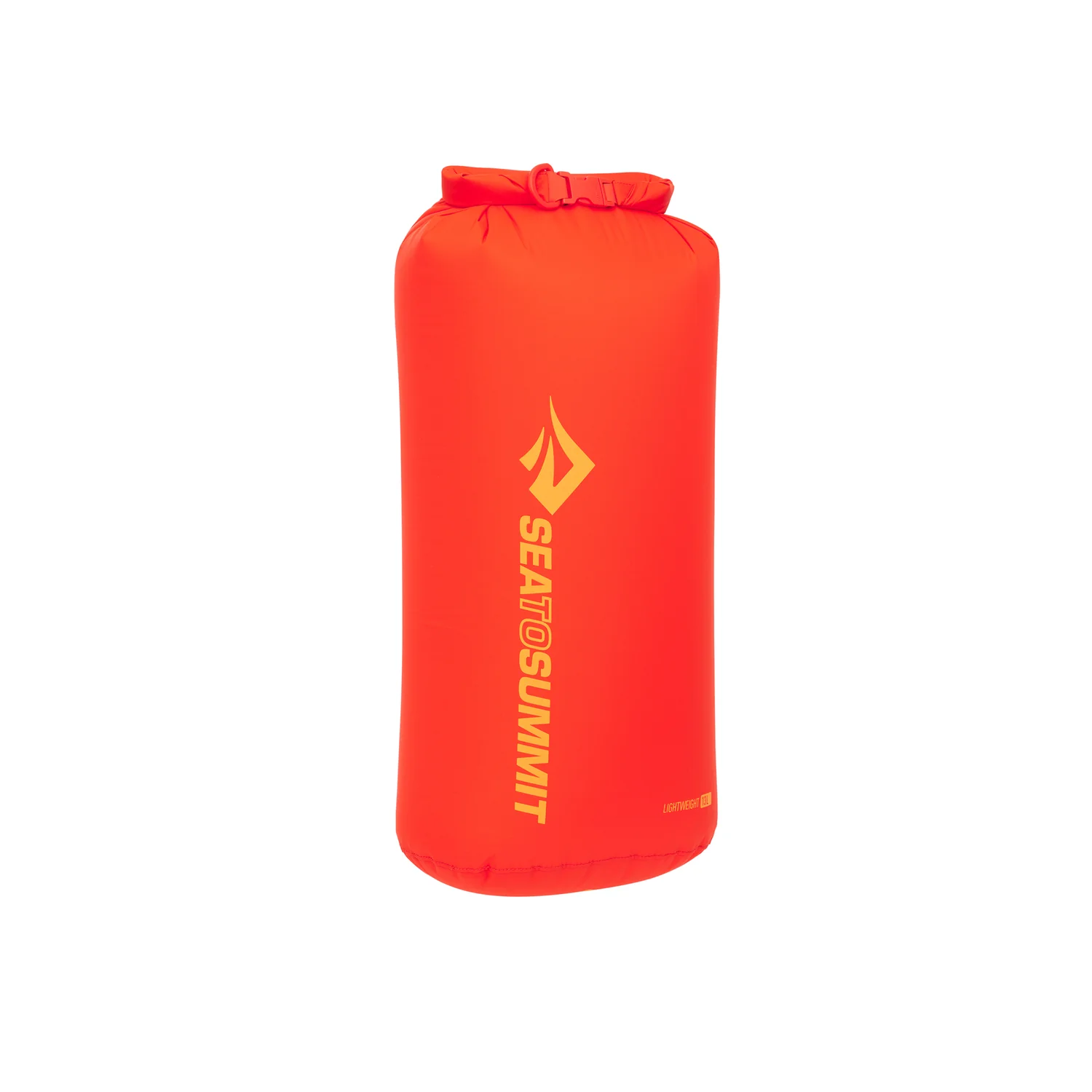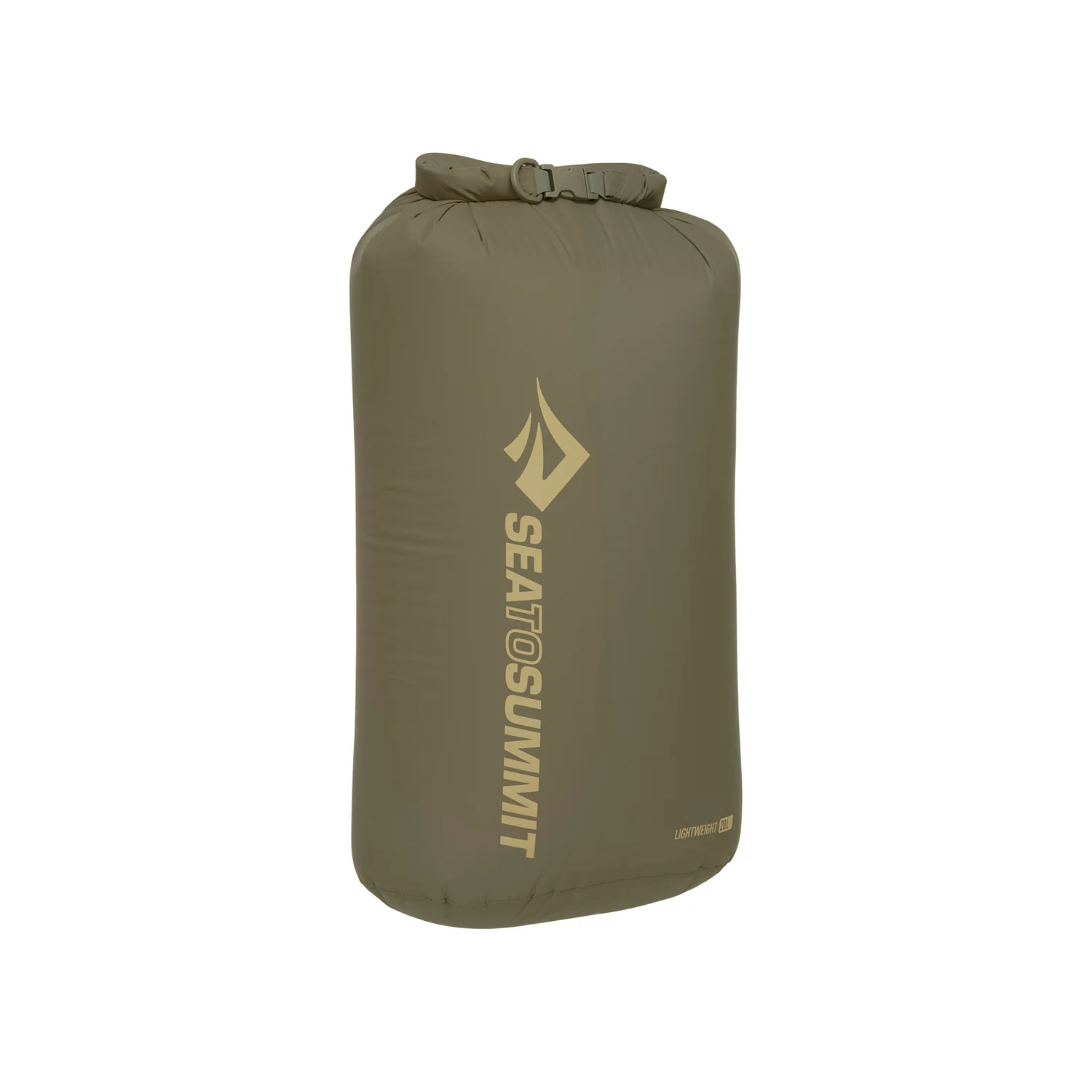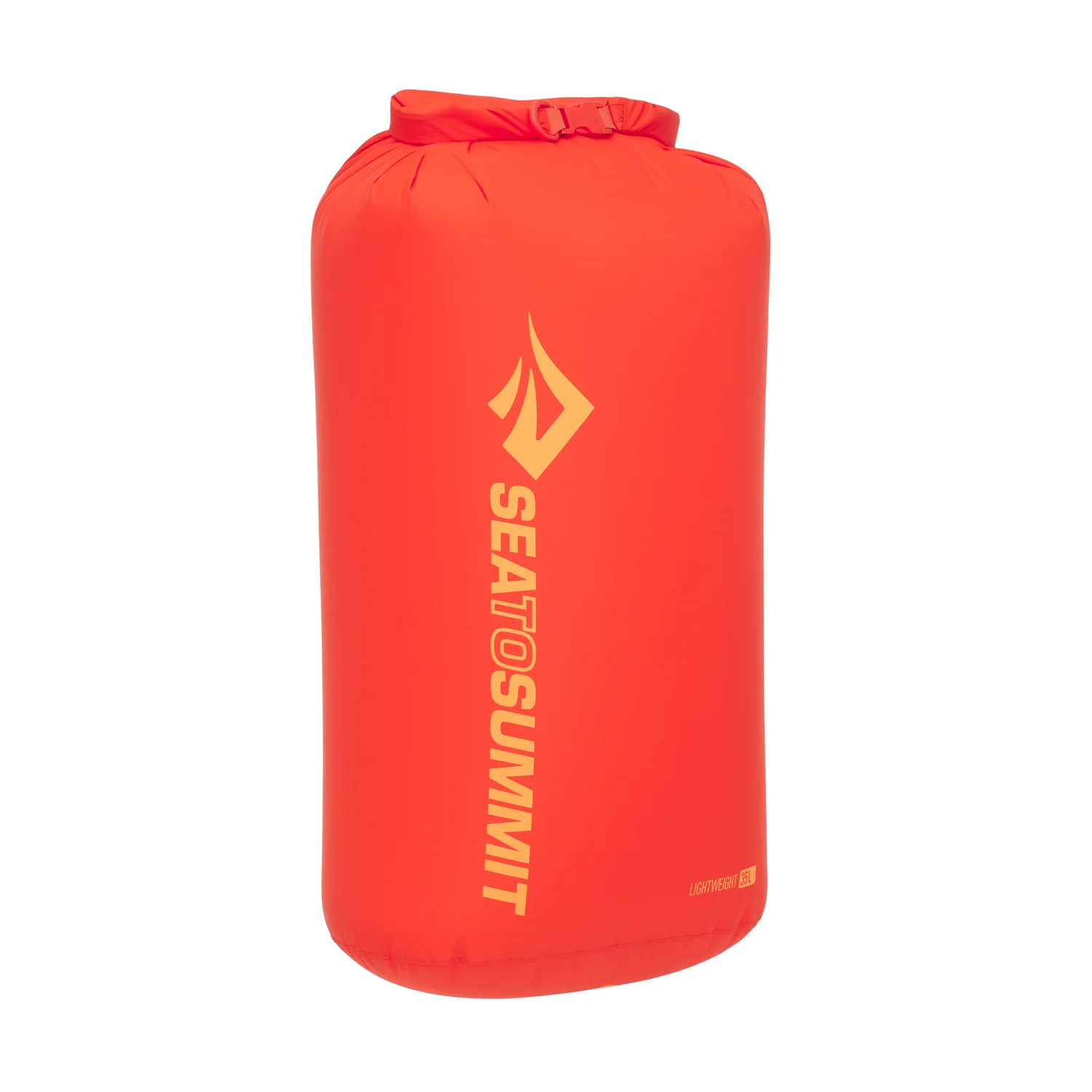
Showing 1–24 of 50 results

The Questions Worth Clearing Up Before You Buy a Dry Bag

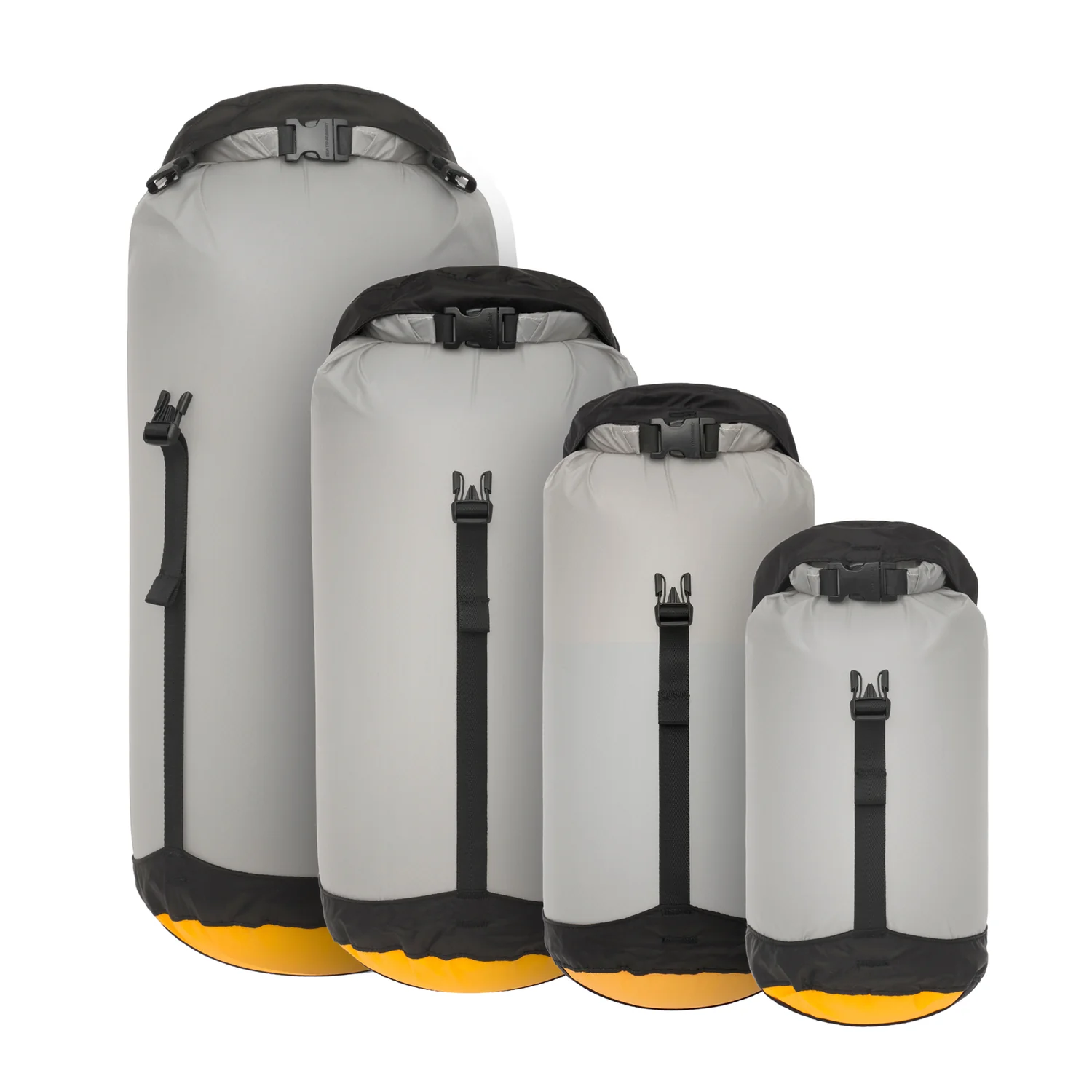
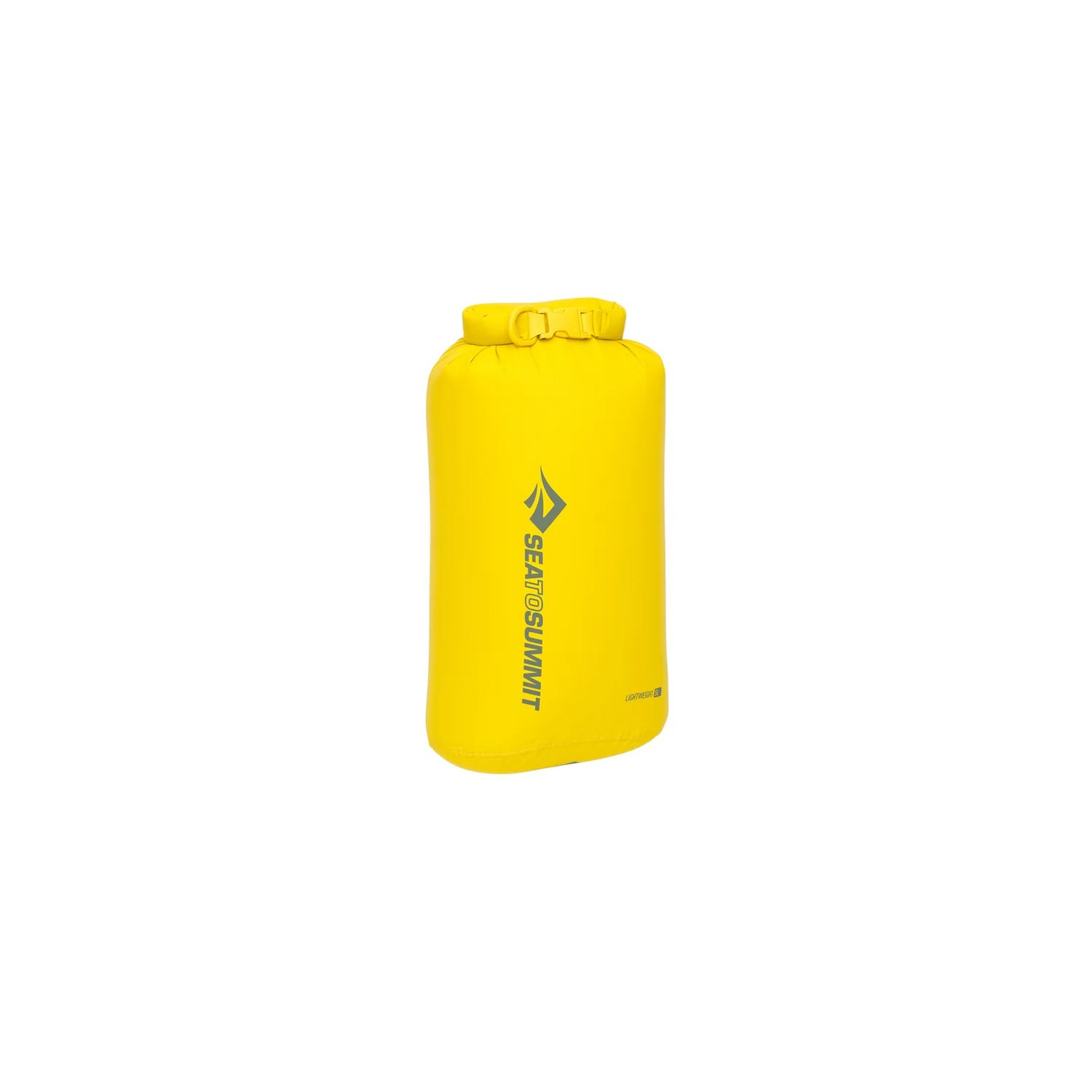
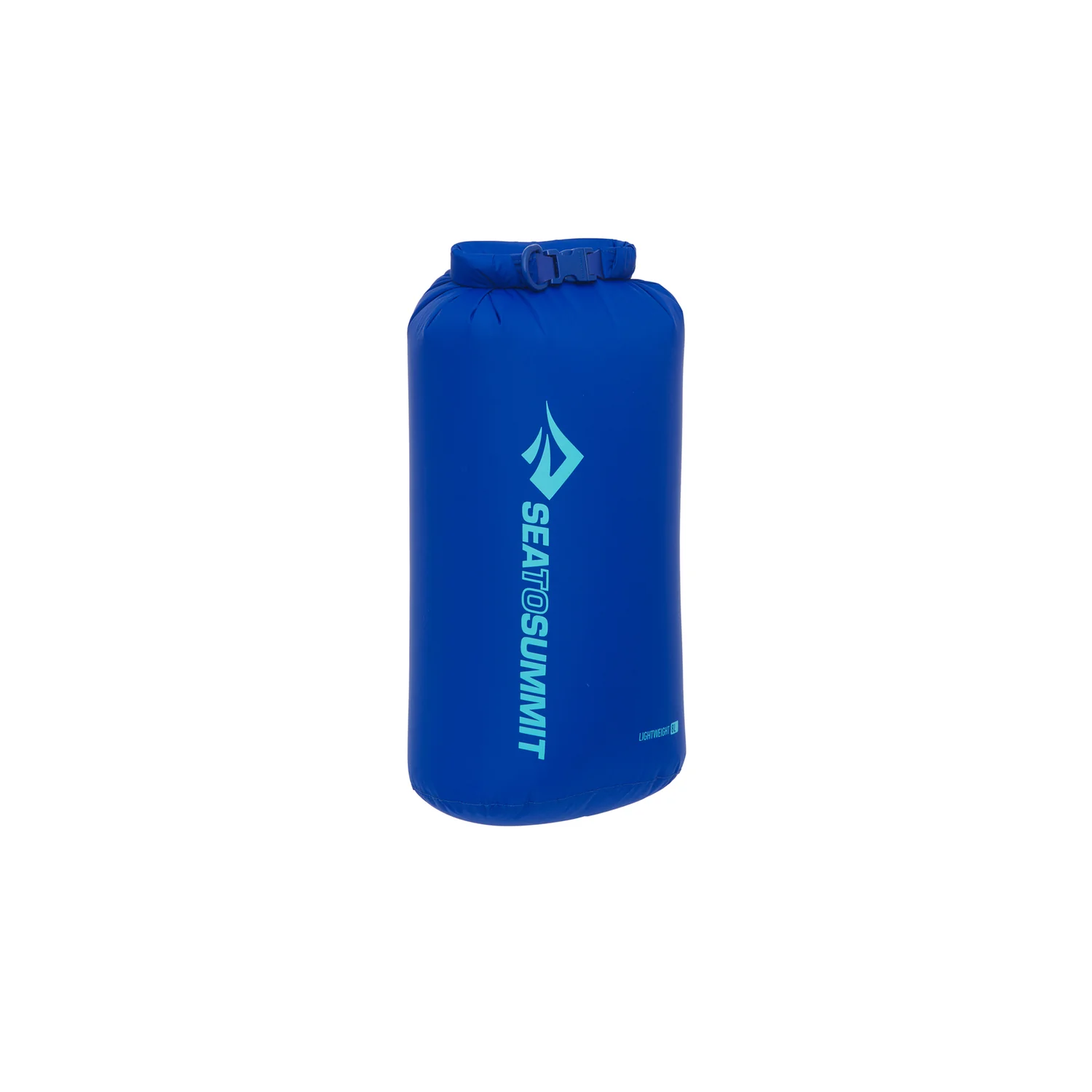
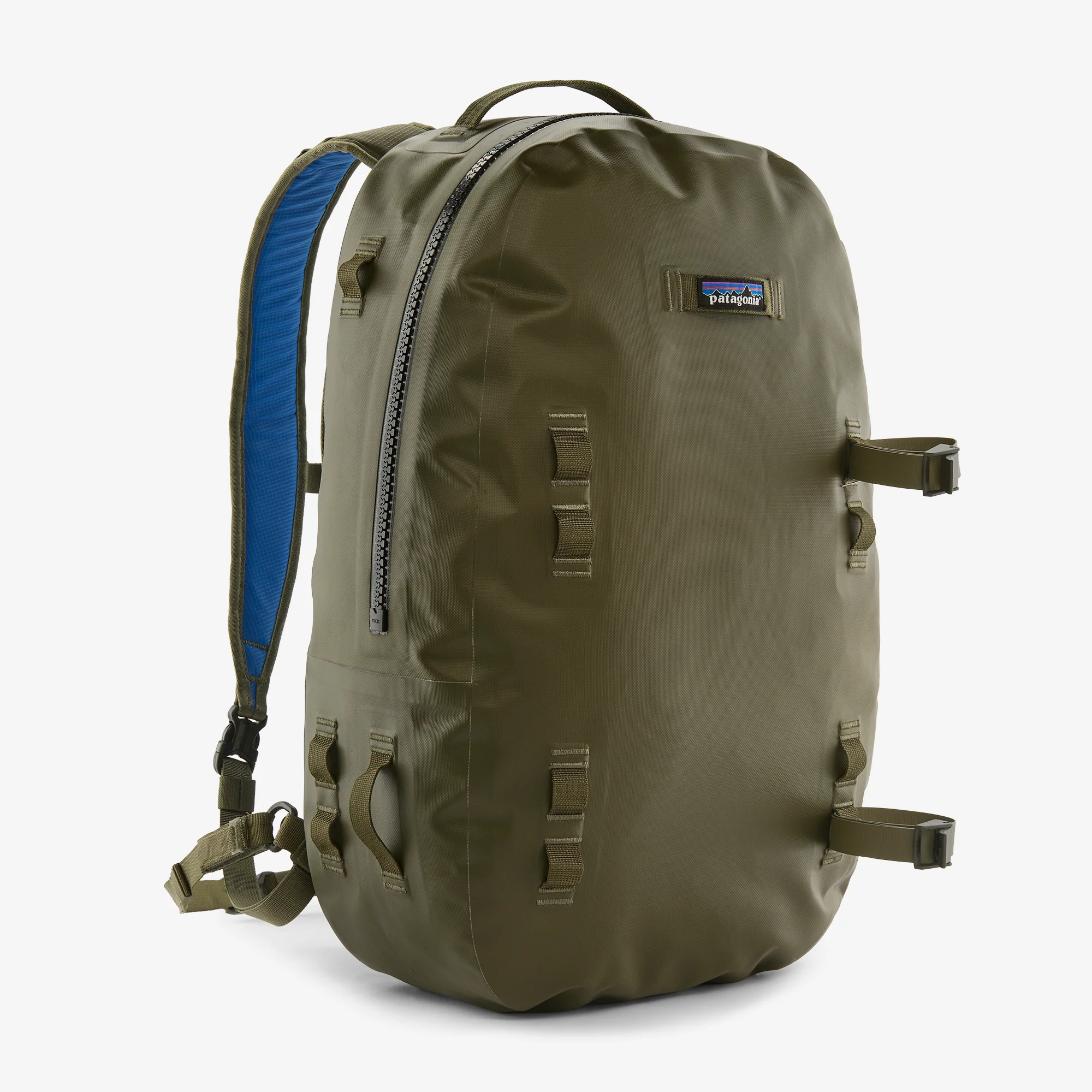
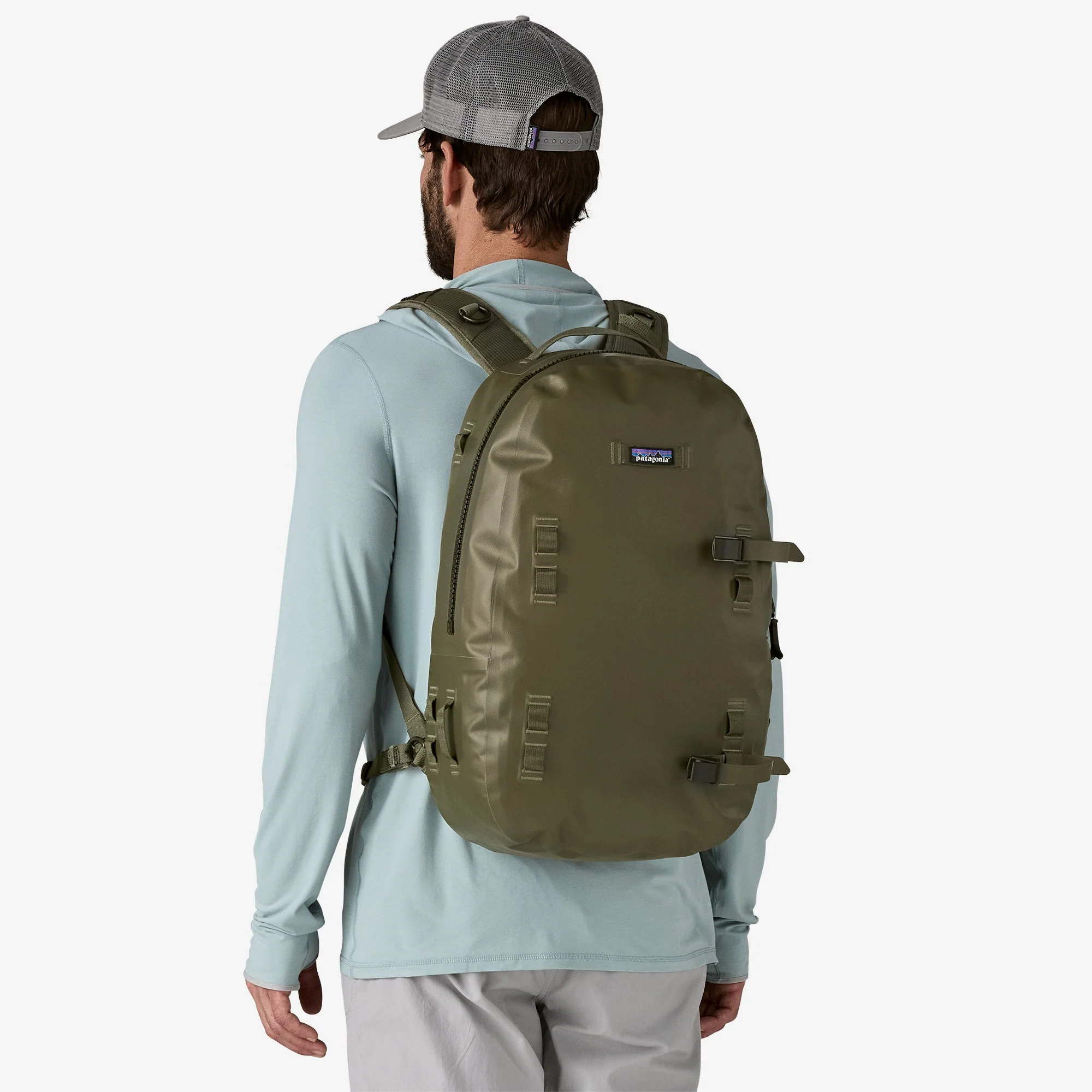
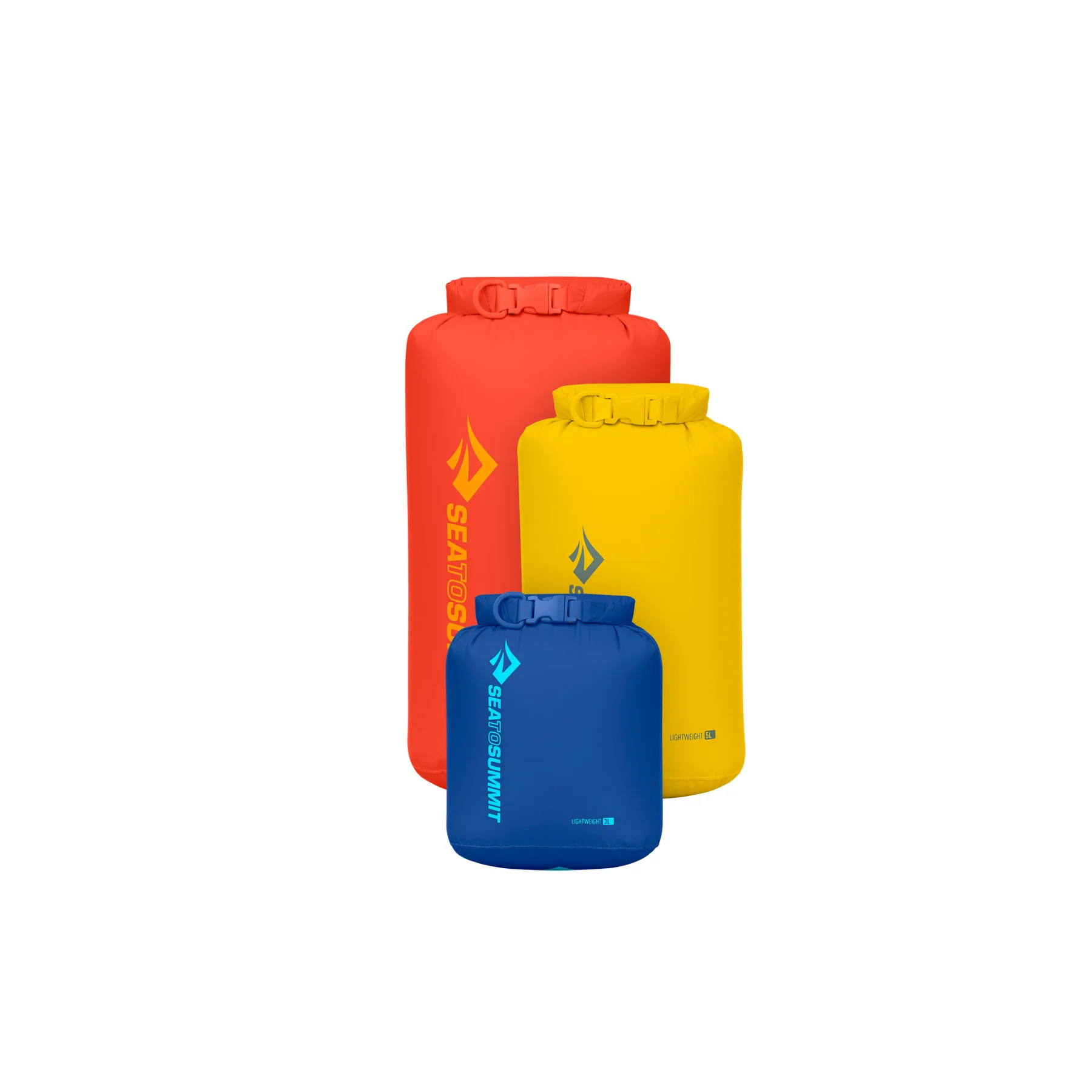
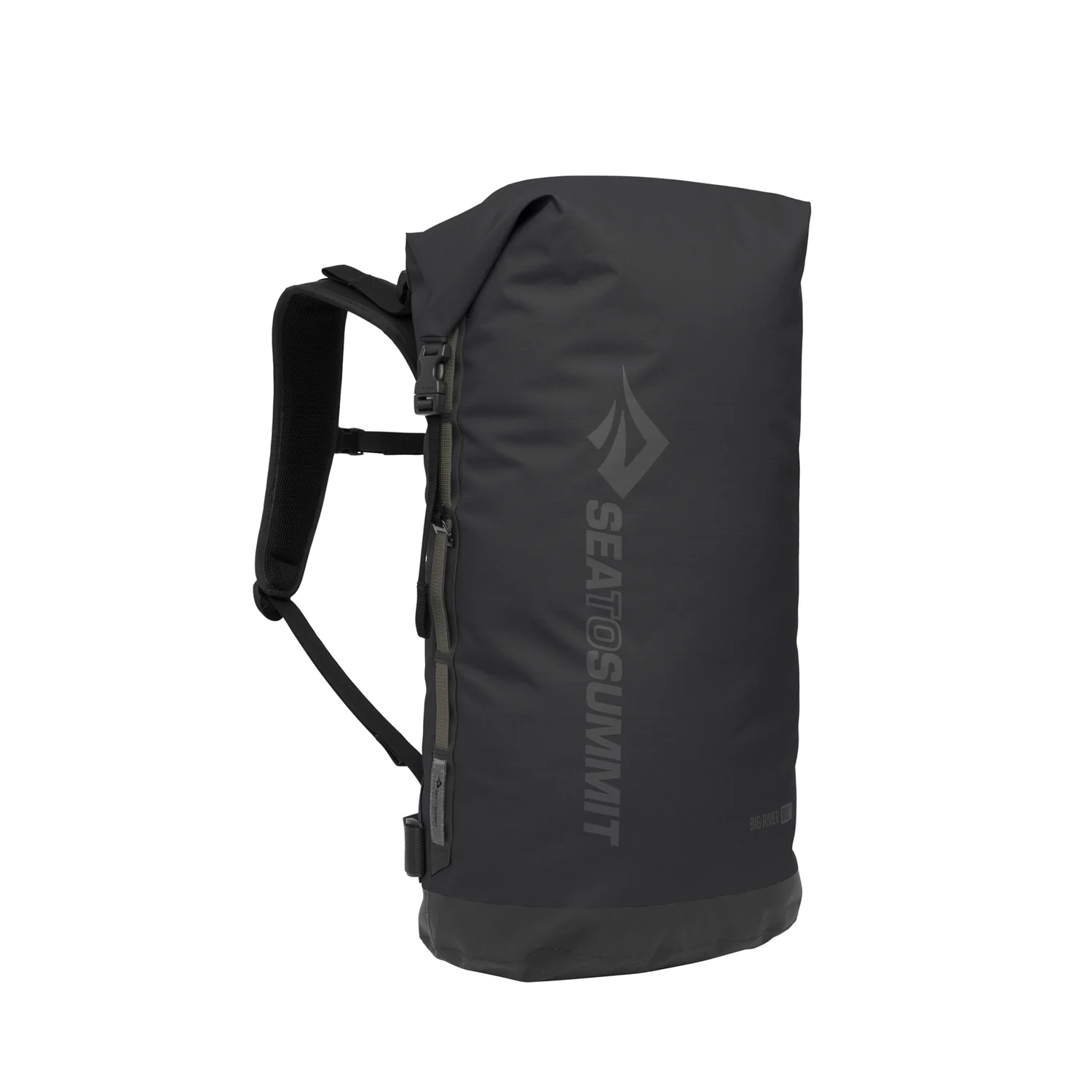
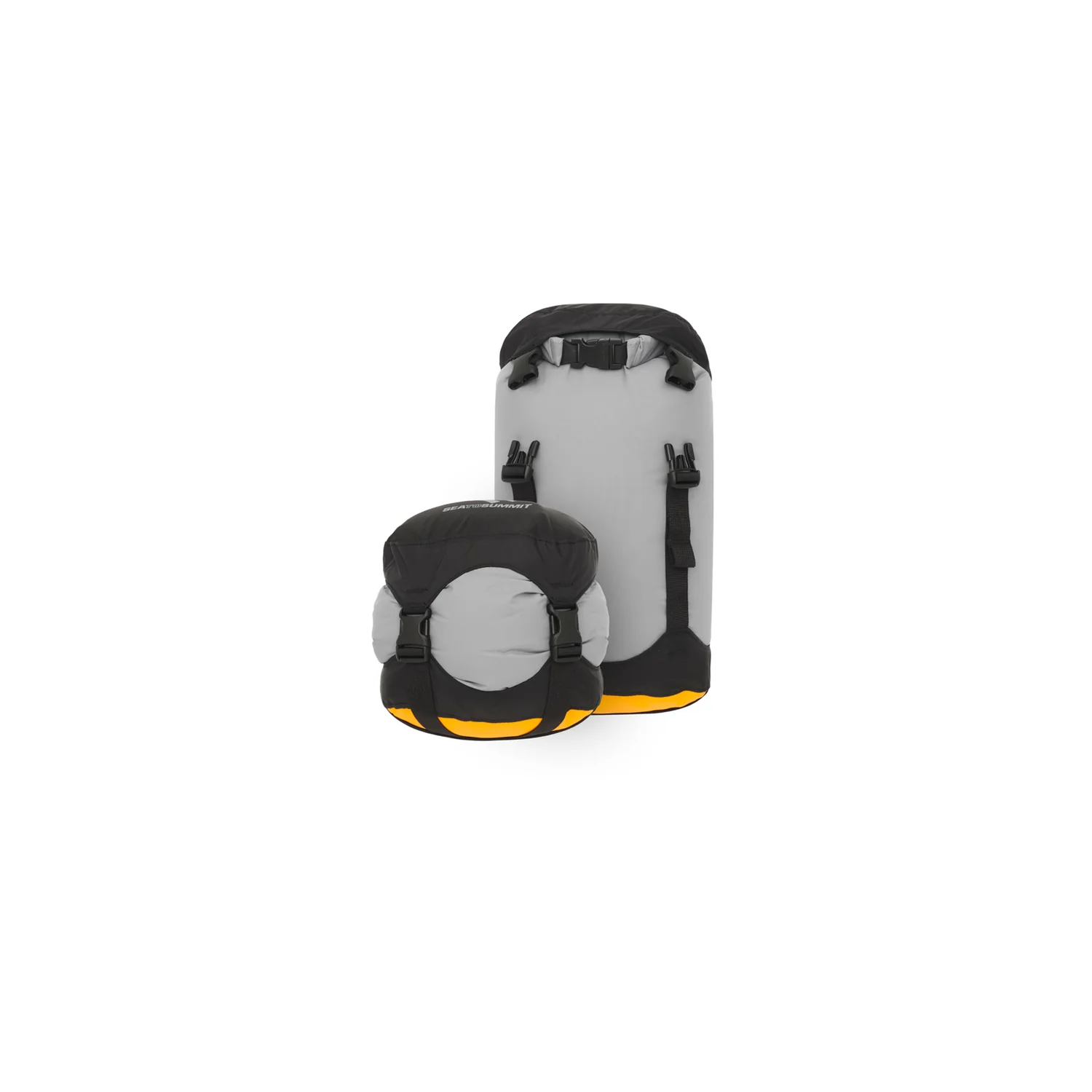
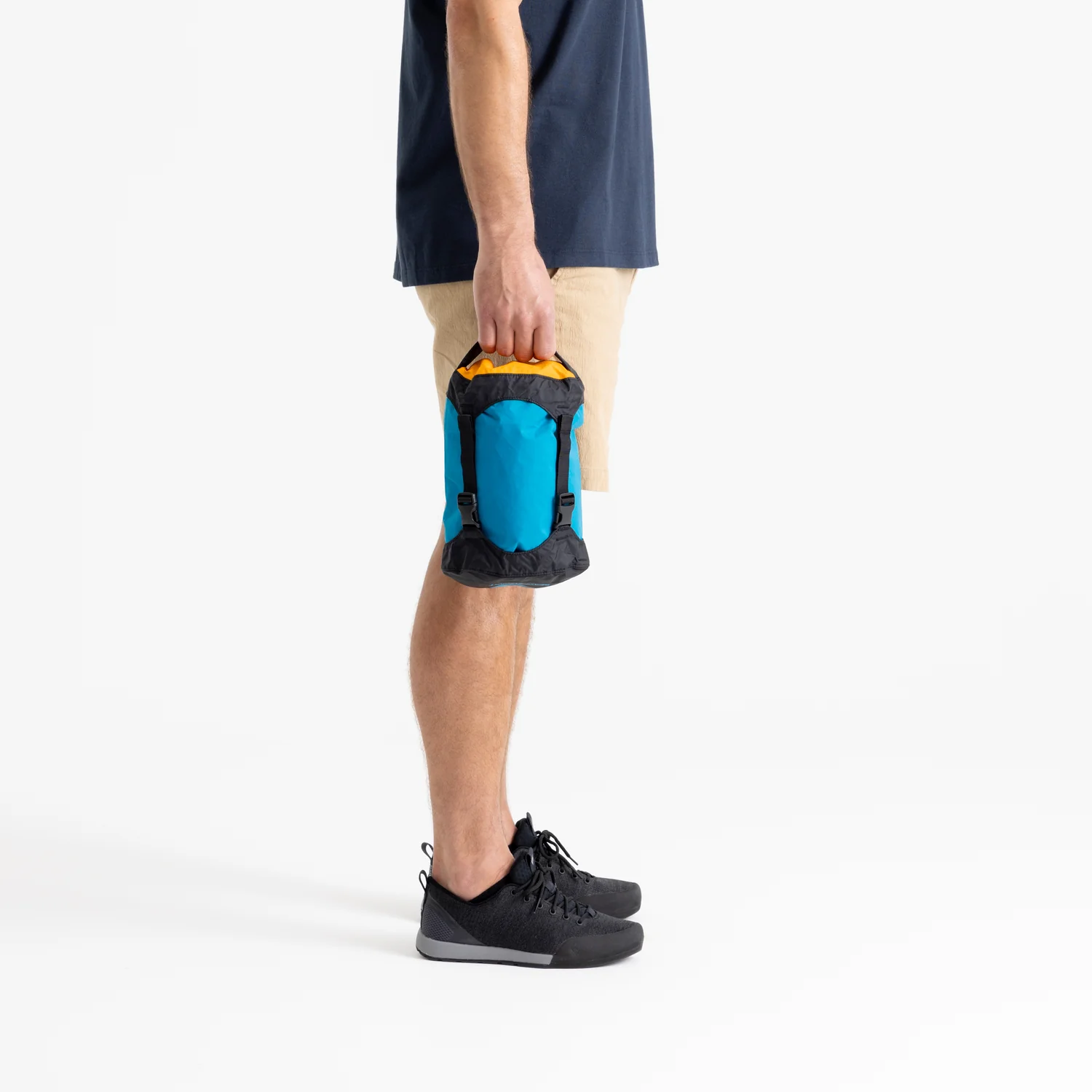
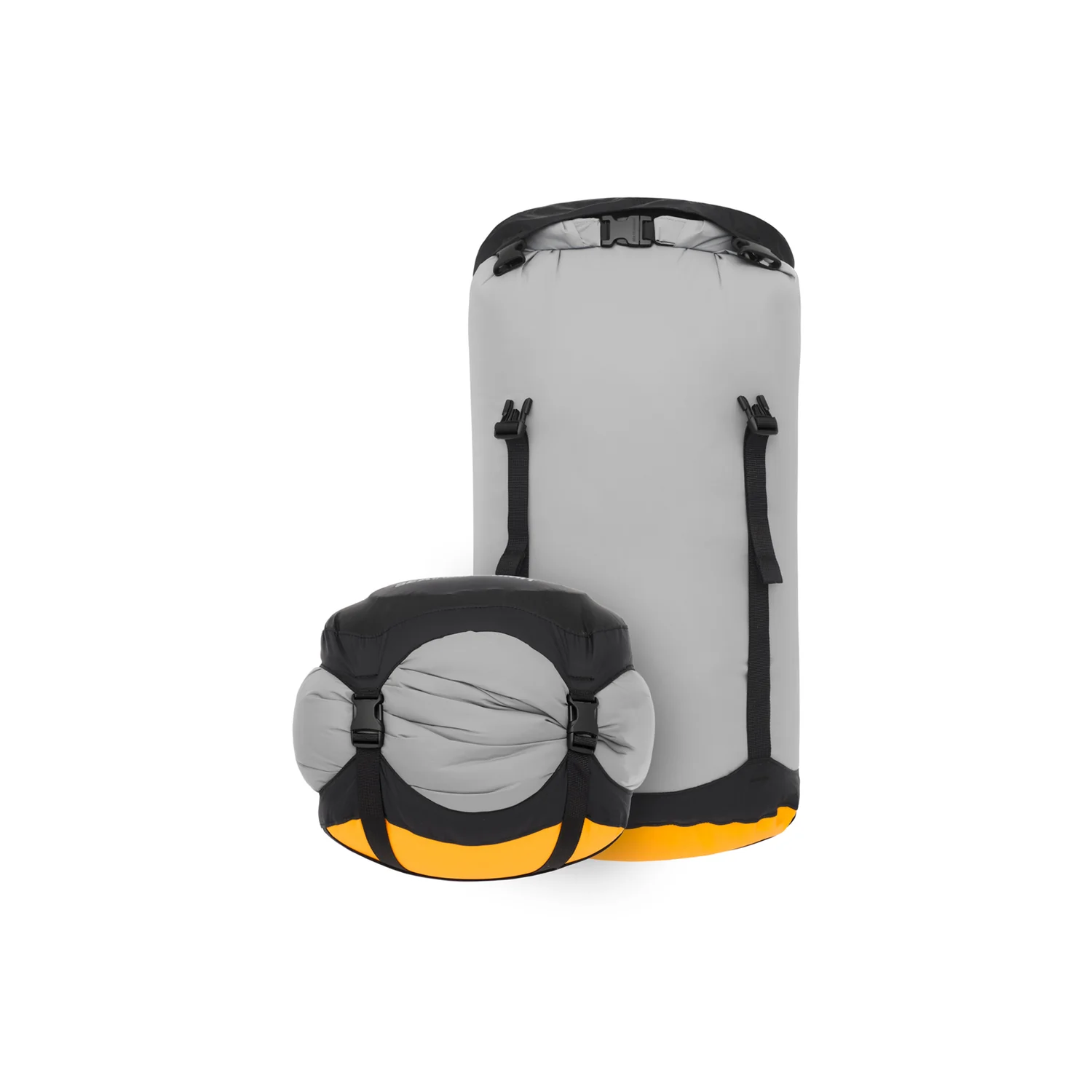
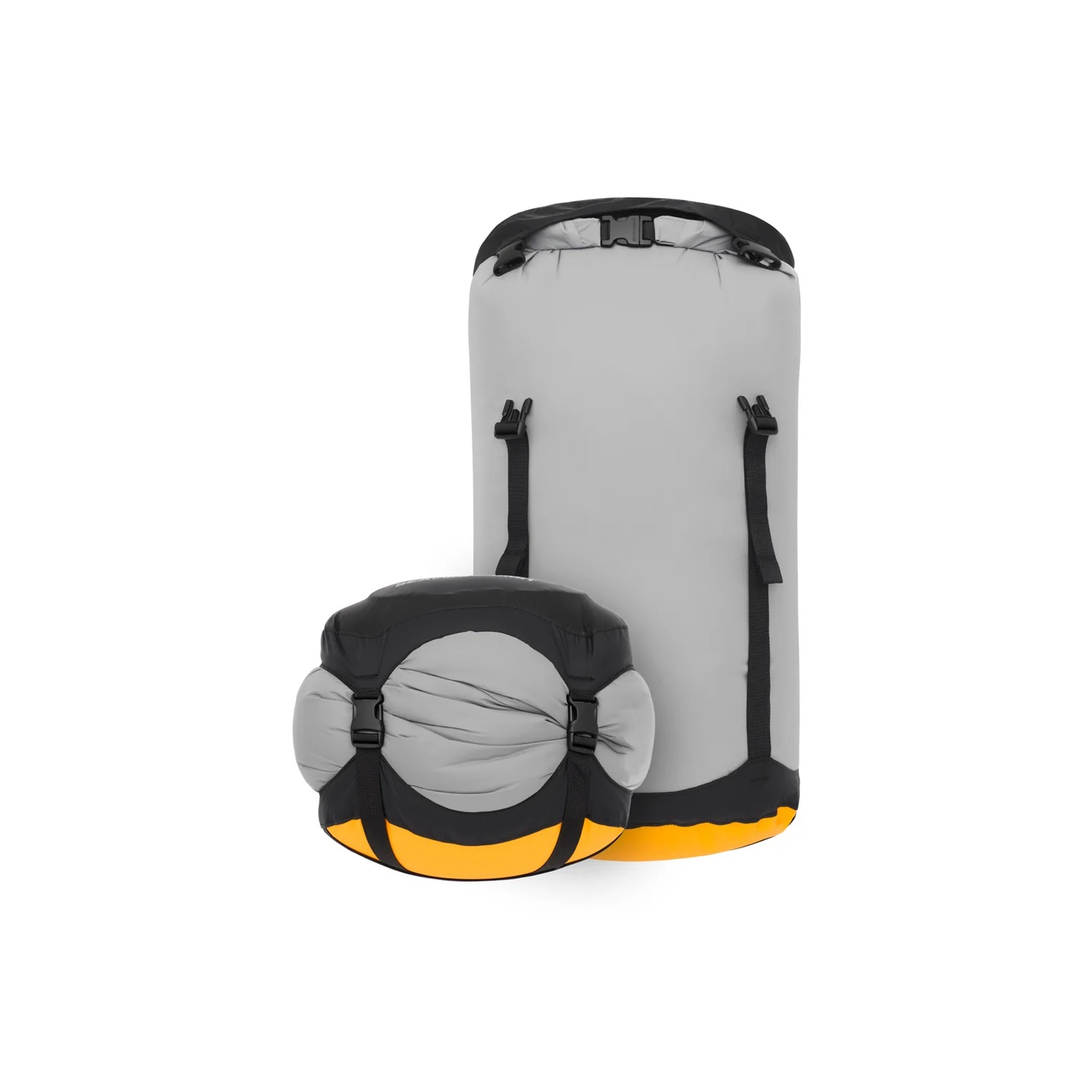
That depends on what you are trying to protect and how you are carrying it. A standard dry bag suits general waterproof storage for clothing, food, or camp gear. A compression dry bag makes more sense when you want to reduce bulk as well as keep gear dry, especially for soft items. A dry backpack is the better fit when the bag itself needs to work as your carrying system. The live Offtrack category shows all three types, including Lightweight Dry Bags, Evac Compression Dry Bags, and Big River Dry Backpacks.

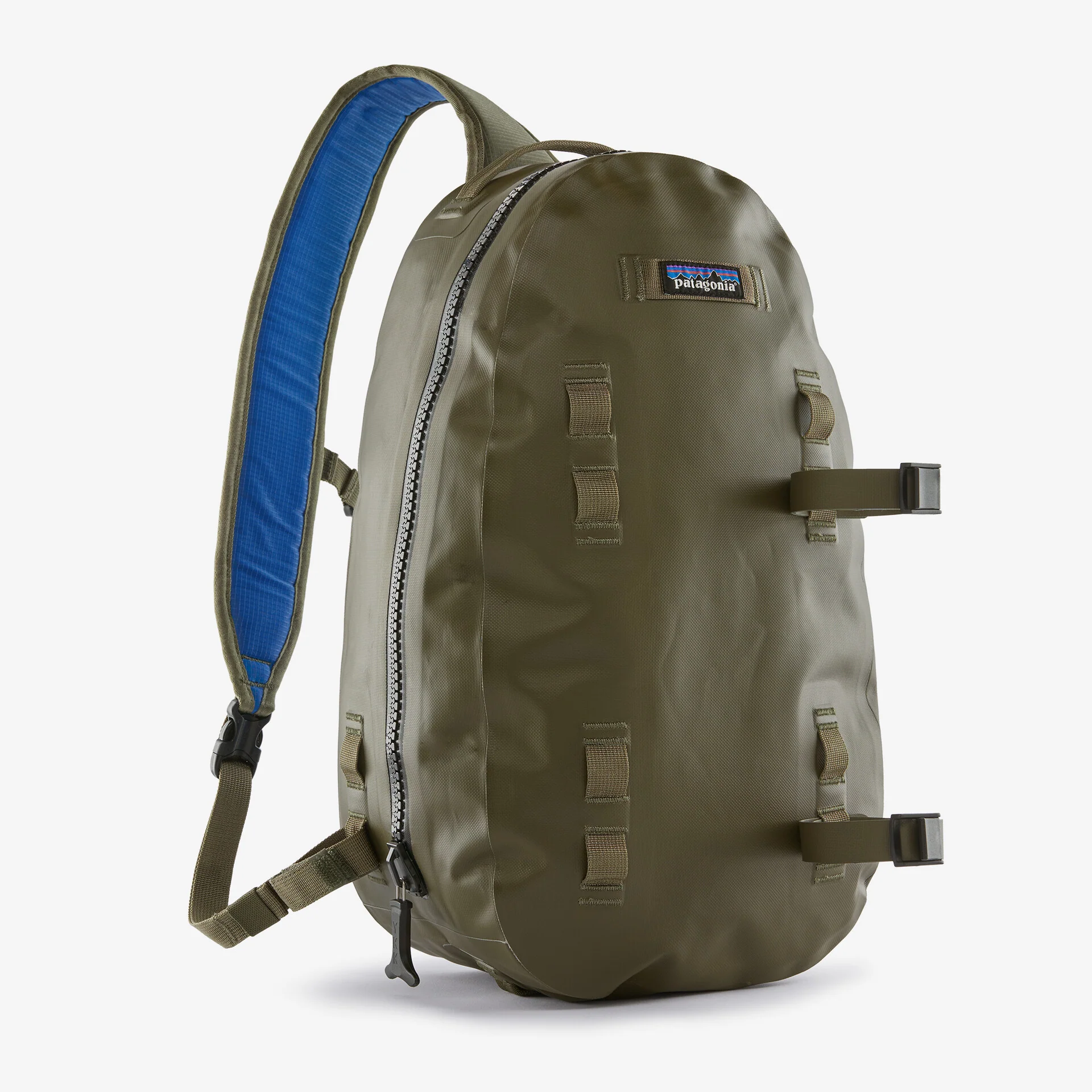
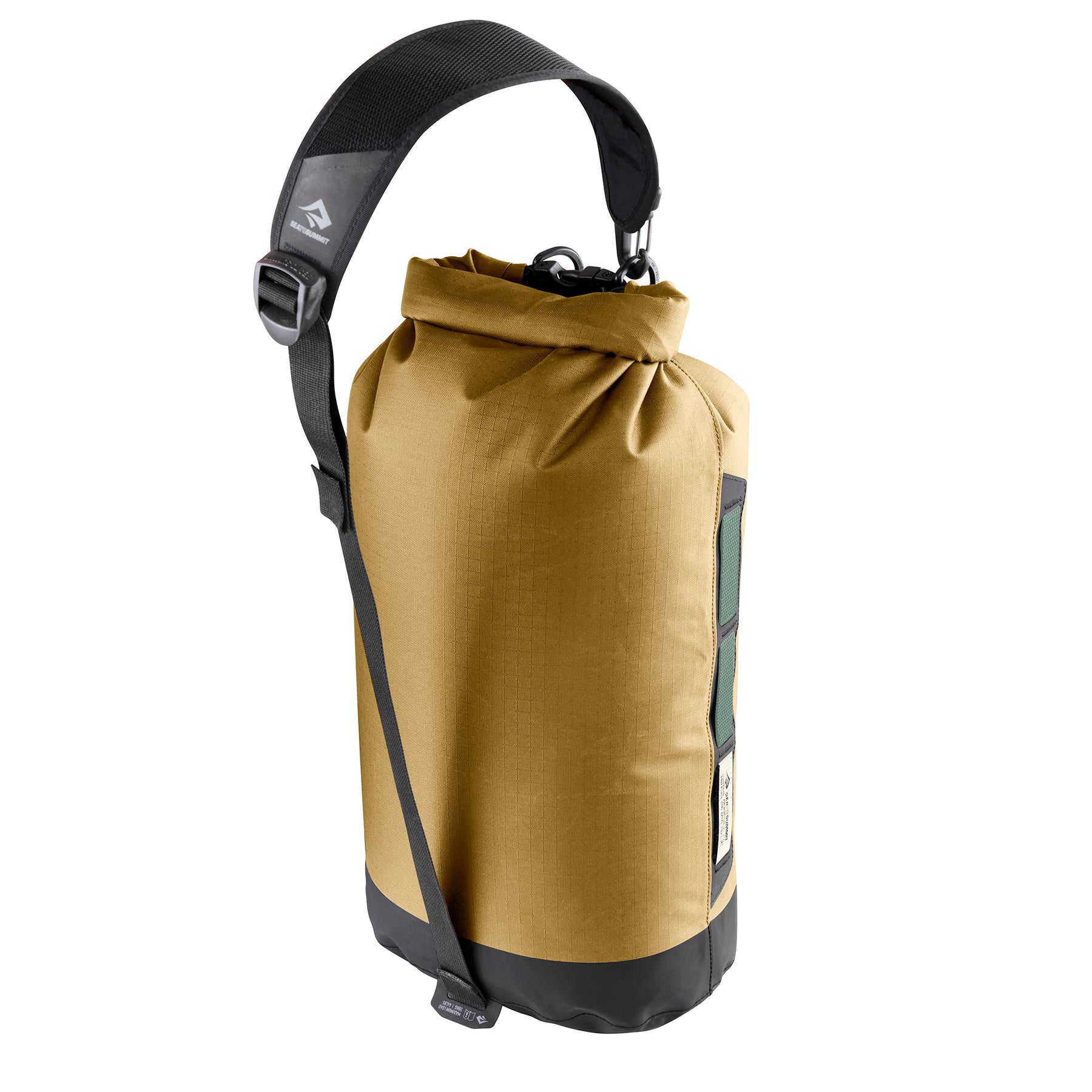
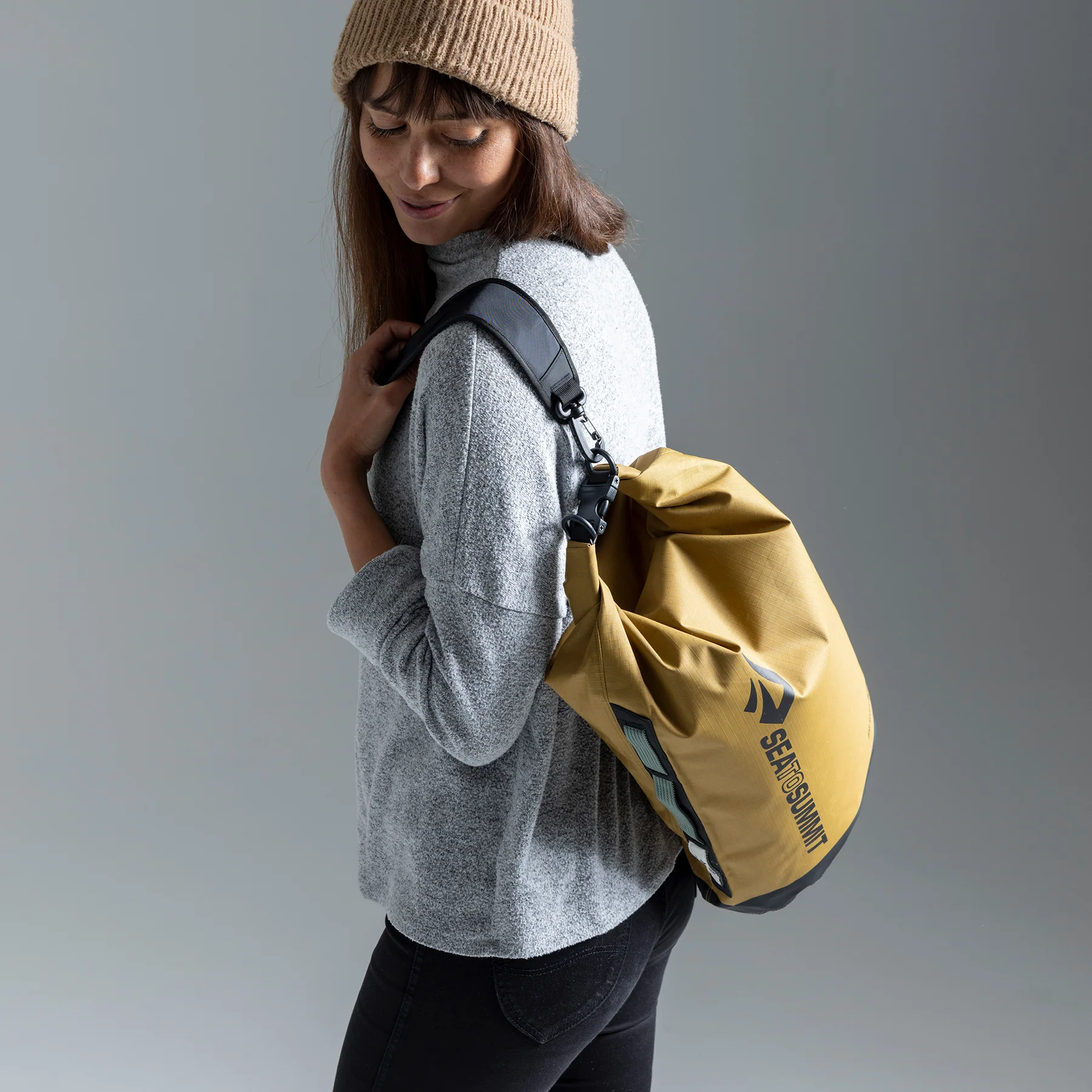
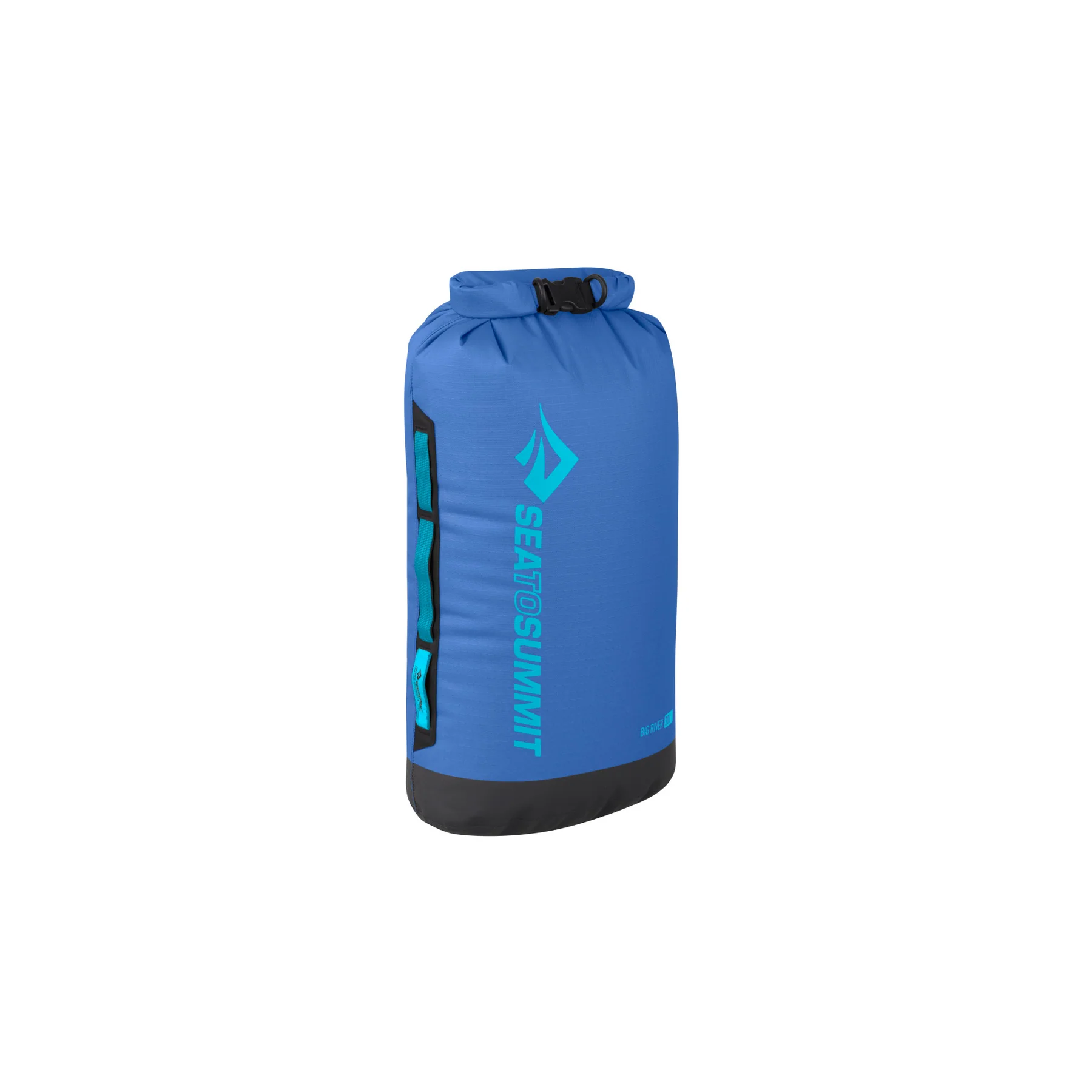
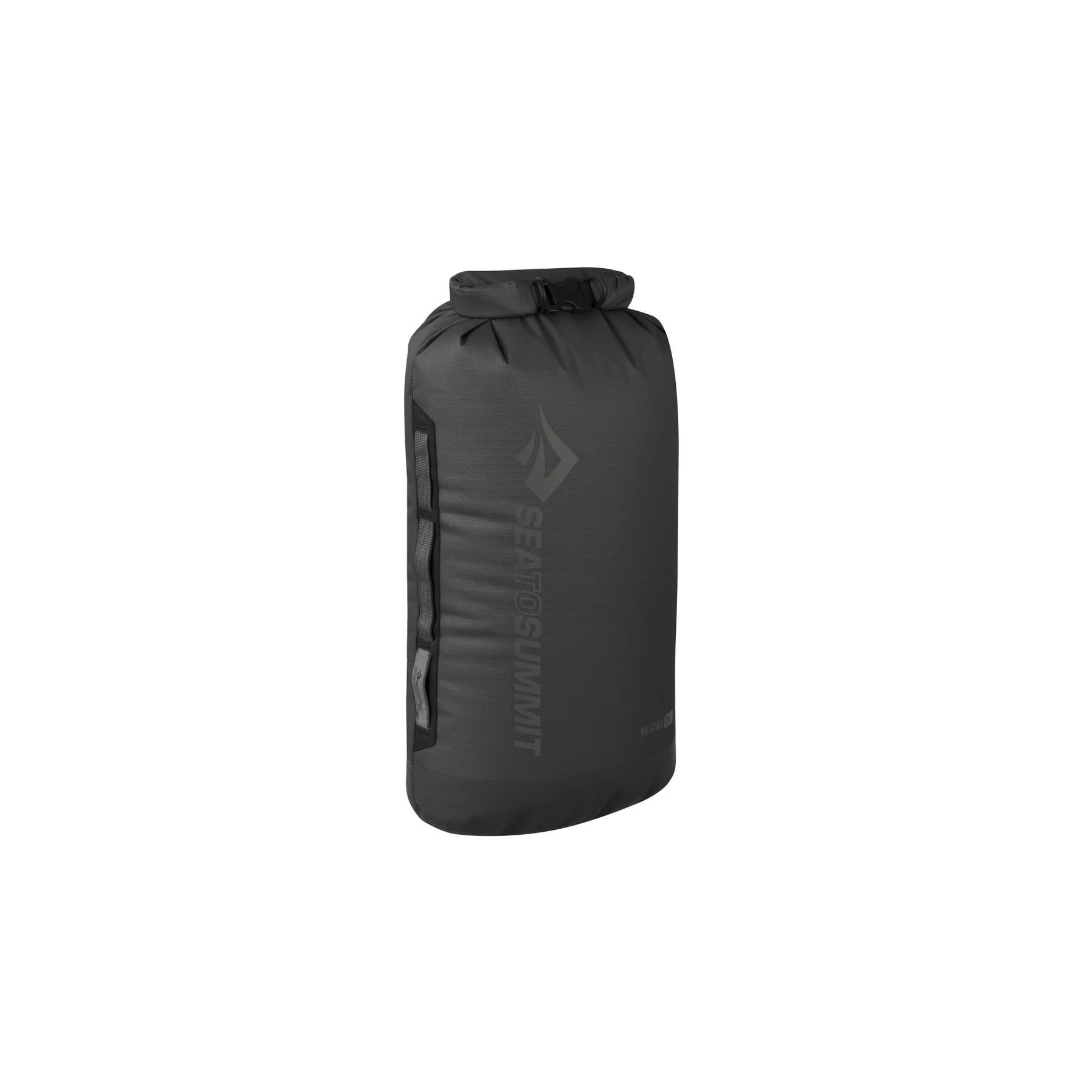
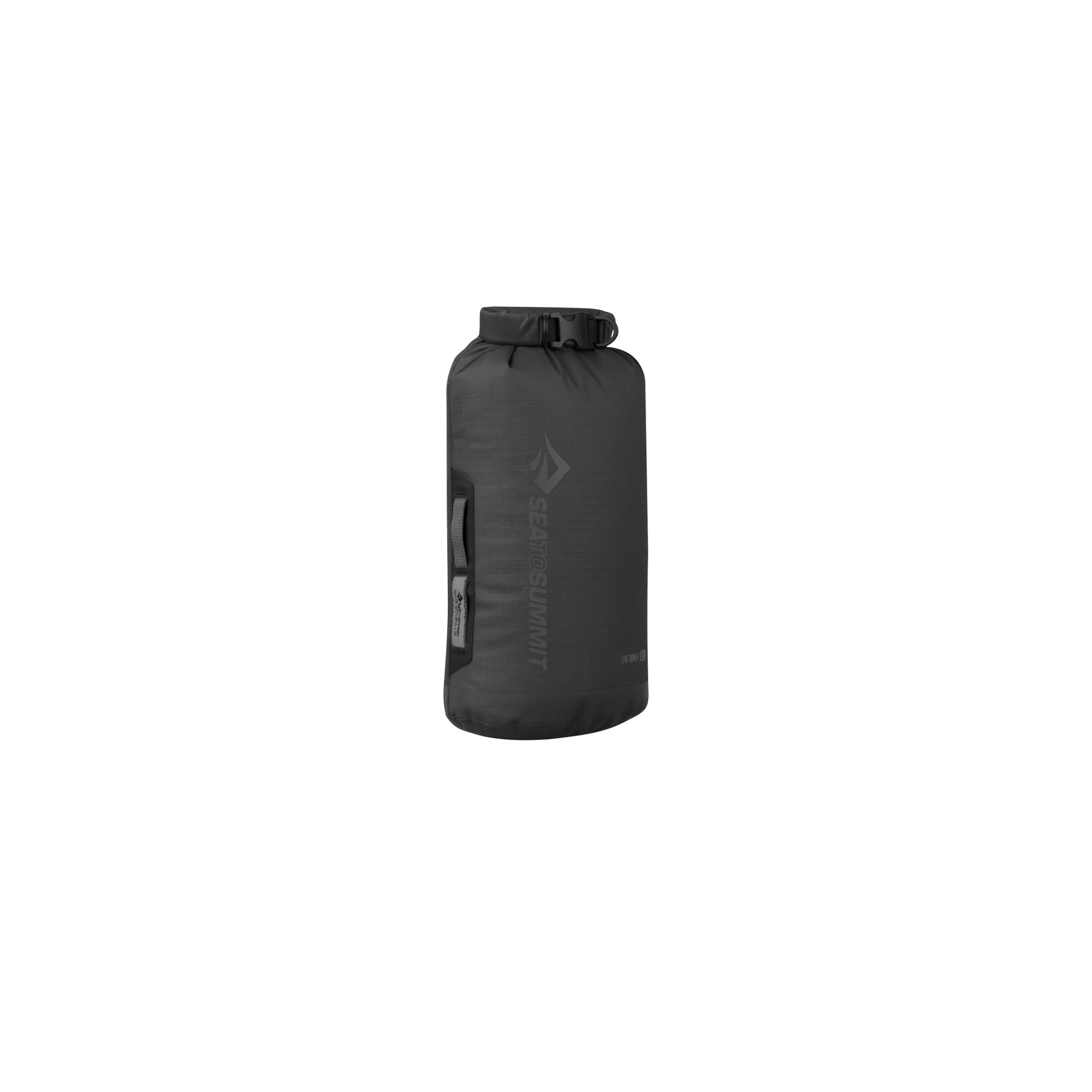
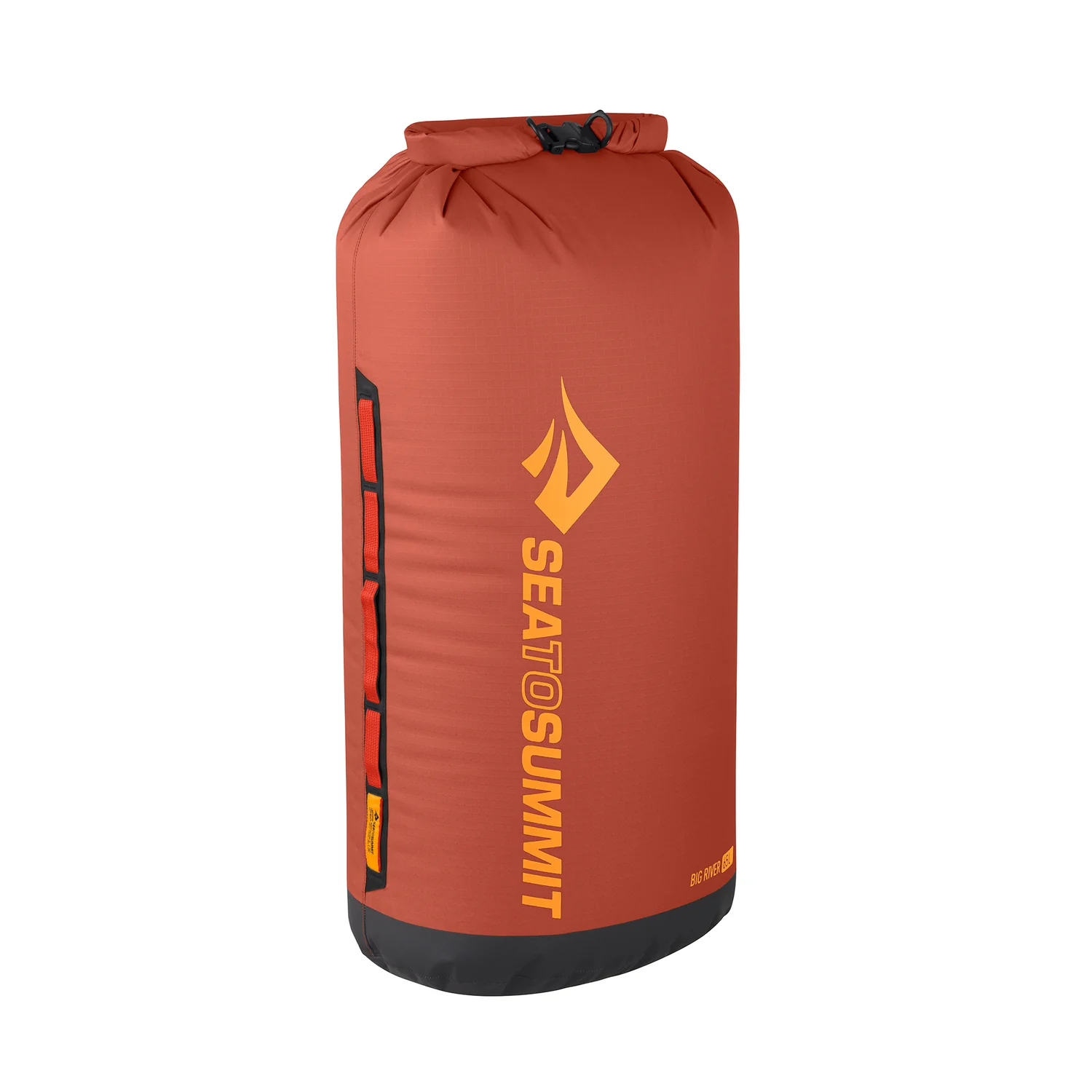
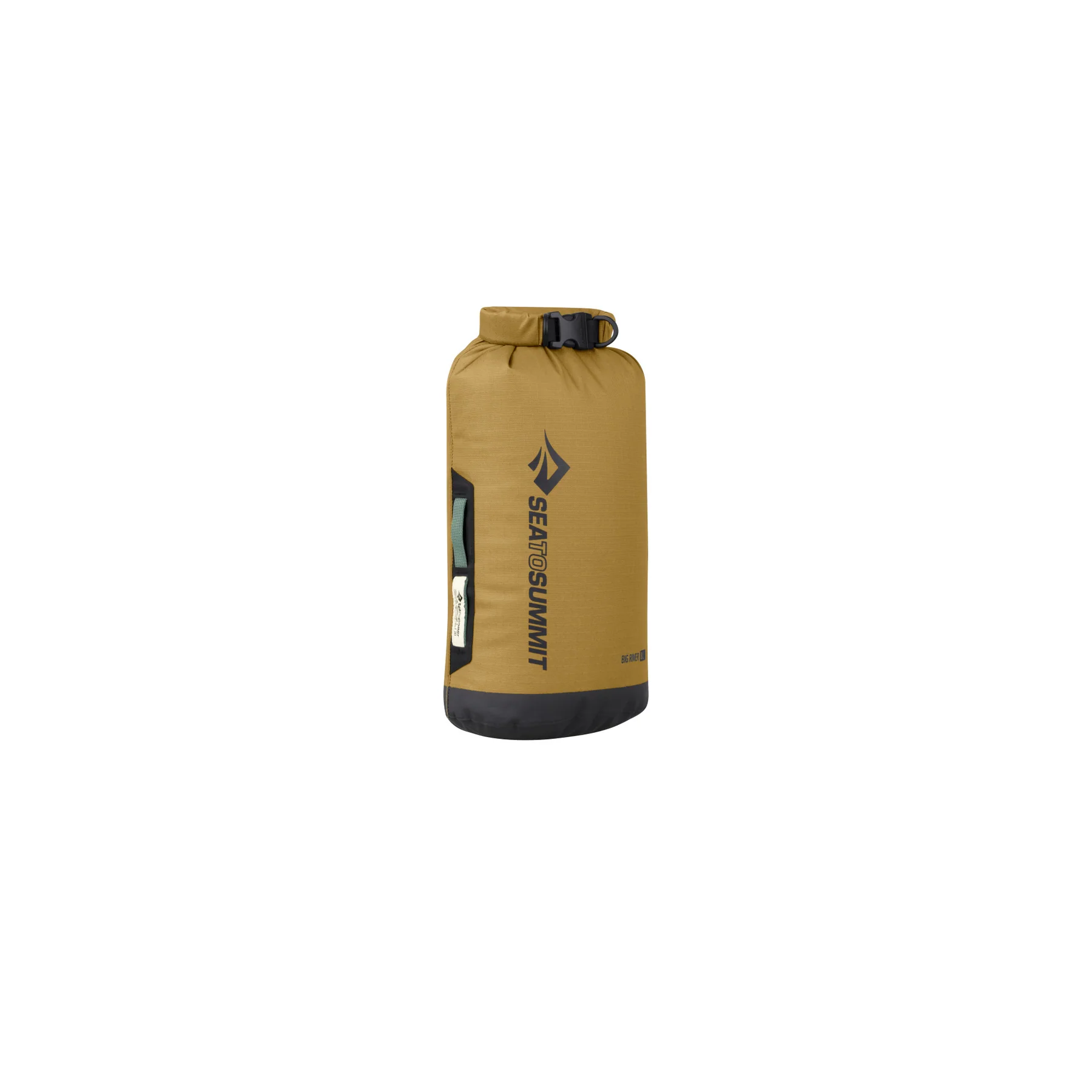
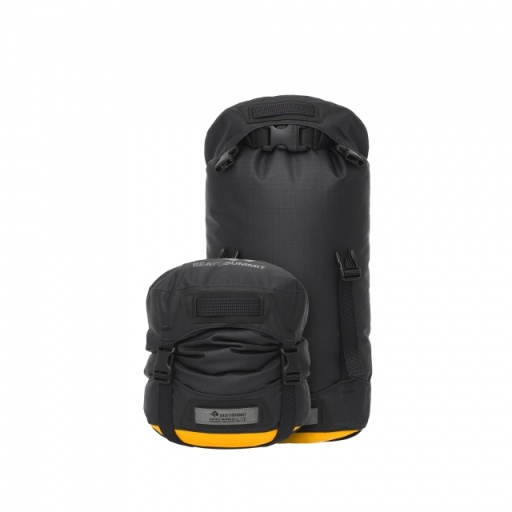
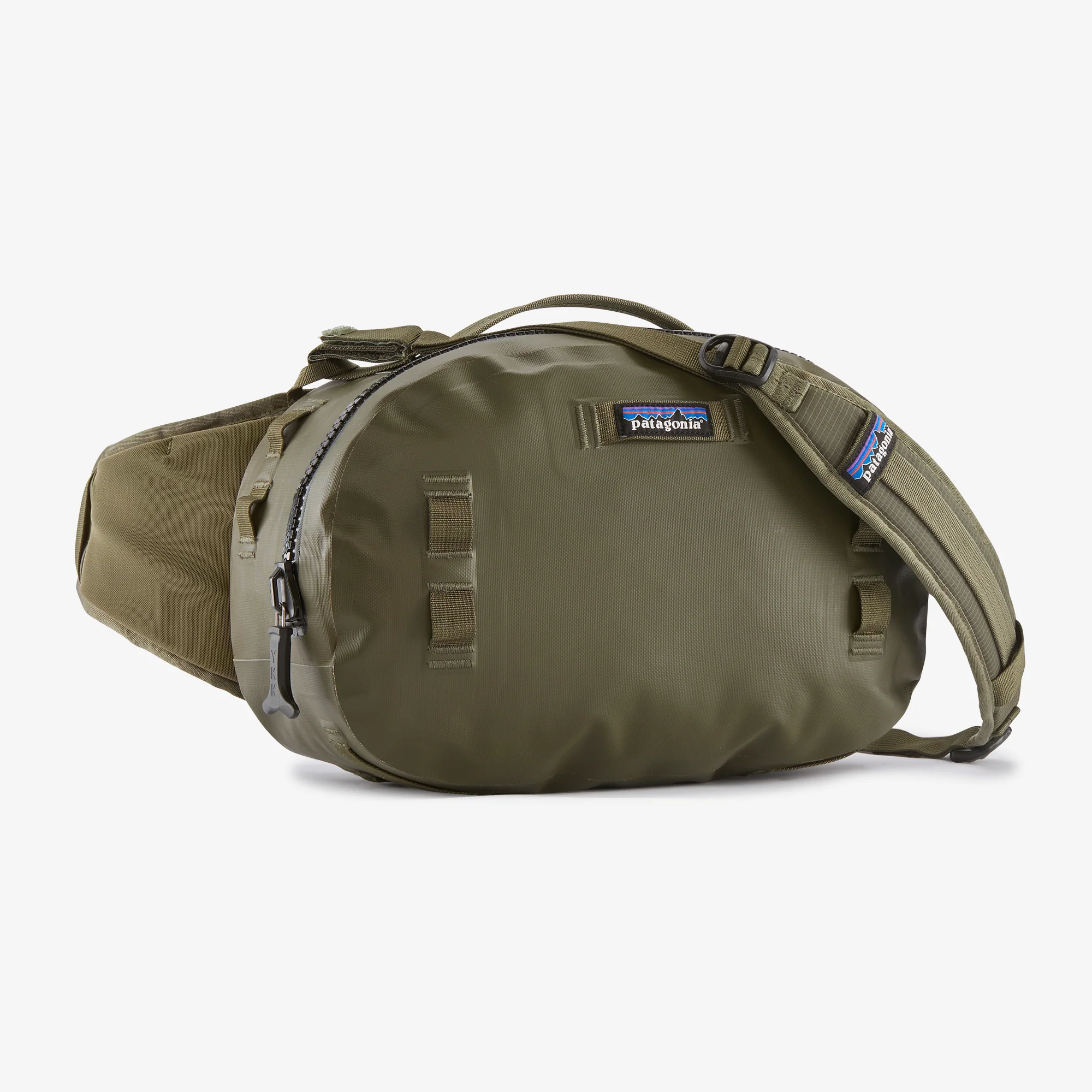
The current drybags page is a substantial category with 46 results and visible products such as the Big River Dry Bag in 5L, 8L, 13L, 20L, 35L, and 65L sizes, the Lightweight Dry Bag in multiple sizes, Evac Compression Dry Bag and Evac Compression Dry Bag UL models, a Lightweight Dry Bag 3-Piece Set, Big River Dry Backpack 50L and 75L, and a Dry Bag Sling. The visible size filters include 1L, 4L, 5L, 8L, 13L, 20L, 35L, and 65L.

That comes back to the trip. A lighter dry bag is usually the cleaner answer for pack organisation, spare clothes, or lower-abrasion use inside another bag. A tougher option such as the Big River line makes more sense where the bag will see rougher handling, river use, boat use, or repeated contact with wet gear and harder surfaces. Offtrack’s broader watersports guidance also treats dry storage as practical protection for clothing, electronics, and critical items in paddling environments rather than as a cosmetic add-on.

It becomes more useful when the contents are soft and bulky enough to benefit from being packed down, such as insulated clothing or sleeping gear. Offtrack’s wider apparel and wet-weather guidance repeatedly stresses keeping layers and spare clothing dry in poor conditions, and a compression dry bag helps with both protection and space efficiency when those items are part of the load.

They make sense for both. In paddling, they help protect dry clothes, phones, cameras, and other essentials from splash, rain, and immersion risk. In hiking and camping, they help keep core gear dry inside the pack during prolonged wet weather. Offtrack’s research specifically connects dry bags to watersports storage and also to keeping layers dry inside packs on wet trips, which makes this category useful well beyond boat-based use.

Sometimes yes. They solve slightly different problems. A pack liner is the broad protection layer for the main contents of your pack. A dry bag is better when you want item-by-item organisation or you need to isolate specific gear such as spare clothes, electronics, or sleep gear. Offtrack’s research supports both habits, especially in wet conditions where keeping key items dry can change the whole trip.

Loadding...