
Categories
Filter by Brands
-
(9)
-
(2)
-
(4)
-
(2)
-
(3)
-
(1)
-
(12)
-
(17)
-
(9)
-
(23)
-
(1)
-
(14)
-
(4)
-
(4)
-
(4)
-
(13)
-
(72)
-
(12)
-
(1)
-
(1)
-
(11)
-
(129)
-
(2)
-
(3)
-
(4)
-
(5)
-
(11)
-
(2)
-
(58)
-
(12)
-
(61)
-
(1)
-
(2)
-
(1)
-
(7)
-
(1)
-
(2)
-
(1)
-
(2)
-
(12)
-
(3)
-
(13)
-
(2)
-
(2)
-
(2)
-
(3)
-
(5)
-
(1)
-
(4)
-
(2)
-
(5)
-
(11)
-
(3)
-
(2)
-
(1)
-
(1)
-
(97)
-
(4)
-
(6)
-
(7)
-
(2)
-
(2)
-
(3)
-
(7)
-
(1)
-
(124)
-
(13)
-
(4)
-
(1)
-
(10)
-
(1)
-
(24)
-
(1)
-
(21)
-
(25)
-
(29)
-
(22)
-
(11)
-
(20)
-
(3)
-
(2)
-
(42)
-
(14)
-
(1)
-
(28)
-
(15)
-
(1)
-
(8)
-
(21)
-
(9)
-
(1)
-
(7)
-
(2)
-
(2)
-
(1)
-
(28)
-
(1)
-
(1)
-
(5)
-
(9)
-
(2)
-
(3)
-
(2)
-
(1)
-
(5)
-
(4)
-
(12)
-
(1)
-
(15)
-
(6)
-
(3)
-
(7)
-
(6)
-
(6)
-
(18)
-
(3)
-
(1)
-
(2)
-
(2)
-
(5)
-
(2)
-
(2)
-
(3)
-
(180)
-
(3)
-
(40)
-
(1)
-
(2)
-
(5)
-
(23)
-
(2)
-
(1)
-
(3)
-
(19)
-
(3)
-
(3)
-
(15)
-
(1)
-
(1)
-
(9)
-
(1)
-
(28)
-
(1)
-
(52)
-
(9)
-
(1)
-
(2)
-
(12)
-
(2)
-
(40)
-
(2)
-
(647)
-
(5)
-
(3)
-
(57)
-
(11)
-
(3)
-
(12)
-
(2)
-
(1)
-
(1)
-
(35)
-
(8)
-
(5)
-
(24)
-
(2)
-
(2)
-
(4)
-
(5)
-
(14)
-
(8)
-
(4)
-
(42)
-
(9)
-
(4)
-
(6)
-
(20)
-
(4)
-
(383)
-
(21)
-
(24)
-
(4)
-
(4)
-
(9)
-
(1)
-
(4)
-
(19)
-
(9)
-
(34)
-
(1)
-
(3)
-
(1)
-
(2)
-
(2)
-
(3)
-
(14)
-
(8)
-
(13)
-
(1)
-
(3)
-
(9)
-
(1)
-
(13)
-
(1)
-
(1)
-
(1)
-
(22)
-
(5)
-
(13)
-
(1)
-
(1)
-
(30)
-
(8)
-
(5)
-
(58)
-
(1)
-
(11)
-
(6)
-
(5)
-
(4)
-
(4)
-
(1)
-
(1)
-
(201)
-
(2)
-
(1)
-
(1)
-
(9)
-
(98)
-
(1)
-
(66)
-
(2)
-
(7)
-
(4)
Price Range
-
Price:—
Select Size
-
(13)
-
(13)
-
(13)
-
(763)
-
(701)
-
(697)
-
(540)


$39.95 Original price was: $39.95.$35.00Current price is: $35.00.


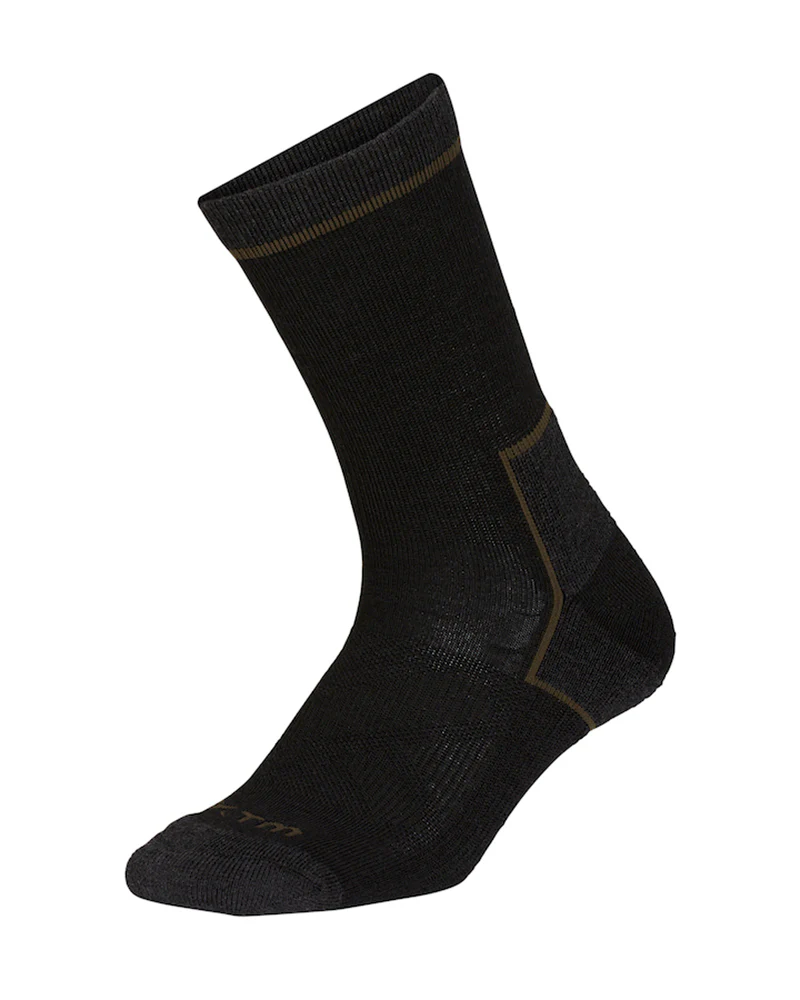


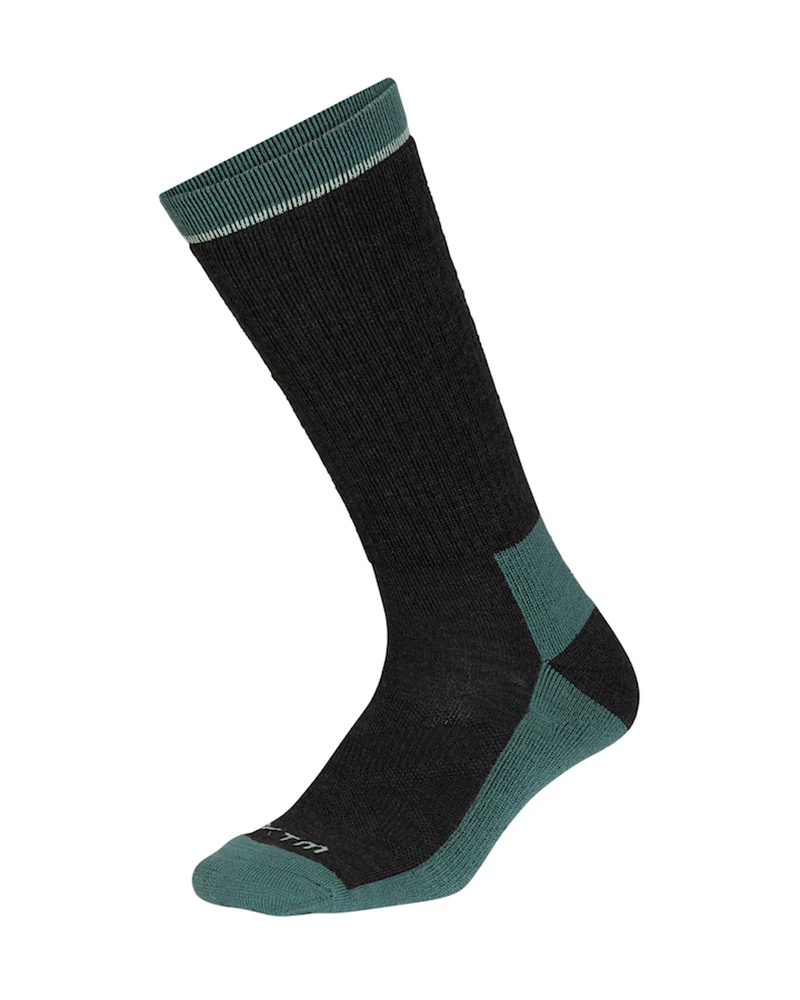

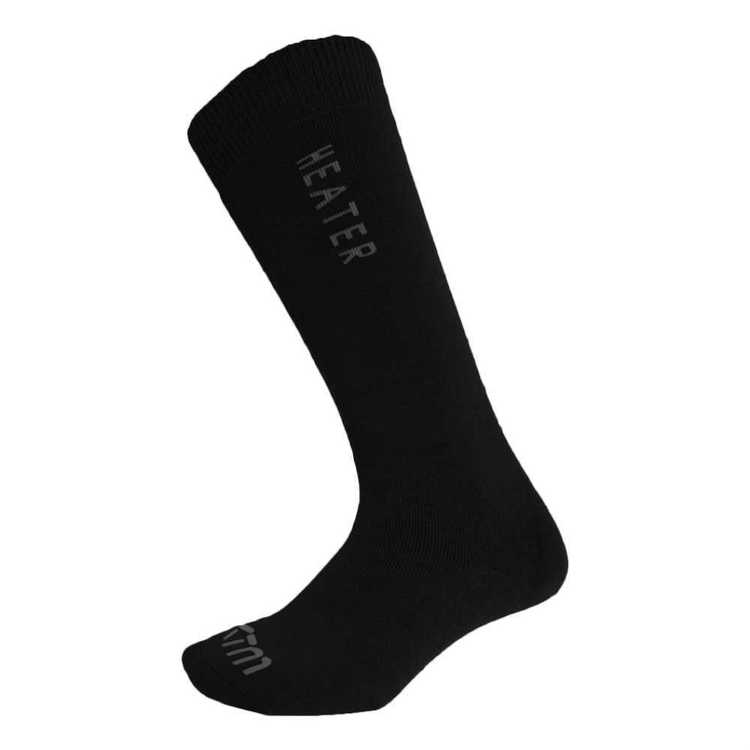

$17.49 – $24.99Price range: $17.49 through $24.99

$20.99 – $29.99Price range: $20.99 through $29.99

Socks Seem Simple Until Your Feet Start Paying the Price
Do hiking socks really make that much difference?
Yes. Socks are not a small detail once you are walking for hours, carrying weight, or dealing with cold, wet, or hot conditions. Offtrack’s own apparel guidance treats socks as part of the layering system, not an afterthought, and specifically points to technical socks for warmth and blister prevention. The current socks category also reflects that more technical role, with hiking, liner, toe-sock, and heavier merino options rather than generic casual socks.
What should I look at first when choosing socks?
Start with the trip, not the colour or the brand. The useful filters are activity, temperature, shoe fit, and whether you are trying to manage sweat, friction, warmth, or all three at once. Offtrack’s recommendation style across categories is built around matching gear to the actual use case, and that applies just as much to socks as it does to boots, packs, or sleep systems.
Are merino socks better than synthetic socks?
Not automatically. Merino is often chosen for warmth, comfort, and better temperature regulation across cooler or mixed conditions. Synthetic-heavy options can make more sense when quick drying, lighter feel, or high-output use matters more. On the current category page, that split is easy to see in the product mix, with merino hiking socks from XTM and wool options alongside more performance-oriented toe socks from Injinji. The better choice depends on where you are going and how your feet usually respond on longer days.
When do liner socks or toe socks make sense?
They make sense when friction management is the bigger issue than warmth alone. Offtrack’s hiking guidance mentions liner socks as part of blister prevention and sweat management, which is exactly where these styles come into their own. Toe socks can also help people who are prone to toe rub, hotspots, or moisture build-up between the toes, especially on longer walks or runs. The current category includes both liner and toe-sock options from Injinji, which suggests this page is meant to solve more than just “cold feet.”
Should I go for lightweight, midweight, or heavy socks?
That usually comes down to footwear, season, and activity. Lightweight socks tend to suit warmer conditions, snugger shoes, or more active use. Midweight is often the safer all-rounder for bushwalking and general hiking. Heavy socks make more sense when warmth, cushioning, or colder conditions are higher priorities. The current range shows that spread clearly, with light, midweight, and heavy-weight styles in the category rather than one uniform type.
Can the wrong sock actually make good boots feel bad?
Absolutely. Even a well-fitted boot can feel off if the sock is too bulky, too slick, holds too much moisture, or creates pressure in the wrong places. Offtrack’s hiking guidance already emphasises trying footwear with the right socks, because the sock changes fit, comfort, and friction inside the shoe. For many people, fixing the sock choice solves the problem faster than replacing the footwear.

