
Categories
Filter by Brands
-
(9)
-
(2)
-
(4)
-
(2)
-
(3)
-
(1)
-
(12)
-
(17)
-
(9)
-
(23)
-
(1)
-
(14)
-
(4)
-
(4)
-
(4)
-
(13)
-
(72)
-
(12)
-
(1)
-
(1)
-
(11)
-
(129)
-
(2)
-
(3)
-
(4)
-
(5)
-
(11)
-
(2)
-
(58)
-
(12)
-
(61)
-
(1)
-
(2)
-
(1)
-
(7)
-
(1)
-
(2)
-
(1)
-
(2)
-
(12)
-
(3)
-
(13)
-
(2)
-
(2)
-
(2)
-
(3)
-
(5)
-
(1)
-
(4)
-
(2)
-
(5)
-
(11)
-
(3)
-
(2)
-
(1)
-
(1)
-
(97)
-
(4)
-
(6)
-
(7)
-
(2)
-
(2)
-
(3)
-
(7)
-
(1)
-
(124)
-
(13)
-
(4)
-
(1)
-
(10)
-
(1)
-
(24)
-
(1)
-
(21)
-
(25)
-
(29)
-
(22)
-
(11)
-
(20)
-
(3)
-
(2)
-
(42)
-
(14)
-
(1)
-
(28)
-
(15)
-
(1)
-
(8)
-
(21)
-
(9)
-
(1)
-
(7)
-
(2)
-
(2)
-
(1)
-
(28)
-
(1)
-
(1)
-
(5)
-
(9)
-
(2)
-
(3)
-
(2)
-
(1)
-
(5)
-
(4)
-
(12)
-
(1)
-
(15)
-
(6)
-
(3)
-
(7)
-
(6)
-
(6)
-
(18)
-
(3)
-
(1)
-
(2)
-
(2)
-
(5)
-
(2)
-
(2)
-
(3)
-
(180)
-
(3)
-
(40)
-
(1)
-
(2)
-
(5)
-
(23)
-
(2)
-
(1)
-
(3)
-
(19)
-
(3)
-
(3)
-
(15)
-
(1)
-
(1)
-
(9)
-
(1)
-
(28)
-
(1)
-
(52)
-
(9)
-
(1)
-
(2)
-
(12)
-
(2)
-
(40)
-
(2)
-
(647)
-
(5)
-
(3)
-
(57)
-
(11)
-
(3)
-
(12)
-
(2)
-
(1)
-
(1)
-
(35)
-
(8)
-
(5)
-
(24)
-
(2)
-
(2)
-
(4)
-
(5)
-
(14)
-
(8)
-
(4)
-
(42)
-
(9)
-
(4)
-
(6)
-
(20)
-
(4)
-
(383)
-
(21)
-
(24)
-
(4)
-
(4)
-
(9)
-
(1)
-
(4)
-
(19)
-
(9)
-
(34)
-
(1)
-
(3)
-
(1)
-
(2)
-
(2)
-
(3)
-
(14)
-
(8)
-
(13)
-
(1)
-
(3)
-
(9)
-
(1)
-
(13)
-
(1)
-
(1)
-
(1)
-
(22)
-
(5)
-
(13)
-
(1)
-
(1)
-
(30)
-
(8)
-
(5)
-
(58)
-
(1)
-
(11)
-
(6)
-
(5)
-
(4)
-
(4)
-
(1)
-
(1)
-
(201)
-
(2)
-
(1)
-
(1)
-
(9)
-
(98)
-
(1)
-
(66)
-
(2)
-
(7)
-
(4)
Price Range
-
Price:—

The questions worth asking before you choose crampons or snow traction
What is the difference between crampons and pocket cleats, and which one makes more sense for me?
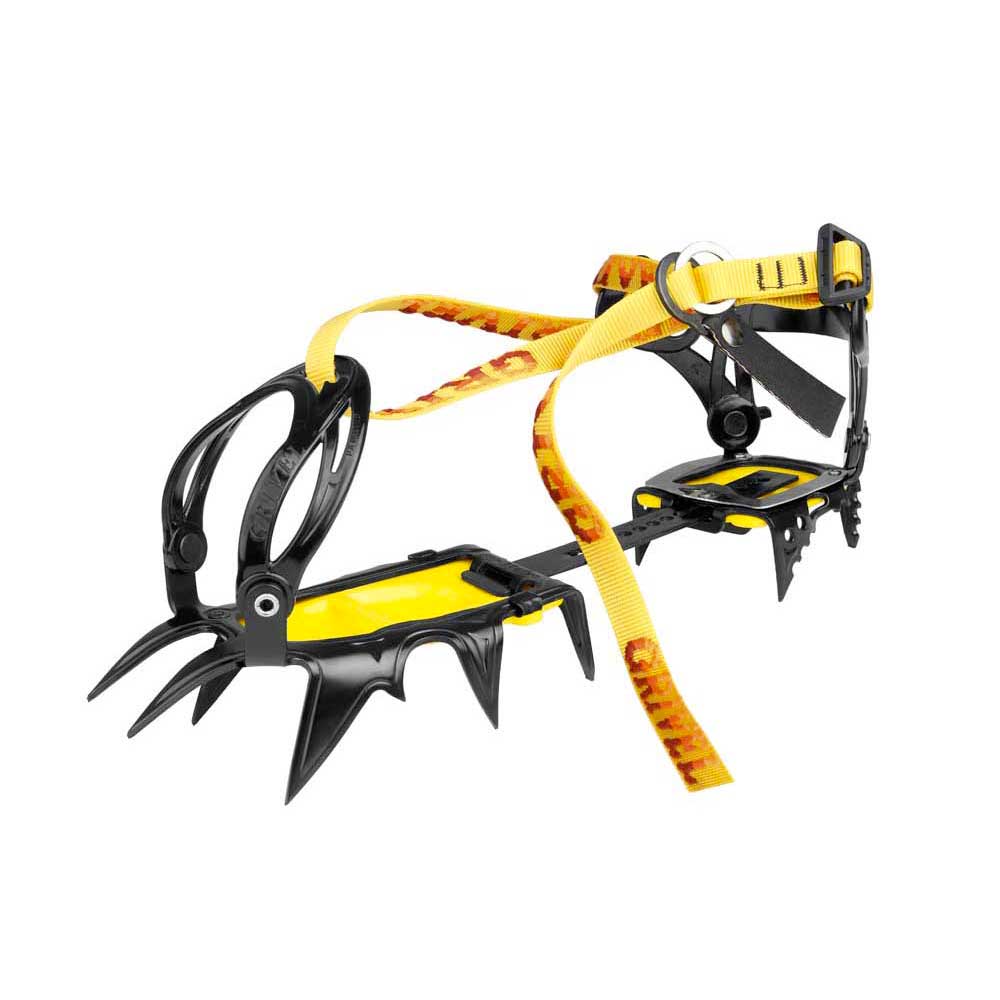
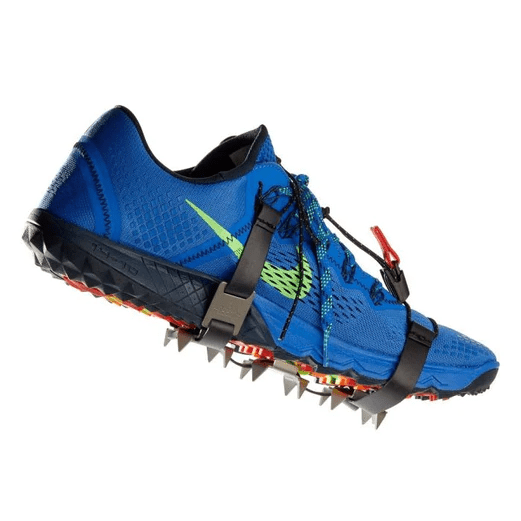
They solve different problems. A full crampon is built for more serious mountain and ice use where grip, boot compatibility and security matter far more than convenience. A pocket cleat is the lighter, simpler option for lower-consequence slippery conditions where you want extra traction without stepping into technical alpine gear. On the live category page, the range is currently very tight, with just two products shown: the Grivel G12 Crampons and Vargo V3 Pocket Cleats – Stainless Steel. That makes the comparison unusually clear. One sits at the technical end, the other at the light traction end.
How do I know whether I need a proper crampon rather than a lighter snow cleat?
Start with consequence, terrain and footwear. If you are heading into genuine alpine or mountaineering conditions, the decision becomes less about convenience and more about secure performance on harder snow or ice. That is where a real crampon enters the picture. If you are looking for occasional traction on icy ground, a lighter cleat may be the more sensible tool. Offtrack’s climbing and mountain advice consistently centres on matching gear to the intended activity and skill level rather than pretending one item covers every scenario.
Are crampons something beginners can just add to any setup?
Not really. This is one of those categories where the wrong match can create a false sense of security. In mountain and ice gear, safety and suitability matter first. Offtrack’s broader climbing guidance repeatedly frames technical gear selection around discipline, experience level and intended environment, which is exactly the right lens for crampons as well. A beginner does not just need “more grip”. They need the right tool for the terrain, boots and skill level involved.
What usually trips people up when choosing traction gear for snow or ice?
The biggest mistake is buying by product type before thinking about the trip. People often jump straight to “I need crampons” when the real question is what conditions they are walking or climbing in, what boots they are wearing, and how technical the terrain actually is. Offtrack’s strongest advisory content is scenario-based, not category-based. That means the recommendation changes with the environment and the risk, not just the name of the product.
Does boot choice matter when I am looking at crampons?
Yes, a lot. In mountain gear, compatibility is not a side issue. It is part of whether the setup works safely at all. Offtrack’s mountaineering guidance specifically groups ice axes, crampons and mountaineering boots together, which reflects how these decisions are made in the real world. A crampon is not really a standalone purchase. It belongs inside a broader alpine setup.
Is this category mainly for experienced alpine users, or does it still matter for general winter walkers?
Right now, the page serves both ends, though in a very focused way. The presence of a technical crampon and a lighter stainless-steel pocket cleat suggests the category is trying to cover more than one user type. That said, the consequences of choosing badly are much higher at the technical end, so alpine buyers need a more careful fit between terrain, boots and experience. Offtrack’s role in safety-critical categories is to act as a knowledgeable advisor rather than push a single “best” item.

