
Categories
Filter by Brands
-
(9)
-
(2)
-
(4)
-
(2)
-
(3)
-
(1)
-
(12)
-
(17)
-
(9)
-
(23)
-
(1)
-
(14)
-
(4)
-
(4)
-
(4)
-
(13)
-
(72)
-
(12)
-
(1)
-
(1)
-
(11)
-
(129)
-
(2)
-
(3)
-
(4)
-
(5)
-
(11)
-
(2)
-
(58)
-
(12)
-
(61)
-
(1)
-
(2)
-
(1)
-
(7)
-
(1)
-
(2)
-
(1)
-
(2)
-
(12)
-
(3)
-
(13)
-
(2)
-
(2)
-
(2)
-
(3)
-
(5)
-
(1)
-
(4)
-
(2)
-
(5)
-
(11)
-
(3)
-
(2)
-
(1)
-
(1)
-
(97)
-
(4)
-
(6)
-
(7)
-
(2)
-
(2)
-
(3)
-
(7)
-
(1)
-
(124)
-
(13)
-
(4)
-
(1)
-
(10)
-
(1)
-
(24)
-
(1)
-
(21)
-
(25)
-
(29)
-
(22)
-
(11)
-
(20)
-
(3)
-
(2)
-
(42)
-
(14)
-
(1)
-
(28)
-
(15)
-
(1)
-
(8)
-
(21)
-
(9)
-
(1)
-
(7)
-
(2)
-
(2)
-
(1)
-
(28)
-
(1)
-
(1)
-
(5)
-
(9)
-
(2)
-
(3)
-
(2)
-
(1)
-
(5)
-
(4)
-
(12)
-
(1)
-
(15)
-
(6)
-
(3)
-
(7)
-
(6)
-
(6)
-
(18)
-
(3)
-
(1)
-
(2)
-
(2)
-
(5)
-
(2)
-
(2)
-
(3)
-
(180)
-
(3)
-
(40)
-
(1)
-
(2)
-
(5)
-
(23)
-
(2)
-
(1)
-
(3)
-
(19)
-
(3)
-
(3)
-
(15)
-
(1)
-
(1)
-
(9)
-
(1)
-
(28)
-
(1)
-
(52)
-
(9)
-
(1)
-
(2)
-
(12)
-
(2)
-
(40)
-
(2)
-
(647)
-
(5)
-
(3)
-
(57)
-
(11)
-
(3)
-
(12)
-
(2)
-
(1)
-
(1)
-
(35)
-
(8)
-
(5)
-
(24)
-
(2)
-
(2)
-
(4)
-
(5)
-
(14)
-
(8)
-
(4)
-
(42)
-
(9)
-
(4)
-
(6)
-
(20)
-
(4)
-
(383)
-
(21)
-
(24)
-
(4)
-
(4)
-
(9)
-
(1)
-
(4)
-
(19)
-
(9)
-
(34)
-
(1)
-
(3)
-
(1)
-
(2)
-
(2)
-
(3)
-
(14)
-
(8)
-
(13)
-
(1)
-
(3)
-
(9)
-
(1)
-
(13)
-
(1)
-
(1)
-
(1)
-
(22)
-
(5)
-
(13)
-
(1)
-
(1)
-
(30)
-
(8)
-
(5)
-
(58)
-
(1)
-
(11)
-
(6)
-
(5)
-
(4)
-
(4)
-
(1)
-
(1)
-
(201)
-
(2)
-
(1)
-
(1)
-
(9)
-
(98)
-
(1)
-
(66)
-
(2)
-
(7)
-
(4)
Price Range
-
Price:—



The questions worth asking before you choose a hard case for outdoor gear
What is a hard case actually best for compared with a dry bag or soft storage?
A hard case makes the most sense when the priority is protection rather than packability. If you are carrying fragile gear, sensitive equipment, or items that should not be knocked around in transit, a rigid case usually gives you a better starting point than soft storage. On this category page, Hard Cases sits separately from Dry Bags and Packing Cells, which reflects that difference in use rather than treating all storage as interchangeable.
What kind of gear usually belongs in a hard case?
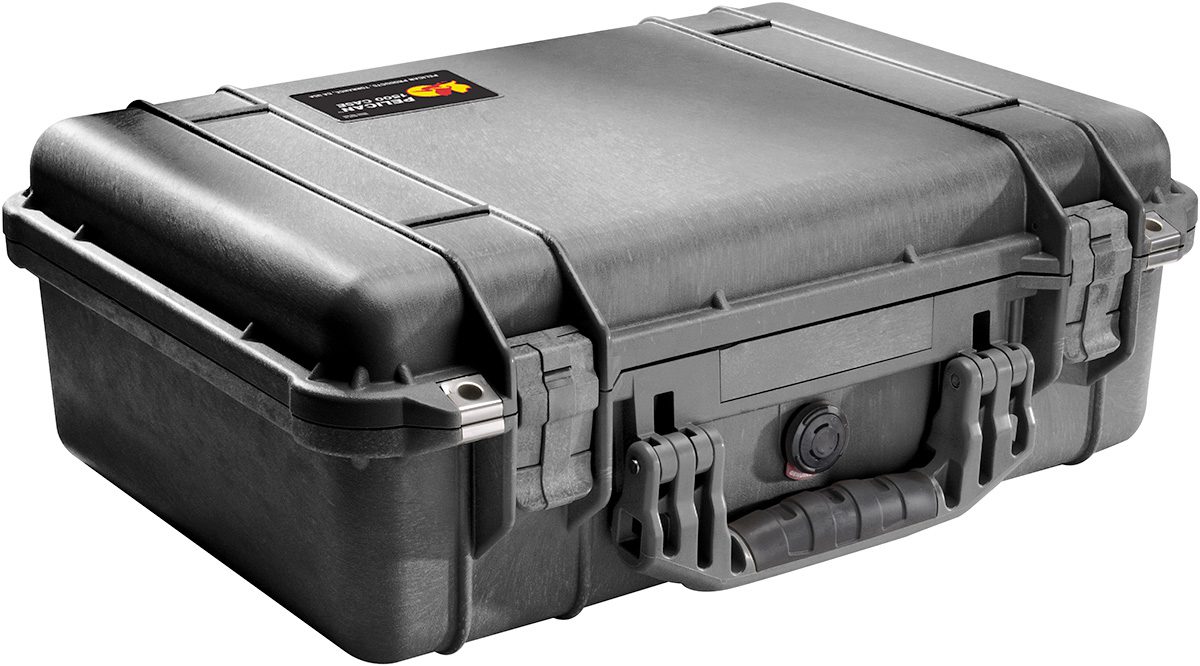
This category usually suits equipment that is awkward to replace or easy to damage, such as electronics, optics, documents, communications gear, or compact technical items that need more protection in vehicles, trailers, sheds, or rough field handling. The current page is tightly focused, with five Pelican Protector Case products rather than a broad mix of soft luggage, which signals a protective-storage use case rather than general camp organisation.
How do we decide whether a smaller case or a longer case makes more sense?
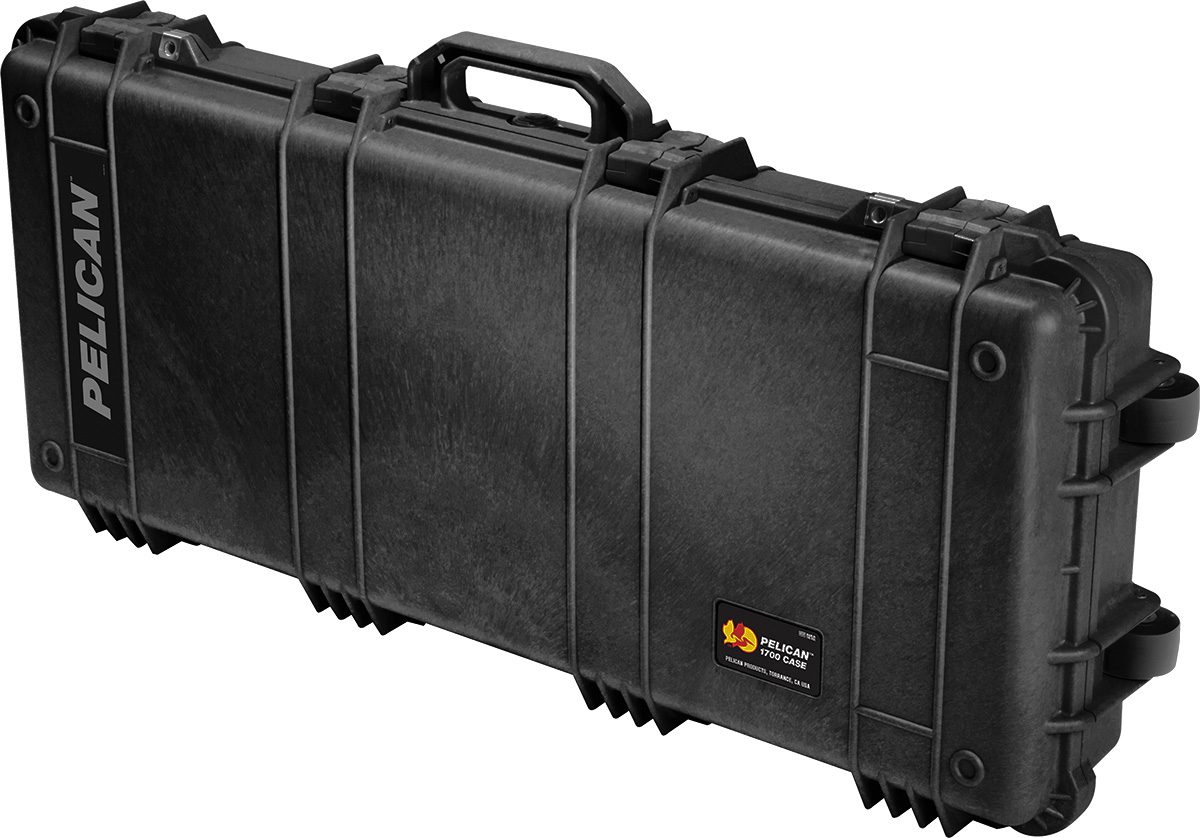
We would start with the shape of the gear, not just the volume. A compact case can be the better choice for smaller valuables or kit that needs structured protection in a tight footprint. A longer case starts to make more sense when the item itself has awkward dimensions and would be poorly protected in a boxier format. The live category currently spans the 1200 Protector Case, 1300 Protector Case, 1450 Protector Case, 1500 Protector Case, and 1700 Protector Long Case, so the choice is clearly about application, not just price.
What usually trips people up when buying a hard case?
The most common mistake is buying by outside size and leaving the actual use case until later. A case can look right on the page and still be a poor fit if the equipment needs different proportions, easier access, or a different storage approach altogether. Our advice works best when we match gear to the trip, the environment, and the practical job it needs to do, rather than assuming one storage format suits every piece of outdoor equipment.
Is a hard case mainly for technical users, or does it also make sense for schools and outdoor programs?
It can suit both. Individual customers may use a hard case to protect personal gear, while schools, group leaders, and outdoor programs may need more secure transport and storage for shared equipment that gets moved often and handled by different users. Because we support both individual and institutional buyers, the right choice usually comes down to what is being protected, how often it is transported, and how much rough handling it is likely to see.
Are all hard cases basically the same once the size is right?
Not really. Size is only one part of the decision. The more useful comparison is what the case is protecting, how often it will be moved, and whether the layout needs a more compact or more elongated shape. Even in this small category, the product mix is not one-size-fits-all, with standard protector cases alongside a dedicated long-case option. That usually tells us the recommendation should be based on the equipment profile, not just the category label.

