
Categories
Filter by Brands
-
(9)
-
(2)
-
(4)
-
(2)
-
(3)
-
(1)
-
(12)
-
(17)
-
(9)
-
(23)
-
(1)
-
(14)
-
(4)
-
(4)
-
(4)
-
(13)
-
(72)
-
(12)
-
(1)
-
(1)
-
(11)
-
(129)
-
(2)
-
(3)
-
(4)
-
(5)
-
(11)
-
(2)
-
(58)
-
(12)
-
(61)
-
(1)
-
(2)
-
(1)
-
(7)
-
(1)
-
(2)
-
(1)
-
(2)
-
(12)
-
(3)
-
(13)
-
(2)
-
(2)
-
(2)
-
(3)
-
(5)
-
(1)
-
(4)
-
(2)
-
(5)
-
(11)
-
(3)
-
(2)
-
(1)
-
(1)
-
(97)
-
(4)
-
(6)
-
(7)
-
(2)
-
(2)
-
(3)
-
(7)
-
(1)
-
(124)
-
(13)
-
(4)
-
(1)
-
(10)
-
(1)
-
(24)
-
(1)
-
(21)
-
(25)
-
(29)
-
(22)
-
(11)
-
(20)
-
(3)
-
(2)
-
(42)
-
(14)
-
(1)
-
(28)
-
(15)
-
(1)
-
(8)
-
(21)
-
(9)
-
(1)
-
(7)
-
(2)
-
(2)
-
(1)
-
(28)
-
(1)
-
(1)
-
(5)
-
(9)
-
(2)
-
(3)
-
(2)
-
(1)
-
(5)
-
(4)
-
(12)
-
(1)
-
(15)
-
(6)
-
(3)
-
(7)
-
(6)
-
(6)
-
(18)
-
(3)
-
(1)
-
(2)
-
(2)
-
(5)
-
(2)
-
(2)
-
(3)
-
(180)
-
(3)
-
(40)
-
(1)
-
(2)
-
(5)
-
(23)
-
(2)
-
(1)
-
(3)
-
(19)
-
(3)
-
(3)
-
(15)
-
(1)
-
(1)
-
(9)
-
(1)
-
(28)
-
(1)
-
(52)
-
(9)
-
(1)
-
(2)
-
(12)
-
(2)
-
(40)
-
(2)
-
(647)
-
(5)
-
(3)
-
(57)
-
(11)
-
(3)
-
(12)
-
(2)
-
(1)
-
(1)
-
(35)
-
(8)
-
(5)
-
(24)
-
(2)
-
(2)
-
(4)
-
(5)
-
(14)
-
(8)
-
(4)
-
(42)
-
(9)
-
(4)
-
(6)
-
(20)
-
(4)
-
(383)
-
(21)
-
(24)
-
(4)
-
(4)
-
(9)
-
(1)
-
(4)
-
(19)
-
(9)
-
(34)
-
(1)
-
(3)
-
(1)
-
(2)
-
(2)
-
(3)
-
(14)
-
(8)
-
(13)
-
(1)
-
(3)
-
(9)
-
(1)
-
(13)
-
(1)
-
(1)
-
(1)
-
(22)
-
(5)
-
(13)
-
(1)
-
(1)
-
(30)
-
(8)
-
(5)
-
(58)
-
(1)
-
(11)
-
(6)
-
(5)
-
(4)
-
(4)
-
(1)
-
(1)
-
(201)
-
(2)
-
(1)
-
(1)
-
(9)
-
(98)
-
(1)
-
(66)
-
(2)
-
(7)
-
(4)
Price Range
-
Price:—
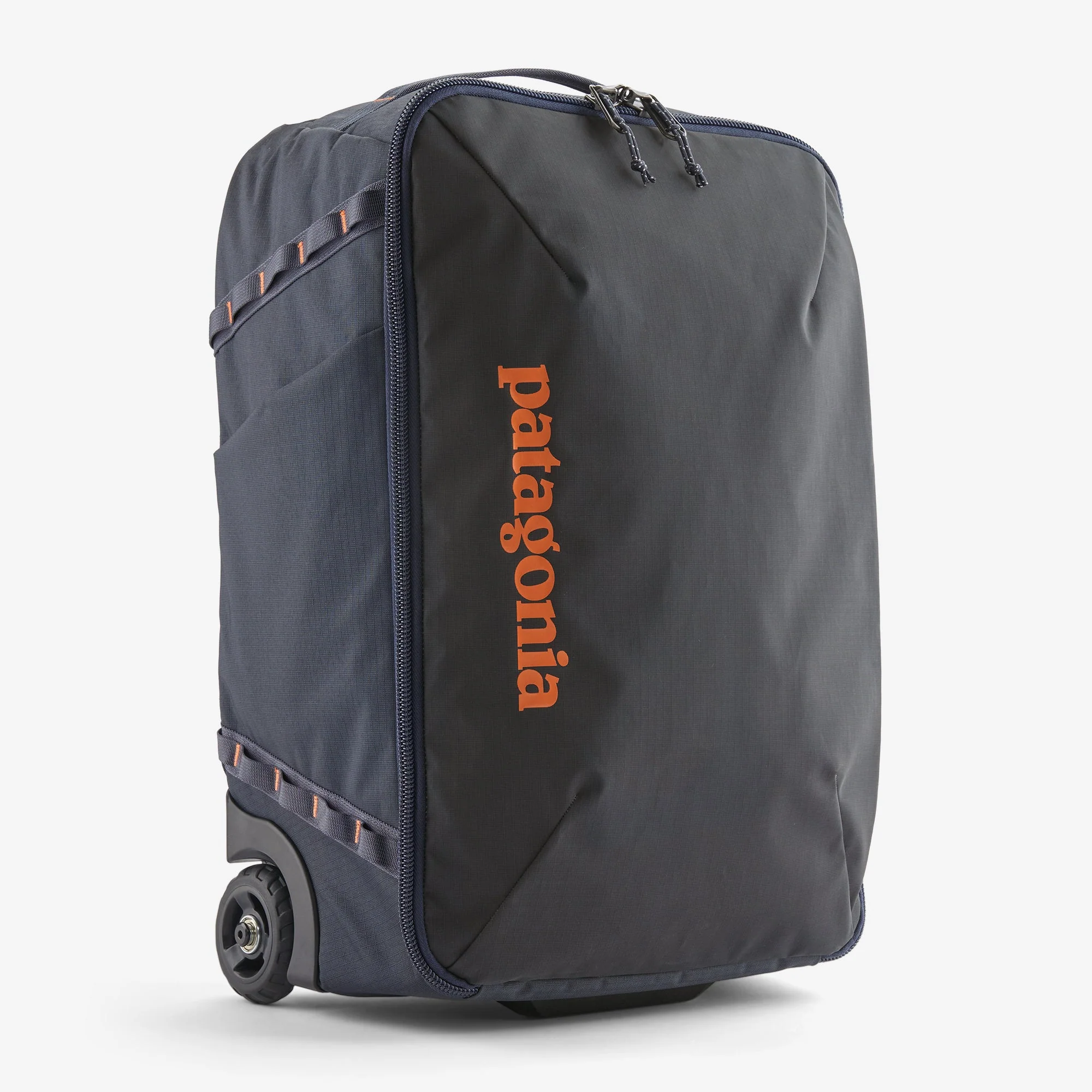

$599.95 Original price was: $599.95.$350.00Current price is: $350.00.

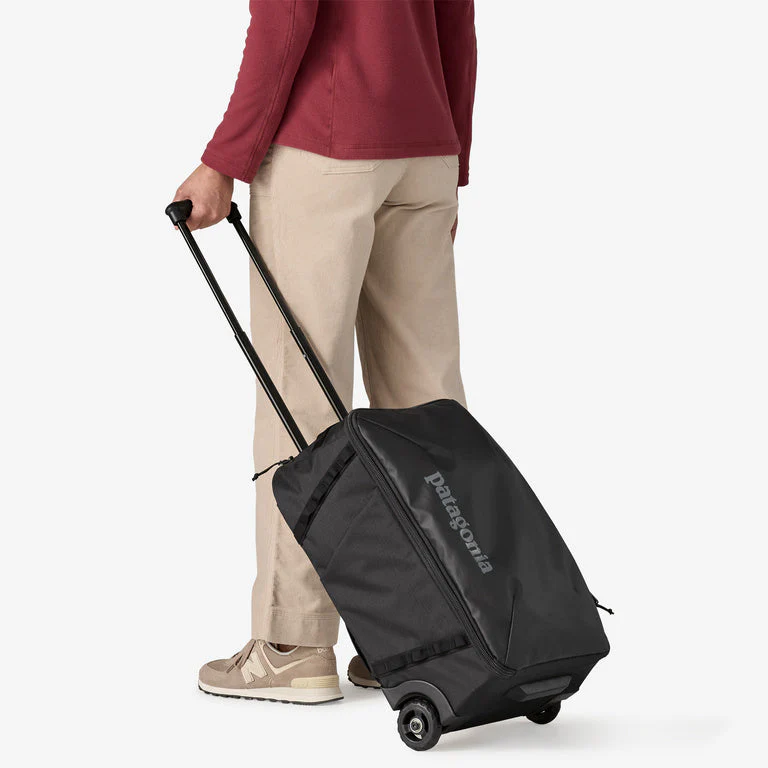
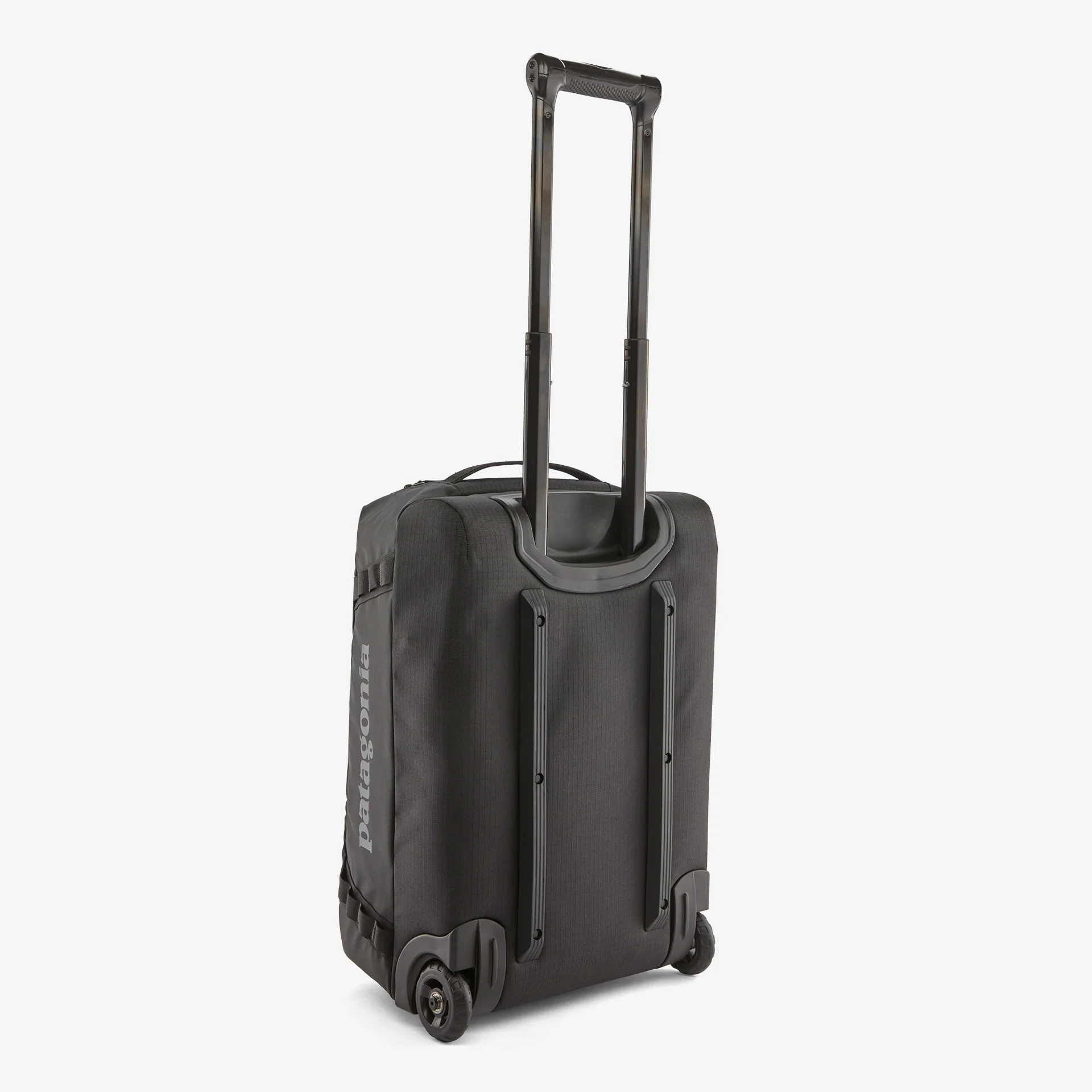
$599.95 Original price was: $599.95.$480.00Current price is: $480.00.


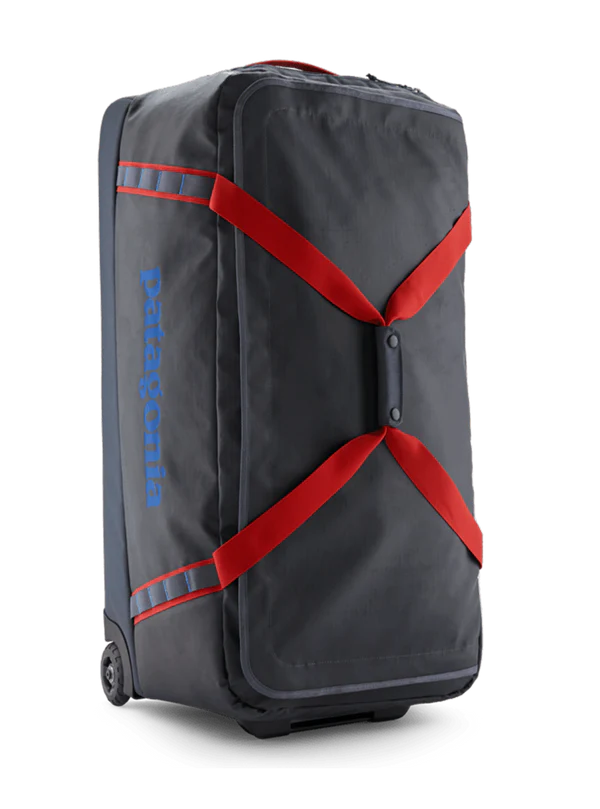



What to Check Before You Buy a Wheeled Bag for Travel, Gear Hauling, or Field Use
When does a wheeled bag make more sense than a backpack or duffel?
A wheeled bag makes more sense when you need to move heavier loads through airports, car parks, campsites, schools, or event spaces without carrying the full weight on your back. Offtrack’s broader packs and bags positioning covers everything from duffels to lightweight travel packs, which suggests the choice should come down to how the bag will actually be moved, how often it will be lifted, and whether comfort in transit matters more than carry versatility. If most of your trip involves smooth surfaces and heavier loads, wheels usually earn their place.
Are wheeled bags only useful for travel, or can they work for outdoor programs too?
They can work well for outdoor programs, group logistics, and gear-heavy trips where the bag is being transported more than carried over rough ground. That fits Offtrack’s broader role as a supplier for both individual customers and institutional buyers such as schools and outdoor education groups. In that setting, a wheeled bag can be a practical option for moving clothing, camp gear, or program equipment between vehicles, storage spaces, and accommodation, especially when the goal is organisation and ease rather than backcountry carry performance.
What should I look at first: size, wheel design, or durability?
Start with the load and the trip type. Size comes first because the best bag on paper is still the wrong one if it does not fit the gear you actually need to move. After that, durability becomes more relevant than styling, especially if the bag will be used repeatedly for travel, school trips, or rough handling. Wheel design matters too, but mainly in context. A bag that rolls well through airports may not be the one you want for gravel, camp access roads, or repeated vehicle loading. Offtrack’s general recommendation style is scenario-based rather than product-first, which is the right lens here as well.
Is a wheeled bag a good option for rugged outdoor travel?
Sometimes, but not always. Wheeled bags are strong when the journey includes terminals, paved surfaces, school campuses, accommodation transfers, or vehicle-based travel. They are less ideal when the trip includes extended carrying over uneven tracks, stairs, muddy access points, or rough trail conditions. In those cases, a pack or duffel may be the better tool. Offtrack’s hiking and packs guidance consistently points to matching the bag to the environment and the transport demands, not just the volume of gear.
How do I know what size wheeled bag I need?
A useful starting point is to think in terms of trip length, gear bulk, and whether the bag is carrying clothing only or mixed equipment. A shorter trip with compact clothing needs a very different bag from a multi-day program, a family gear haul, or a field-based trip where the bag may hold footwear, outerwear, and accessories as well. Offtrack’s wider packs category is positioned around fitting the pack or bag to the application, which is a good rule here too. Go by the gear list, not by the temptation to buy the biggest option straight away.
What changes if I am buying for a school, team, or outdoor education program?
The shortlist usually shifts toward durability, ease of movement, and repeatable use rather than sleek travel features. Group buyers often need bags that can handle repeated loading, straightforward organisation, and transport between storage, buses, and venues. Offtrack’s business context clearly includes schools and outdoor programs, and their Gear List approach shows that they already think in terms of trip requirements, environment, and budget rather than one-off retail decisions. For that kind of use, a wheeled bag is often judged by reliability and practicality first.

