
Categories
Filter by Brands
-
(9)
-
(2)
-
(4)
-
(2)
-
(3)
-
(1)
-
(12)
-
(17)
-
(9)
-
(23)
-
(1)
-
(14)
-
(4)
-
(4)
-
(4)
-
(13)
-
(72)
-
(12)
-
(1)
-
(1)
-
(11)
-
(129)
-
(2)
-
(3)
-
(4)
-
(5)
-
(11)
-
(2)
-
(58)
-
(12)
-
(61)
-
(1)
-
(2)
-
(1)
-
(7)
-
(1)
-
(2)
-
(1)
-
(2)
-
(12)
-
(3)
-
(13)
-
(2)
-
(2)
-
(2)
-
(3)
-
(5)
-
(1)
-
(4)
-
(2)
-
(5)
-
(11)
-
(3)
-
(2)
-
(1)
-
(1)
-
(97)
-
(4)
-
(6)
-
(7)
-
(2)
-
(2)
-
(3)
-
(7)
-
(1)
-
(124)
-
(13)
-
(4)
-
(1)
-
(10)
-
(1)
-
(24)
-
(1)
-
(21)
-
(25)
-
(29)
-
(22)
-
(11)
-
(20)
-
(3)
-
(2)
-
(42)
-
(14)
-
(1)
-
(28)
-
(15)
-
(1)
-
(8)
-
(21)
-
(9)
-
(1)
-
(7)
-
(2)
-
(2)
-
(1)
-
(28)
-
(1)
-
(1)
-
(5)
-
(9)
-
(2)
-
(3)
-
(2)
-
(1)
-
(5)
-
(4)
-
(12)
-
(1)
-
(15)
-
(6)
-
(3)
-
(7)
-
(6)
-
(6)
-
(18)
-
(3)
-
(1)
-
(2)
-
(2)
-
(5)
-
(2)
-
(2)
-
(3)
-
(180)
-
(3)
-
(40)
-
(1)
-
(2)
-
(5)
-
(23)
-
(2)
-
(1)
-
(3)
-
(19)
-
(3)
-
(3)
-
(15)
-
(1)
-
(1)
-
(9)
-
(1)
-
(28)
-
(1)
-
(52)
-
(9)
-
(1)
-
(2)
-
(12)
-
(2)
-
(40)
-
(2)
-
(647)
-
(5)
-
(3)
-
(57)
-
(11)
-
(3)
-
(12)
-
(2)
-
(1)
-
(1)
-
(35)
-
(8)
-
(5)
-
(24)
-
(2)
-
(2)
-
(4)
-
(5)
-
(14)
-
(8)
-
(4)
-
(42)
-
(9)
-
(4)
-
(6)
-
(20)
-
(4)
-
(383)
-
(21)
-
(24)
-
(4)
-
(4)
-
(9)
-
(1)
-
(4)
-
(19)
-
(9)
-
(34)
-
(1)
-
(3)
-
(1)
-
(2)
-
(2)
-
(3)
-
(14)
-
(8)
-
(13)
-
(1)
-
(3)
-
(9)
-
(1)
-
(13)
-
(1)
-
(1)
-
(1)
-
(22)
-
(5)
-
(13)
-
(1)
-
(1)
-
(30)
-
(8)
-
(5)
-
(58)
-
(1)
-
(11)
-
(6)
-
(5)
-
(4)
-
(4)
-
(1)
-
(1)
-
(201)
-
(2)
-
(1)
-
(1)
-
(9)
-
(98)
-
(1)
-
(66)
-
(2)
-
(7)
-
(4)
Price Range
-
Price:—
Select Size
-
(763)
-
(701)
-
(697)

The Questions Worth Clearing Up Before You Buy a Mountain or Ice Pack
What kind of backpack belongs in a mountain and ice category, and how is it different from a normal hiking pack?
A mountain or ice pack is usually chosen for a more technical job than a general hiking pack. Offtrack’s broader climbing guidance says they match gear to discipline and environment, including mountaineering and alpine use, where the setup changes around ice axes, crampons, ropes, and colder conditions rather than ordinary trail comfort alone. In the live category itself, the current range is very tight, with 2 results rather than a broad backpack wall, which suggests this page is aimed at more specialised buyers rather than general bushwalkers.
What does this category actually include right now?
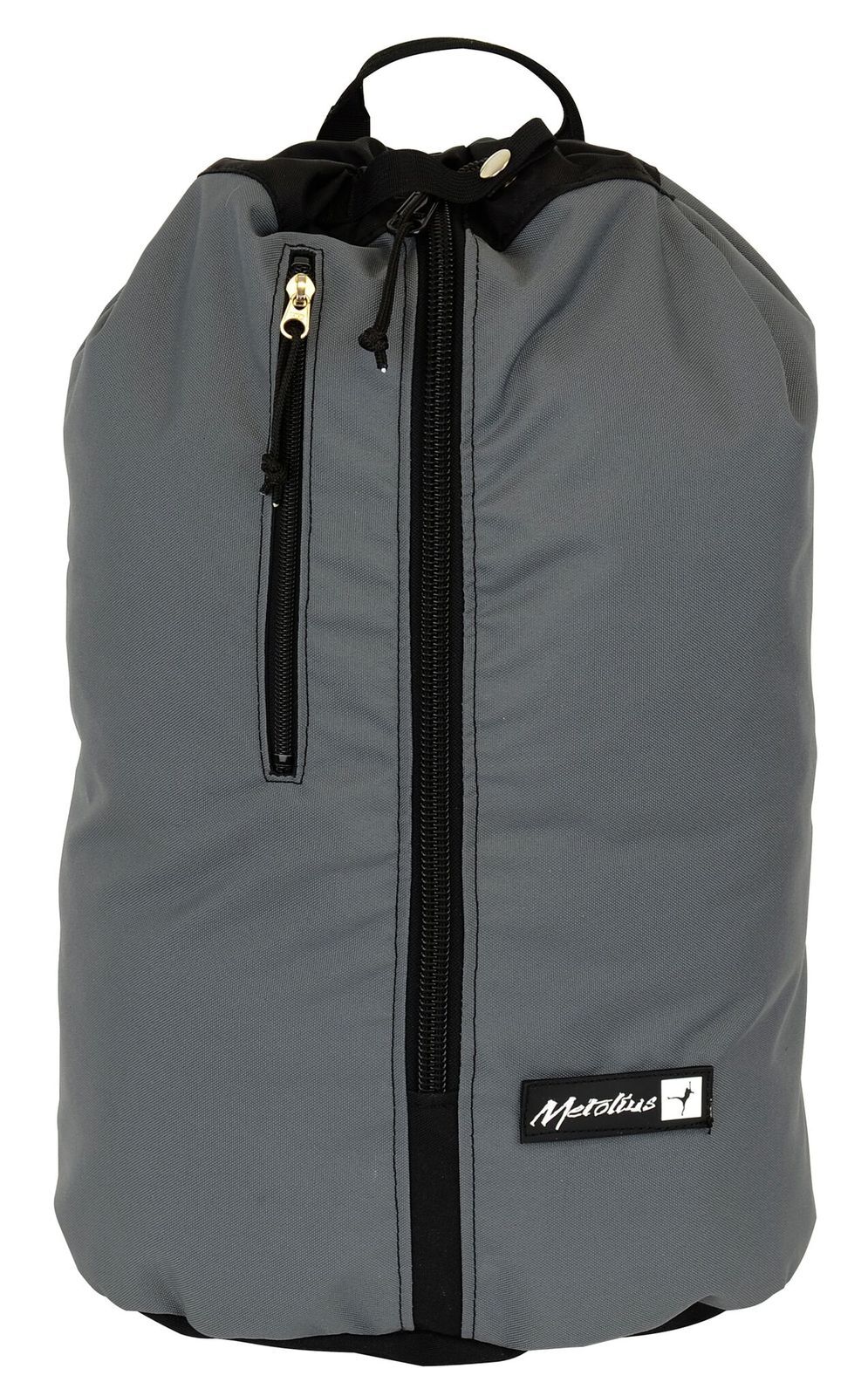
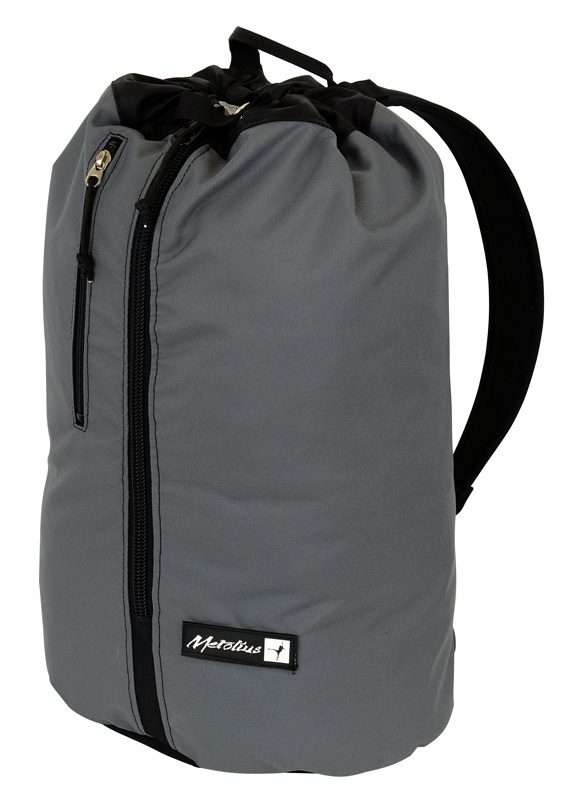
The live page is currently showing all 2 results: the Patagonia Cragsmith Pack 32L – Black and the Metolius Speedster Rope Bag. The Cragsmith Pack 32L is listed as discounted, while the Speedster Rope Bag is marked out of stock on the category page. That makes this section feel more like a focused climbing-and-alpine carry category than a broad expedition-pack archive.
Do I need a climbing pack or a rope bag?
That depends on whether you are carrying the whole day’s kit or mainly managing rope transport. A climbing pack such as the Cragsmith Pack 32L makes more sense when you need one bag for layers, food, hardware, and the rest of the day’s gear. A rope bag is a narrower solution for rope carry and rope management. Offtrack’s climbing research consistently frames gear recommendations around actual discipline and use case, which is the right way to read this category too.
Is 32 litres enough for mountain or ice use?
Sometimes yes, sometimes no. A 32L pack can work well for a stripped-back climbing day, cragging, or a shorter alpine mission where the system is kept tight. It is less likely to be the right answer if you are carrying a larger winter kit, more layers, or gear for a longer technical objective. Offtrack’s wider pack advice says pack choice should follow trip duration and the amount of gear being carried, with recommendations scaling from smaller day-use packs to much larger expedition loads.
What changes if I’m buying for alpine or mountaineering use rather than ordinary rock climbing?
The gear list gets more specialised fast. Offtrack’s own climbing research says alpine and mountaineering customers are dealing with ice axes, crampons, specialist ropes, technical clothing, and, in some cases, glacier or rescue equipment. That means the better pack is the one that fits the system you actually need to carry, not simply the one that looks most “technical” on the shelf.
Are these packs mainly for experienced climbers, or can they suit progressing climbers too?
They can suit both, but the decision should be tied to the objective. Offtrack’s climbing guidance is very clear that they tailor recommendations by skill level and discipline, keeping things simpler for newer climbers and moving into more technical equipment as the user steps into trad, multi-pitch, mountaineering, or alpine terrain. In a small category like this, that matters more than usual because each product is solving a fairly specific carry problem.

