
Categories
Filter by Brands
-
(9)
-
(2)
-
(4)
-
(2)
-
(3)
-
(1)
-
(12)
-
(17)
-
(9)
-
(23)
-
(1)
-
(14)
-
(4)
-
(4)
-
(4)
-
(13)
-
(72)
-
(12)
-
(1)
-
(1)
-
(11)
-
(129)
-
(2)
-
(3)
-
(4)
-
(5)
-
(11)
-
(2)
-
(58)
-
(12)
-
(61)
-
(1)
-
(2)
-
(1)
-
(7)
-
(1)
-
(2)
-
(1)
-
(2)
-
(12)
-
(3)
-
(13)
-
(2)
-
(2)
-
(2)
-
(3)
-
(5)
-
(1)
-
(4)
-
(2)
-
(5)
-
(11)
-
(3)
-
(2)
-
(1)
-
(1)
-
(97)
-
(4)
-
(6)
-
(7)
-
(2)
-
(2)
-
(3)
-
(7)
-
(1)
-
(124)
-
(13)
-
(4)
-
(1)
-
(10)
-
(1)
-
(24)
-
(1)
-
(21)
-
(25)
-
(29)
-
(22)
-
(11)
-
(20)
-
(3)
-
(2)
-
(42)
-
(14)
-
(1)
-
(28)
-
(15)
-
(1)
-
(8)
-
(21)
-
(9)
-
(1)
-
(7)
-
(2)
-
(2)
-
(1)
-
(28)
-
(1)
-
(1)
-
(5)
-
(9)
-
(2)
-
(3)
-
(2)
-
(1)
-
(5)
-
(4)
-
(12)
-
(1)
-
(15)
-
(6)
-
(3)
-
(7)
-
(6)
-
(6)
-
(18)
-
(3)
-
(1)
-
(2)
-
(2)
-
(5)
-
(2)
-
(2)
-
(3)
-
(180)
-
(3)
-
(40)
-
(1)
-
(2)
-
(5)
-
(23)
-
(2)
-
(1)
-
(3)
-
(19)
-
(3)
-
(3)
-
(15)
-
(1)
-
(1)
-
(9)
-
(1)
-
(28)
-
(1)
-
(52)
-
(9)
-
(1)
-
(2)
-
(12)
-
(2)
-
(40)
-
(2)
-
(647)
-
(5)
-
(3)
-
(57)
-
(11)
-
(3)
-
(12)
-
(2)
-
(1)
-
(1)
-
(35)
-
(8)
-
(5)
-
(24)
-
(2)
-
(2)
-
(4)
-
(5)
-
(14)
-
(8)
-
(4)
-
(42)
-
(9)
-
(4)
-
(6)
-
(20)
-
(4)
-
(383)
-
(21)
-
(24)
-
(4)
-
(4)
-
(9)
-
(1)
-
(4)
-
(19)
-
(9)
-
(34)
-
(1)
-
(3)
-
(1)
-
(2)
-
(2)
-
(3)
-
(14)
-
(8)
-
(13)
-
(1)
-
(3)
-
(9)
-
(1)
-
(13)
-
(1)
-
(1)
-
(1)
-
(22)
-
(5)
-
(13)
-
(1)
-
(1)
-
(30)
-
(8)
-
(5)
-
(58)
-
(1)
-
(11)
-
(6)
-
(5)
-
(4)
-
(4)
-
(1)
-
(1)
-
(201)
-
(2)
-
(1)
-
(1)
-
(9)
-
(98)
-
(1)
-
(66)
-
(2)
-
(7)
-
(4)
Price Range
-
Price:—
Select Size
-
(2)
-
(1)





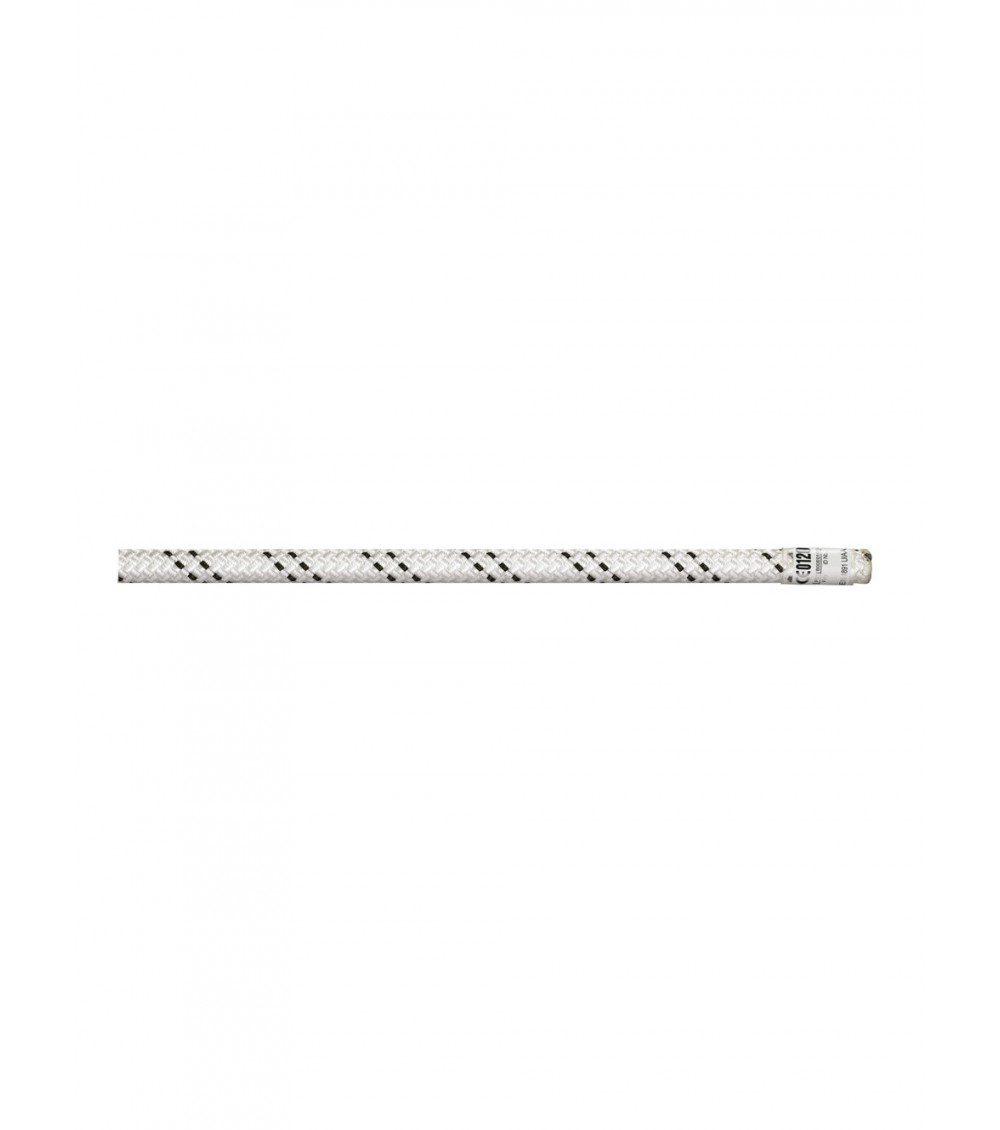
The questions worth asking before you choose static rope
What does our static rope category actually cover?
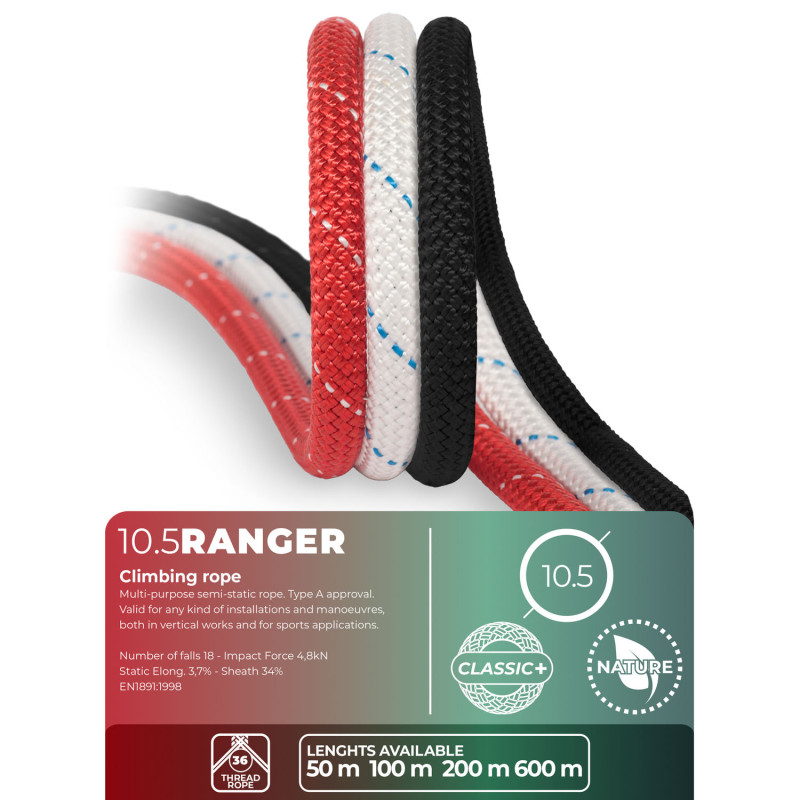
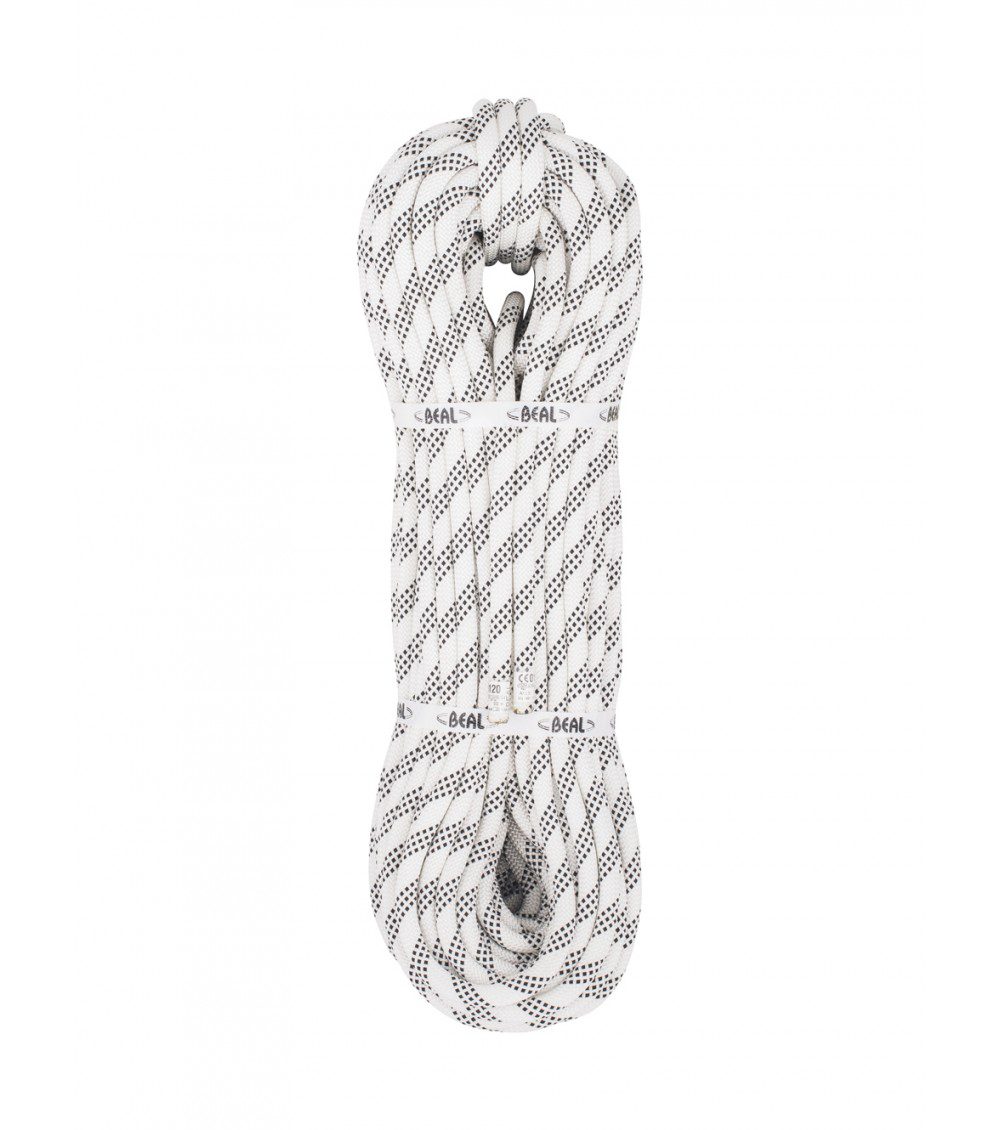
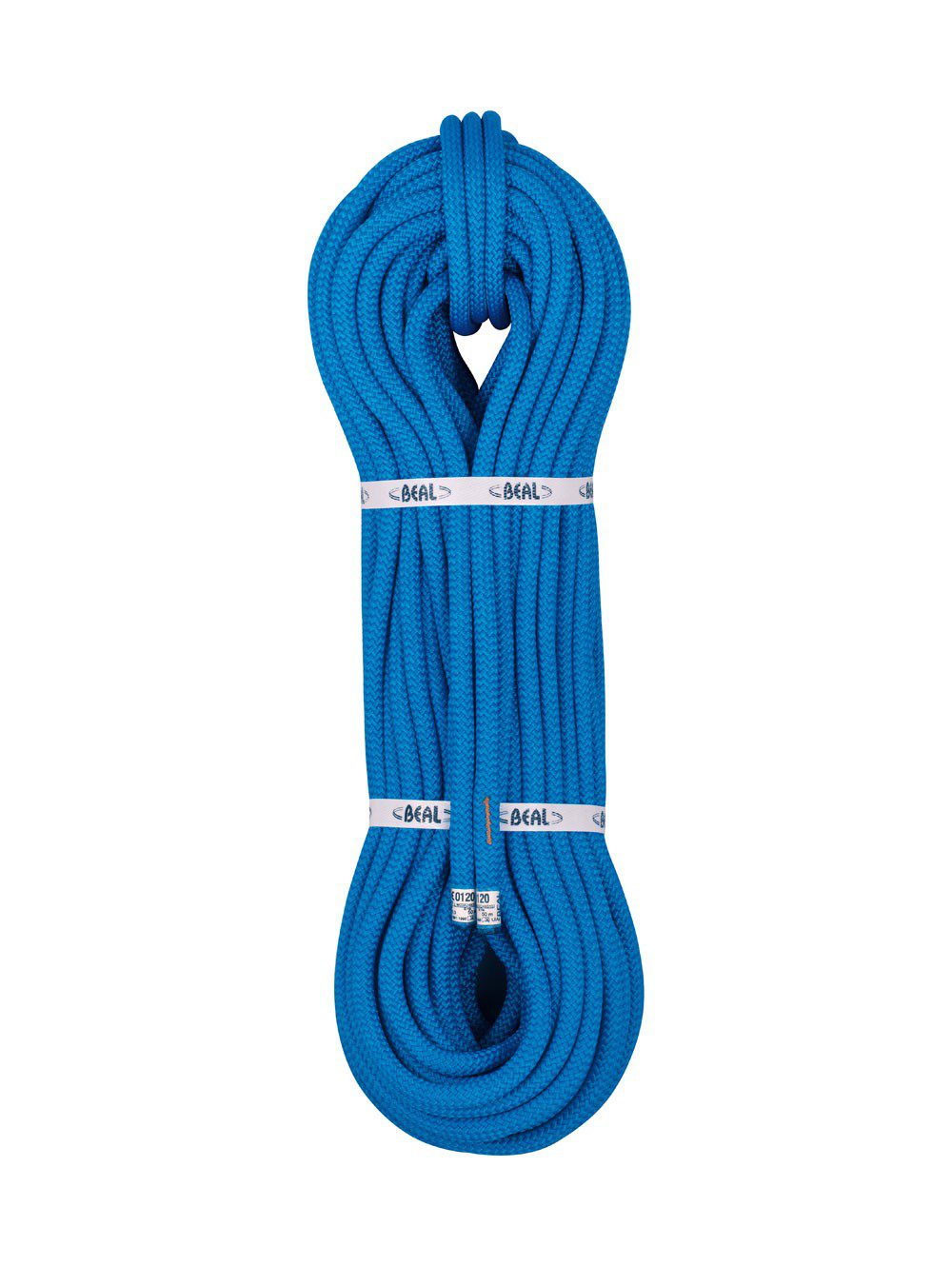
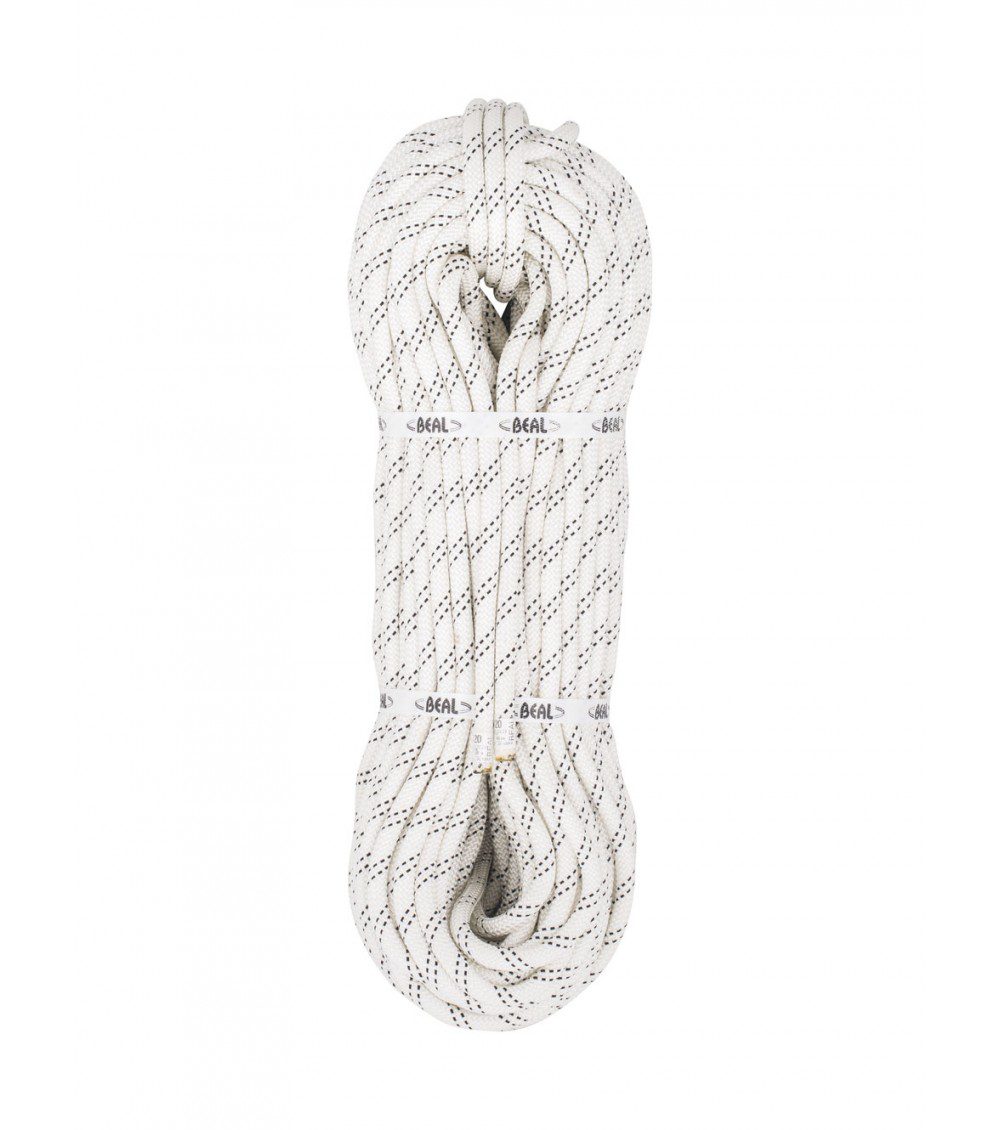
Our static rope category sits inside Heights & Climb → Climbing Gear, and it covers ropes designed for uses where minimal stretch is the point. In OffTrack’s climbing guidance, static ropes are clearly separated from dynamic climbing ropes and described as being used for abseiling, rescue and fixed lines rather than lead climbing falls.
Who is this category really for?
This category usually makes the most sense for abseiling, rescue, rope access, fixed-line setups, outdoor education programs and other more specialised vertical work. OffTrack’s broader climbing research also shows that we serve not only recreational climbers but schools, rescue-oriented users and industrial clients, which is why this category sits within a wider Heights & Climb range rather than only a sport climbing offer.
How do we help you choose between static rope and dynamic rope?
We start with the job the rope needs to do. Dynamic ropes are the ropes used for rock climbing because they are built to stretch and absorb fall energy. Static ropes are the right tool when you want minimal stretch for abseiling, hauling, rescue or fixed-line work. That distinction matters because the two rope types are solving different problems, and mixing them up leads to the wrong shortlist straight away.
When is static rope the right choice?
Static rope is the right choice when controlled descent, rope access, hauling or rescue efficiency matters more than fall absorption. OffTrack’s own climbing material specifically places static ropes in abseiling, rescue and fixed-line contexts, which tells you this category is about purpose-built vertical systems rather than general climbing rope shopping.
What decision factors matter most in this category?
The main filters are intended use, rope length, rope diameter, user experience and how the rope will sit inside the broader system. OffTrack’s climbing guidance notes that rope recommendations are made around appropriate length and diameter, with staff matching rope type to the person’s intended activity rather than treating every rope as interchangeable. In a category like this, the rope only makes sense when it matches the actual task and hardware around it.
Is this mainly for recreational climbers?
Not usually. Some recreational users will absolutely need static rope for abseiling or fixed-line applications, but this category leans more specialised than a standard single climbing rope. OffTrack’s broader research links full-body harnesses, rescue equipment and rope-access style use cases together, which is a strong sign that static rope often belongs in more technical or supervised environments rather than a basic starter climbing kit.

