
Categories
-
(344)
-
(134)
-
(15)
-
(18)
-
(14)
-
(52)
-
(31)
-
(12)
-
-
(127)
-
(5)
-
(18)
-
(24)
-
(31)
-
(15)
-
(23)
-
(9)
-
-
(127)
-
(16)
-
(8)
-
(34)
-
(64)
-
(13)
-
-
(58)
-
(7)
-
(18)
-
(36)
-
(31)
-
-
(11)
-
(2)
-
(2)
-
(4)
-
-
(8)
-
Filter by Brands
-
(9)
-
(2)
-
(4)
-
(2)
-
(3)
-
(1)
-
(12)
-
(17)
-
(9)
-
(23)
-
(1)
-
(14)
-
(4)
-
(4)
-
(4)
-
(13)
-
(72)
-
(12)
-
(1)
-
(1)
-
(11)
-
(129)
-
(2)
-
(3)
-
(4)
-
(5)
-
(11)
-
(2)
-
(58)
-
(12)
-
(61)
-
(1)
-
(2)
-
(1)
-
(7)
-
(1)
-
(2)
-
(1)
-
(2)
-
(12)
-
(3)
-
(13)
-
(2)
-
(2)
-
(2)
-
(3)
-
(5)
-
(1)
-
(4)
-
(2)
-
(5)
-
(11)
-
(3)
-
(2)
-
(1)
-
(1)
-
(97)
-
(4)
-
(6)
-
(7)
-
(2)
-
(2)
-
(3)
-
(7)
-
(1)
-
(124)
-
(13)
-
(4)
-
(1)
-
(10)
-
(1)
-
(24)
-
(1)
-
(21)
-
(25)
-
(29)
-
(22)
-
(11)
-
(20)
-
(3)
-
(2)
-
(42)
-
(14)
-
(1)
-
(28)
-
(15)
-
(1)
-
(8)
-
(21)
-
(9)
-
(1)
-
(7)
-
(2)
-
(2)
-
(1)
-
(28)
-
(1)
-
(1)
-
(5)
-
(9)
-
(2)
-
(3)
-
(2)
-
(1)
-
(5)
-
(4)
-
(12)
-
(1)
-
(15)
-
(6)
-
(3)
-
(7)
-
(6)
-
(6)
-
(18)
-
(3)
-
(1)
-
(2)
-
(2)
-
(5)
-
(2)
-
(2)
-
(3)
-
(180)
-
(3)
-
(40)
-
(1)
-
(2)
-
(5)
-
(23)
-
(2)
-
(1)
-
(3)
-
(19)
-
(3)
-
(3)
-
(15)
-
(1)
-
(1)
-
(9)
-
(1)
-
(28)
-
(1)
-
(52)
-
(9)
-
(1)
-
(2)
-
(12)
-
(2)
-
(40)
-
(2)
-
(647)
-
(5)
-
(3)
-
(57)
-
(11)
-
(3)
-
(12)
-
(2)
-
(1)
-
(1)
-
(35)
-
(8)
-
(5)
-
(24)
-
(2)
-
(2)
-
(4)
-
(5)
-
(14)
-
(8)
-
(4)
-
(42)
-
(9)
-
(4)
-
(6)
-
(20)
-
(4)
-
(383)
-
(21)
-
(24)
-
(4)
-
(4)
-
(9)
-
(1)
-
(4)
-
(19)
-
(9)
-
(34)
-
(1)
-
(3)
-
(1)
-
(2)
-
(2)
-
(3)
-
(14)
-
(8)
-
(13)
-
(1)
-
(3)
-
(9)
-
(1)
-
(13)
-
(1)
-
(1)
-
(1)
-
(22)
-
(5)
-
(13)
-
(1)
-
(1)
-
(30)
-
(8)
-
(5)
-
(58)
-
(1)
-
(11)
-
(6)
-
(5)
-
(4)
-
(4)
-
(1)
-
(1)
-
(201)
-
(2)
-
(1)
-
(1)
-
(9)
-
(98)
-
(1)
-
(66)
-
(2)
-
(7)
-
(4)
Price Range
-
Price:—
Select Size
-
(1)
-
(540)
-
(214)
-
(763)
-
(701)
-
(697)
-
(7)
-
(8)
-
(1)
-
(85)
-
(137)
-
(17)
-
(5)
-
(1)
-
(1)
-
(88)
-
(135)
-
(1)
-
(38)
-
(49)
-
(3)
-
(51)
-
(32)
-
(5)
-
(1)
-
(1)
-
(3)
-
(4)
-
(1)
-
(1)
-
(1)
-
(7)
-
(5)
-
(11)
-
(69)
-
(68)
-
(69)
-
(8)
-
(2)
-
(5)
-
(3)
-
(3)
-
(1)
-
(7)
-
(2)
-
(2)
-
(1)
-
(1)
-
(1)
-
(3)
-
(1)
-
(3)
-
(2)
-
(1)
-
(2)
-
(3)
-
(3)
-
(3)
-
(14)
-
(4)
-
(7)
-
(29)
-
(102)
-
(94)
-
(9)
-
(14)
-
(10)
-
(11)
-
(70)
-
(1)
-
(1)
-
(1)
-
(135)
-
(2)
-
(2)
-
(1)
-
(1)
-
(1)
-
(1)
-
(2)
-
(1)

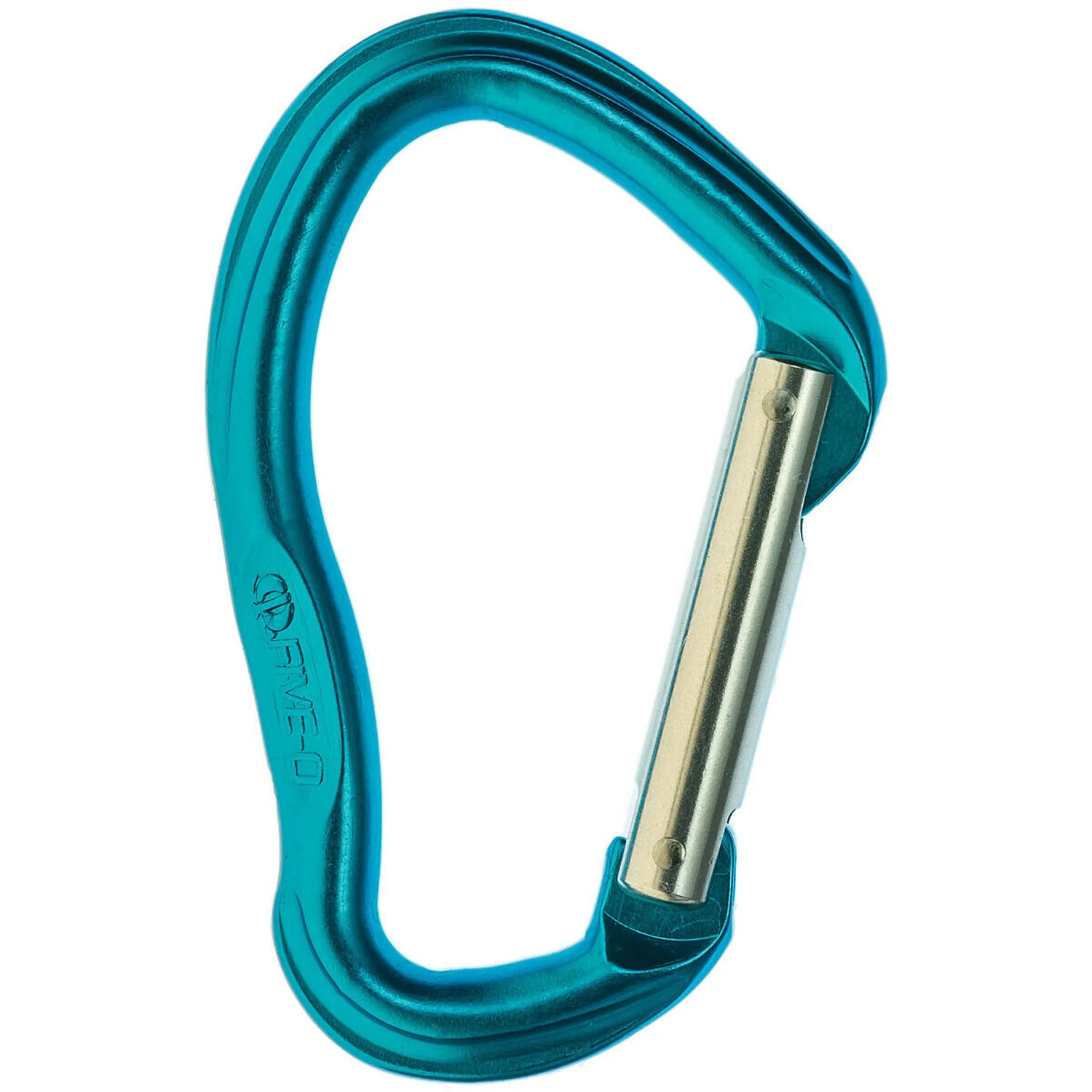
$24.95 Original price was: $24.95.$15.00Current price is: $15.00.
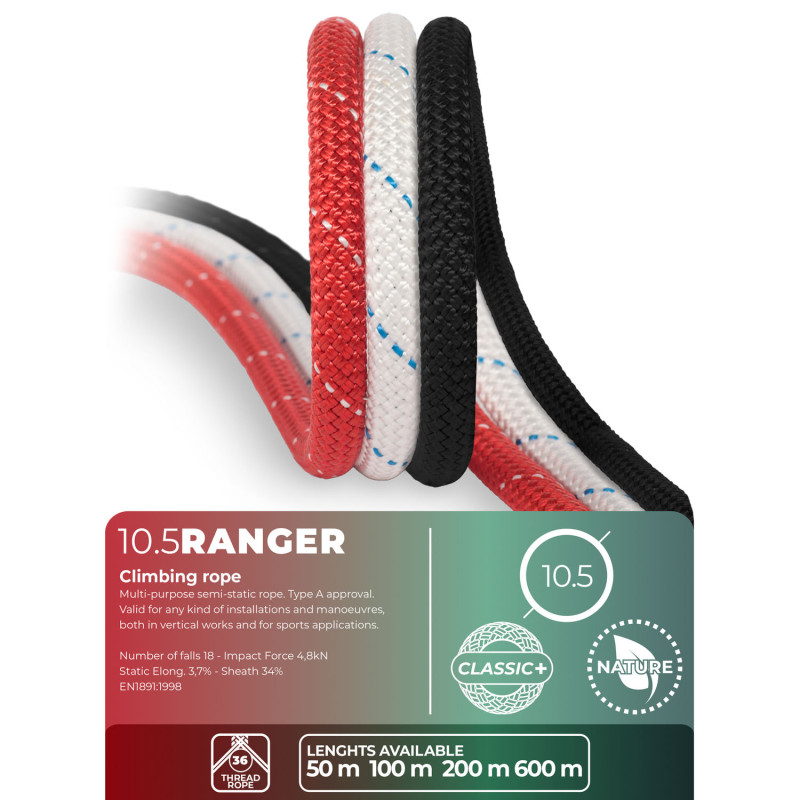

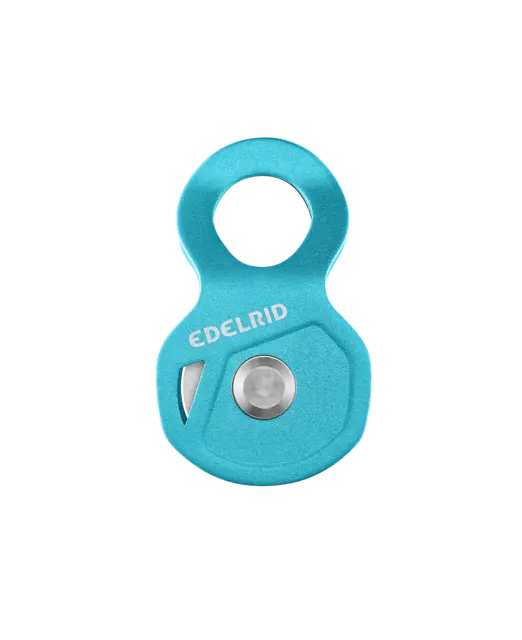
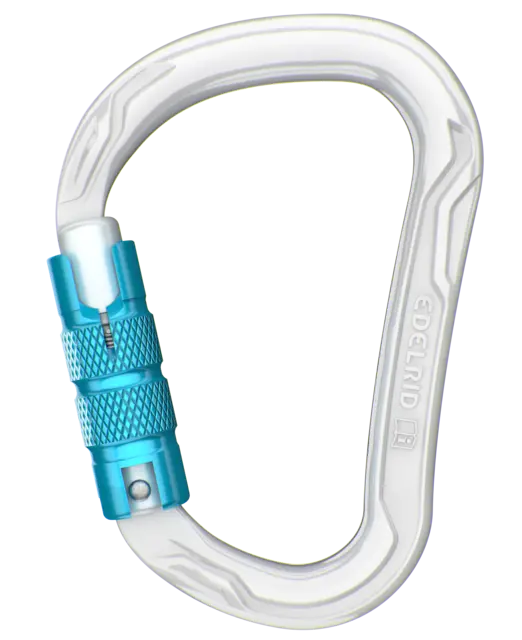

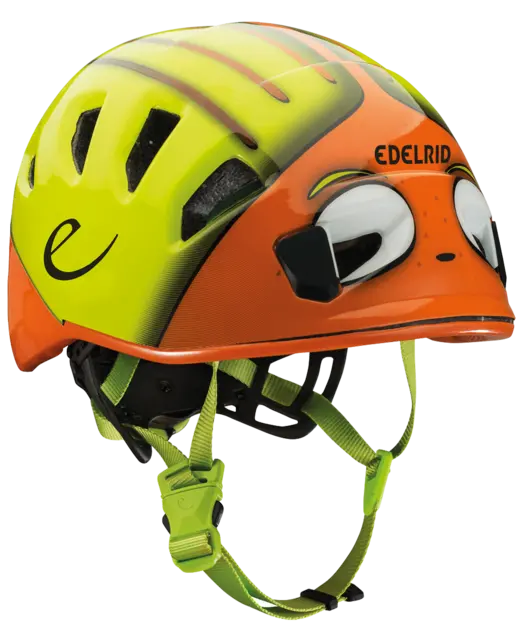
Choosing Heights & Climb gear gets easier once you narrow the job it needs to do
What kind of gear can I shop in Heights & Climb?
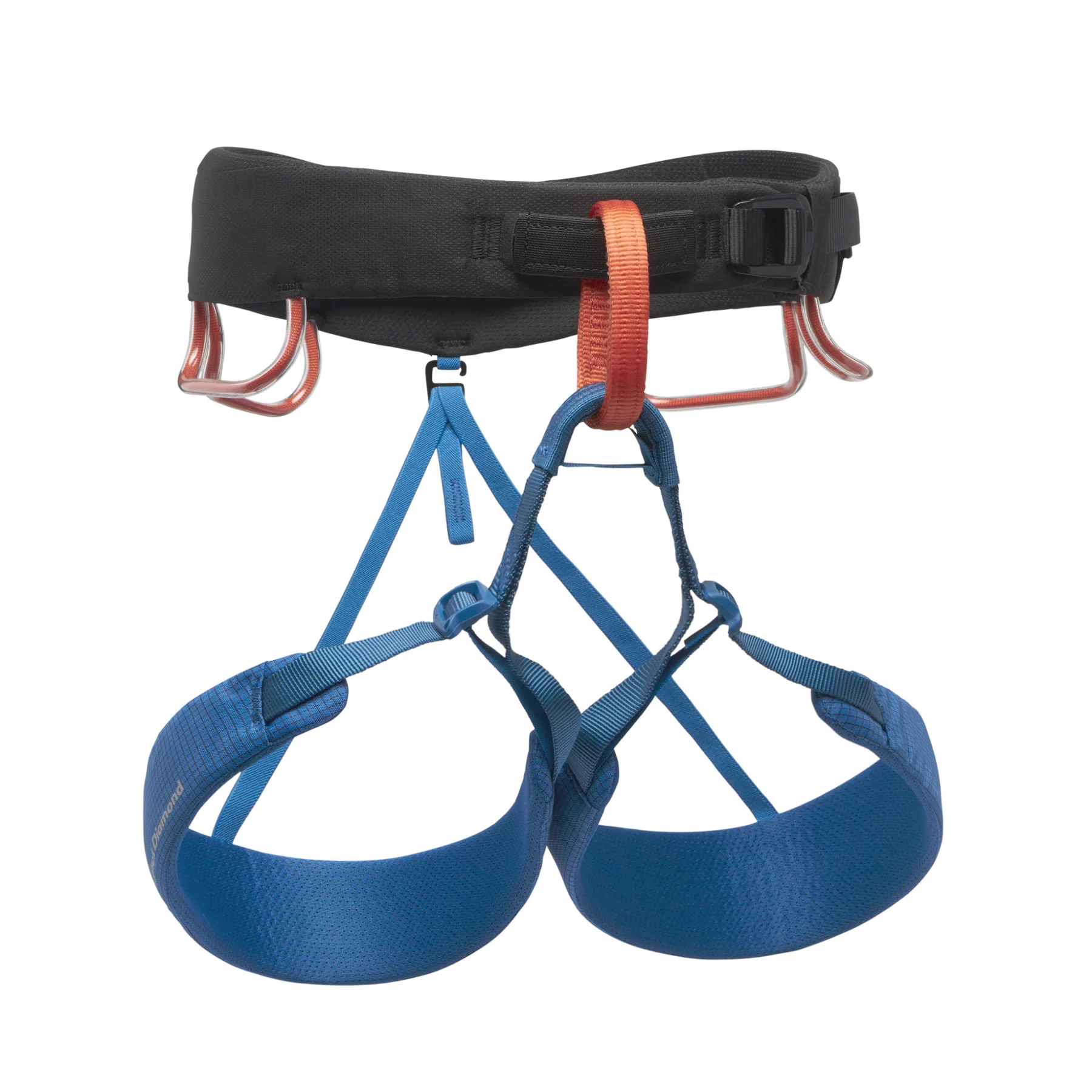
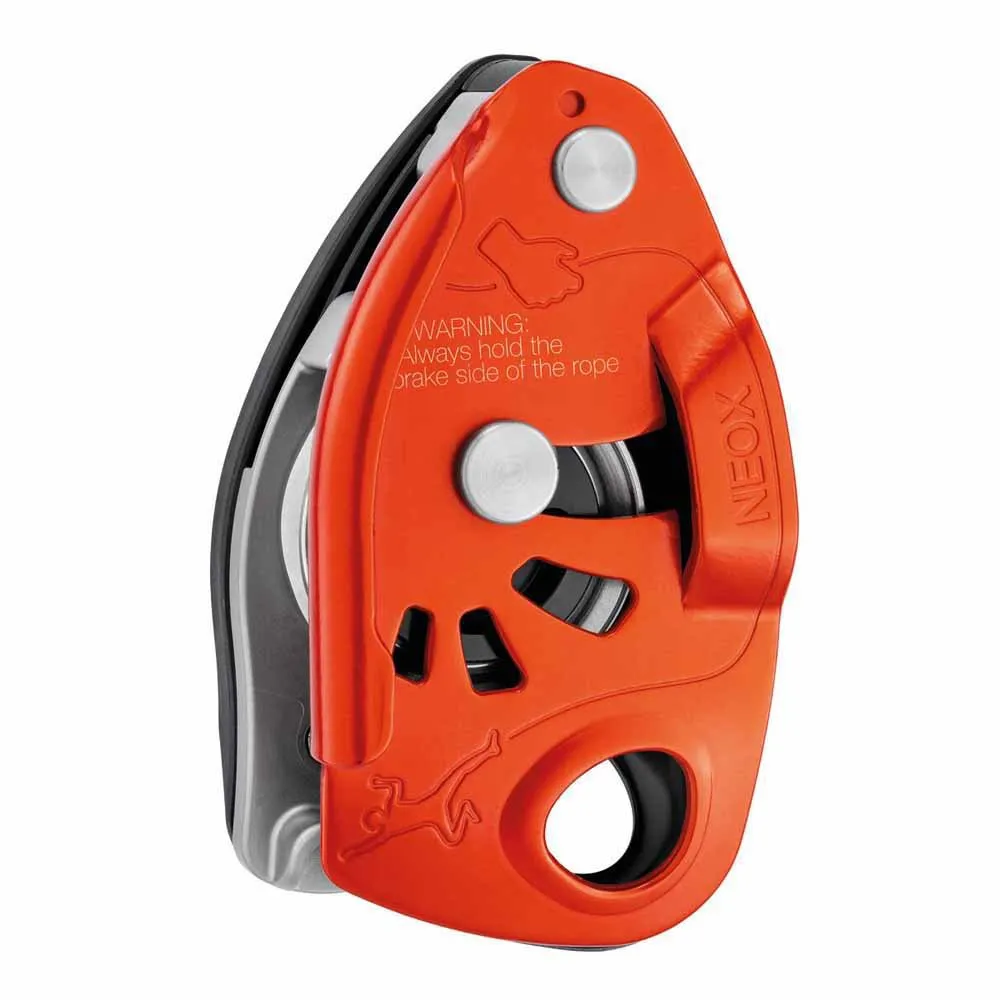
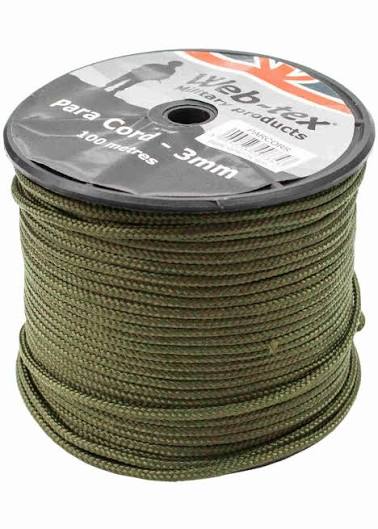
Heights & Climb covers a wide range of equipment for climbing, height safety, alpine travel, and technical rope systems. That includes climbing gear, climbing hardware, harnesses, mountain and ice equipment, training accessories, and adventure park or industrial-height products. The fastest way to shop it well is to start with the activity first, then narrow the gear around that use.
How do I know where to start if I am not sure what I need yet?
Start with the environment you are buying for. If you are climbing indoors or outdoors recreationally, begin with your personal climbing setup such as harnesses, helmets, ropes, belay devices, or hardware. If you need equipment for height safety, rescue, or managed systems, start with the industrial and adventure park side. If your plans involve snow, alpine terrain, or mountaineering, mountain and ice gear is the better place to begin.
What is the difference between climbing gear and climbing hardware?
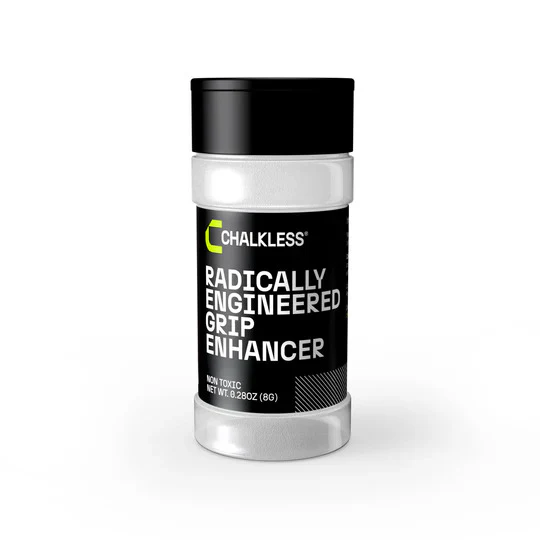
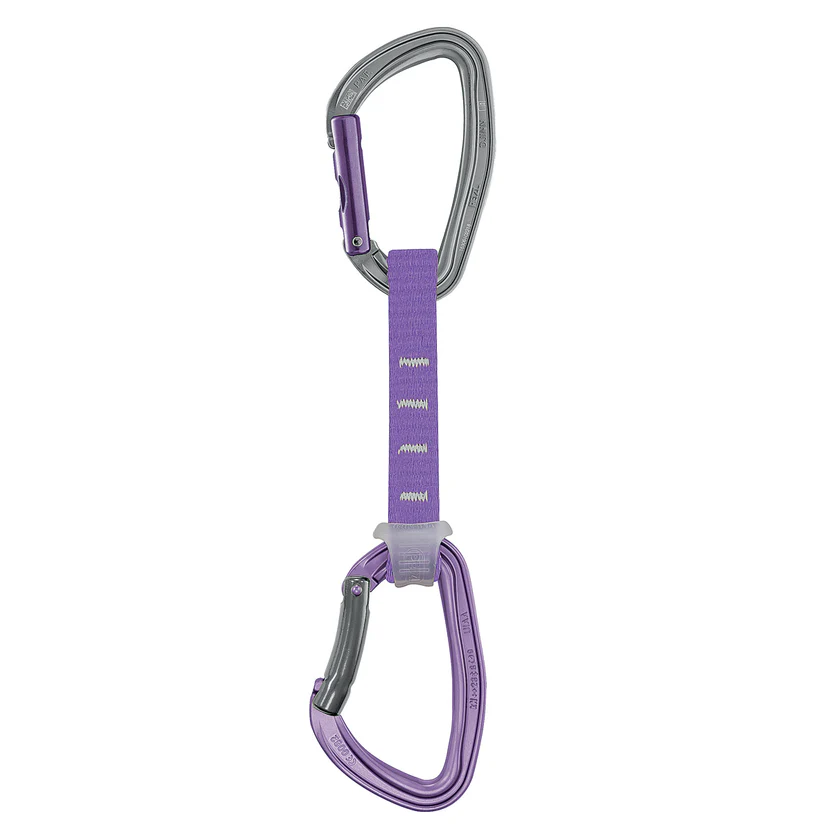
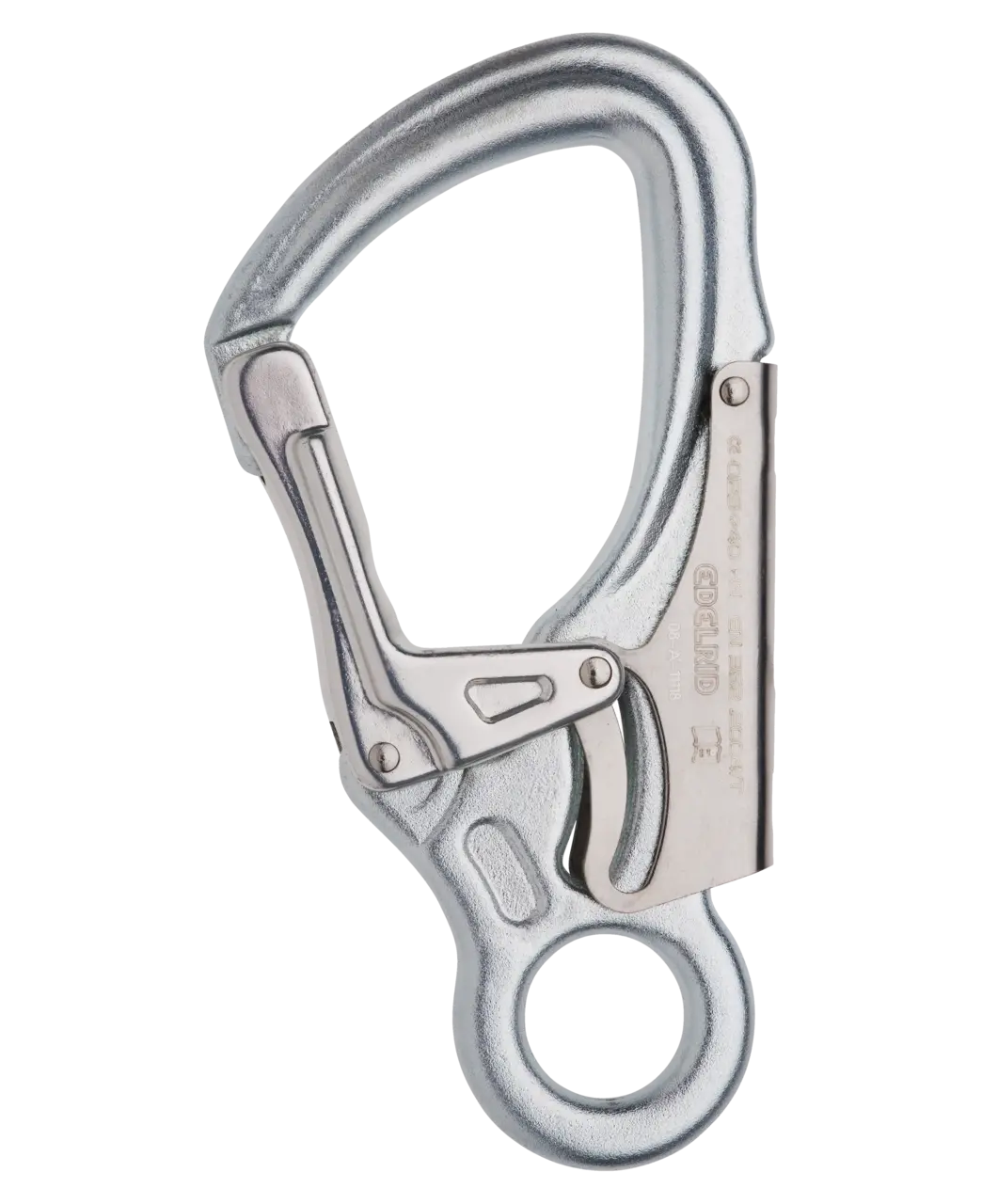
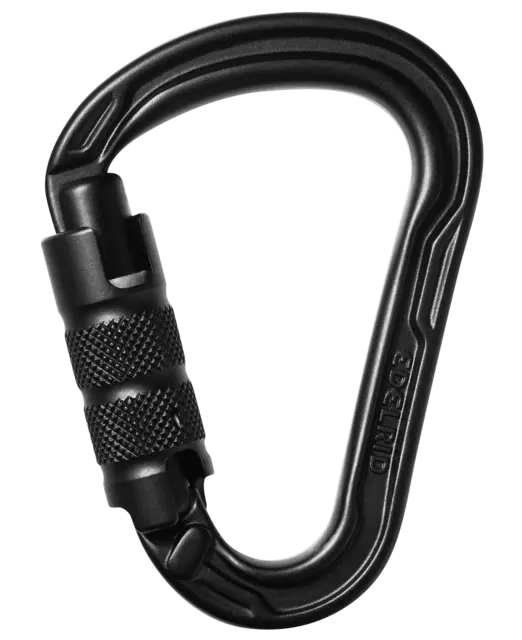
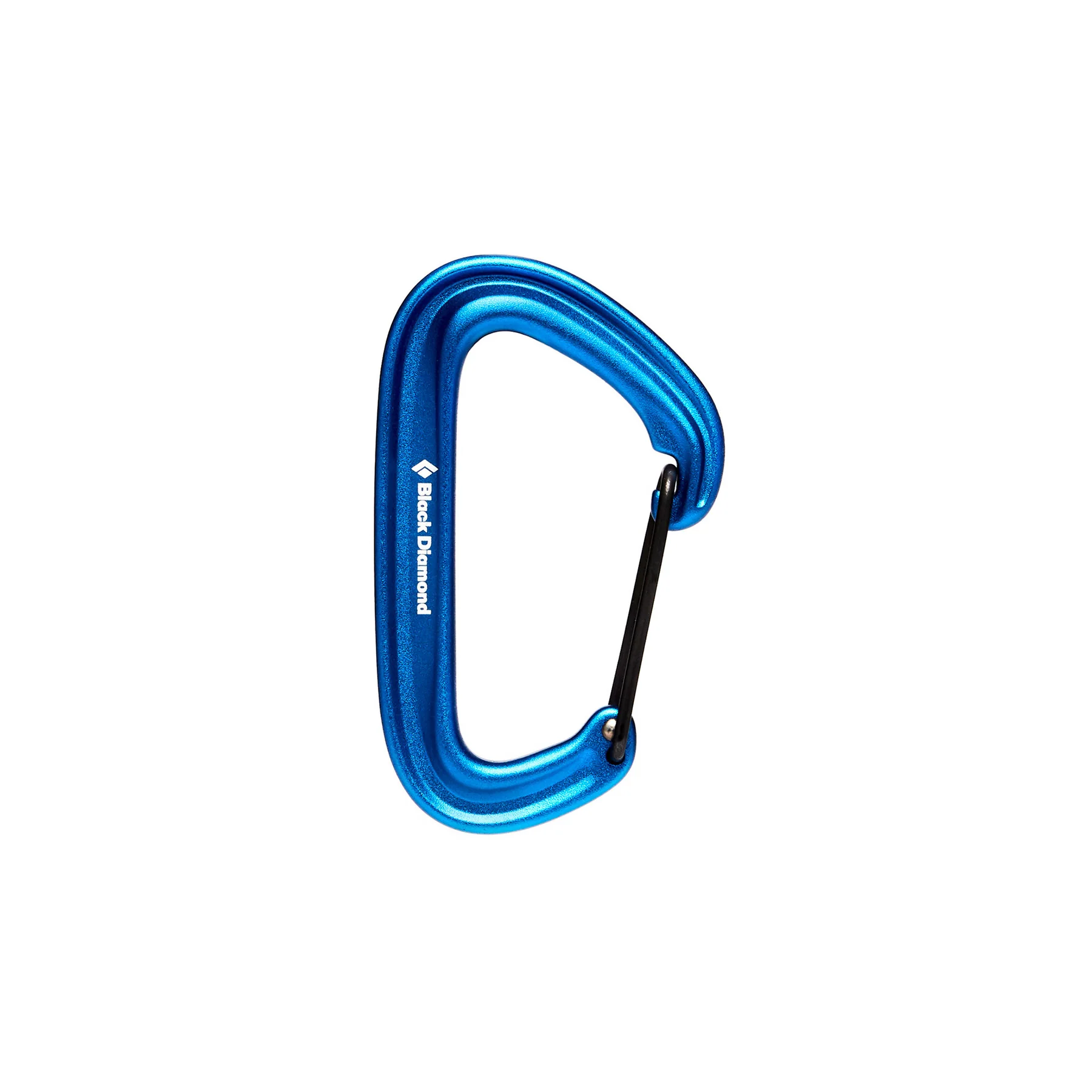
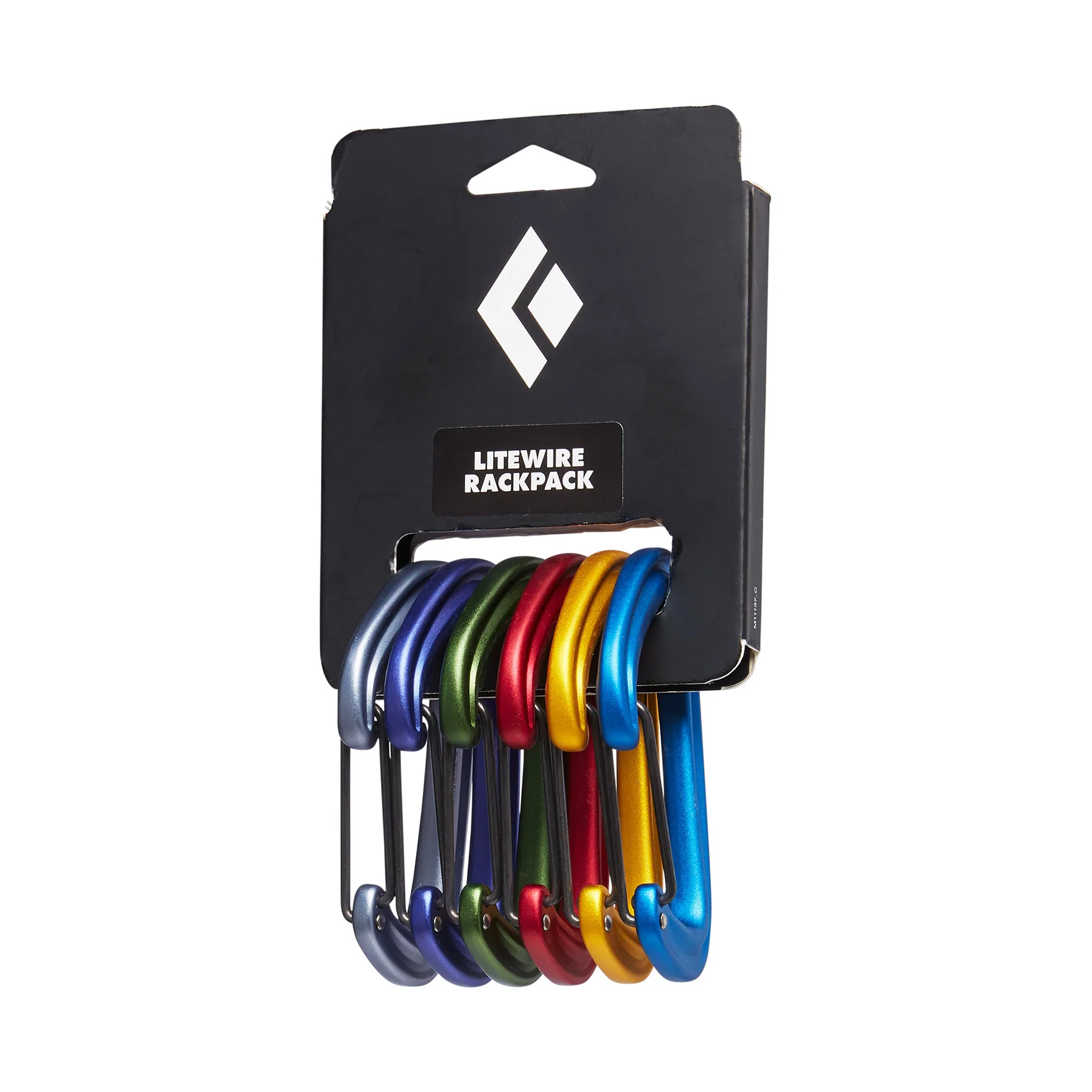
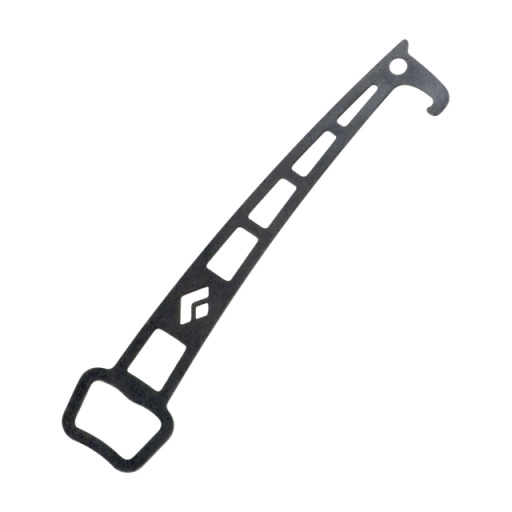
Climbing gear usually covers the broader personal kit, such as shoes, slings and webbing, helmets, chalk, and ropes. Climbing hardware is more focused on the metal equipment and technical connection points that make the system work, including carabiners, belay devices, pulleys, ascenders, descenders, quickdraws, anchors, and cams. If you are building out the part of your setup that clips, controls, or protects, hardware is often the better place to look.
How do I choose between a climbing harness and an industrial harness?
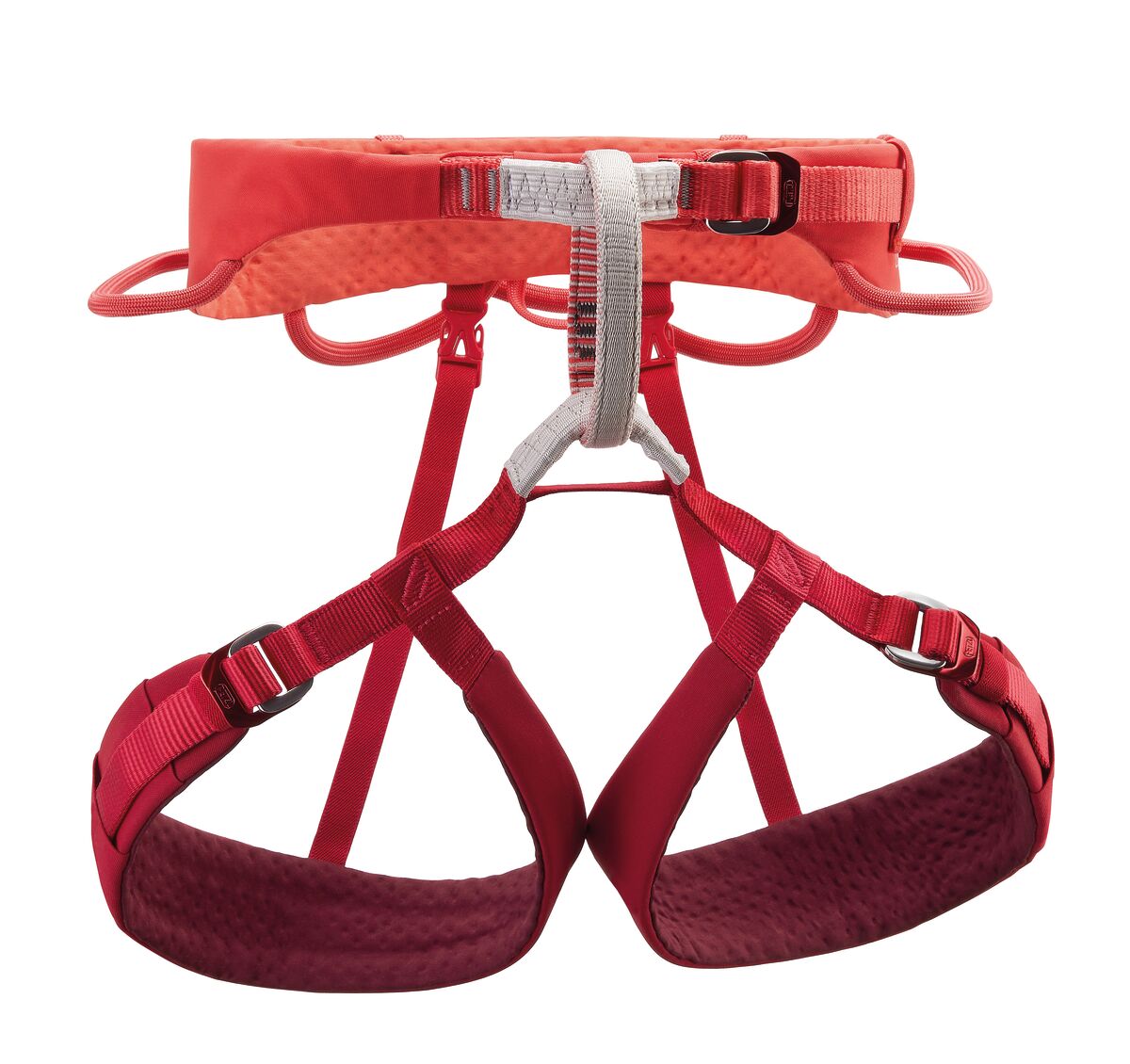
Choose around the type of work or climbing you are doing. A climbing harness is usually built for recreational climbing movement and personal comfort on the wall or rock. A full-body or industrial-style harness is generally the better fit when the system is built around work at height, rescue, or managed safety requirements. The important part is not treating them as interchangeable, because they are designed around different demands.
When does mountain and ice gear become the right choice?
Mountain and ice gear becomes relevant when general climbing or hiking equipment is no longer enough for the terrain. If the trip involves snow travel, crampon-compatible movement, ice tools, or more technical alpine conditions, that is usually the point where specialised mountain and ice equipment starts to matter. In those situations, the gear needs to match the terrain, not just the activity name.
Can I build a beginner setup here without overbuying?
Yes, as long as you build around your next real use rather than trying to cover every future scenario at once. Most beginners are better off starting with the core pieces they actually need now, then adding more specialised hardware as their climbing or technical systems become more specific. That keeps the setup clearer, easier to understand, and less likely to fill up with gear that does not suit the job.

