
Categories
Filter by Brands
-
(9)
-
(2)
-
(4)
-
(2)
-
(3)
-
(1)
-
(12)
-
(17)
-
(9)
-
(23)
-
(1)
-
(14)
-
(4)
-
(4)
-
(4)
-
(13)
-
(72)
-
(12)
-
(1)
-
(1)
-
(11)
-
(129)
-
(2)
-
(3)
-
(4)
-
(5)
-
(11)
-
(2)
-
(58)
-
(12)
-
(61)
-
(1)
-
(2)
-
(1)
-
(7)
-
(1)
-
(2)
-
(1)
-
(2)
-
(12)
-
(3)
-
(13)
-
(2)
-
(2)
-
(2)
-
(3)
-
(5)
-
(1)
-
(4)
-
(2)
-
(5)
-
(11)
-
(3)
-
(2)
-
(1)
-
(1)
-
(97)
-
(4)
-
(6)
-
(7)
-
(2)
-
(2)
-
(3)
-
(7)
-
(1)
-
(124)
-
(13)
-
(4)
-
(1)
-
(10)
-
(1)
-
(24)
-
(1)
-
(21)
-
(25)
-
(29)
-
(22)
-
(11)
-
(20)
-
(3)
-
(2)
-
(42)
-
(14)
-
(1)
-
(28)
-
(15)
-
(1)
-
(8)
-
(21)
-
(9)
-
(1)
-
(7)
-
(2)
-
(2)
-
(1)
-
(28)
-
(1)
-
(1)
-
(5)
-
(9)
-
(2)
-
(3)
-
(2)
-
(1)
-
(5)
-
(4)
-
(12)
-
(1)
-
(15)
-
(6)
-
(3)
-
(7)
-
(6)
-
(6)
-
(18)
-
(3)
-
(1)
-
(2)
-
(2)
-
(5)
-
(2)
-
(2)
-
(3)
-
(180)
-
(3)
-
(40)
-
(1)
-
(2)
-
(5)
-
(23)
-
(2)
-
(1)
-
(3)
-
(19)
-
(3)
-
(3)
-
(15)
-
(1)
-
(1)
-
(9)
-
(1)
-
(28)
-
(1)
-
(52)
-
(9)
-
(1)
-
(2)
-
(12)
-
(2)
-
(40)
-
(2)
-
(647)
-
(5)
-
(3)
-
(57)
-
(11)
-
(3)
-
(12)
-
(2)
-
(1)
-
(1)
-
(35)
-
(8)
-
(5)
-
(24)
-
(2)
-
(2)
-
(4)
-
(5)
-
(14)
-
(8)
-
(4)
-
(42)
-
(9)
-
(4)
-
(6)
-
(20)
-
(4)
-
(383)
-
(21)
-
(24)
-
(4)
-
(4)
-
(9)
-
(1)
-
(4)
-
(19)
-
(9)
-
(34)
-
(1)
-
(3)
-
(1)
-
(2)
-
(2)
-
(3)
-
(14)
-
(8)
-
(13)
-
(1)
-
(3)
-
(9)
-
(1)
-
(13)
-
(1)
-
(1)
-
(1)
-
(22)
-
(5)
-
(13)
-
(1)
-
(1)
-
(30)
-
(8)
-
(5)
-
(58)
-
(1)
-
(11)
-
(6)
-
(5)
-
(4)
-
(4)
-
(1)
-
(1)
-
(201)
-
(2)
-
(1)
-
(1)
-
(9)
-
(98)
-
(1)
-
(66)
-
(2)
-
(7)
-
(4)
Price Range
-
Price:—
Select Size
-
(7)
-
(8)
-
(1)
-
(137)
-
(17)
-
(51)
-
(7)







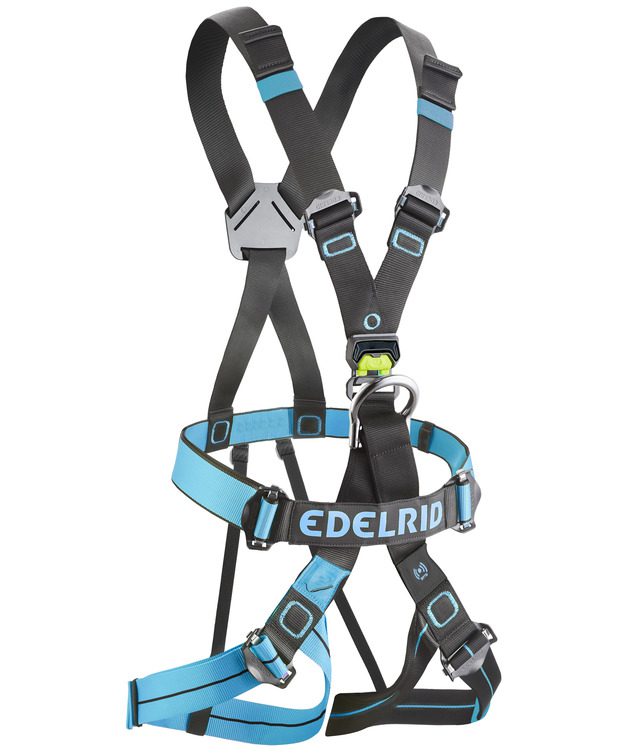

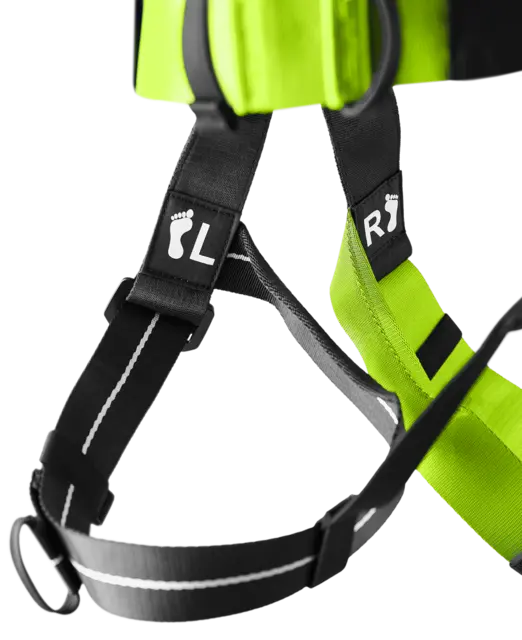


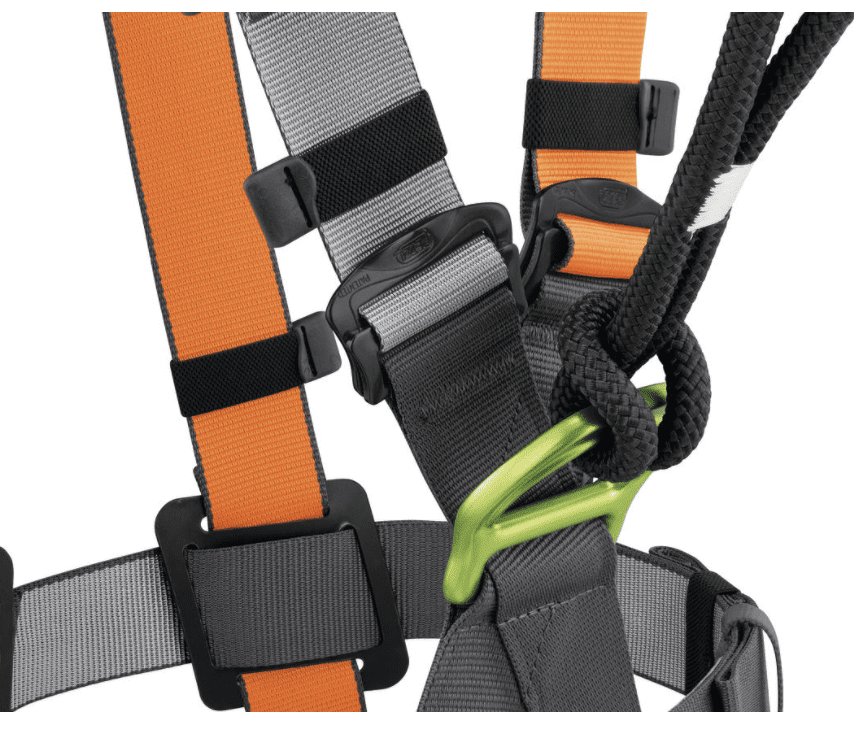

The questions worth asking before you choose a full-body climbing harness
What does our full-body harness category actually cover?
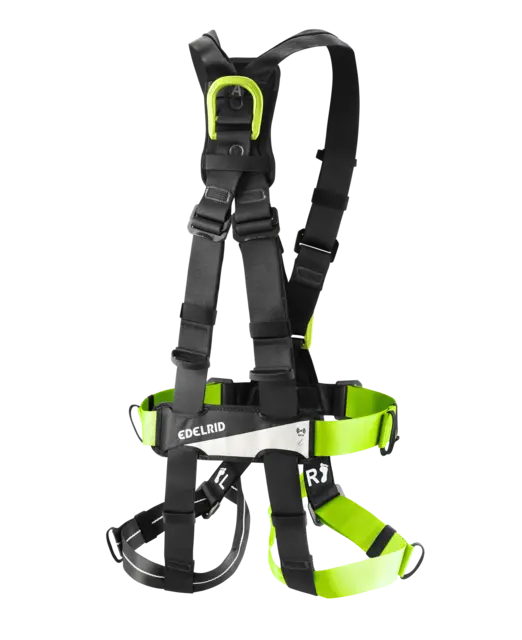
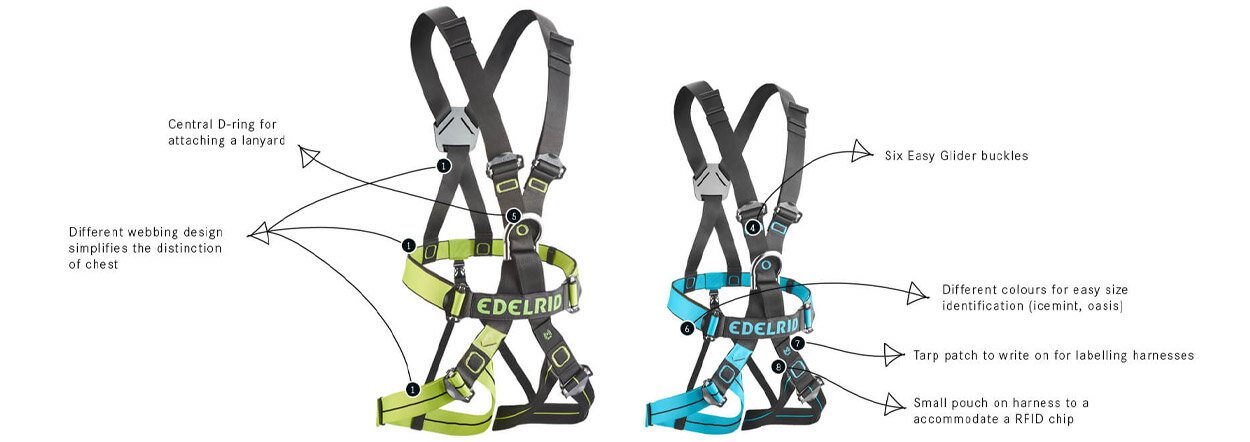
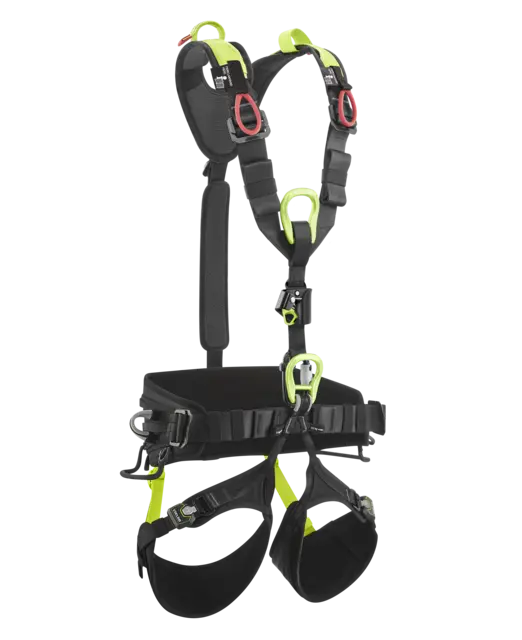
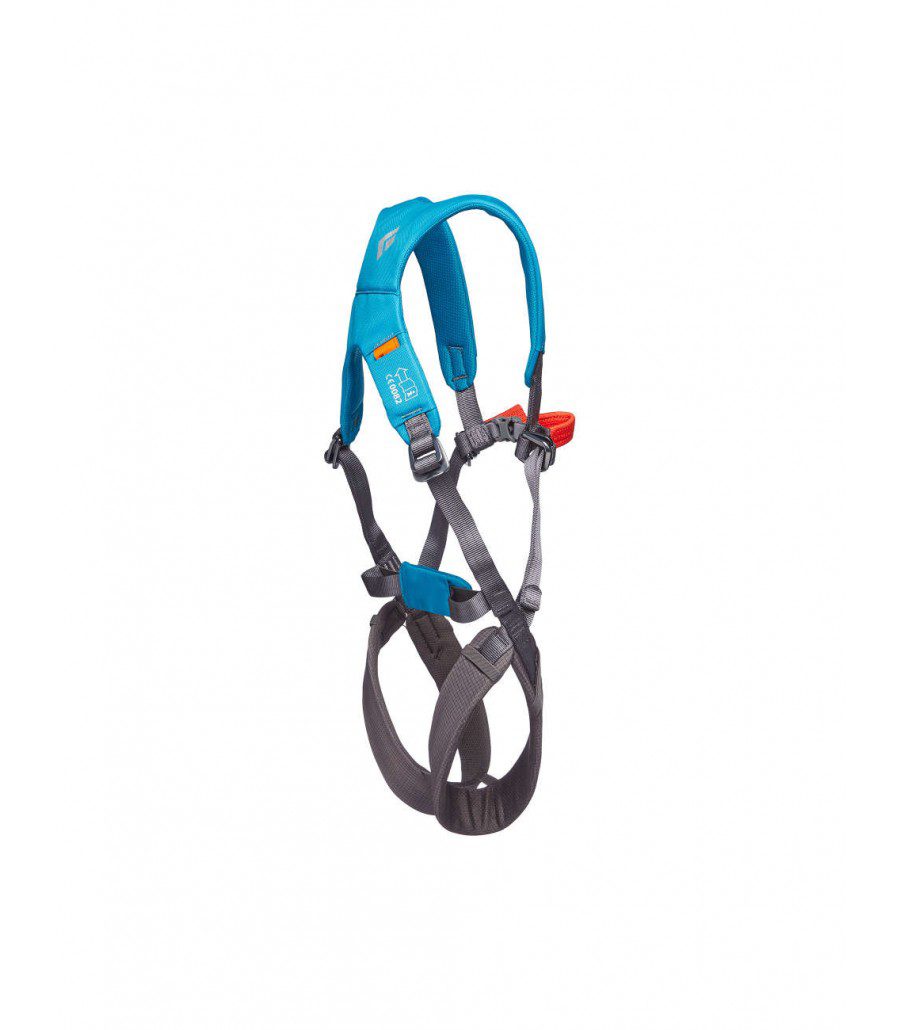
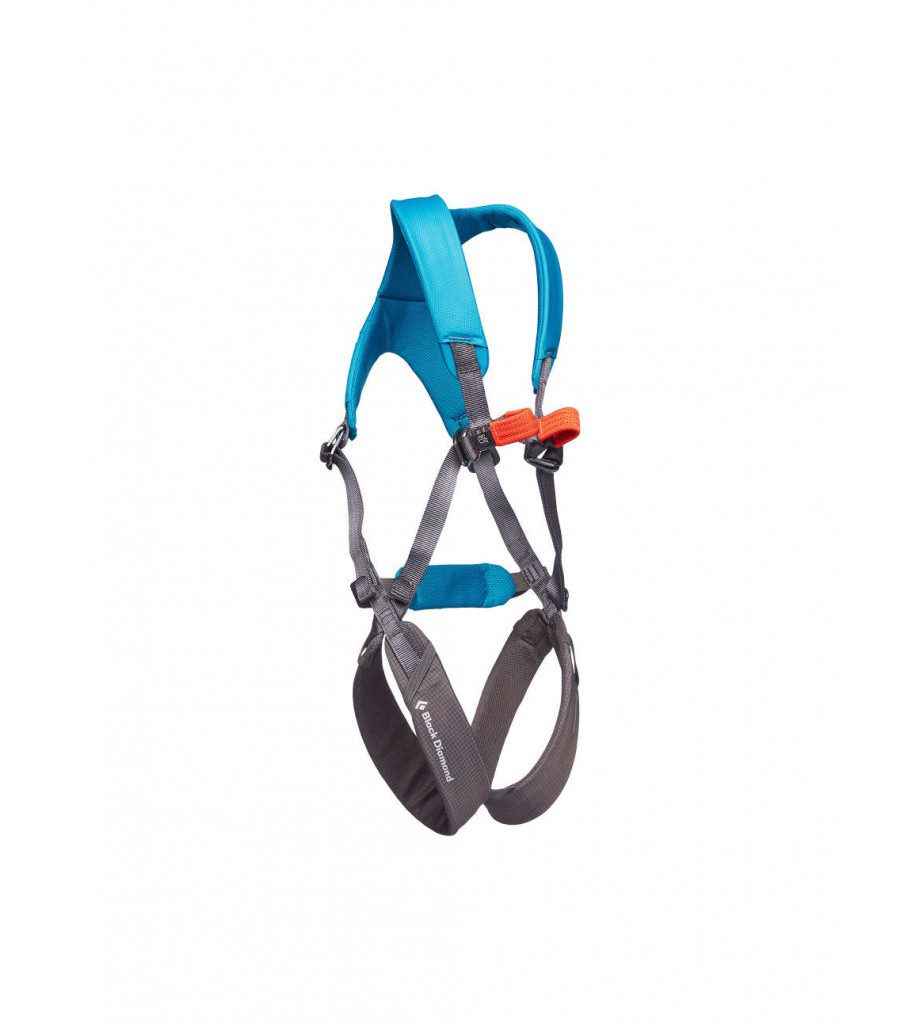
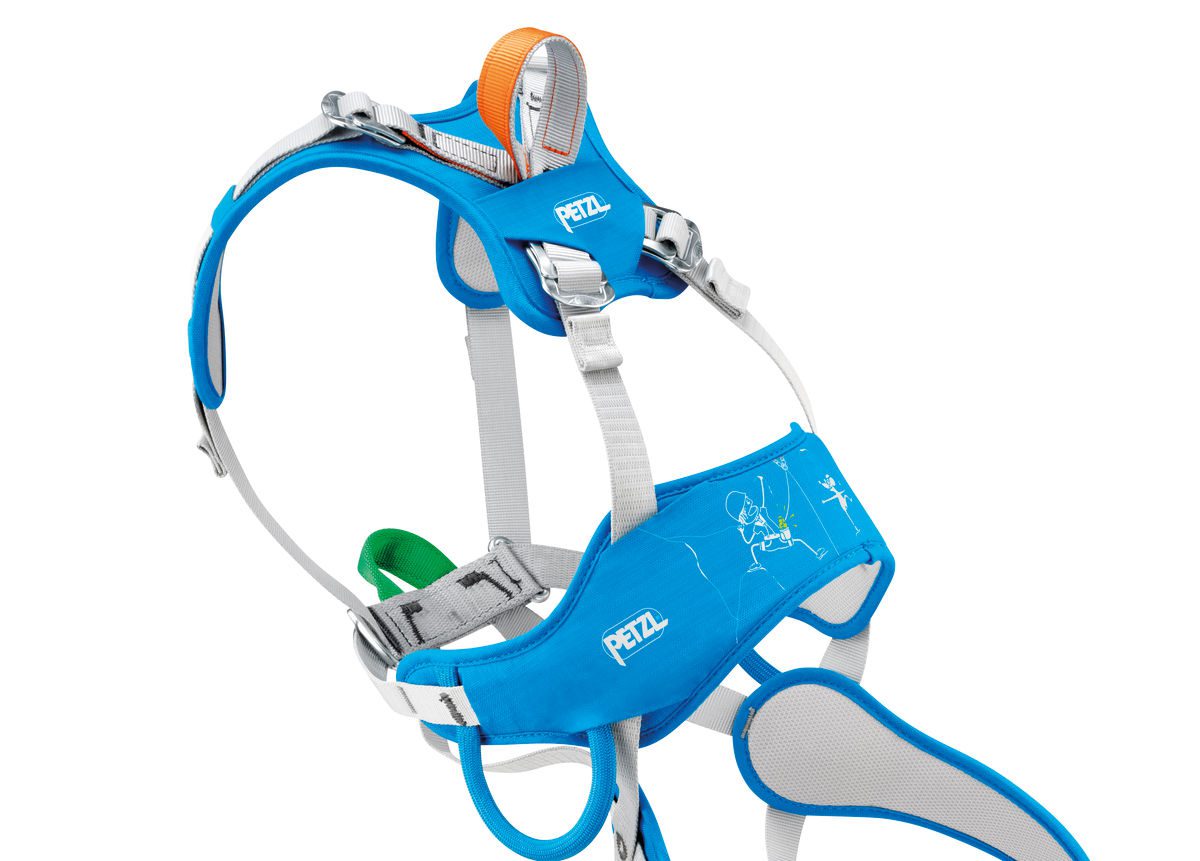
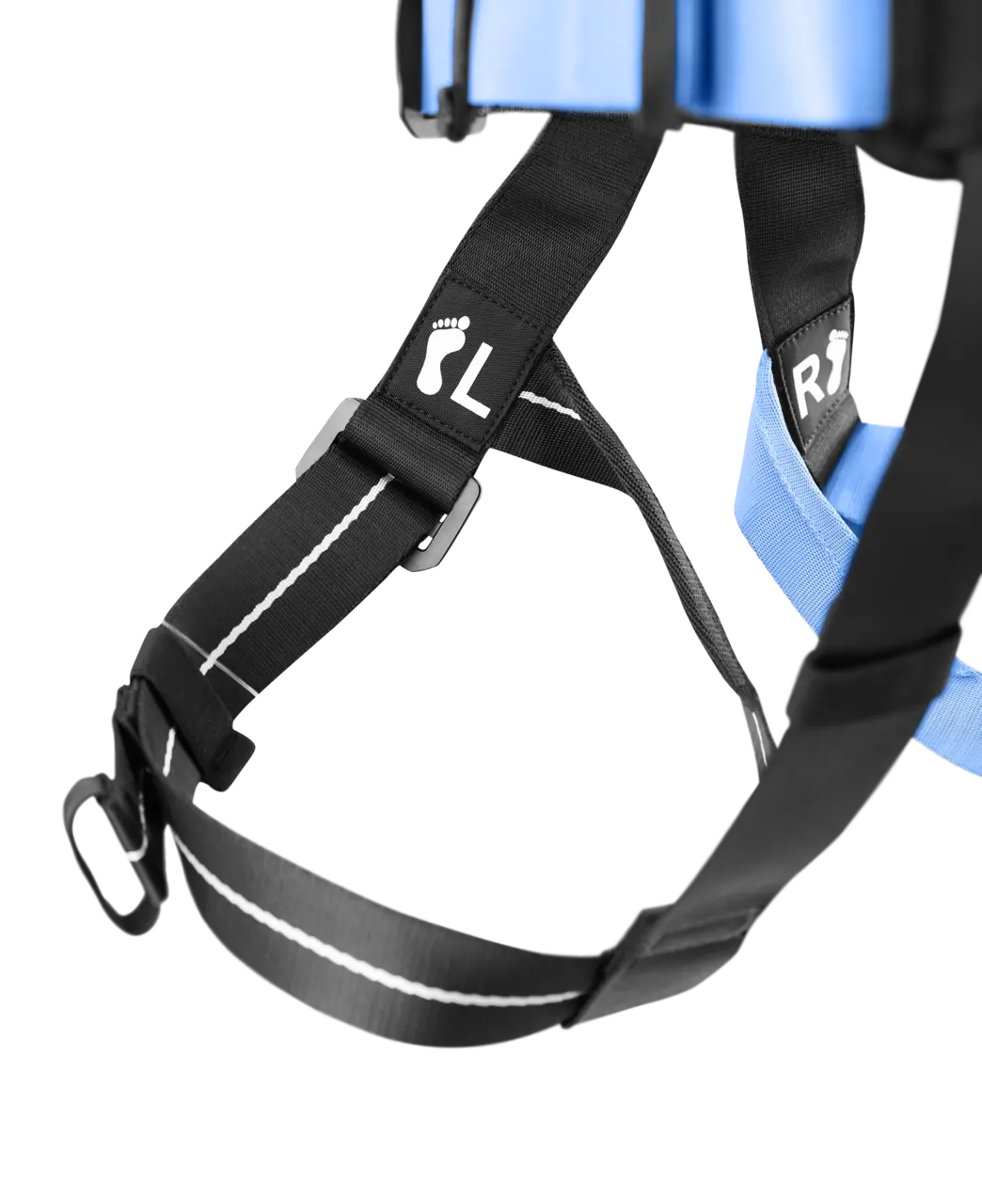
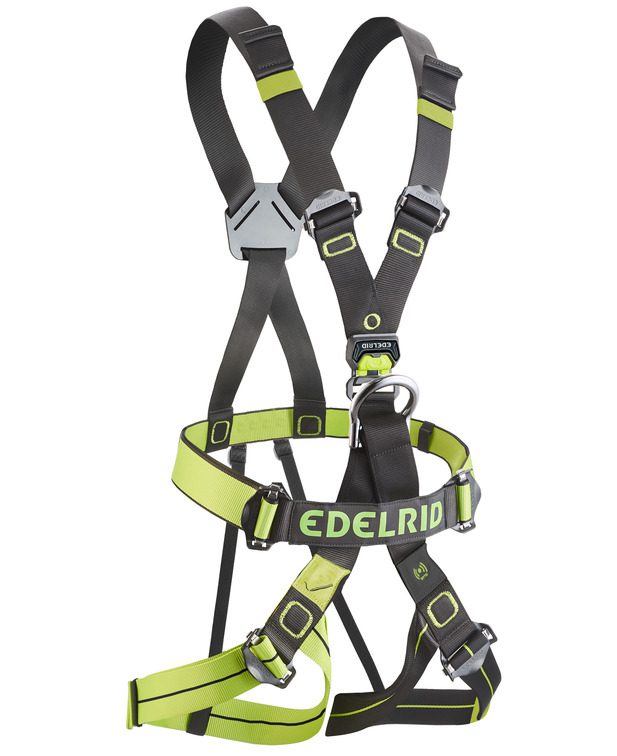
Our full-body harness category sits inside Heights & Climb → Climbing Harness, and it covers specialised harnesses designed for use cases that go beyond standard gym or sport climbing. OffTrack’s climbing guidance makes clear that the broader harness range includes full-body harnesses alongside sport, big-wall and kid-specific models, with full-body options specifically noted for ropes courses, rescue and industrial-style applications.
Who is this category really for?
This category is usually for outdoor education programs, ropes courses, rescue-related applications, adventure parks and other users who need a more specialised harness format than a standard sit harness. That aligns with OffTrack’s broader customer base, which includes both recreational buyers and institutional clients such as schools, scouts and outdoor programs.
How do we help you choose the right full-body harness?
We start with the actual activity. OffTrack’s climbing approach is to match equipment to the user’s activity and skill level, whether that is indoor climbing, trad climbing, mountaineering, industrial rope access or program-based use. In the case of full-body harnesses, that means looking at the operating environment, the type of attachment points needed, who will be wearing the harness and how the system will be used in practice.
When is a full-body harness a better choice than a standard sit harness?
A full-body harness makes more sense when the use case calls for additional support, a different tie-in or attachment arrangement, or a setup better suited to ropes courses, rescue or industrial-style use. OffTrack’s research explicitly notes full-body harnesses with dorsal attachment points for ropes courses or rescue, which shows this category is driven by application rather than by general climbing preference.
What decision factors matter most in this category?
The big factors are intended use, fit, user type and safety requirements. OffTrack repeatedly emphasises proper sizing and secure fit in harness selection, including how a harness should sit correctly at the waist and be adjusted safely. In a specialised category like this, those basics matter even more because these harnesses are often used in contexts involving novices, groups or higher-consequence systems.
Is this category mainly for schools and group programs?
A lot of the time, yes. OffTrack’s climbing and business material consistently points to strong involvement with outdoor education programs, school groups and novice-heavy environments. That makes full-body harnesses especially relevant where gear needs to be robust, safety-conscious and suited to supervised group use rather than only individual recreational climbing.

