
Categories
Filter by Brands
-
(9)
-
(2)
-
(4)
-
(2)
-
(3)
-
(1)
-
(12)
-
(17)
-
(9)
-
(23)
-
(1)
-
(14)
-
(4)
-
(4)
-
(4)
-
(13)
-
(72)
-
(12)
-
(1)
-
(1)
-
(11)
-
(129)
-
(2)
-
(3)
-
(4)
-
(5)
-
(11)
-
(2)
-
(58)
-
(12)
-
(61)
-
(1)
-
(2)
-
(1)
-
(7)
-
(1)
-
(2)
-
(1)
-
(2)
-
(12)
-
(3)
-
(13)
-
(2)
-
(2)
-
(2)
-
(3)
-
(5)
-
(1)
-
(4)
-
(2)
-
(5)
-
(11)
-
(3)
-
(2)
-
(1)
-
(1)
-
(97)
-
(4)
-
(6)
-
(7)
-
(2)
-
(2)
-
(3)
-
(7)
-
(1)
-
(124)
-
(13)
-
(4)
-
(1)
-
(10)
-
(1)
-
(24)
-
(1)
-
(21)
-
(25)
-
(29)
-
(22)
-
(11)
-
(20)
-
(3)
-
(2)
-
(42)
-
(14)
-
(1)
-
(28)
-
(15)
-
(1)
-
(8)
-
(21)
-
(9)
-
(1)
-
(7)
-
(2)
-
(2)
-
(1)
-
(28)
-
(1)
-
(1)
-
(5)
-
(9)
-
(2)
-
(3)
-
(2)
-
(1)
-
(5)
-
(4)
-
(12)
-
(1)
-
(15)
-
(6)
-
(3)
-
(7)
-
(6)
-
(6)
-
(18)
-
(3)
-
(1)
-
(2)
-
(2)
-
(5)
-
(2)
-
(2)
-
(3)
-
(180)
-
(3)
-
(40)
-
(1)
-
(2)
-
(5)
-
(23)
-
(2)
-
(1)
-
(3)
-
(19)
-
(3)
-
(3)
-
(15)
-
(1)
-
(1)
-
(9)
-
(1)
-
(28)
-
(1)
-
(52)
-
(9)
-
(1)
-
(2)
-
(12)
-
(2)
-
(40)
-
(2)
-
(647)
-
(5)
-
(3)
-
(57)
-
(11)
-
(3)
-
(12)
-
(2)
-
(1)
-
(1)
-
(35)
-
(8)
-
(5)
-
(24)
-
(2)
-
(2)
-
(4)
-
(5)
-
(14)
-
(8)
-
(4)
-
(42)
-
(9)
-
(4)
-
(6)
-
(20)
-
(4)
-
(383)
-
(21)
-
(24)
-
(4)
-
(4)
-
(9)
-
(1)
-
(4)
-
(19)
-
(9)
-
(34)
-
(1)
-
(3)
-
(1)
-
(2)
-
(2)
-
(3)
-
(14)
-
(8)
-
(13)
-
(1)
-
(3)
-
(9)
-
(1)
-
(13)
-
(1)
-
(1)
-
(1)
-
(22)
-
(5)
-
(13)
-
(1)
-
(1)
-
(30)
-
(8)
-
(5)
-
(58)
-
(1)
-
(11)
-
(6)
-
(5)
-
(4)
-
(4)
-
(1)
-
(1)
-
(201)
-
(2)
-
(1)
-
(1)
-
(9)
-
(98)
-
(1)
-
(66)
-
(2)
-
(7)
-
(4)
Price Range
-
Price:—
Select Size
-
(763)
-
(701)
-
(697)
-
(540)
-
(184)
-
(7)
-
(214)
-
(49)
-
(137)
-
(135)
-
(102)
-
(94)
-
(81)
-
(74)
-
(29)
-
(70)






Wetsuit Questions People Usually Have Before They Buy
What kind of wetsuit makes sense for paddling rather than surfing?
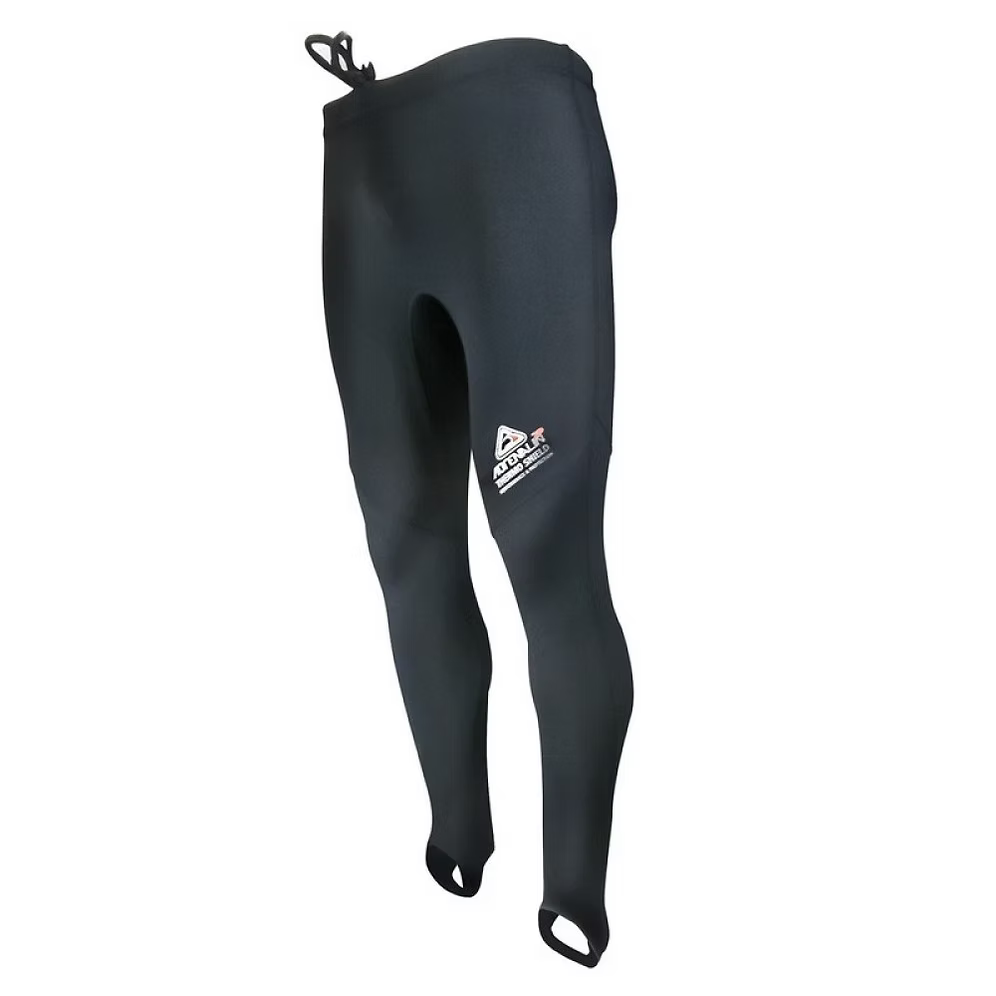
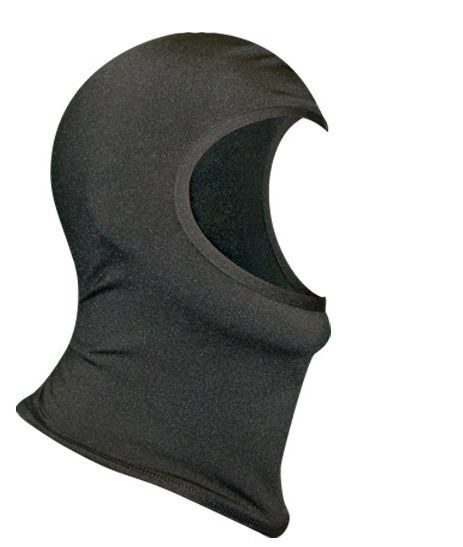
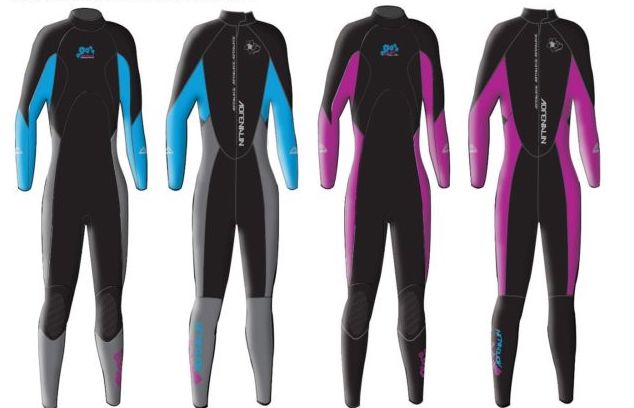
For paddling, the right wetsuit is usually the one that keeps you warm without restricting your shoulders, torso rotation, or time in the boat. That is why this category leans toward practical paddle-friendly options rather than a broad surf-heavy range. On the live category page, Offtrack’s wetsuit range includes pieces such as shorts, long pants, hood, socks, gloves, a Long John 3/2 wetsuit, and men’s and women’s 3/2 steamer wetsuits, which points to a more functional watersports setup built around warmth, layering, and comfort on the water. Offtrack’s own watersports research also frames wetsuit advice around kayaking, canoeing, canyoning, and similar water activities, with thickness and cut chosen for water temperature and freedom of movement.
Should I choose a full steamer, a Long John, or separate neoprene pieces?
It depends on the trip and how you move. A full steamer is the simplest option when you want full-body insulation in cooler conditions. A Long John works well when you want core and leg warmth but more freedom through the shoulders, especially for paddling. Separate pieces such as neoprene shorts, pants, socks, gloves, or a hood make more sense when you want to build your own system around the conditions rather than wear one all-in-one suit. The current category supports exactly that kind of modular choice, with both full suits and accessory pieces listed together.
How snug should a wetsuit feel when I try it on?
A wetsuit should feel close and secure, but not restrictive. If it is loose, it will not perform as well because too much water can move through it. If it is overly tight, it becomes uncomfortable and limits movement. Offtrack’s category filters show a broad size spread including XS through XXL as well as women’s number sizing, which is useful because proper fit is not a minor detail in neoprene gear. Offtrack’s watersports guidance is consistent on this point: wetsuits should be snug without compromising mobility, and the right fit changes with activity.
Is 3/2mm enough, or do I need something warmer?
A 3/2mm wetsuit is a practical starting point for many users, but it is not a universal answer. The better decision comes from the water temperature, the air temperature, how long you will be exposed, and whether you are paddling hard or sitting around between sessions. Offtrack’s research specifically notes that thickness should be matched to conditions, with examples such as choosing between 3mm and 5mm depending on water temperature and use case. In this category, the visible full-suit options are 3/2mm models, while the accessory pieces help add warmth where needed.
Do I really need extras like gloves, socks, or a hood?
Sometimes no. Sometimes absolutely yes. These extras start to matter when cold water, wind, long exposure, or reduced circulation make your extremities the first thing to get uncomfortable. The live category includes neoprene paddle gloves, thermo socks, and two hood options, which suggests buyers in this section are often solving a warmth system rather than buying a wetsuit in isolation. That lines up with Offtrack’s broader watersports approach, where apparel recommendations are tied to the specific activity and conditions rather than sold as a one-size-fits-all bundle.
Are these wetsuits mainly for kayaking and canoeing, or for general water use too?
They suit a broader range of water-based use, but the category context leans strongly toward paddlesports. Offtrack’s watersports research describes their wetsuit and neoprene range as relevant to kayaking, canoeing, canyoning, and snorkelling, with advice shaped by actual activity, water temperature, and the amount of movement needed. So if you are buying for paddle sessions, cold river use, coastal exploring, or general in-and-around-water comfort, you are in the right place. If you are chasing a highly specialised surf-only fit, the better question is whether your priority is paddle comfort or board-specific design.

