
Categories
Filter by Brands
-
(9)
-
(2)
-
(4)
-
(2)
-
(3)
-
(1)
-
(12)
-
(17)
-
(9)
-
(23)
-
(1)
-
(14)
-
(4)
-
(4)
-
(4)
-
(13)
-
(72)
-
(12)
-
(1)
-
(1)
-
(11)
-
(129)
-
(2)
-
(3)
-
(4)
-
(5)
-
(11)
-
(2)
-
(58)
-
(12)
-
(61)
-
(1)
-
(2)
-
(1)
-
(7)
-
(1)
-
(2)
-
(1)
-
(2)
-
(12)
-
(3)
-
(13)
-
(2)
-
(2)
-
(2)
-
(3)
-
(5)
-
(1)
-
(4)
-
(2)
-
(5)
-
(11)
-
(3)
-
(2)
-
(1)
-
(1)
-
(97)
-
(4)
-
(6)
-
(7)
-
(2)
-
(2)
-
(3)
-
(7)
-
(1)
-
(124)
-
(13)
-
(4)
-
(1)
-
(10)
-
(1)
-
(24)
-
(1)
-
(21)
-
(25)
-
(29)
-
(22)
-
(11)
-
(20)
-
(3)
-
(2)
-
(42)
-
(14)
-
(1)
-
(28)
-
(15)
-
(1)
-
(8)
-
(21)
-
(9)
-
(1)
-
(7)
-
(2)
-
(2)
-
(1)
-
(28)
-
(1)
-
(1)
-
(5)
-
(9)
-
(2)
-
(3)
-
(2)
-
(1)
-
(5)
-
(4)
-
(12)
-
(1)
-
(15)
-
(6)
-
(3)
-
(7)
-
(6)
-
(6)
-
(18)
-
(3)
-
(1)
-
(2)
-
(2)
-
(5)
-
(2)
-
(2)
-
(3)
-
(180)
-
(3)
-
(40)
-
(1)
-
(2)
-
(5)
-
(23)
-
(2)
-
(1)
-
(3)
-
(19)
-
(3)
-
(3)
-
(15)
-
(1)
-
(1)
-
(9)
-
(1)
-
(28)
-
(1)
-
(52)
-
(9)
-
(1)
-
(2)
-
(12)
-
(2)
-
(40)
-
(2)
-
(647)
-
(5)
-
(3)
-
(57)
-
(11)
-
(3)
-
(12)
-
(2)
-
(1)
-
(1)
-
(35)
-
(8)
-
(5)
-
(24)
-
(2)
-
(2)
-
(4)
-
(5)
-
(14)
-
(8)
-
(4)
-
(42)
-
(9)
-
(4)
-
(6)
-
(20)
-
(4)
-
(383)
-
(21)
-
(24)
-
(4)
-
(4)
-
(9)
-
(1)
-
(4)
-
(19)
-
(9)
-
(34)
-
(1)
-
(3)
-
(1)
-
(2)
-
(2)
-
(3)
-
(14)
-
(8)
-
(13)
-
(1)
-
(3)
-
(9)
-
(1)
-
(13)
-
(1)
-
(1)
-
(1)
-
(22)
-
(5)
-
(13)
-
(1)
-
(1)
-
(30)
-
(8)
-
(5)
-
(58)
-
(1)
-
(11)
-
(6)
-
(5)
-
(4)
-
(4)
-
(1)
-
(1)
-
(201)
-
(2)
-
(1)
-
(1)
-
(9)
-
(98)
-
(1)
-
(66)
-
(2)
-
(7)
-
(4)
Price Range
-
Price:—
Select Size
-
(5)
-
(3)
-
(4)
-
(4)
-
(1)
-
(1)
-
(767)
-
(705)
-
(701)
-
(542)
-
(184)
-
(214)
-
(135)
-
(137)
-
(7)
-
(10)
-
(102)
-
(95)
-
(29)
-
(70)
-
(11)
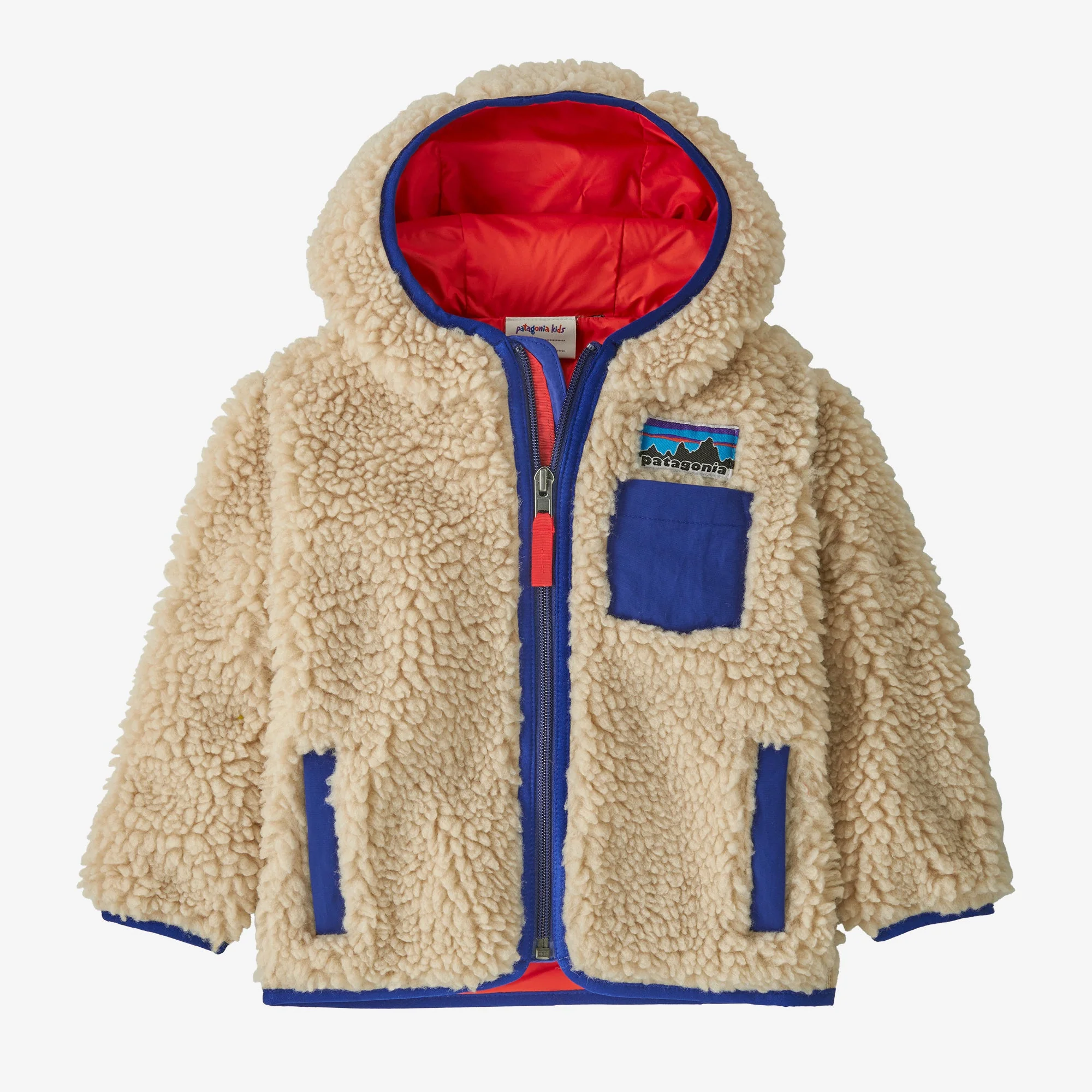
$149.95 Original price was: $149.95.$105.00Current price is: $105.00.
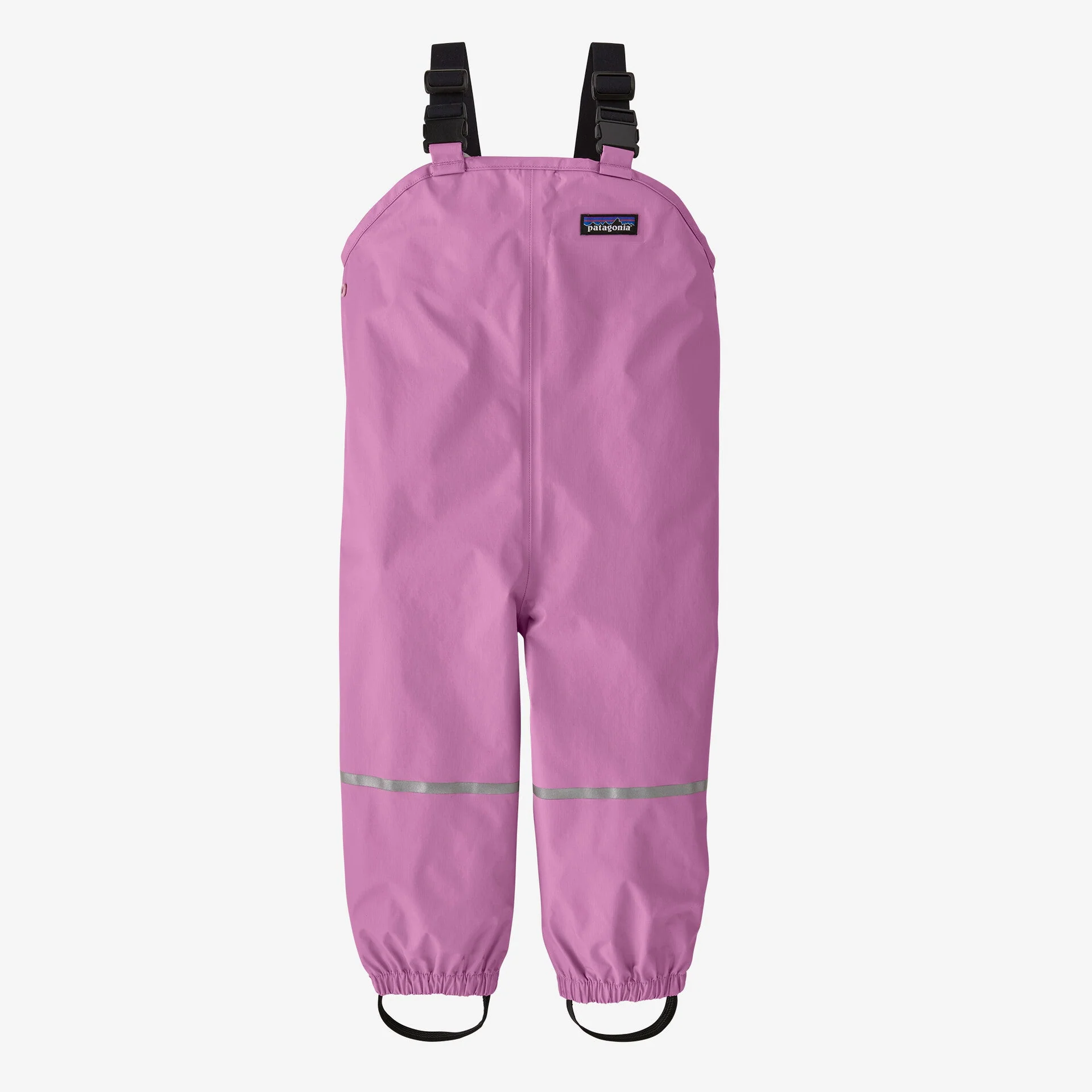
$119.95 Original price was: $119.95.$70.00Current price is: $70.00.

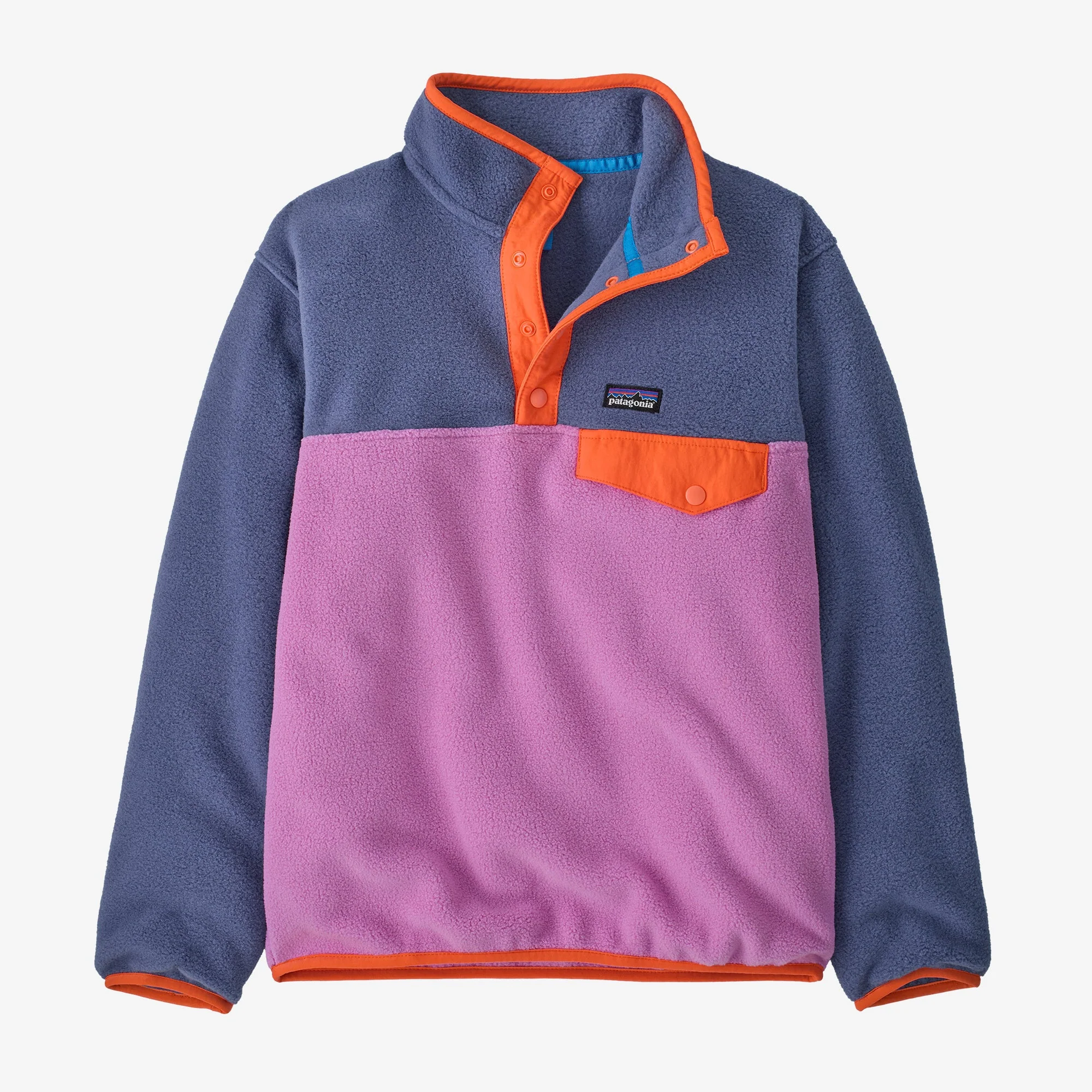
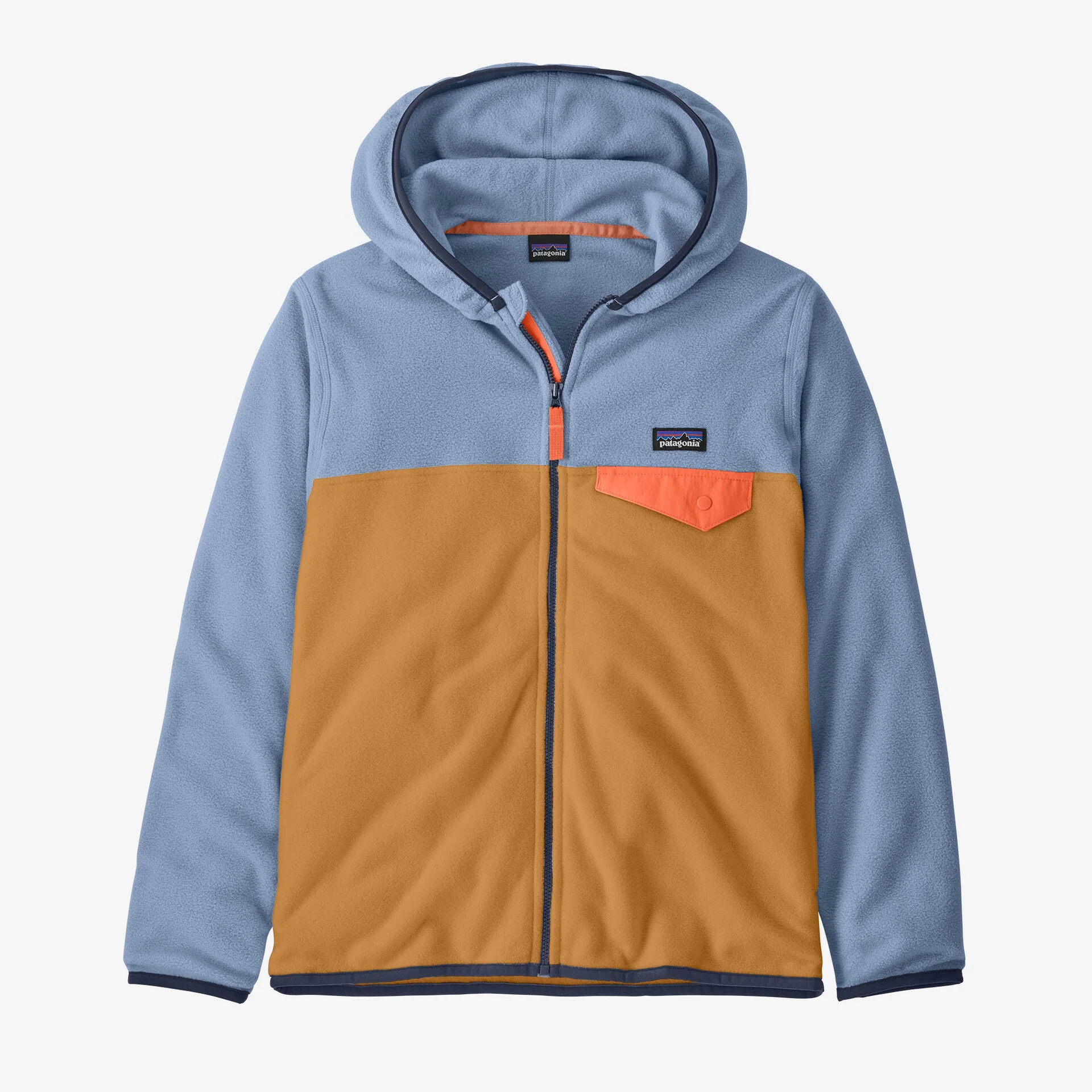
$129.95 Original price was: $129.95.$95.00Current price is: $95.00.





The Questions Parents Usually Ask Before Buying Kids’ Outdoor Clothing
What should kids’ outdoor clothing actually do?
It should keep kids comfortable enough to stay outside longer, without overcomplicating the kit. For most trips, that comes down to three things: helping manage moisture, adding warmth when conditions cool off, and protecting against wind or rain when the weather turns. Offtrack’s broader apparel guidance is built around layering for exactly that reason, using base layers for moisture management, insulating layers for warmth, and outer layers for weather protection.
Do kids really need a layering system, or is one warm jacket enough?
A warm jacket helps, but it rarely solves everything on its own. Kids heat up quickly when they are moving, then cool down just as quickly once they stop, so layering gives you more control across the day. Offtrack’s apparel advice consistently treats layering as the practical way to handle changing conditions, rather than relying on one bulky piece. That matters even more for school camps, walks, and outdoor programs where weather and activity levels can shift fast.
What kinds of kids’ clothing are actually in this category?
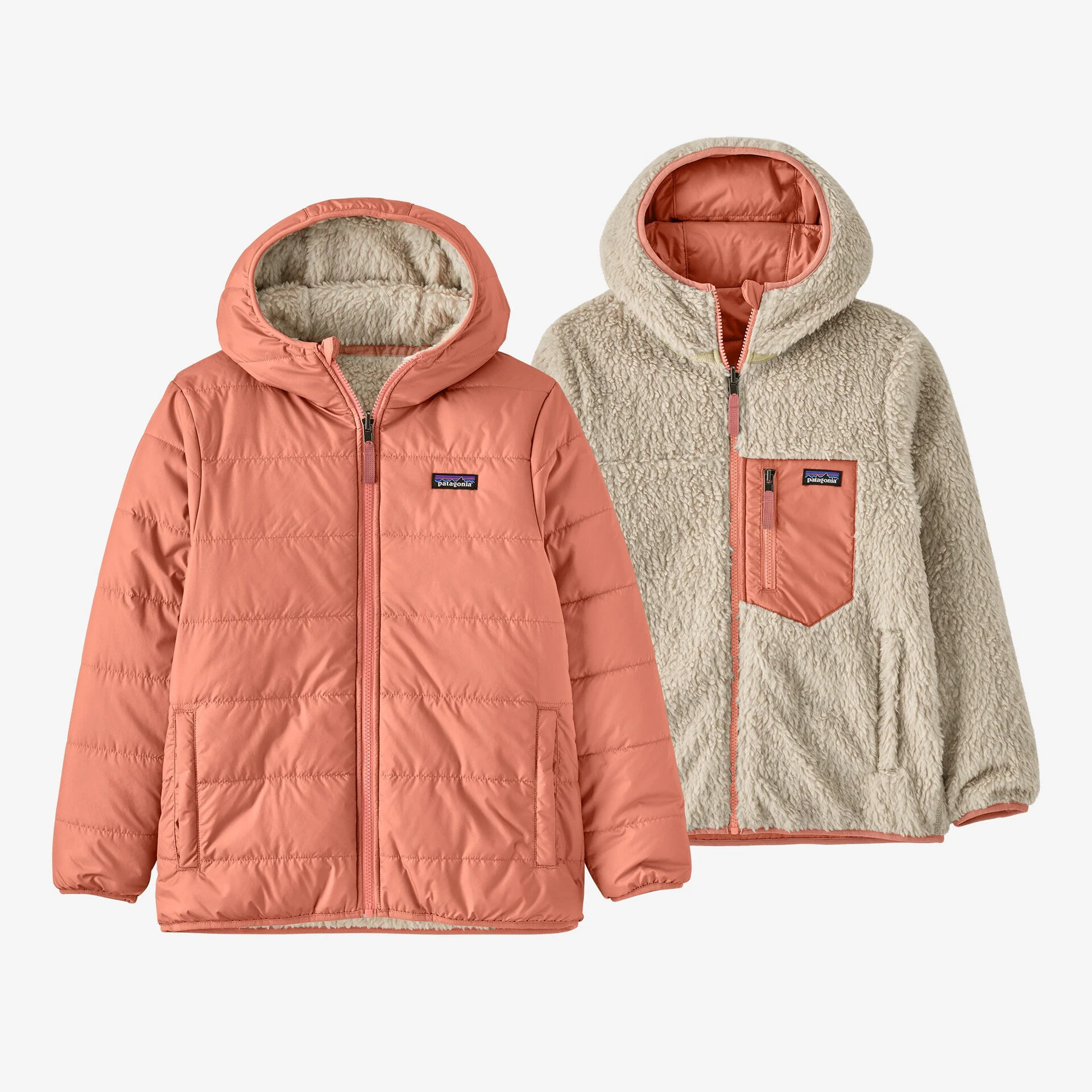
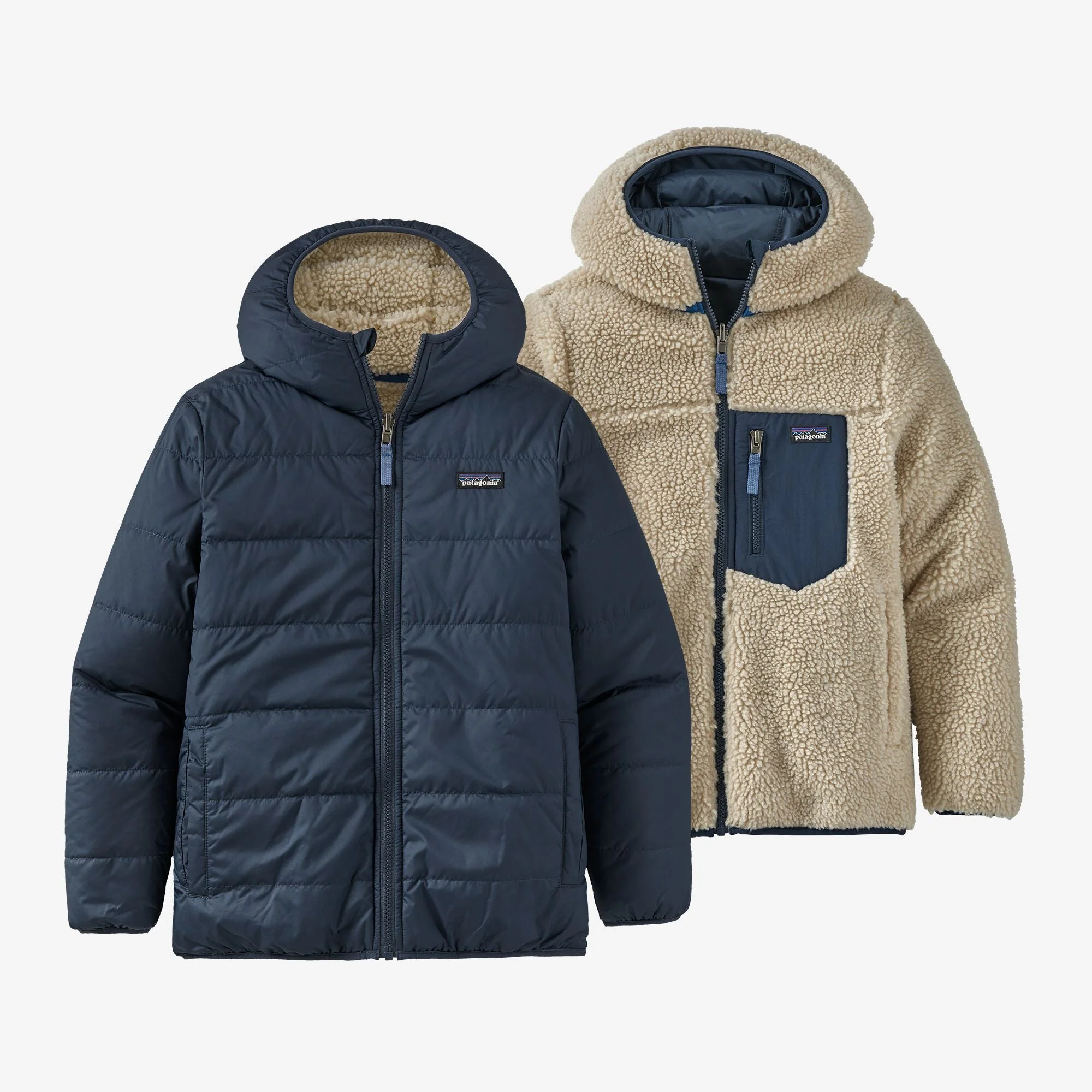
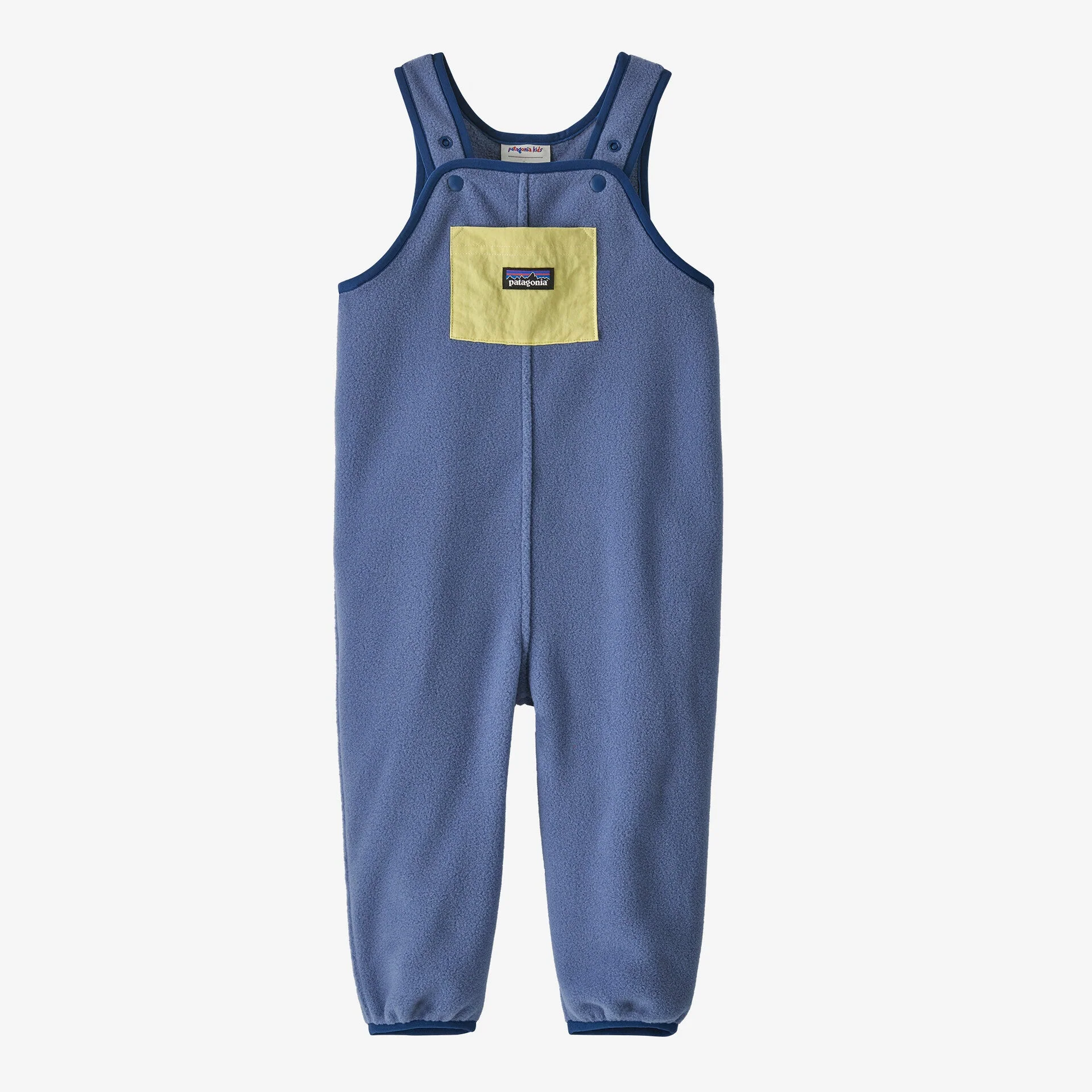
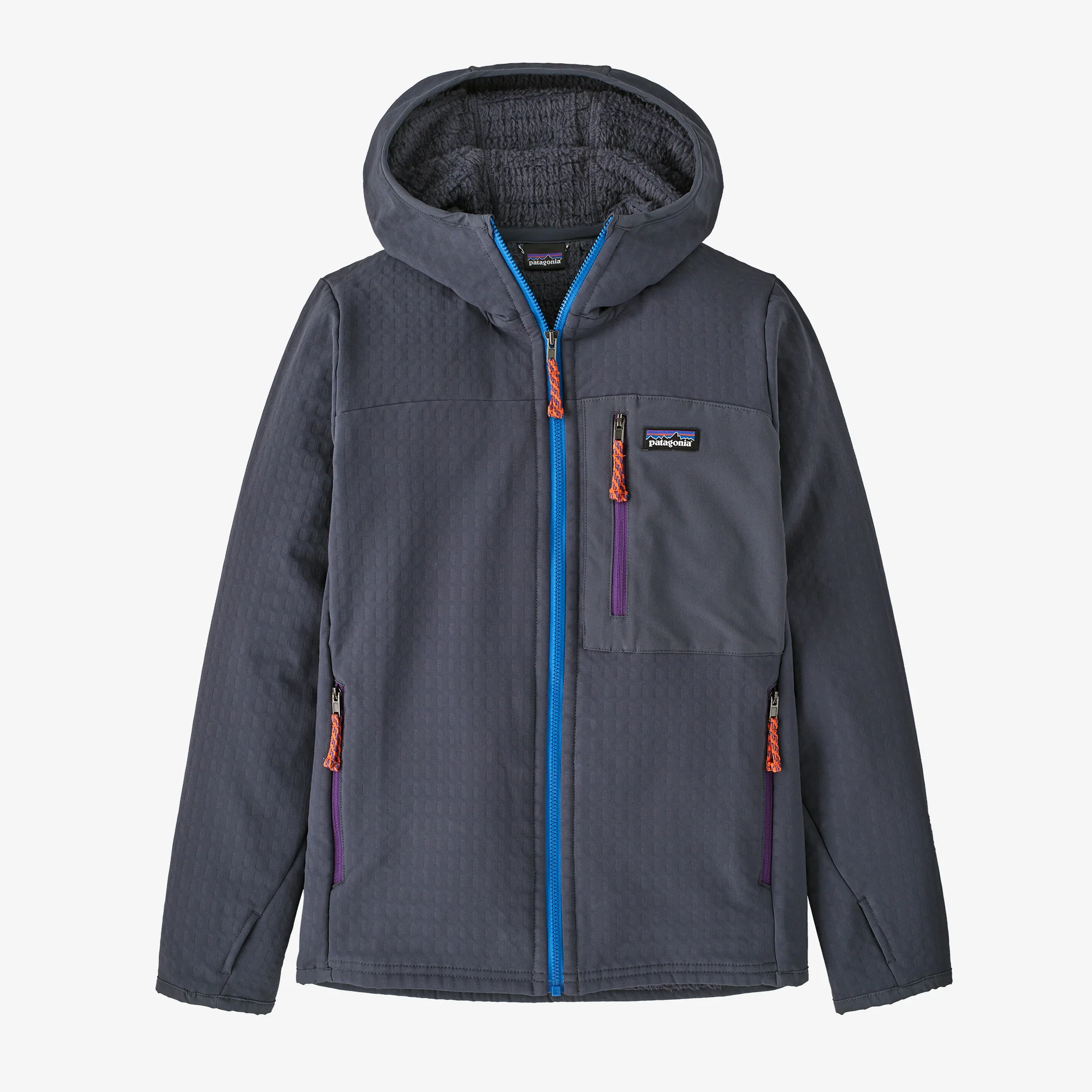
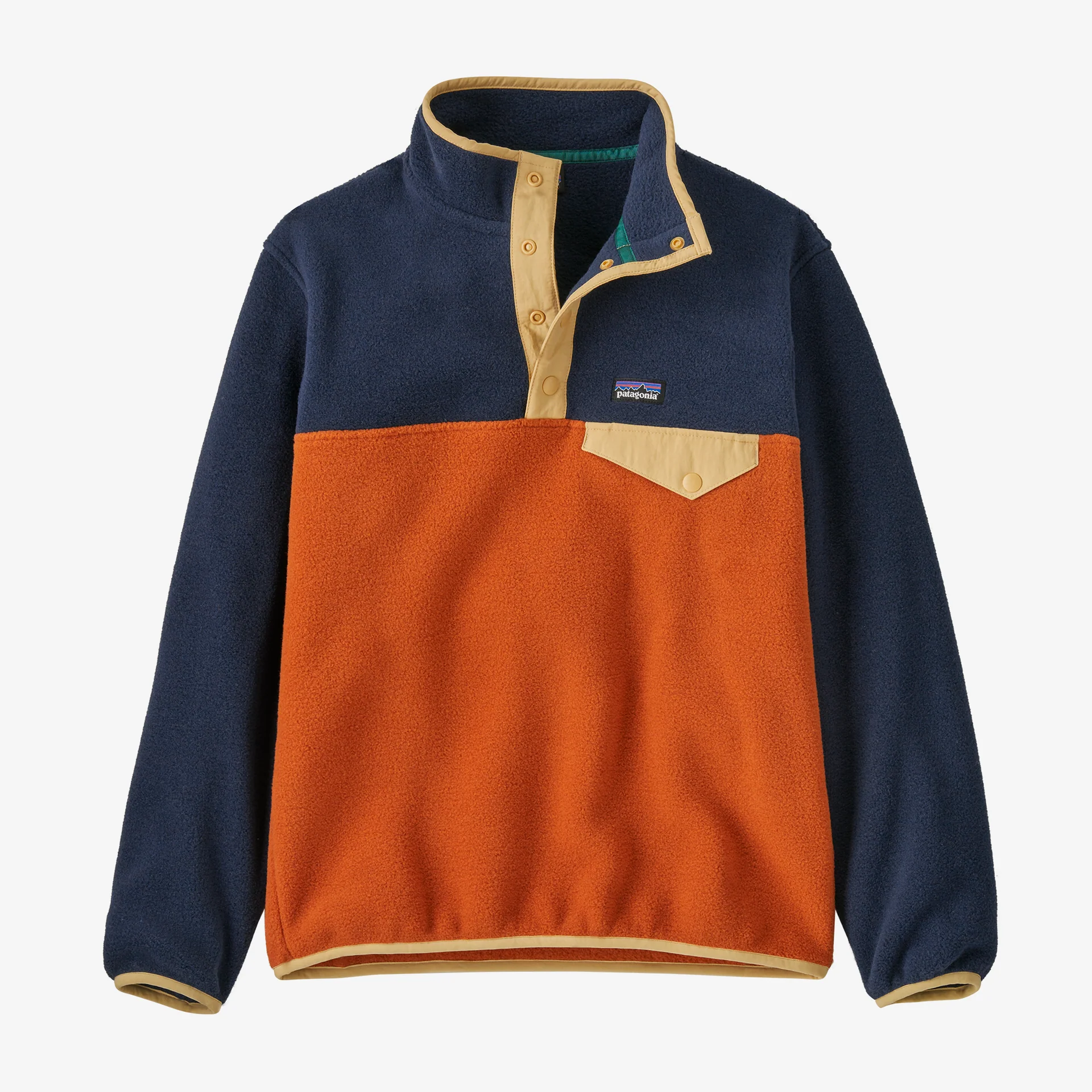
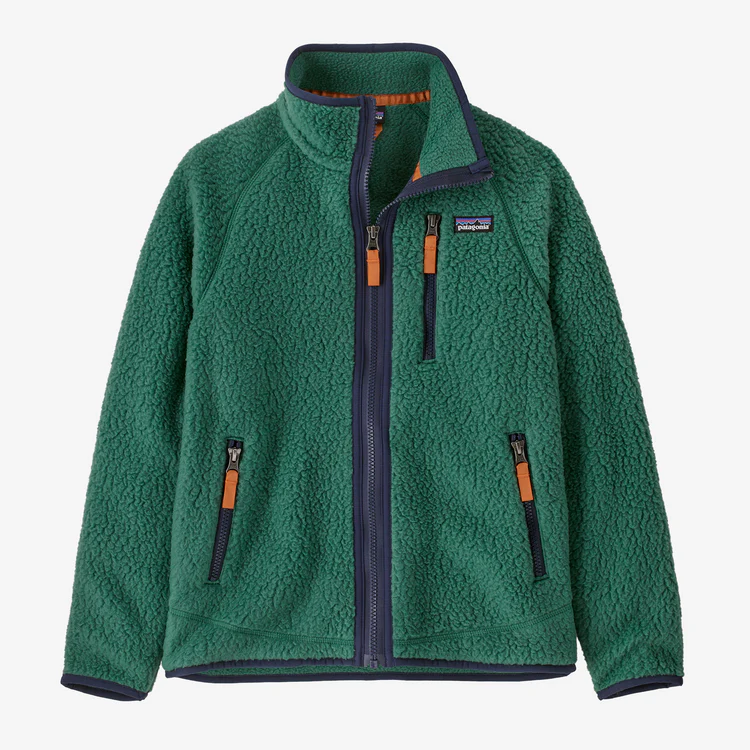
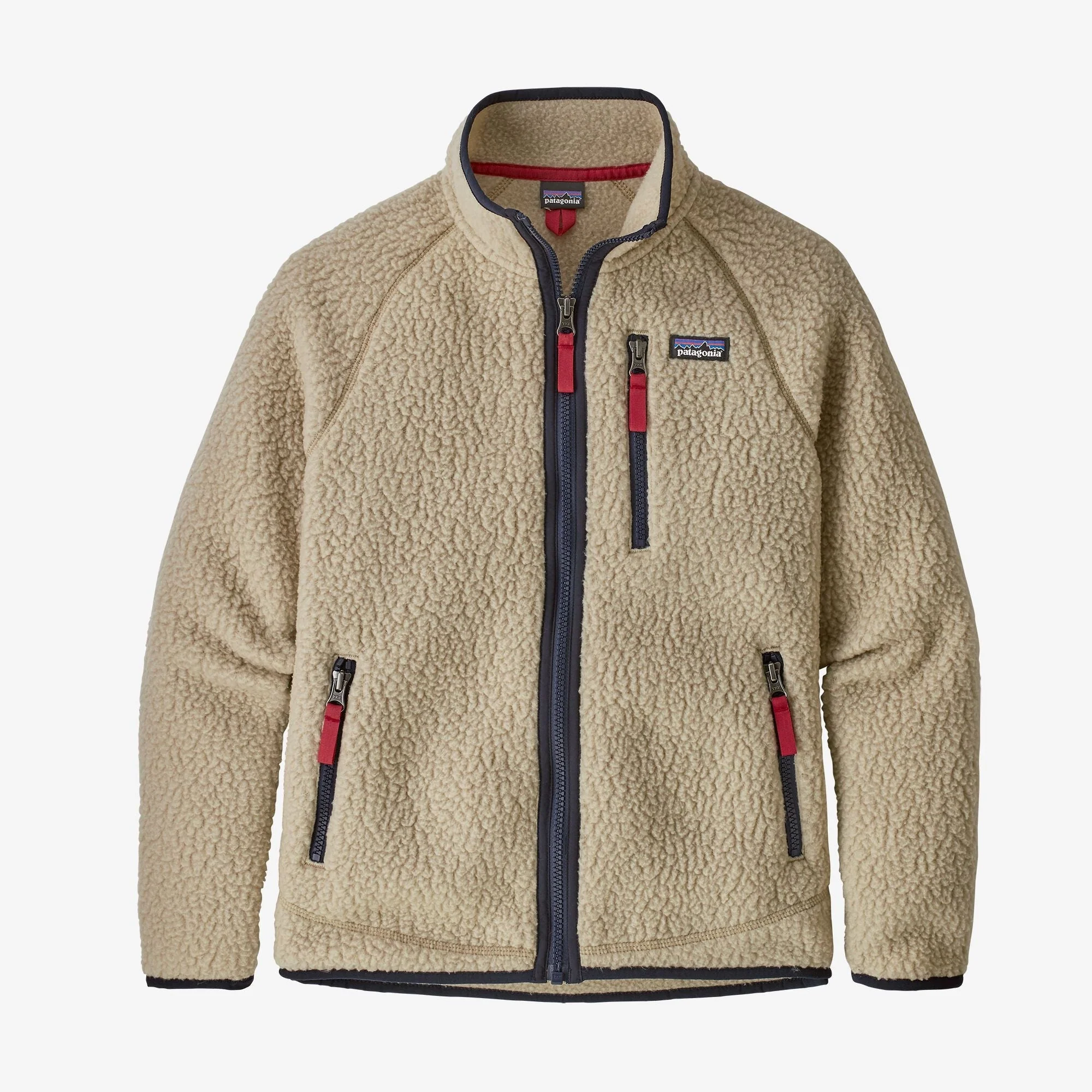
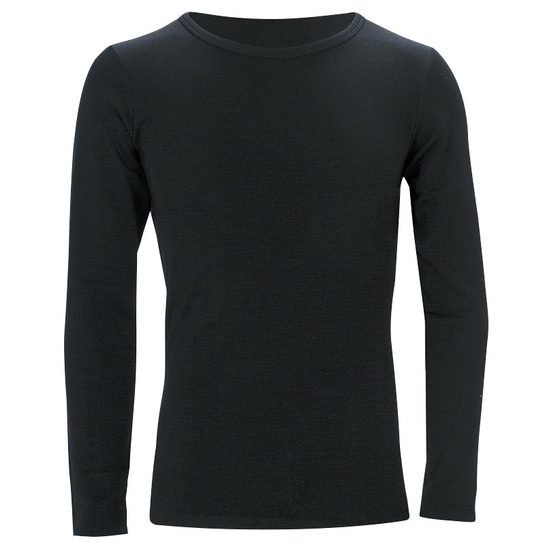
The current category has 13 products and spans a mix of rainwear, fleece, and thermal layers rather than one narrow product type. On the page now, that includes Patagonia fleece and rainwear pieces as well as Sherpa kids’ thermals and rainwear, such as merino thermal tops and bottoms, polypro thermals, and kids’ rain jackets and rain pants. That mix makes this category useful for building a simple outdoor clothing system rather than shopping item by item in isolation.
What should I look at first: warmth, waterproofing, or fabric?
Start with the trip. If the main issue is cold mornings, camps, or winter use, warmth usually comes first. If the trip is likely to be wet, waterproof protection moves higher up the list. If the child will be active for long periods, fabric choice matters more because comfort depends on how well the clothing manages heat and moisture. Offtrack’s apparel guidance frames clothing decisions around environment and activity, not around a single “best” item.
Are merino thermals better for kids than polypro?
Not automatically. Merino is often chosen for comfort and natural temperature regulation, while polypro can be a simpler, more budget-friendly option for straightforward thermal layering. In this category, Offtrack currently carries both Sherpa merino thermal pieces and Sherpa polypro thermals for kids, which suggests the choice is meant to be matched to use, budget, and preference rather than treated as one obvious winner.
Do I need thermals for kids if they already have a fleece?
Usually, yes, if the conditions are cool enough. A fleece works as an insulating layer, but it does a different job from a thermal base layer. Offtrack’s apparel framework separates base layers from mid-layers for a reason: the base layer helps manage moisture next to the skin, while the fleece adds warmth over the top. That combination is often more useful than relying on fleece alone, especially on camps and cooler day trips.

