The questions worth asking before you choose climbing gear
What does our climbing gear category actually cover?
Our climbing gear range sits inside Heights & Climb and is built around the core equipment climbers rely on, not just a few accessories. Offtrack’s climbing category covers harnesses, ropes, helmets, carabiners, belay devices, protection hardware such as cams and nuts, and training aids, with recommendations shaped by climbing discipline and user experience rather than one generic checklist.
Who is this category really for?
This category serves a broad climbing audience. That includes indoor gym climbers, outdoor sport climbers, trad and multi-pitch climbers, mountaineers, and even program-based or industrial users who need more specialised harness and rope-access equipment. We also work with outdoor education groups, which means the category has to make sense for both individual climbers and organisations outfitting beginners or groups.
How do we help you choose the right climbing gear?
We start with the type of climbing you actually do. That is the first filter because a simple gym setup, an outdoor sport kit and a trad rack are solving very different problems. Our role is to match gear to the intended activity and skill level, then narrow by fit, safety requirements, durability and how much technical complexity makes sense for that climber.
What changes between gym climbing, sport climbing and trad climbing?
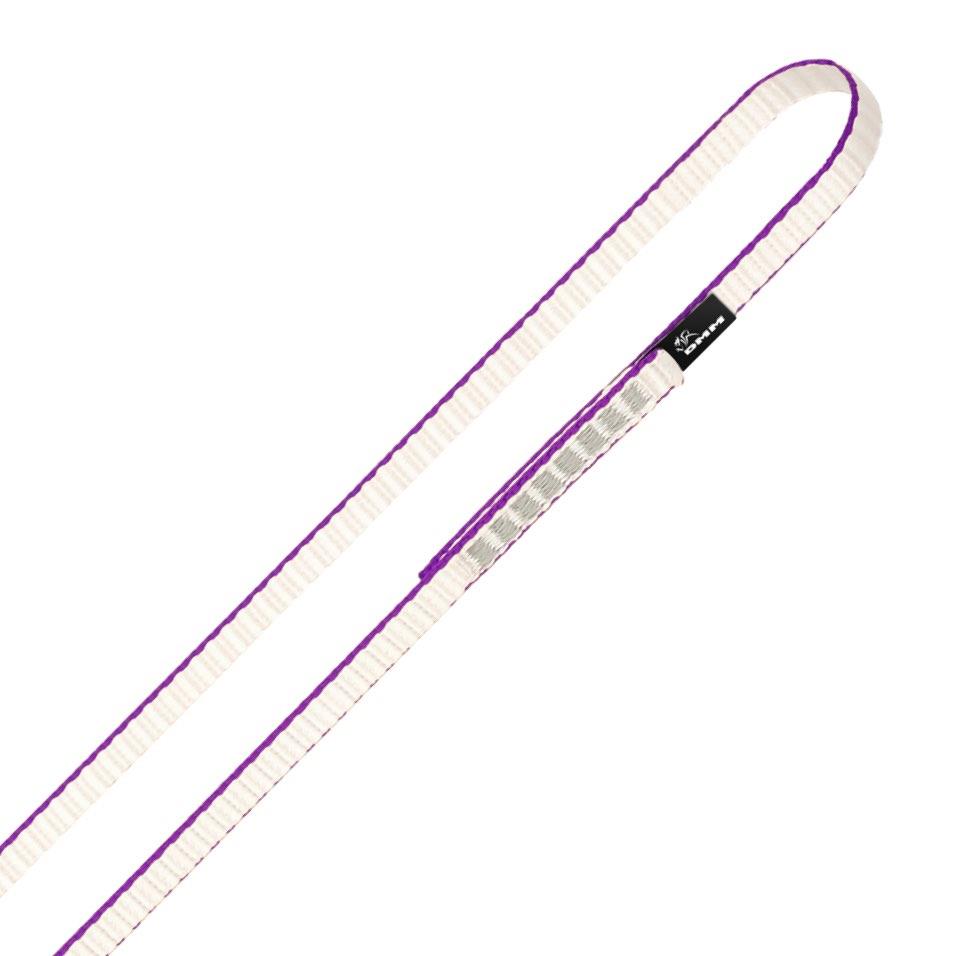
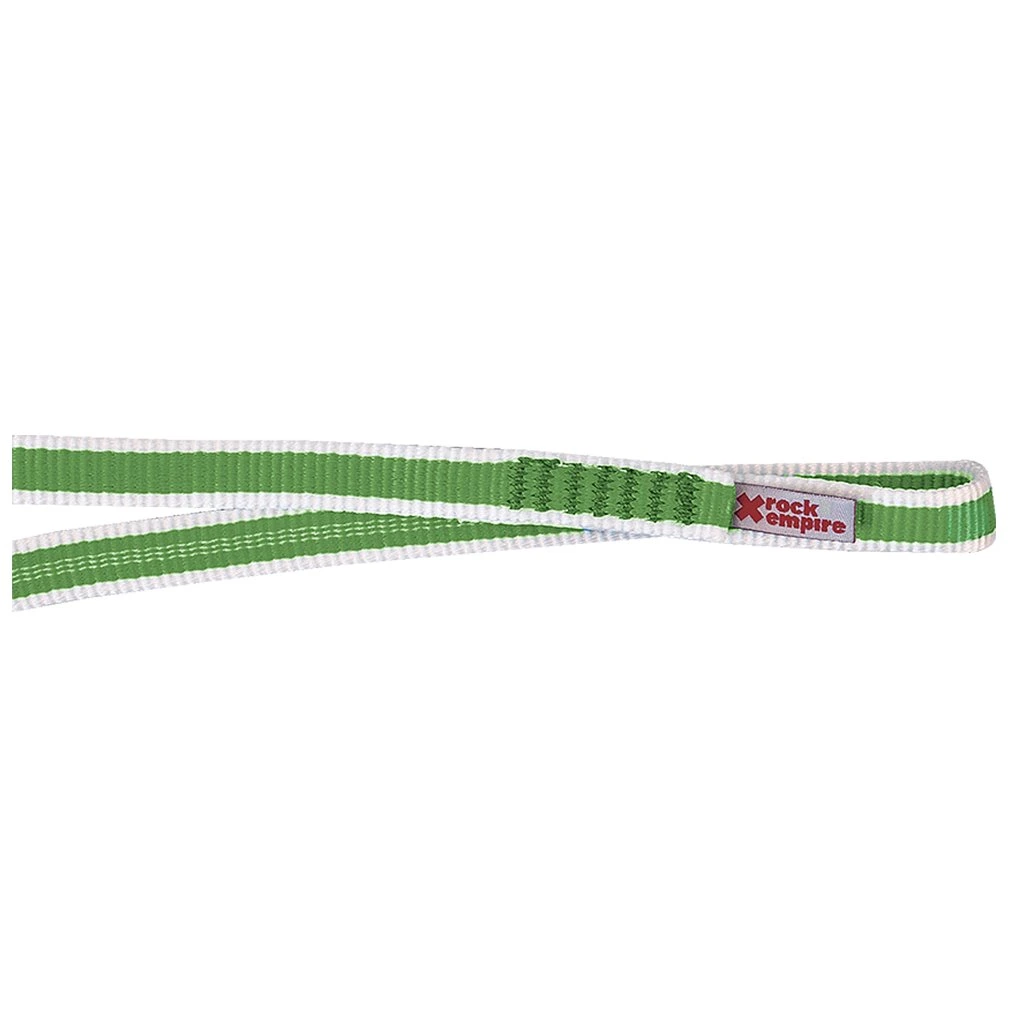
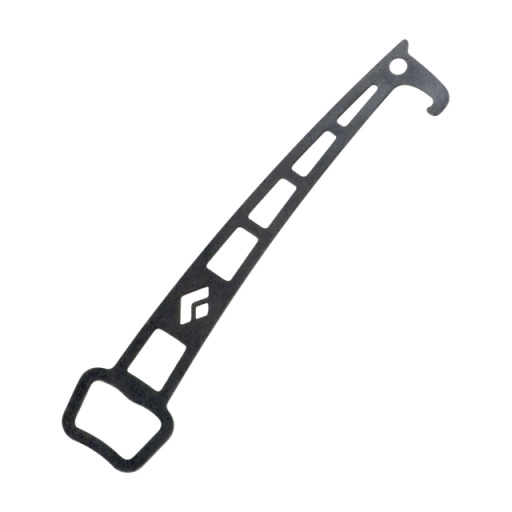
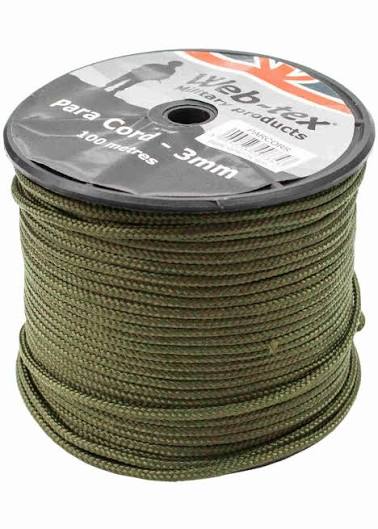
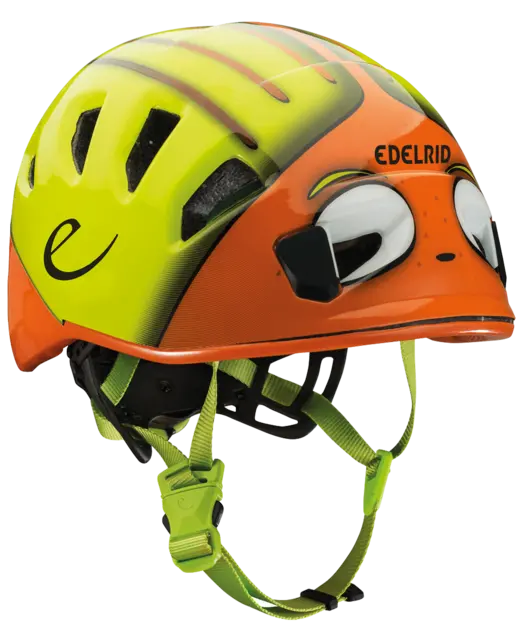
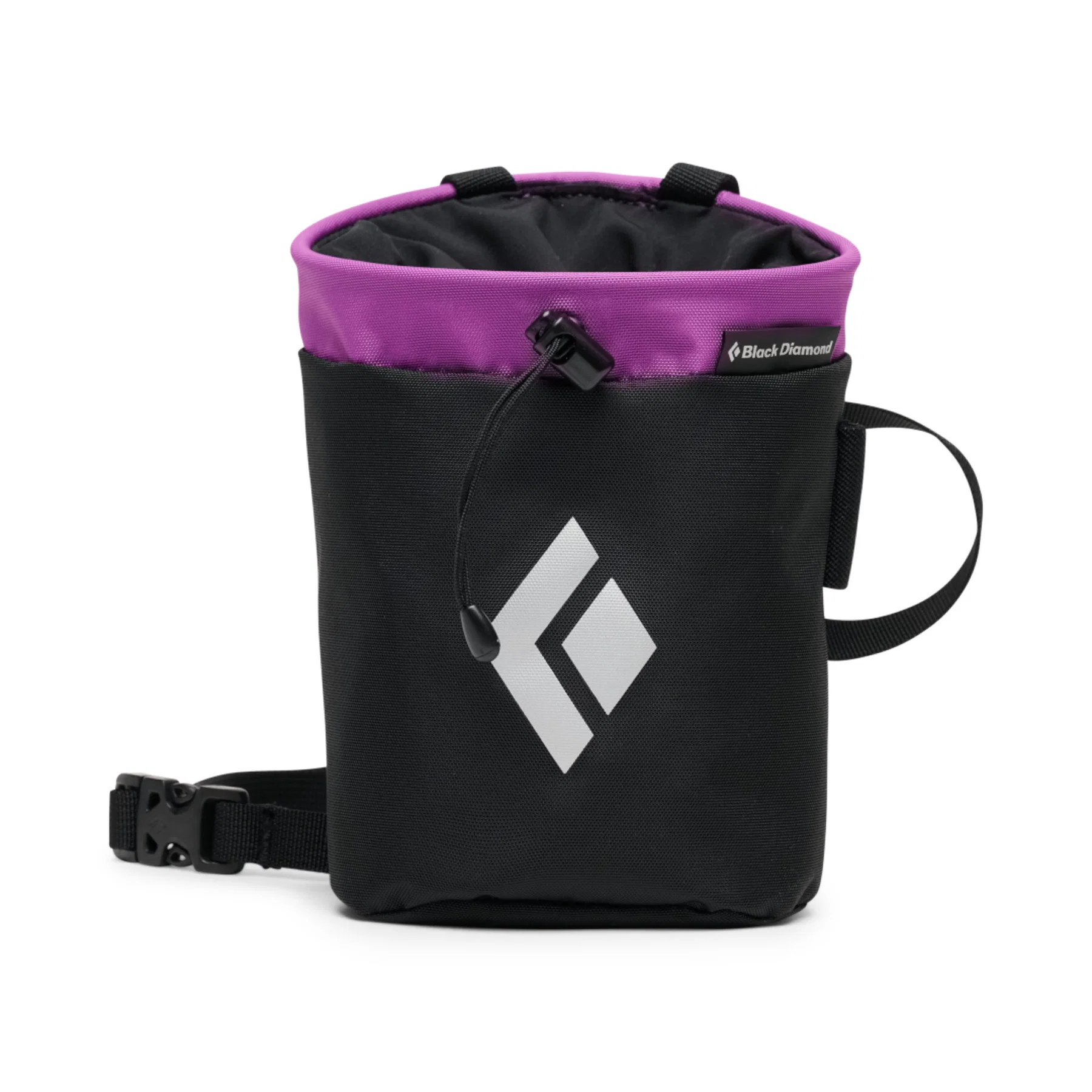
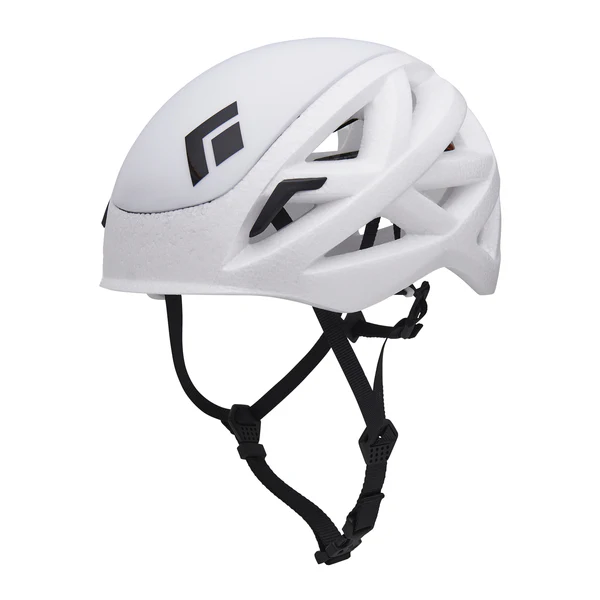
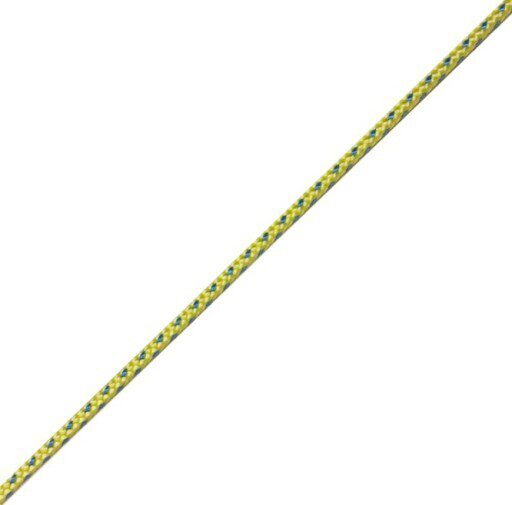
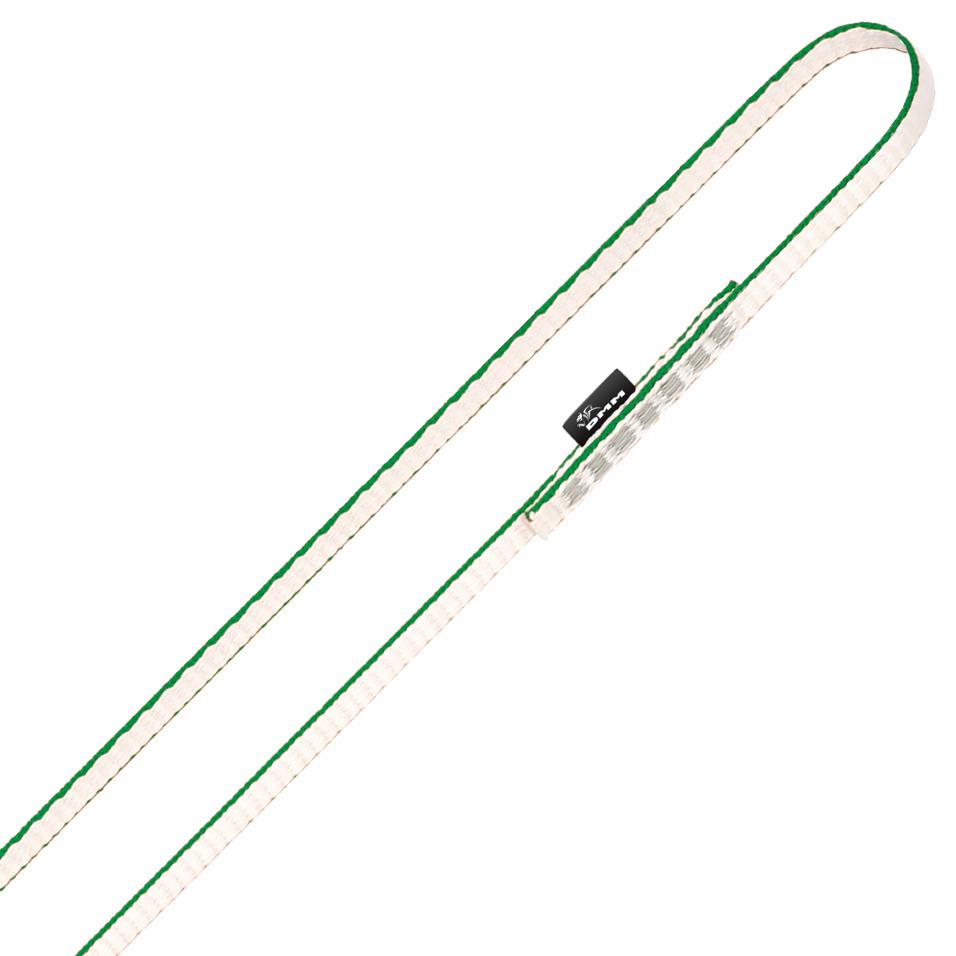
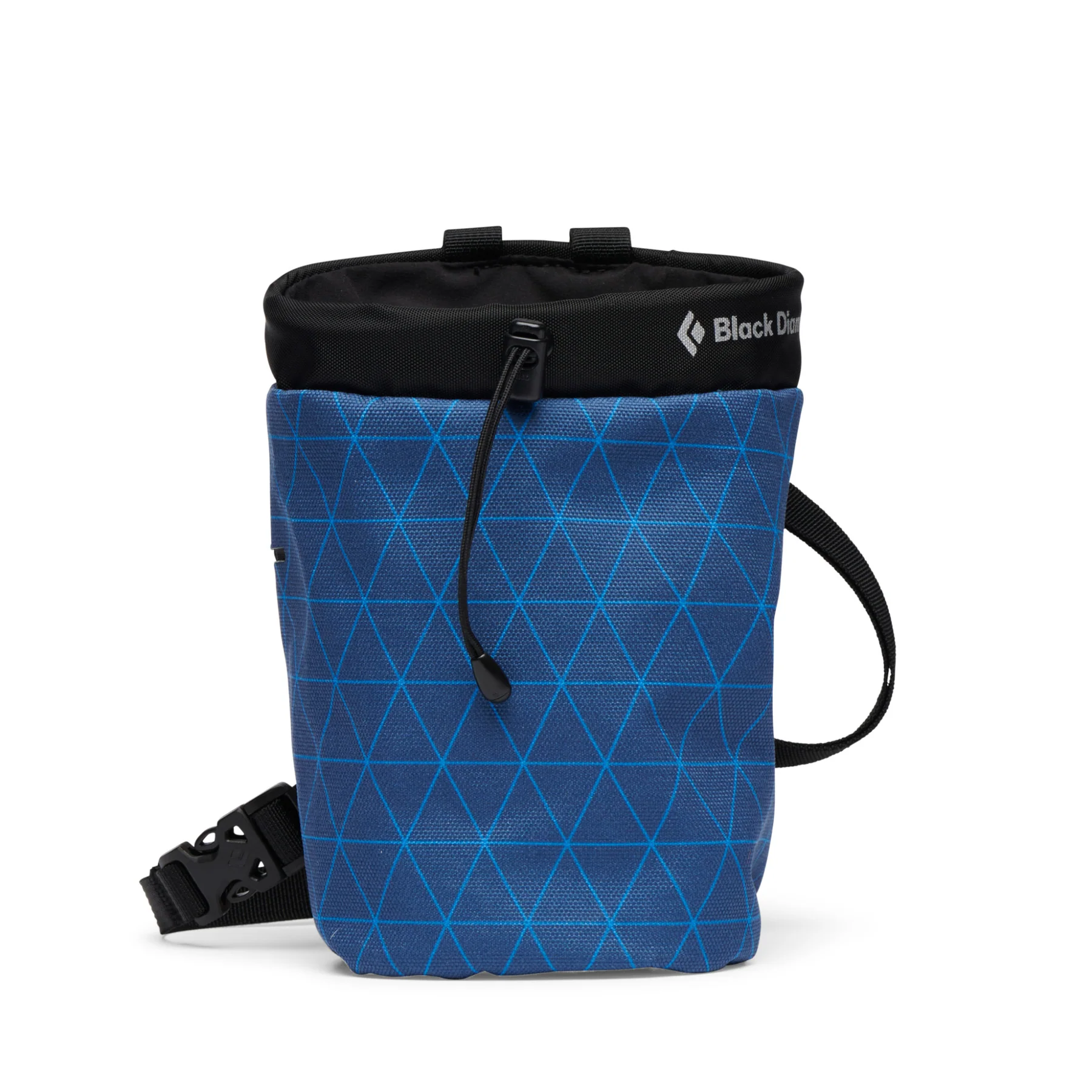
Quite a lot. A newer gym climber usually needs a simpler, safer setup such as a comfortable harness, a basic locking carabiner, belay device, chalk bag and shoes. An outdoor sport climber usually needs a rope, quickdraws, anchor hardware, helmet and a belay device suited to lead climbing. A trad or multi-pitch climber moves into a much broader rack with cams, nuts, slings, nut tools, prusik cords and route-specific hardware. That is why we do not treat “climbing gear” as one uniform shopping list.
What should you compare first when choosing a harness or rope?
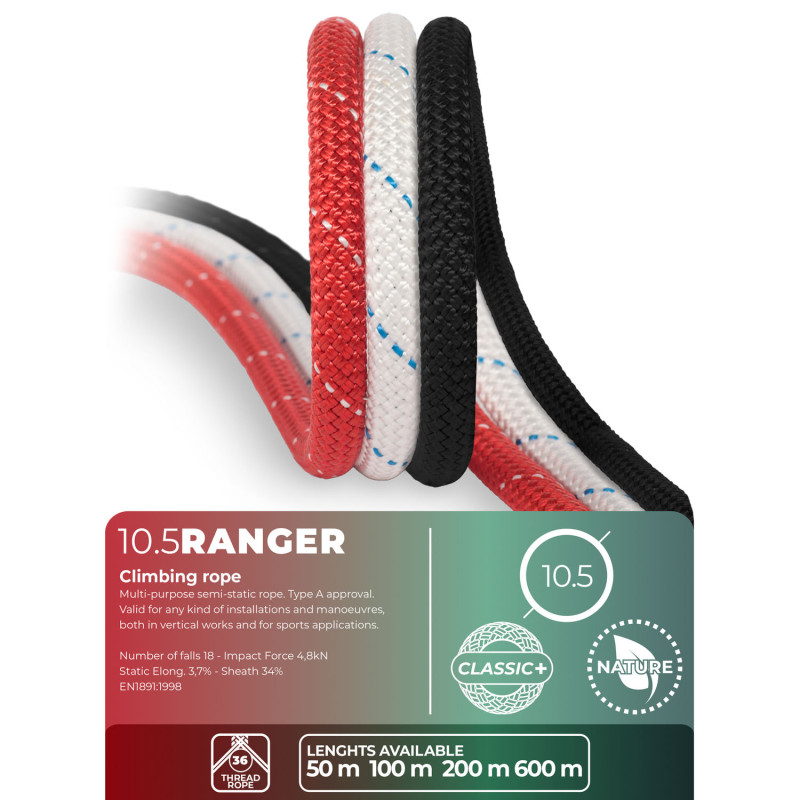
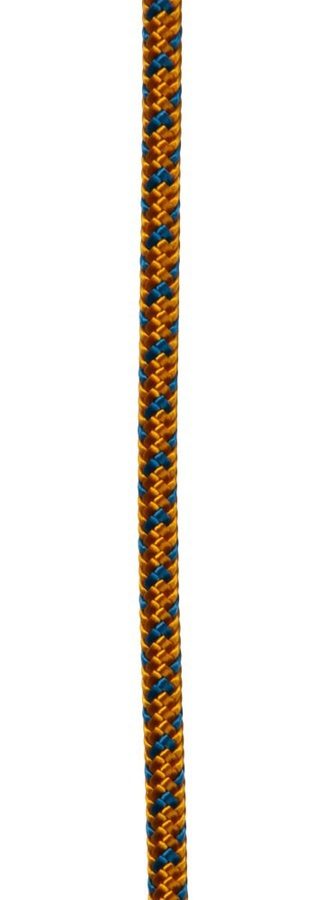
For harnesses, the key questions are climbing style, fit and how much support or gear-carrying capacity you need. For ropes, the first questions are intended use, length, diameter and whether you need a dynamic or static rope. We guide customers through those trade-offs because the right rope for a beginner at the gym is not necessarily the right rope for longer outdoor routes, and the right harness for sport climbing is not always the one you would choose for trad, rescue or alpine use.
How much should safety shape the buying decision?
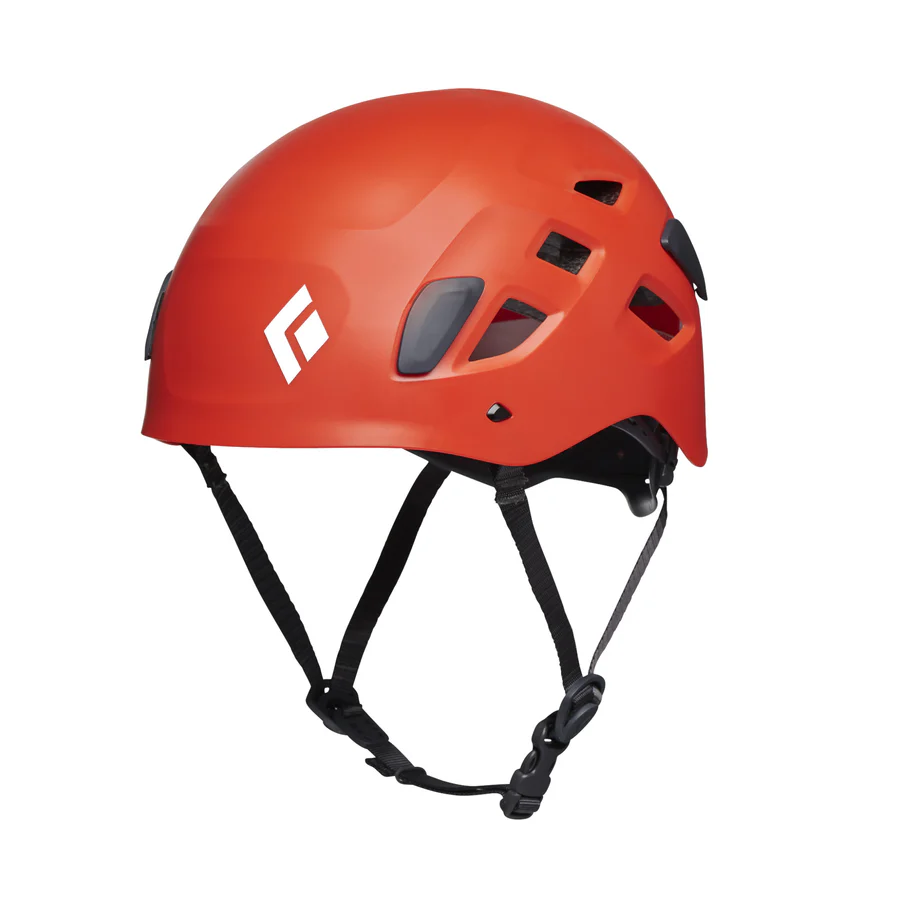
A lot. In climbing, safety is not a secondary feature. It is part of the product decision from the start. We put strong emphasis on proper harness and helmet fit, choosing the right rope type for the activity, and making sure the gear matches the consequence level of the climbing you are doing. Helmets are especially important outdoors and in any environment where rockfall or dropped gear is a possibility.