
Categories
Filter by Brands
-
(9)
-
(2)
-
(4)
-
(2)
-
(3)
-
(1)
-
(12)
-
(17)
-
(9)
-
(23)
-
(1)
-
(14)
-
(4)
-
(4)
-
(4)
-
(13)
-
(72)
-
(12)
-
(1)
-
(1)
-
(11)
-
(129)
-
(2)
-
(3)
-
(4)
-
(5)
-
(11)
-
(2)
-
(58)
-
(12)
-
(61)
-
(1)
-
(2)
-
(1)
-
(7)
-
(1)
-
(2)
-
(1)
-
(2)
-
(12)
-
(3)
-
(13)
-
(2)
-
(2)
-
(2)
-
(3)
-
(5)
-
(1)
-
(4)
-
(2)
-
(5)
-
(11)
-
(3)
-
(2)
-
(1)
-
(1)
-
(97)
-
(4)
-
(6)
-
(7)
-
(2)
-
(2)
-
(3)
-
(7)
-
(1)
-
(124)
-
(13)
-
(4)
-
(1)
-
(10)
-
(1)
-
(24)
-
(1)
-
(21)
-
(25)
-
(29)
-
(22)
-
(11)
-
(20)
-
(3)
-
(2)
-
(42)
-
(14)
-
(1)
-
(28)
-
(15)
-
(1)
-
(8)
-
(21)
-
(9)
-
(1)
-
(7)
-
(2)
-
(2)
-
(1)
-
(28)
-
(1)
-
(1)
-
(5)
-
(9)
-
(2)
-
(3)
-
(2)
-
(1)
-
(5)
-
(4)
-
(12)
-
(1)
-
(15)
-
(6)
-
(3)
-
(7)
-
(6)
-
(6)
-
(18)
-
(3)
-
(1)
-
(2)
-
(2)
-
(5)
-
(2)
-
(2)
-
(3)
-
(180)
-
(3)
-
(40)
-
(1)
-
(2)
-
(5)
-
(23)
-
(2)
-
(1)
-
(3)
-
(19)
-
(3)
-
(3)
-
(15)
-
(1)
-
(1)
-
(9)
-
(1)
-
(28)
-
(1)
-
(52)
-
(9)
-
(1)
-
(2)
-
(12)
-
(2)
-
(40)
-
(2)
-
(647)
-
(5)
-
(3)
-
(57)
-
(11)
-
(3)
-
(12)
-
(2)
-
(1)
-
(1)
-
(35)
-
(8)
-
(5)
-
(24)
-
(2)
-
(2)
-
(4)
-
(5)
-
(14)
-
(8)
-
(4)
-
(42)
-
(9)
-
(4)
-
(6)
-
(20)
-
(4)
-
(383)
-
(21)
-
(24)
-
(4)
-
(4)
-
(9)
-
(1)
-
(4)
-
(19)
-
(9)
-
(34)
-
(1)
-
(3)
-
(1)
-
(2)
-
(2)
-
(3)
-
(14)
-
(8)
-
(13)
-
(1)
-
(3)
-
(9)
-
(1)
-
(13)
-
(1)
-
(1)
-
(1)
-
(22)
-
(5)
-
(13)
-
(1)
-
(1)
-
(30)
-
(8)
-
(5)
-
(58)
-
(1)
-
(11)
-
(6)
-
(5)
-
(4)
-
(4)
-
(1)
-
(1)
-
(201)
-
(2)
-
(1)
-
(1)
-
(9)
-
(98)
-
(1)
-
(66)
-
(2)
-
(7)
-
(4)
Price Range
-
Price:—
Select Size
-
(763)
-
(701)
-
(697)
-
(51)
-
(88)
-
(135)
-
(540)
-
(13)
-
(3)
-
(184)
-
(214)



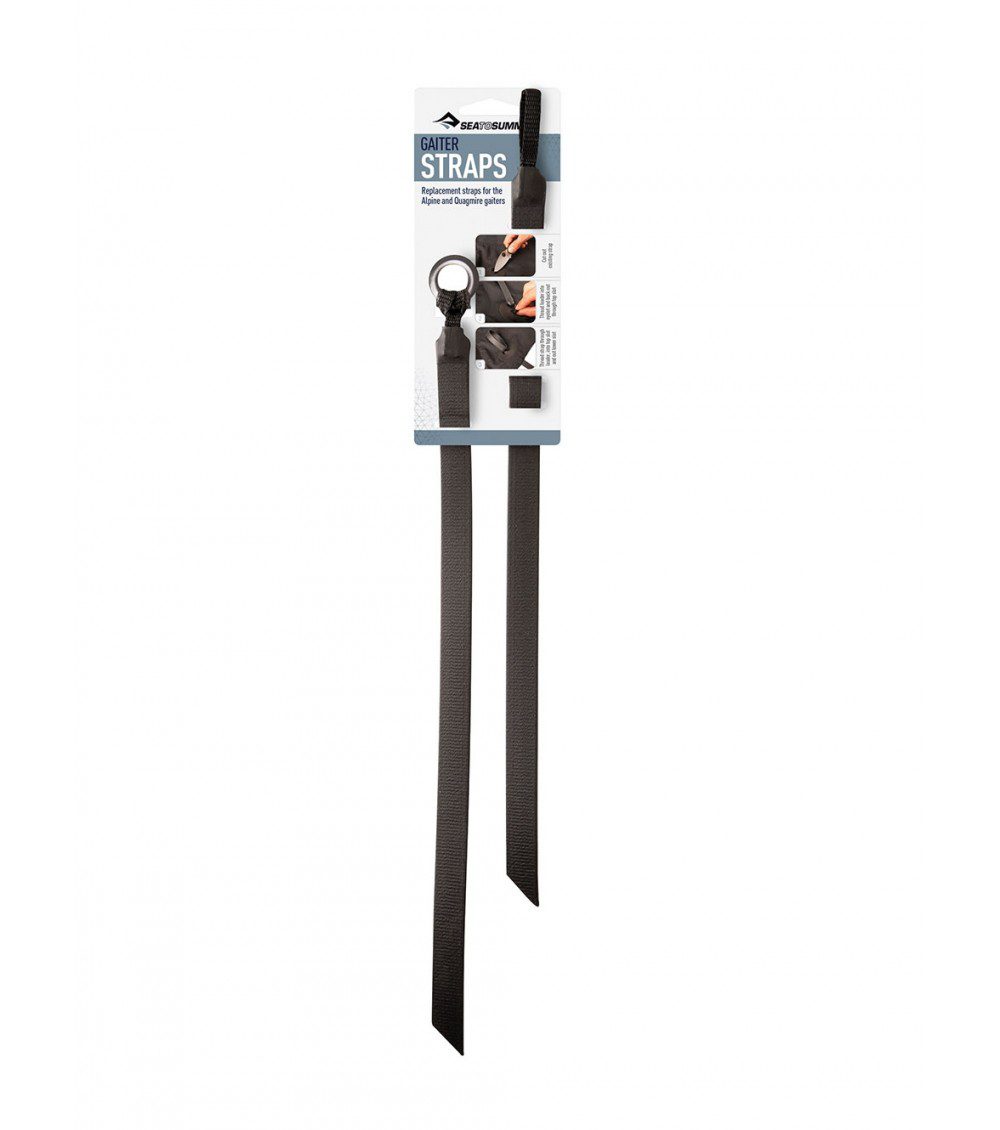
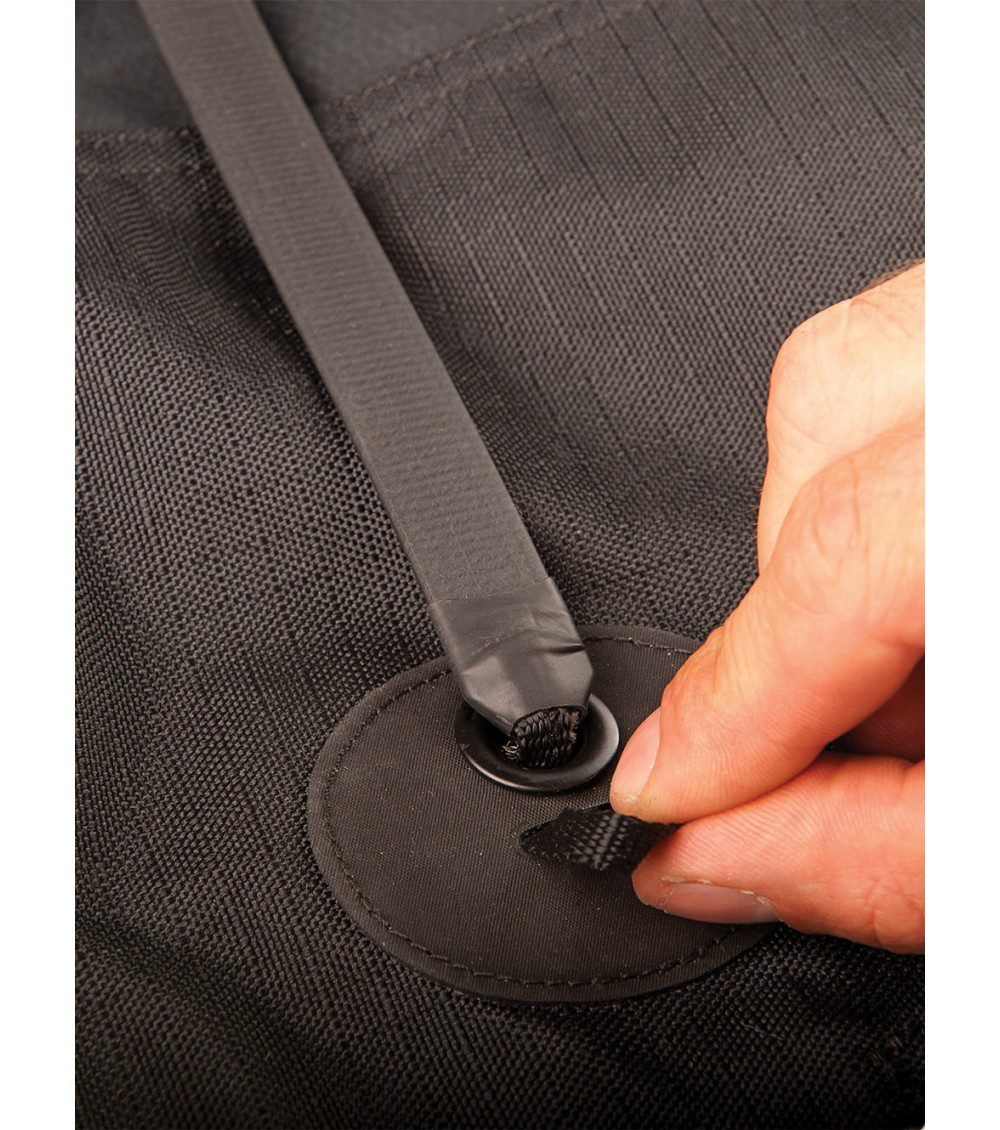
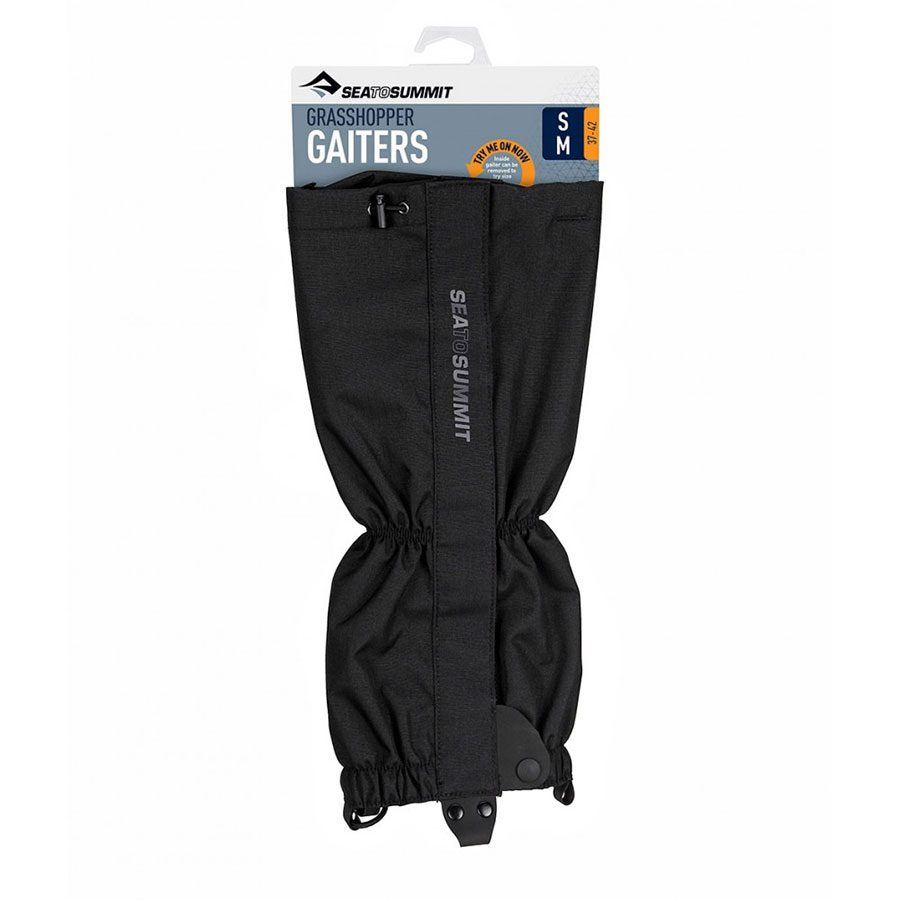
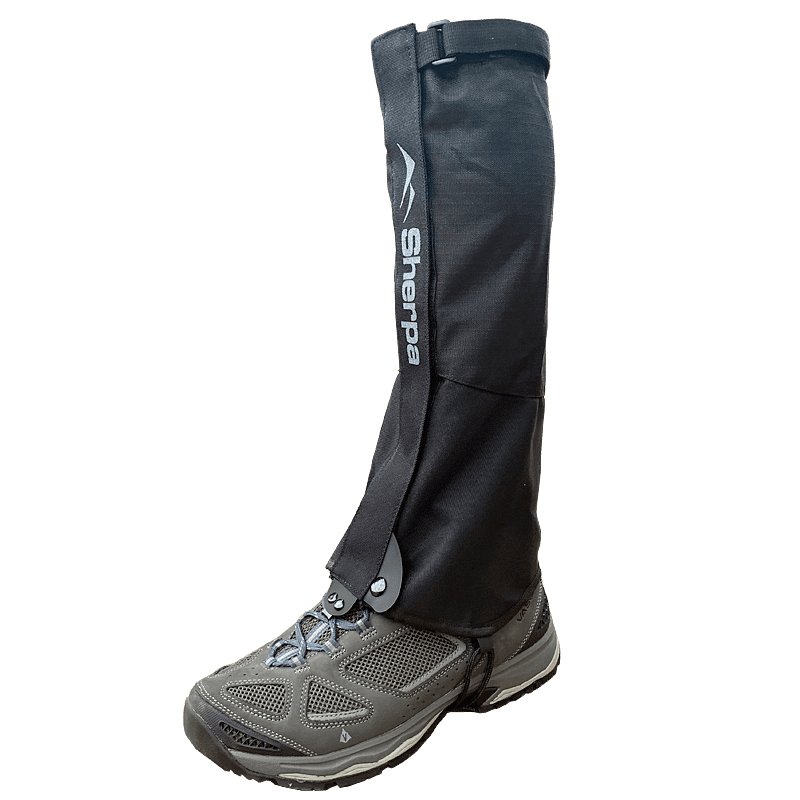
The Gaiter Questions That Usually Separate a Smart Buy From a Muddy Regret
Do I actually need gaiters, or are they optional for most hikes?
They are optional until the conditions stop being forgiving. Gaiters become far more useful once the track turns muddy, scrubby, sandy, wet, or leech-prone, because their job is simple: stop debris, moisture, and trail mess from getting into your boots and socks. Offtrack’s own research describes gaiters as protective coverings worn over boots and lower legs to keep out mud, water, or snow, and its hiking guidance also points to gaiters as a practical add-on for mud and wet scrub. The live category also sits under both Hiking Accessories and Emergency & Safety, which is a clue that Offtrack treats them as more than a cosmetic extra.
What is the real difference between ankle gaiters, bush gaiters, and taller full-length gaiters?
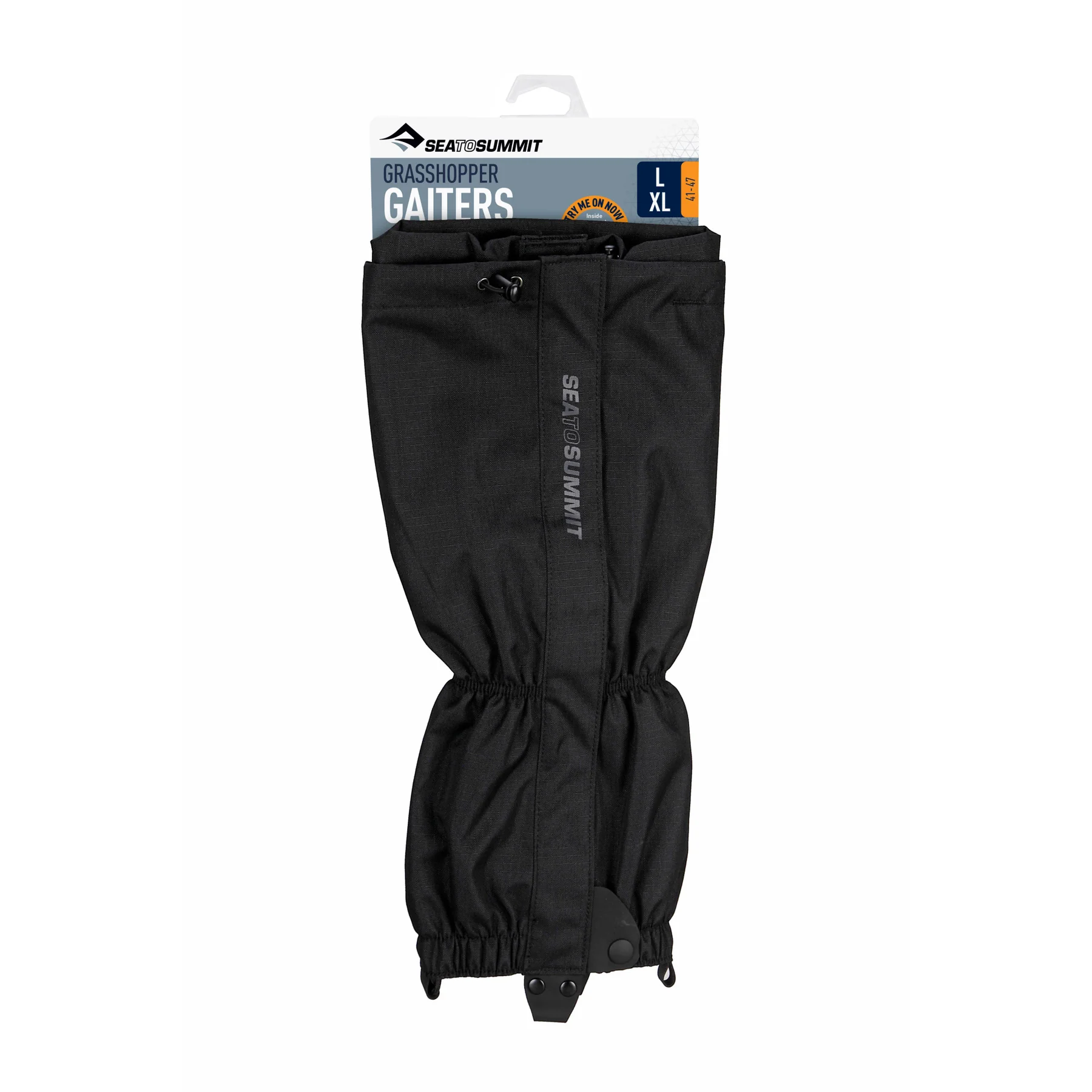
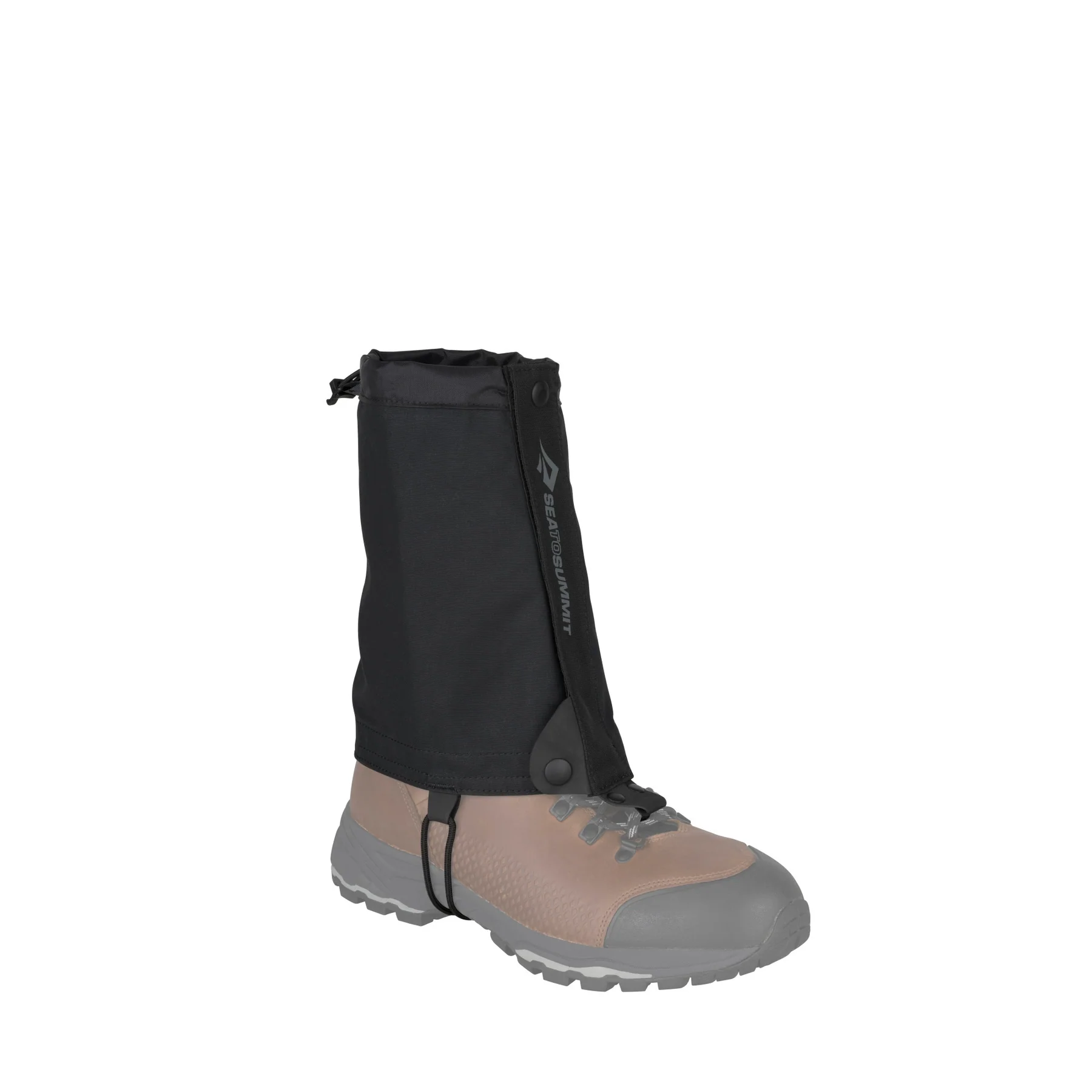
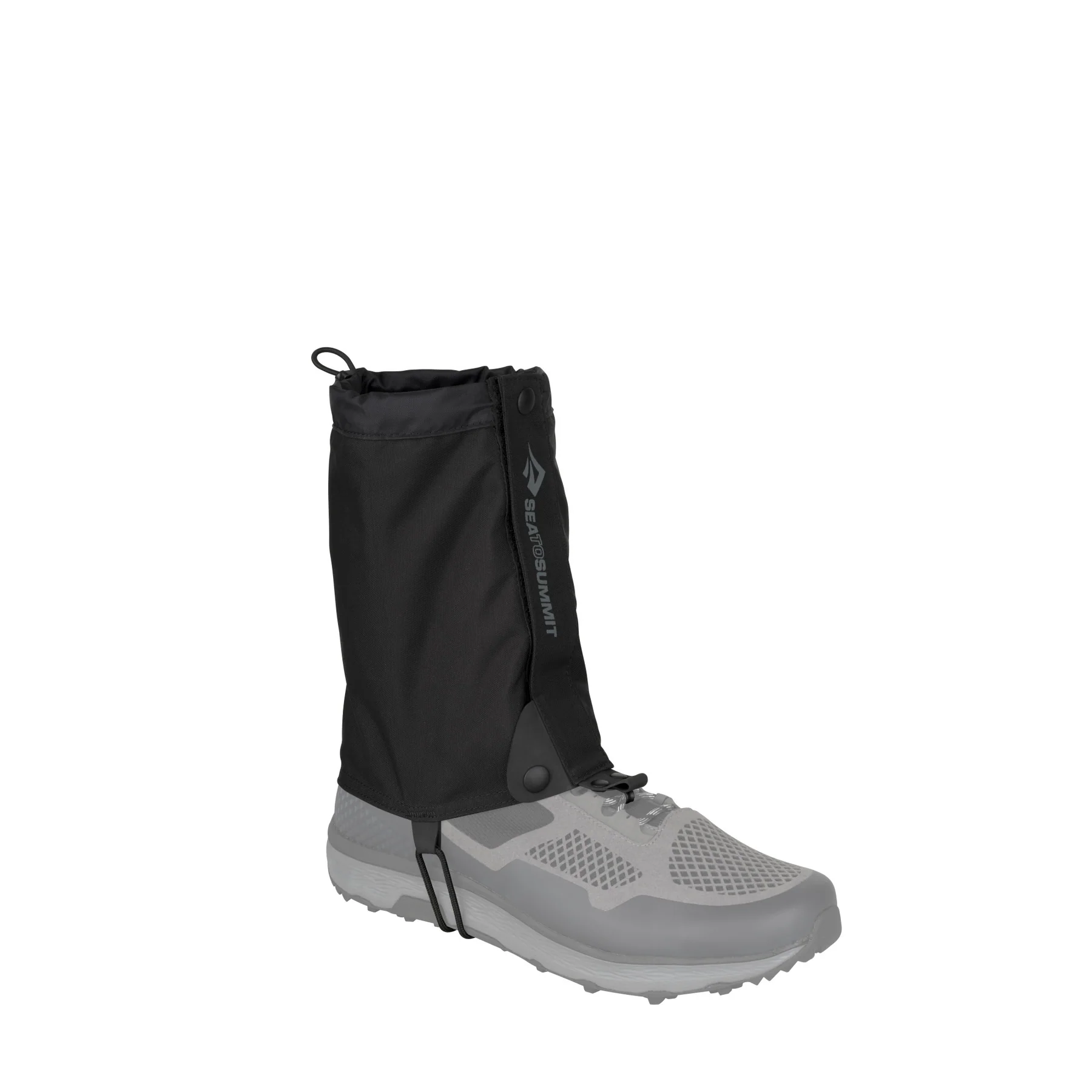
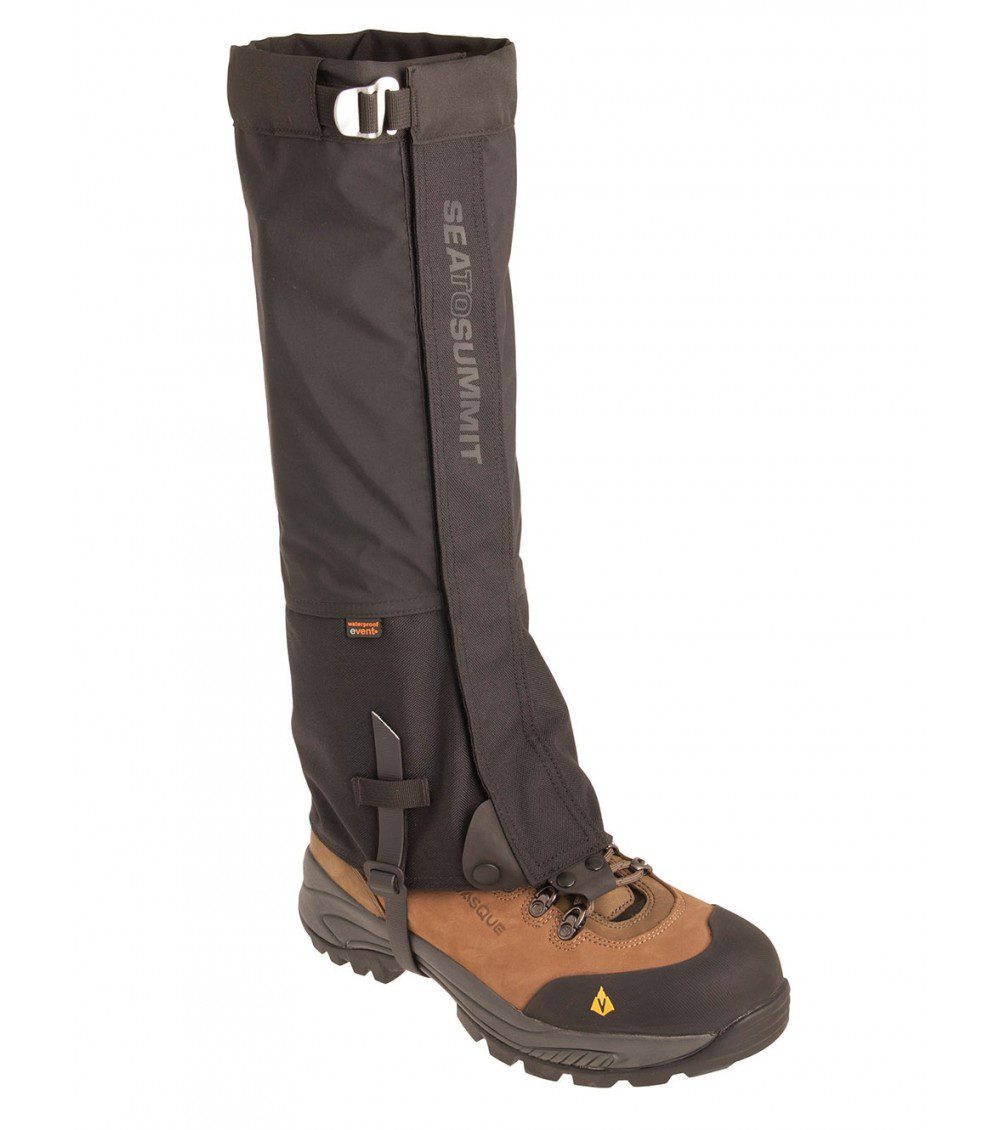
Coverage and purpose. Ankle gaiters are usually the cleaner answer for trail debris, sand, and small stones on faster or lighter walks, while taller bush gaiters are better suited to rougher terrain where you want more lower-leg protection and more defence against mud, wet vegetation, and trail abrasion. The current Offtrack range reflects that split clearly, with products such as the Spinifex Ankle Gaiter, Grasshopper Gaiter, Overland Gaiter, Canvas Bush Gaiters – Black, and 600D Kodra Nylon Bush Gaiters – Black all sitting in the same category for different use cases.
How do I choose between canvas and nylon gaiters?
Start with the environment, not the fabric label. Canvas usually makes more sense when durability, scrub resistance, and tougher bush use are the priority. Nylon options often make more sense when you want lighter carry weight and a more flexible feel for general hiking. Offtrack’s live category currently includes both Canvas Bush Gaiters – Black and 600D Kodra Nylon Bush Gaiters – Black, plus lighter Sea to Summit options, which suggests the category is built around intended use rather than a single “best” construction. Offtrack’s wider brand philosophy is also to match the product to the job rather than pretend one brand or style wins every time.
Are gaiters mainly for snow, or are they just as relevant in Australian conditions?
They are highly relevant in Australian conditions. Snow is one use case, but not the only one. Offtrack’s own research calls out gaiters for mud, wet shrub, and dirty track conditions, and the site’s search data also includes terms such as canvas gaiters and Sea to Summit Quagmire eVent gaiters, which suggests real shopper demand beyond alpine-only use. For a lot of local bushwalking, school camp, and wet-weather hiking use, gaiters are less about winter styling and more about keeping boots cleaner, socks drier, and lower legs better protected. That is a practical benefit, not a niche one.
When does it make sense to pay more for a premium gaiter?
Usually when the trip is harder on gear, the conditions are more punishing, or failure would become irritating very quickly. The current category spans from lower-priced accessories such as Gaiter Strap Replacement Pair at $14.99 and Long Gaiters at $39.95 through to more technical options such as the Quagmire Evac Gaiters at $129.99 and durable Wilderness Equipment bush gaiters at the upper end of the range. That spread usually points to differences in fabric, intended terrain, durability, and weather resistance rather than random pricing. If the gaiters are for repeated rough-track use, a multi-day trip, or group kit where reliability matters, cheaper is not always cheaper once replacement or discomfort is factored in.
What changes your recommendation for school groups, Duke of Ed, or shared outdoor program use?
The recommendation usually shifts toward durability, simplicity, and suitability for repeated use by less experienced participants. Offtrack serves both individual buyers and institutional customers such as schools and group leaders, and its research repeatedly shows that the business frames gear choices around environment, practicality, and user level. In that context, the right gaiter is usually the one that is easy to fit correctly, hard to destroy in a single season, and appropriate for the sort of terrain the group actually walks through. Lightweight minimalism can be attractive on paper, but shared-use gear usually needs a little more tolerance for rough handling.

