
Categories
Filter by Brands
-
(9)
-
(2)
-
(4)
-
(2)
-
(3)
-
(1)
-
(12)
-
(17)
-
(9)
-
(23)
-
(1)
-
(14)
-
(4)
-
(4)
-
(4)
-
(13)
-
(72)
-
(12)
-
(1)
-
(1)
-
(11)
-
(129)
-
(2)
-
(3)
-
(4)
-
(5)
-
(11)
-
(2)
-
(58)
-
(12)
-
(61)
-
(1)
-
(2)
-
(1)
-
(7)
-
(1)
-
(2)
-
(1)
-
(2)
-
(12)
-
(3)
-
(13)
-
(2)
-
(2)
-
(2)
-
(3)
-
(5)
-
(1)
-
(4)
-
(2)
-
(5)
-
(11)
-
(3)
-
(2)
-
(1)
-
(1)
-
(97)
-
(4)
-
(6)
-
(7)
-
(2)
-
(2)
-
(3)
-
(7)
-
(1)
-
(124)
-
(13)
-
(4)
-
(1)
-
(10)
-
(1)
-
(24)
-
(1)
-
(21)
-
(25)
-
(29)
-
(22)
-
(11)
-
(20)
-
(3)
-
(2)
-
(42)
-
(14)
-
(1)
-
(28)
-
(15)
-
(1)
-
(8)
-
(21)
-
(9)
-
(1)
-
(7)
-
(2)
-
(2)
-
(1)
-
(28)
-
(1)
-
(1)
-
(5)
-
(9)
-
(2)
-
(3)
-
(2)
-
(1)
-
(5)
-
(4)
-
(12)
-
(1)
-
(15)
-
(6)
-
(3)
-
(7)
-
(6)
-
(6)
-
(18)
-
(3)
-
(1)
-
(2)
-
(2)
-
(5)
-
(2)
-
(2)
-
(3)
-
(180)
-
(3)
-
(40)
-
(1)
-
(2)
-
(5)
-
(23)
-
(2)
-
(1)
-
(3)
-
(19)
-
(3)
-
(3)
-
(15)
-
(1)
-
(1)
-
(9)
-
(1)
-
(28)
-
(1)
-
(52)
-
(9)
-
(1)
-
(2)
-
(12)
-
(2)
-
(40)
-
(2)
-
(647)
-
(5)
-
(3)
-
(57)
-
(11)
-
(3)
-
(12)
-
(2)
-
(1)
-
(1)
-
(35)
-
(8)
-
(5)
-
(24)
-
(2)
-
(2)
-
(4)
-
(5)
-
(14)
-
(8)
-
(4)
-
(42)
-
(9)
-
(4)
-
(6)
-
(20)
-
(4)
-
(383)
-
(21)
-
(24)
-
(4)
-
(4)
-
(9)
-
(1)
-
(4)
-
(19)
-
(9)
-
(34)
-
(1)
-
(3)
-
(1)
-
(2)
-
(2)
-
(3)
-
(14)
-
(8)
-
(13)
-
(1)
-
(3)
-
(9)
-
(1)
-
(13)
-
(1)
-
(1)
-
(1)
-
(22)
-
(5)
-
(13)
-
(1)
-
(1)
-
(30)
-
(8)
-
(5)
-
(58)
-
(1)
-
(11)
-
(6)
-
(5)
-
(4)
-
(4)
-
(1)
-
(1)
-
(201)
-
(2)
-
(1)
-
(1)
-
(9)
-
(98)
-
(1)
-
(66)
-
(2)
-
(7)
-
(4)
Price Range
-
Price:—
Select Size
-
(763)
-
(701)
-
(697)
-
(540)
-
(51)
-
(88)
-
(135)
-
(13)
-
(3)
-
(184)
-
(214)



The Questions Worth Clearing Up Before You Buy Gaiters
Do I need full-height gaiters or are ankle gaiters enough?
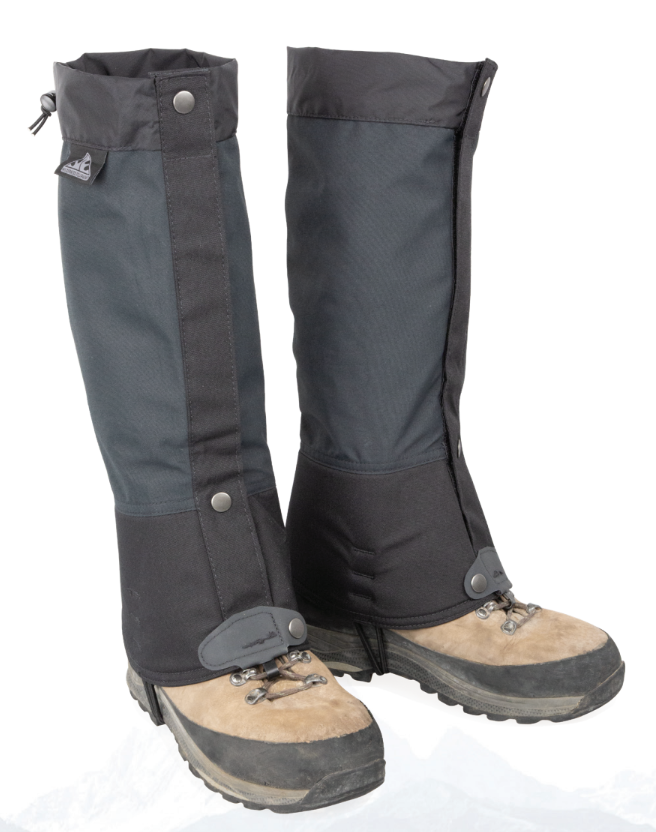
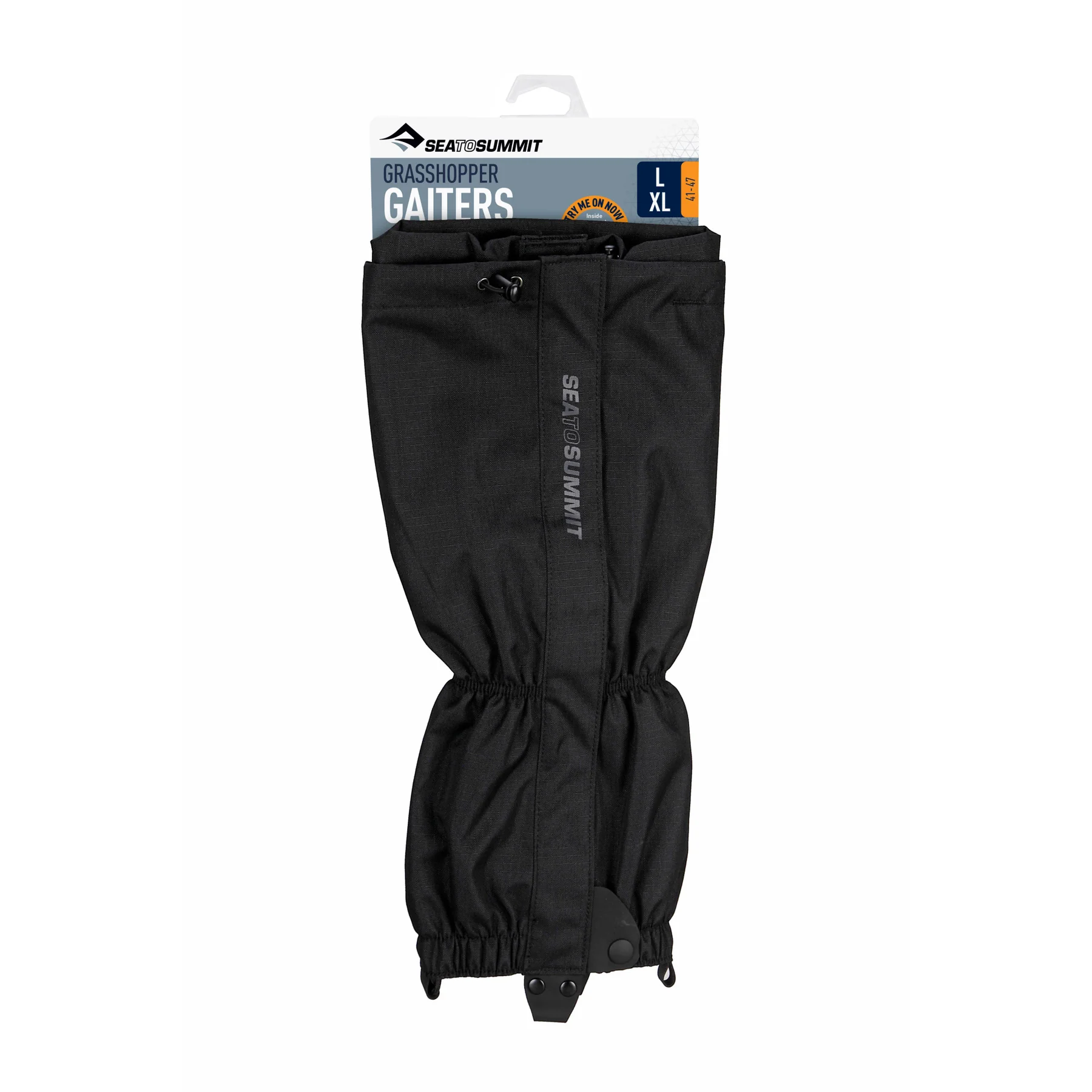
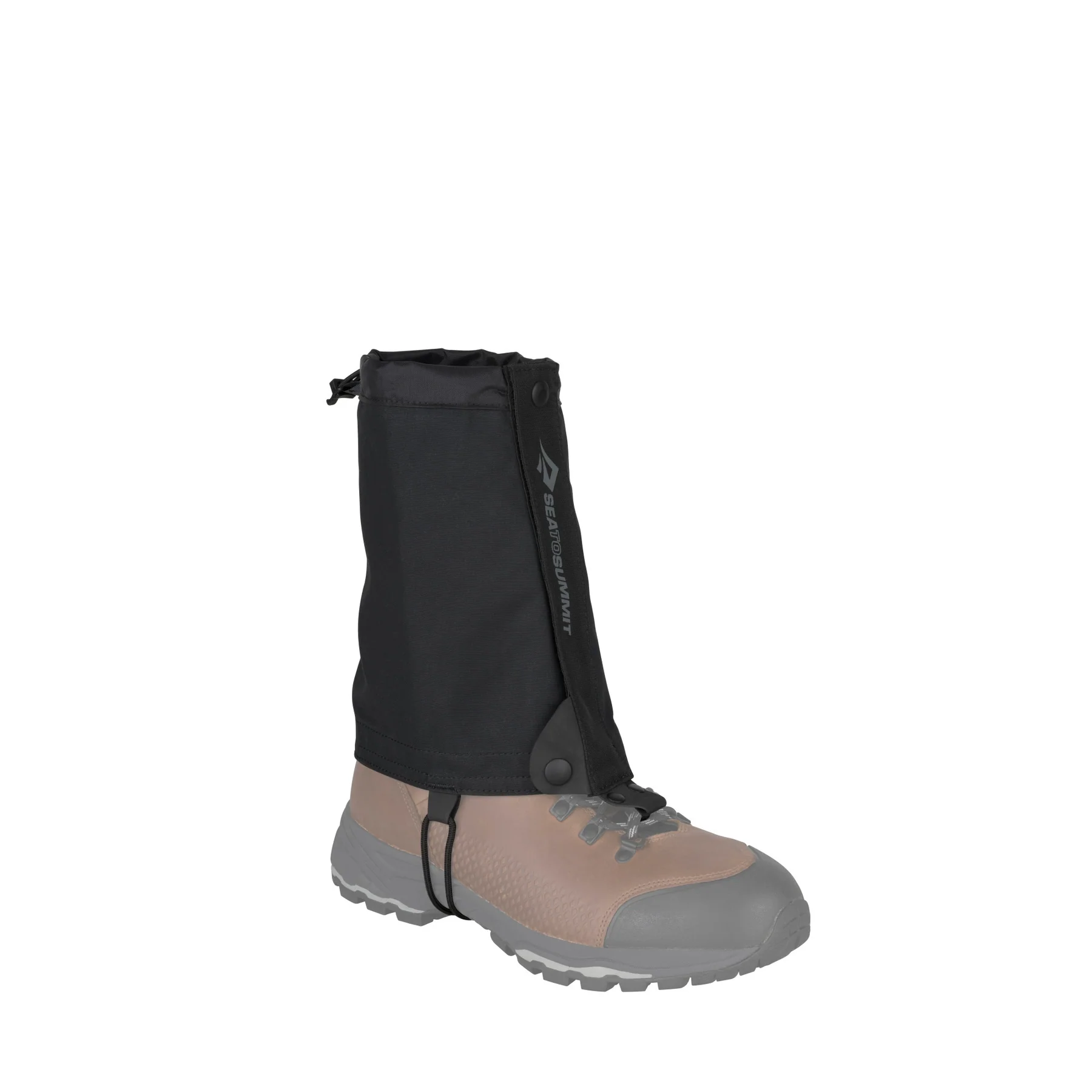
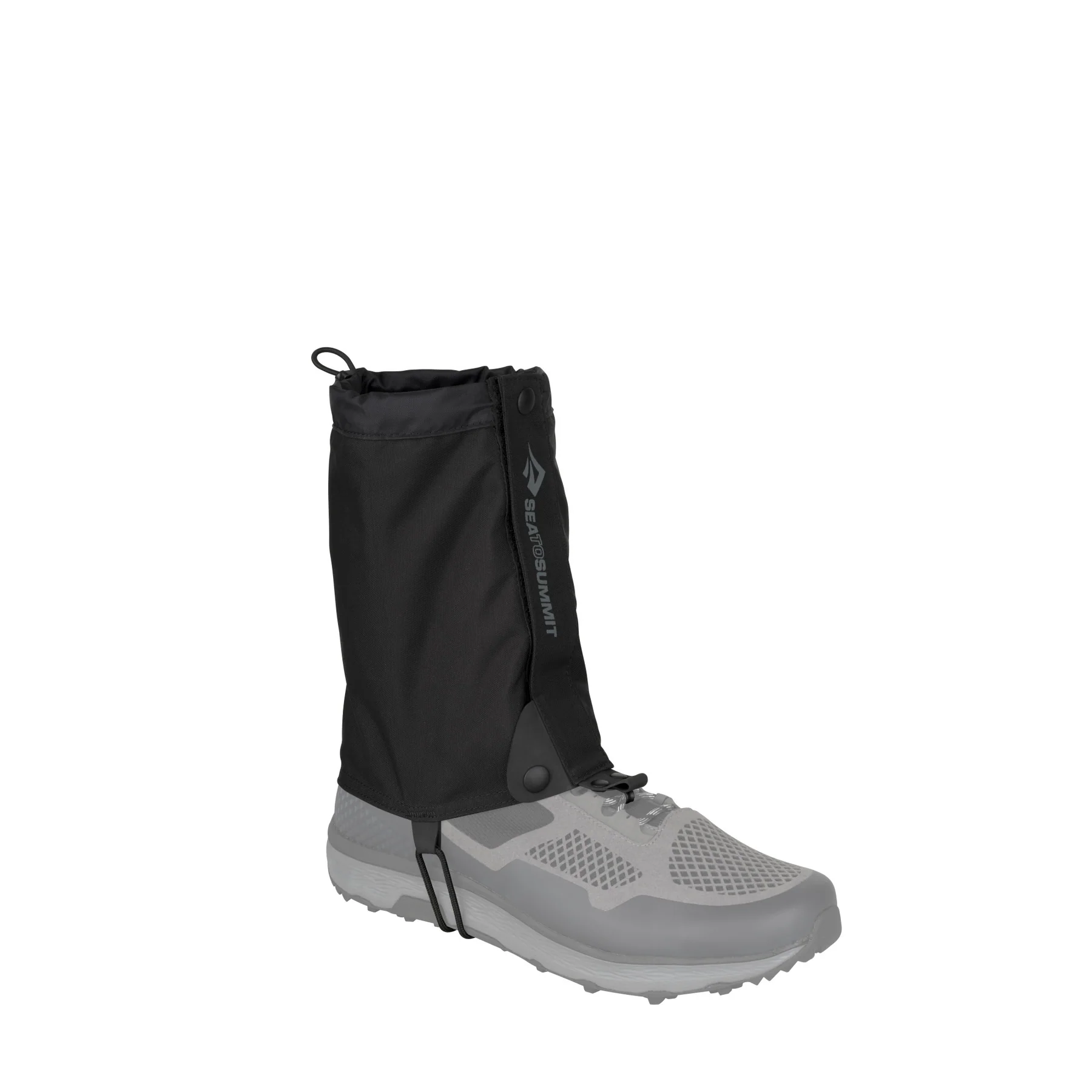
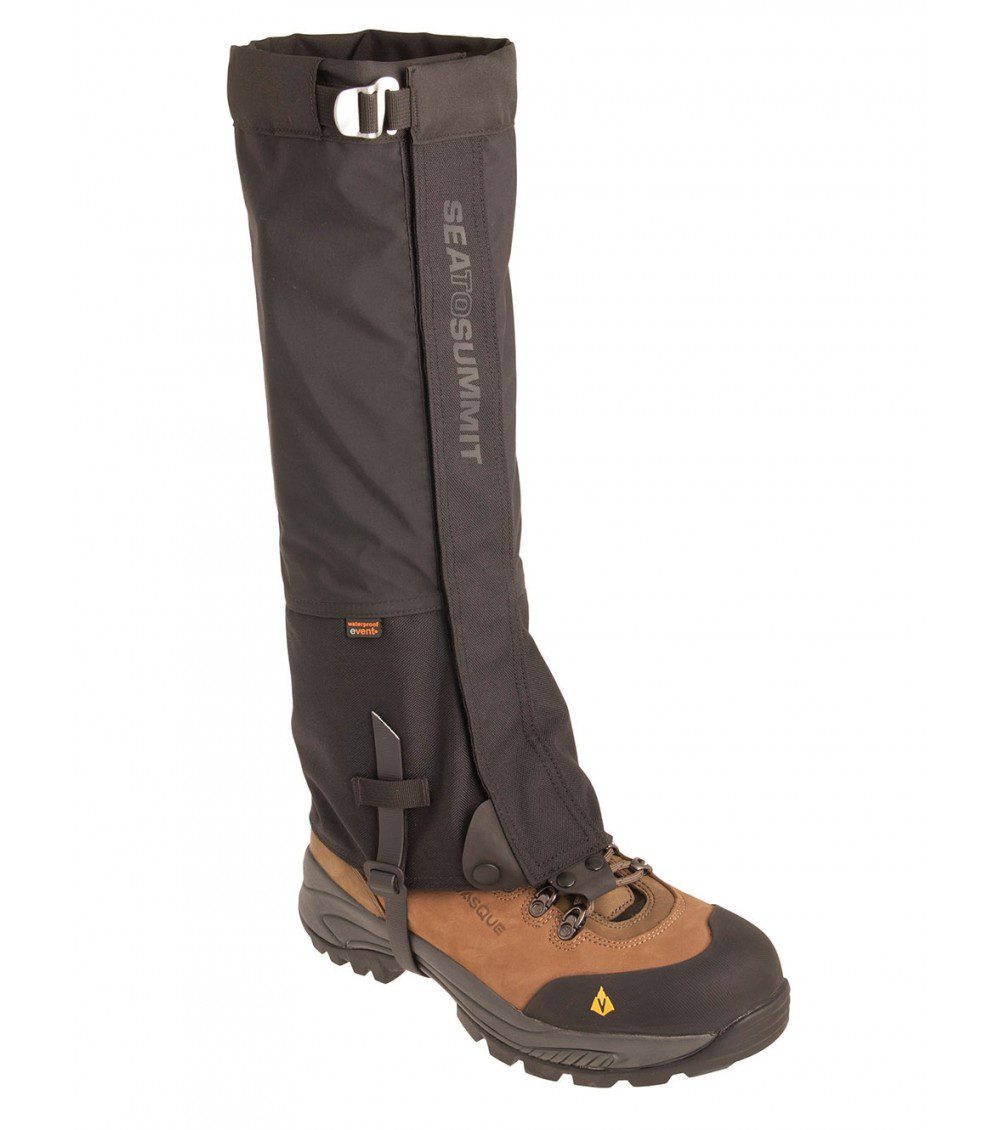
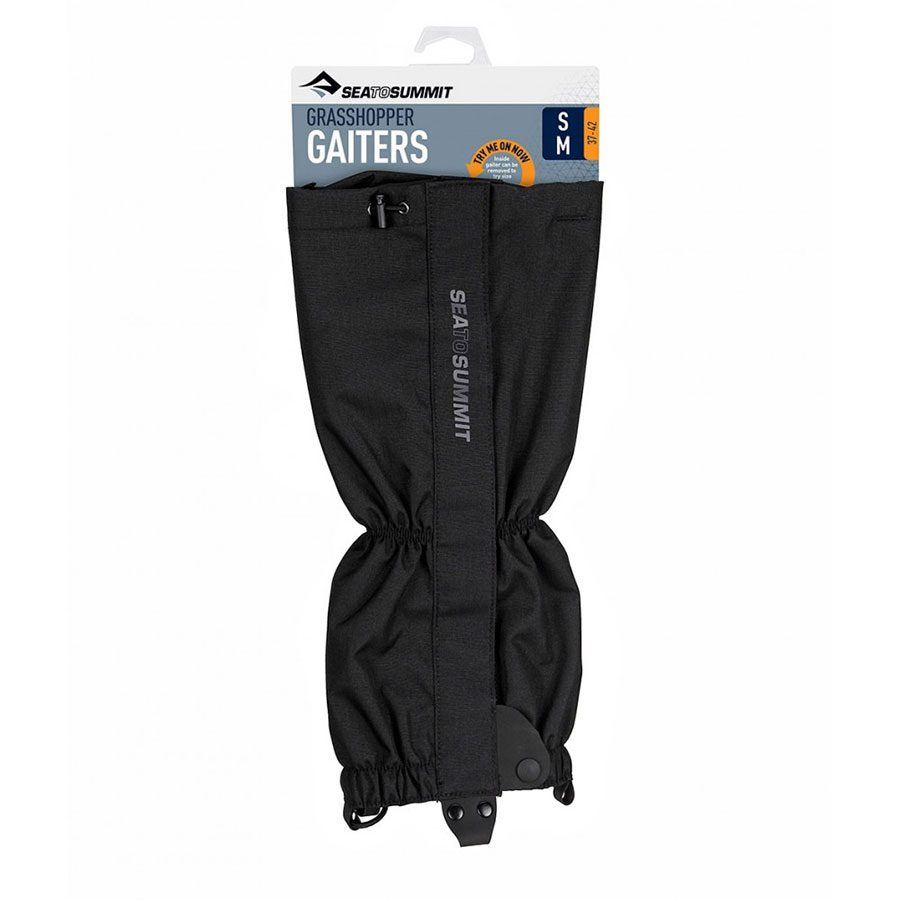
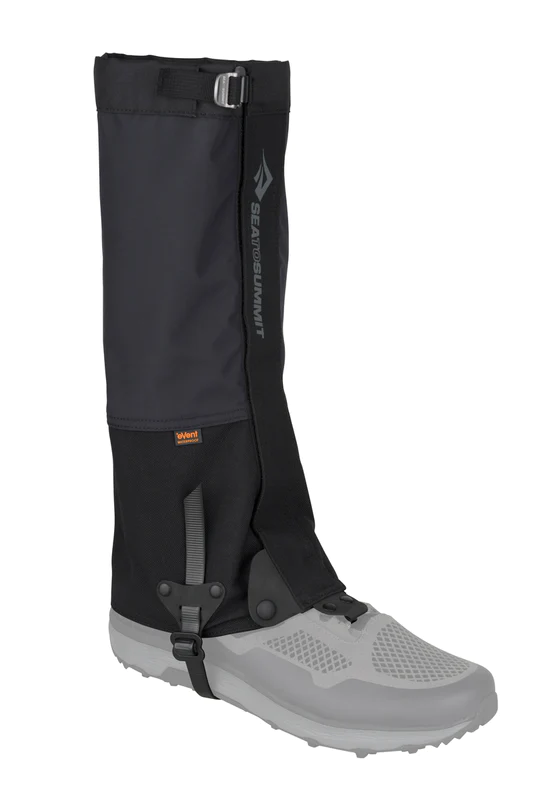
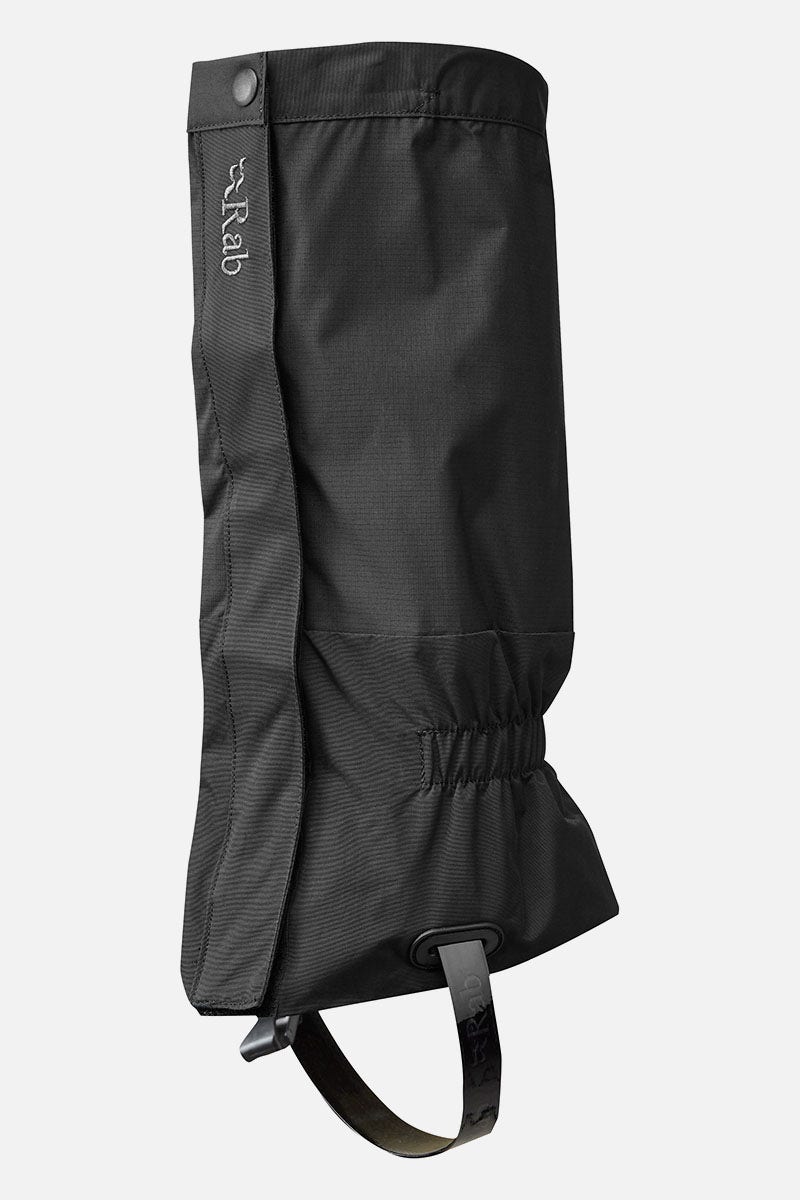
That comes down to what you are trying to keep out. If the main issue is trail debris, grass seeds, loose dirt, or light scrub, ankle gaiters can be enough and feel less bulky. If you are dealing with wet vegetation, muddy tracks, deeper scrub, or rougher off-track walking, full-height gaiters make more sense because they protect more of the boot and lower leg. The live category reflects both use cases, with ankle models such as the Spinifex and Tumbleweed alongside taller options like the Overland, Quagmire, Trek, and bush gaiters.
What is the real difference between canvas, nylon, and eVent-style gaiters?
The material usually tells you what the gaiter is built for. Canvas and heavier bush gaiters lean toward durability and tougher scrub. Nylon options suit lighter hiking use where lower weight and packability matter more. eVent-style gaiters point more toward weather protection and breathability in wetter conditions. Offtrack’s broader hiking guidance is strongly scenario-based, so the better choice is the one that matches terrain, weather, and trip style rather than chasing one universal winner.
Are gaiters mainly for wet weather, or do they help in dry conditions too?
They help in both. In wet conditions, they can keep lower legs drier and stop water, mud, and wet scrub from fouling up your boots. In dry conditions, they are still useful for dust, grit, sand, spinifex, seeds, and rough bush. One of Offtrack’s own research documents specifically calls out gaiters as a smart addition in mud or wet shrub to keep legs drier and boots cleaner, but their hiking-accessories positioning also makes it clear they sit alongside other practical trail extras rather than being only a rain item.
What should I buy for bushwalking and rough scrub rather than maintained tracks?
That is where tougher bush gaiters usually become more relevant. In the current category, products like the Wilderness Equipment 600D Kodra Nylon Bush Gaiters and Canvas Bush Gaiters sit at the more robust end of the range, which is a different job from lighter ankle gaiters designed for simpler trail use. If your walking regularly includes scrub, abrasive terrain, or trips where gear gets punished, durability matters more than shaving a bit of weight.
Do gaiters matter for group trips, school programs, or Duke of Ed style hiking?
They can, especially when trip leaders are trying to reduce avoidable discomfort and keep gear choices practical for the conditions. Offtrack serves both individual hikers and institutional buyers, and their research repeatedly points to schools, group leaders, and outdoor education programs as a real part of the customer mix. Their Gear List service is also built around matching equipment to a specific trip and budget, which is useful when a group needs the right accessories without everyone guessing differently.
Is there one gaiter here that is simply the best?
No, and that would cut against Offtrack’s general product philosophy anyway. Their positioning is that no one brand is best at everything, and the stronger recommendation comes from application. In this category, that means the “best” gaiter changes depending on whether you want lighter trail use, hard-wearing bush protection, ankle-only coverage, or a weather-focused model.

