
Categories
Filter by Brands
-
(9)
-
(2)
-
(4)
-
(2)
-
(3)
-
(1)
-
(12)
-
(17)
-
(9)
-
(23)
-
(1)
-
(14)
-
(4)
-
(4)
-
(4)
-
(13)
-
(72)
-
(12)
-
(1)
-
(1)
-
(11)
-
(129)
-
(2)
-
(3)
-
(4)
-
(5)
-
(11)
-
(2)
-
(58)
-
(12)
-
(61)
-
(1)
-
(2)
-
(1)
-
(7)
-
(1)
-
(2)
-
(1)
-
(2)
-
(12)
-
(3)
-
(13)
-
(2)
-
(2)
-
(2)
-
(3)
-
(5)
-
(1)
-
(4)
-
(2)
-
(5)
-
(11)
-
(3)
-
(2)
-
(1)
-
(1)
-
(97)
-
(4)
-
(6)
-
(7)
-
(2)
-
(2)
-
(3)
-
(7)
-
(1)
-
(124)
-
(13)
-
(4)
-
(1)
-
(10)
-
(1)
-
(24)
-
(1)
-
(21)
-
(25)
-
(29)
-
(22)
-
(11)
-
(20)
-
(3)
-
(2)
-
(42)
-
(14)
-
(1)
-
(28)
-
(15)
-
(1)
-
(8)
-
(21)
-
(9)
-
(1)
-
(7)
-
(2)
-
(2)
-
(1)
-
(28)
-
(1)
-
(1)
-
(5)
-
(9)
-
(2)
-
(3)
-
(2)
-
(1)
-
(5)
-
(4)
-
(12)
-
(1)
-
(15)
-
(6)
-
(3)
-
(7)
-
(6)
-
(6)
-
(18)
-
(3)
-
(1)
-
(2)
-
(2)
-
(5)
-
(2)
-
(2)
-
(3)
-
(180)
-
(3)
-
(40)
-
(1)
-
(2)
-
(5)
-
(23)
-
(2)
-
(1)
-
(3)
-
(19)
-
(3)
-
(3)
-
(15)
-
(1)
-
(1)
-
(9)
-
(1)
-
(28)
-
(1)
-
(52)
-
(9)
-
(1)
-
(2)
-
(12)
-
(2)
-
(40)
-
(2)
-
(647)
-
(5)
-
(3)
-
(57)
-
(11)
-
(3)
-
(12)
-
(2)
-
(1)
-
(1)
-
(35)
-
(8)
-
(5)
-
(24)
-
(2)
-
(2)
-
(4)
-
(5)
-
(14)
-
(8)
-
(4)
-
(42)
-
(9)
-
(4)
-
(6)
-
(20)
-
(4)
-
(383)
-
(21)
-
(24)
-
(4)
-
(4)
-
(9)
-
(1)
-
(4)
-
(19)
-
(9)
-
(34)
-
(1)
-
(3)
-
(1)
-
(2)
-
(2)
-
(3)
-
(14)
-
(8)
-
(13)
-
(1)
-
(3)
-
(9)
-
(1)
-
(13)
-
(1)
-
(1)
-
(1)
-
(22)
-
(5)
-
(13)
-
(1)
-
(1)
-
(30)
-
(8)
-
(5)
-
(58)
-
(1)
-
(11)
-
(6)
-
(5)
-
(4)
-
(4)
-
(1)
-
(1)
-
(201)
-
(2)
-
(1)
-
(1)
-
(9)
-
(98)
-
(1)
-
(66)
-
(2)
-
(7)
-
(4)
Price Range
-
Price:—
Select Size
-
(763)
-
(152)
-
(540)
-
(701)
-
(3)

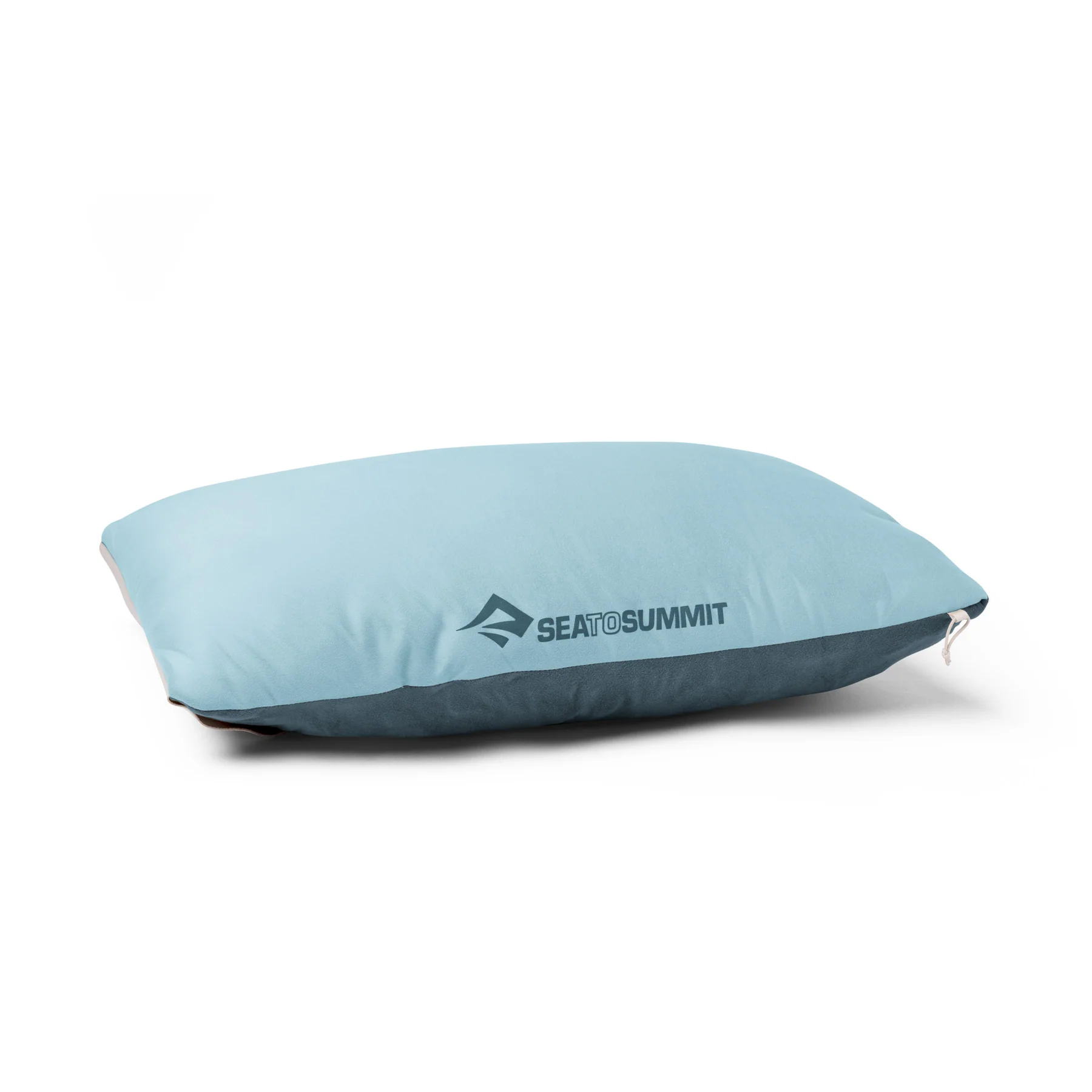
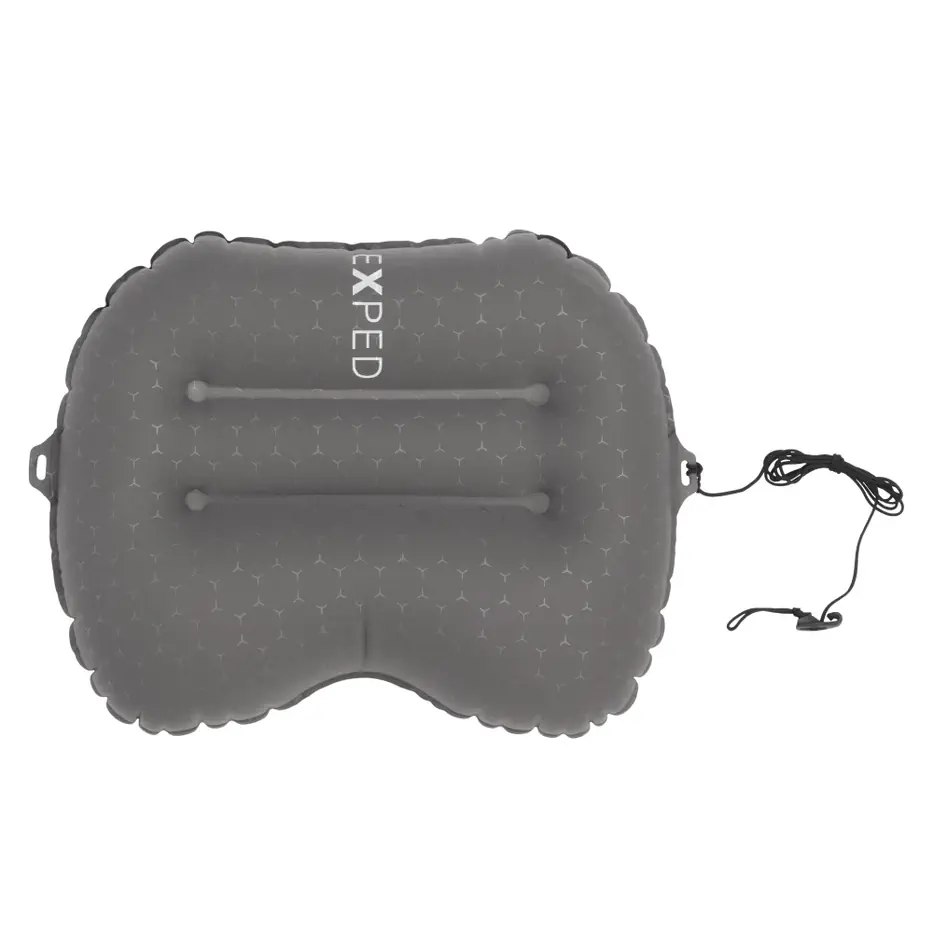
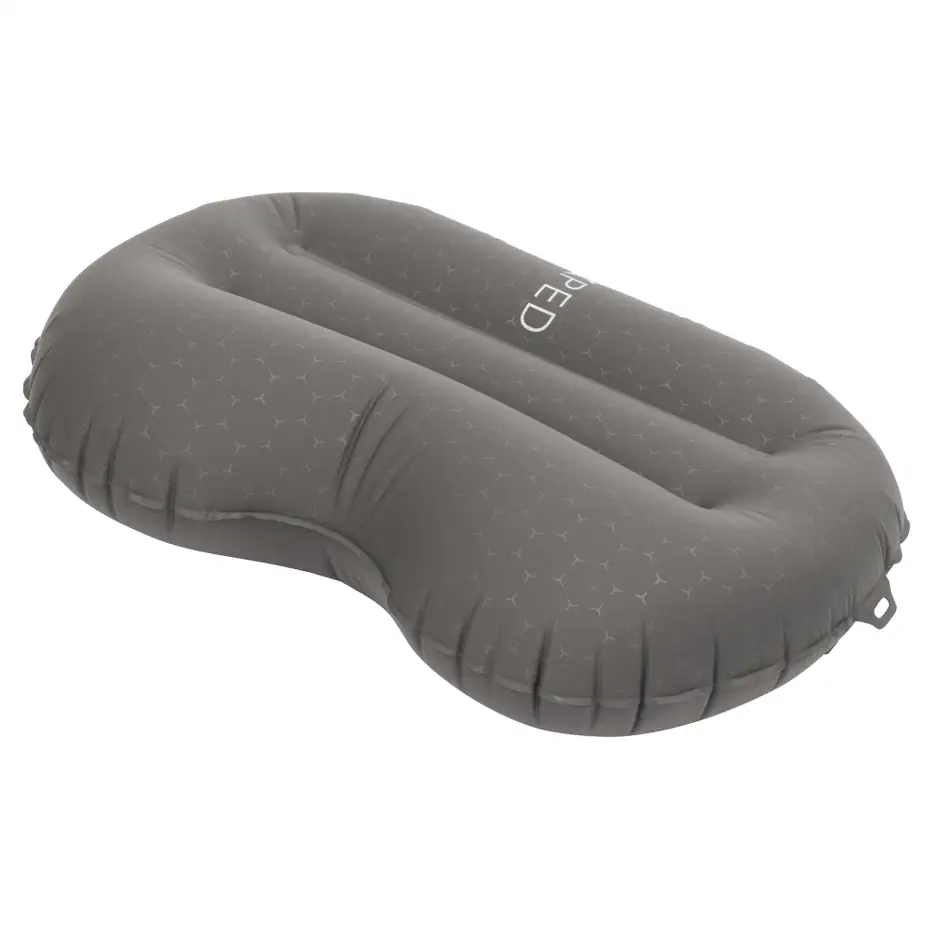
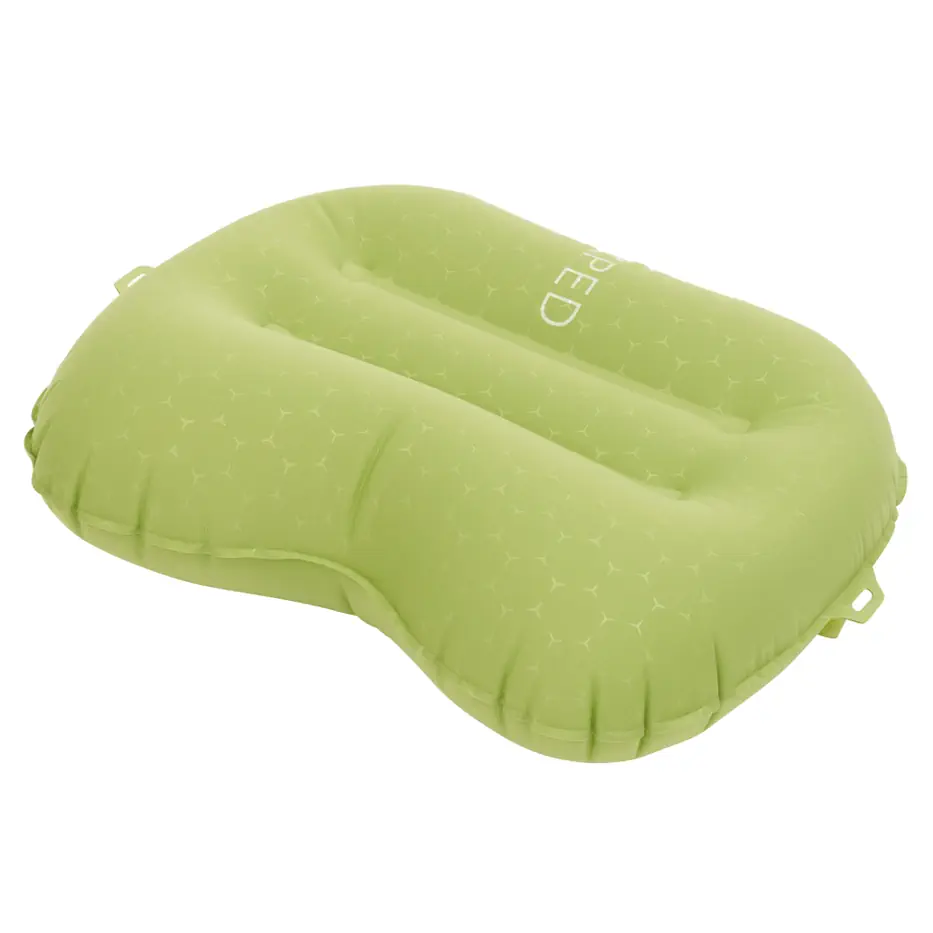






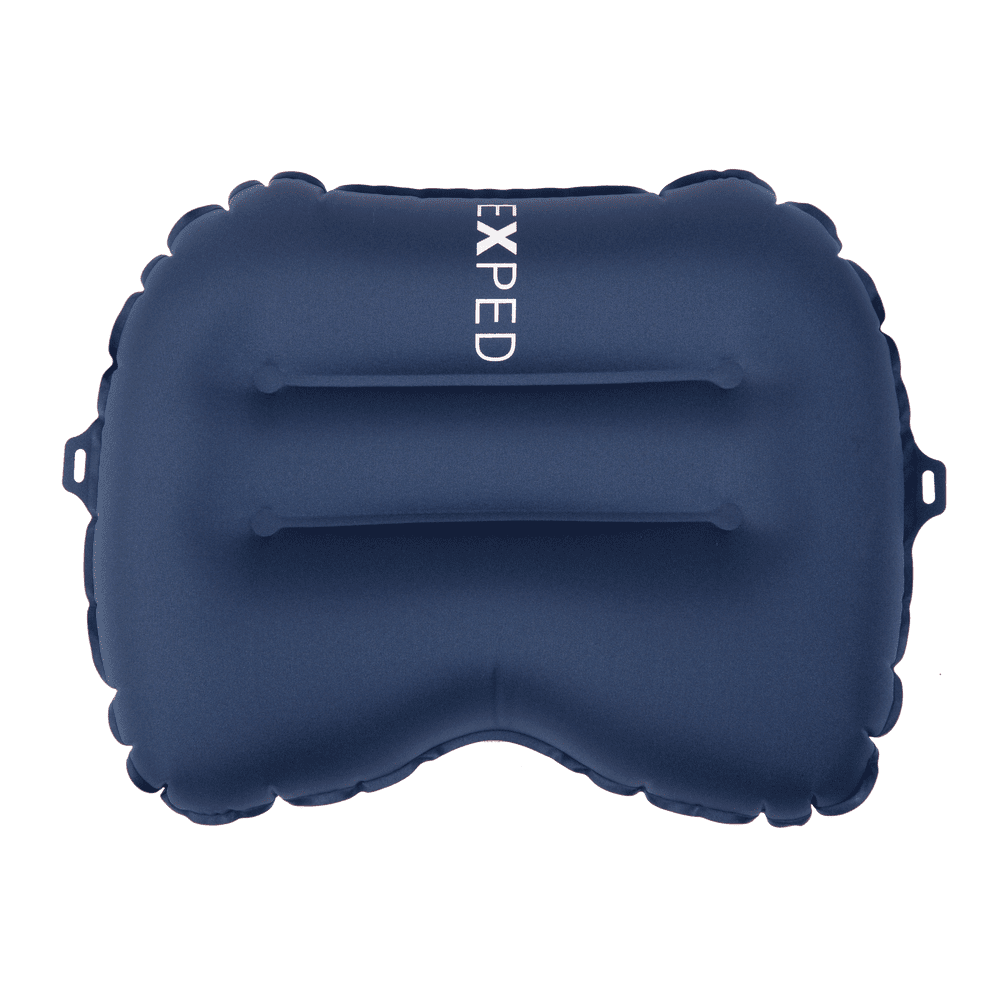
The pillow questions that usually decide whether you sleep well or just carry extra gear
Do I really need a camp pillow, or can I just use a jacket or stuff sack?
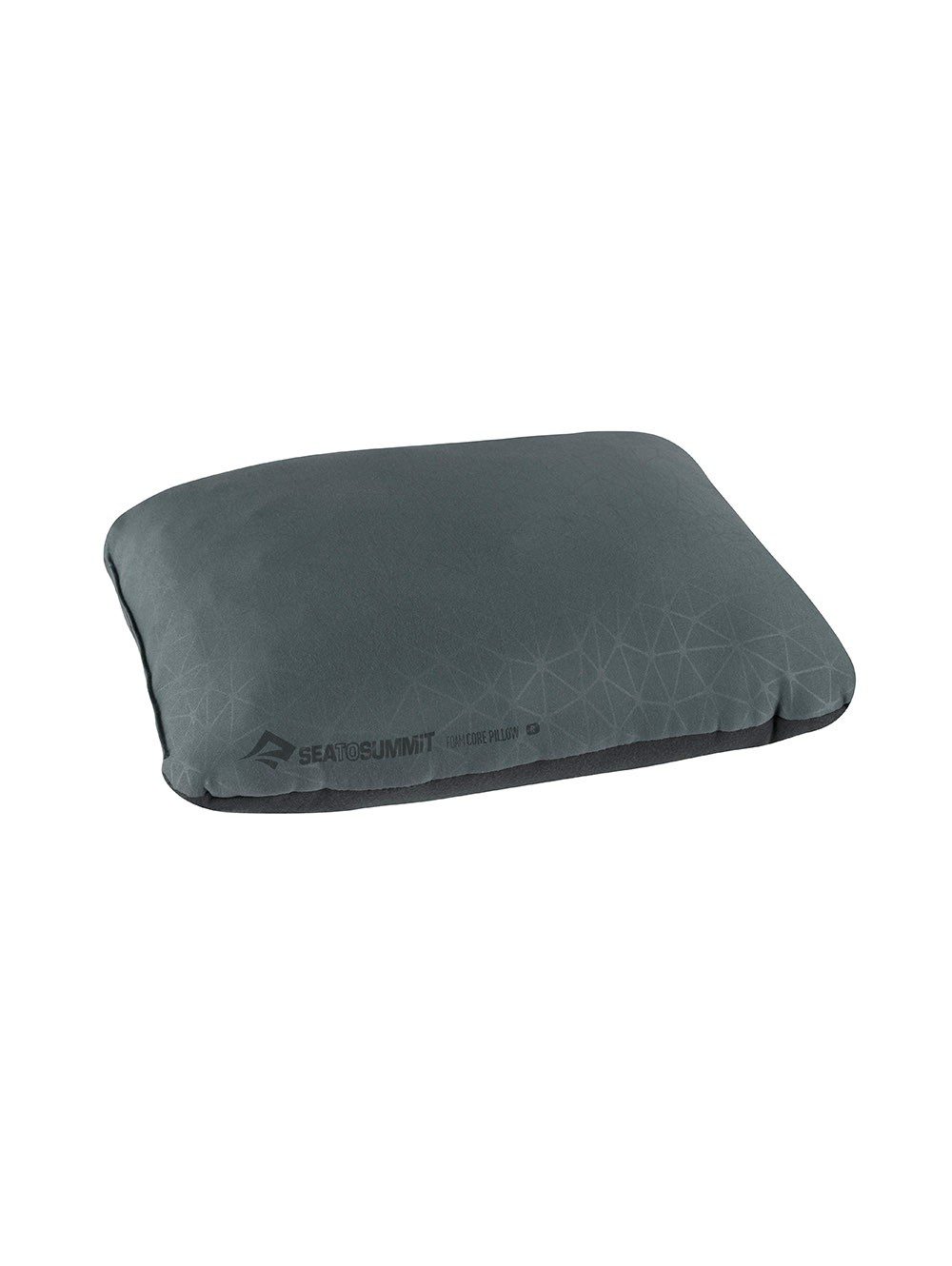
You can use a jacket or a stuff sack, but that works better as a backup than a reliable sleep setup. A proper camp pillow usually gives you more consistent support, a better sleeping position, and less adjusting through the night, which matters more than people expect on multi-day trips. Offtrack’s sleep systems range treats pillows as a real part of the sleep setup rather than an afterthought, and this category currently includes dedicated options from Sea to Summit and Exped rather than generic accessories.
What is the difference between an ultralight pillow and a larger premium one?
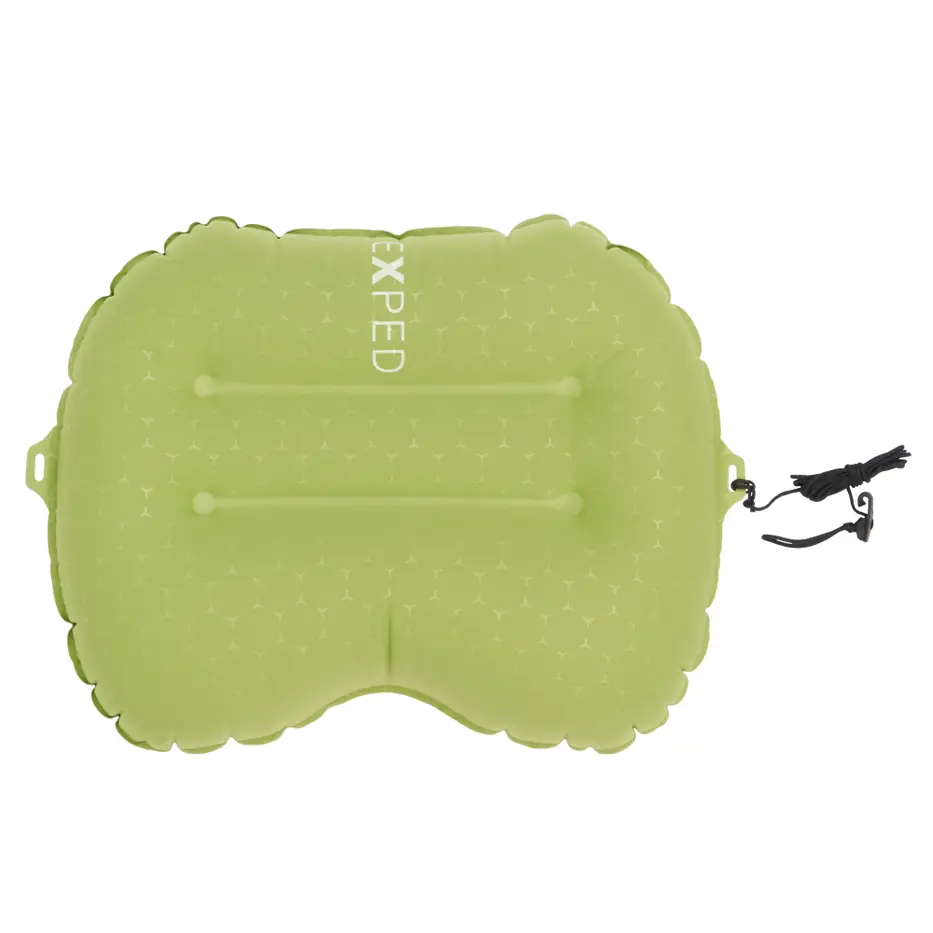
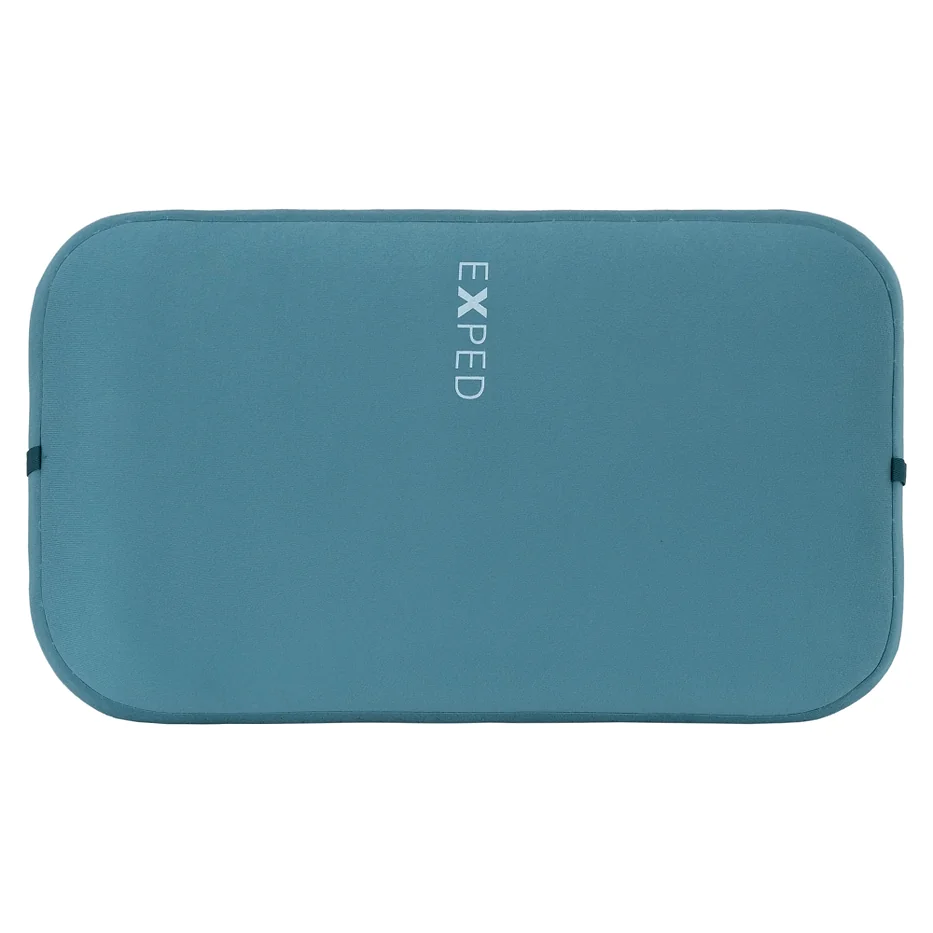
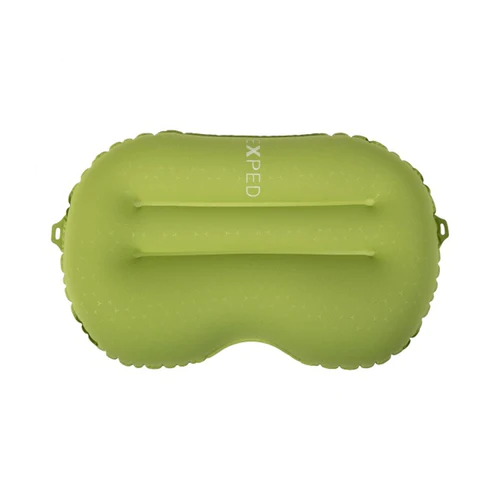
The trade-off is usually pack size and weight versus comfort and surface area. Ultralight models suit hikers who want the smallest possible sleep kit, while larger premium or deluxe pillows tend to suit people who move around in their sleep, want a more familiar feel, or are building a more comfort-focused camp setup. On the current category page, that contrast shows up clearly through products like the Aeros Pillow Ultralight, Aeros Premium Deluxe Pillow, Mega Pillow, and larger Exped options such as the Versa Pillow L and Ultra Pillow L.
Which camp pillow makes more sense for hiking versus car camping?
For hiking, the usual priority is weight, packed size, and how much comfort you can get for very little bulk. For car camping, the balance often shifts toward sleep quality first, since carrying space matters less. That is why a smaller inflatable pillow may be the smarter hiking choice, while a larger pillow with more loft or a more bed-like feel can be the better car-camping option. Offtrack’s broader recommendation approach is built around matching gear to the trip, the environment, and the user rather than treating one product as the default answer for everyone.
Are inflatable pillows actually comfortable, or do they feel too slippery and firm?
They can be comfortable, but comfort depends on the shape, the outer fabric, and how firmly you inflate them. A lot of people make the mistake of filling them completely, which can make them feel hard and unstable. In practice, the better result often comes from partial inflation and matching the pillow height to your sleeping position. This category includes both ultralight and premium inflatable-style options, plus foam-based alternatives, which is useful because not every sleeper wants the same feel against the face or neck.
Is a bigger pillow always better?
Not necessarily. A bigger pillow can feel more familiar and more forgiving if you move around at night, but it also takes up more room and may be harder to justify on a weight-conscious trip. A smaller pillow can still work very well if your main goal is to keep your pack lean and your sleep setup simple. The better choice usually comes down to whether this trip is asking for comfort efficiency or pack efficiency.
What should I pay attention to first when choosing a pillow for overnight hiking?
Start with four things: packed size, weight, shape, and how you actually sleep. Side sleepers often need more height and support than back sleepers. People who toss and turn usually benefit from a wider or more stable shape. If the pillow will be used across multiple seasons or longer trips, it is worth choosing one that gives you reliable sleep rather than simply the lightest number on the page. That kind of scenario-based recommendation fits how Offtrack approaches gear selection across its camping and hiking ranges.

