There’s nothing quite like stumbling upon a waterfall that doesn’t appear on Google Maps, or following a little-known ridge that offers views even the locals haven’t seen. For Australian bushwalkers, the real magic lies in the hidden tracks and secret pockets of wilderness. But venturing off the grid safely? That takes more than instinct. It takes tech: GPS beacons are the modern explorer’s best mate.
In this guide, we’ll walk you through how handheld navigators and satellite tools are changing the way Aussies explore the bush. Whether you’re a seasoned hiker or just getting into weekend treks, here’s how GPS can unlock a whole new world of trails while keeping you safe from getting seriously lost.
Trail Smarts with Tech
Top GPS features every Aussie bushwalker should use
It’s not about replacing old-school navigation. It’s about boosting your confidence and precision in areas where signs disappear and paths become unclear. Here’s what today’s GPS tech offers:
- Waypoint Marking and Route Backtracking
Found a brilliant hidden lookout or that perfect campsite under the gums? A GPS beacon allows you to mark, name, and locate it again next time. Better still, if you’ve veered off track, many devices offer a ‘track back’ feature that guides you back the way you came, step for step. - Offline Maps and Terrain Overlays
Even without reception, top-end GPS devices provide detailed mapping, including elevation contours, water sources, and even overgrown tracks that are often missed by public apps. This is particularly handy in places like the Grampians, Tasmania’s Western Arthurs, or deep in the Snowy Mountains - Satellite Messaging for Isolated Areas
ome GPS models double as satellite communicators, letting you send check-ins or SOS alerts from anywhere. For solo walkers or remote-area groups, this feature gives family and friends peace of mind and could be lifesaving in an emergency.
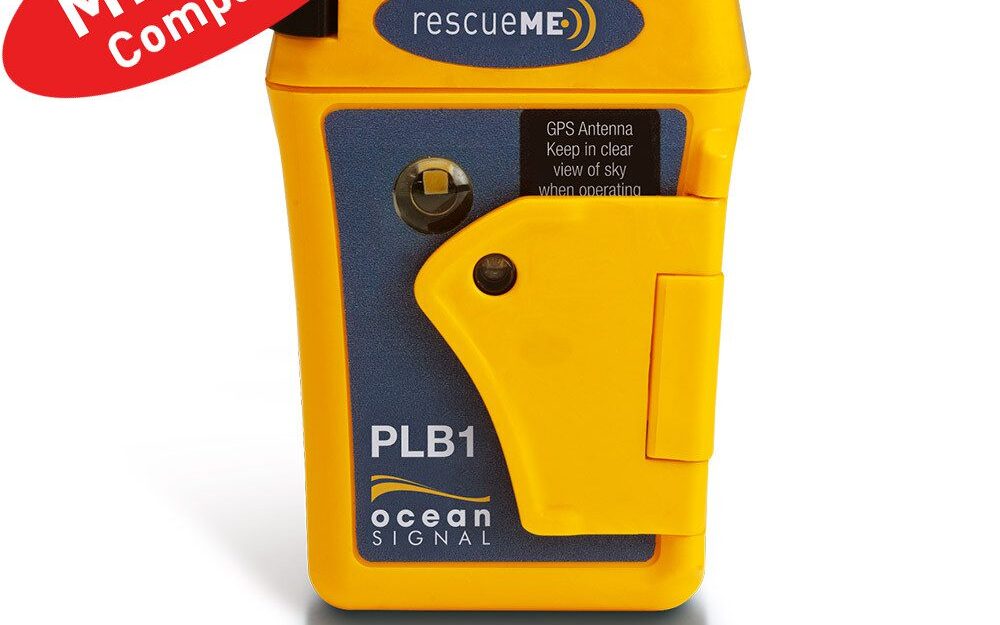
The NSW National Parks service recommends carrying a Personal Locator Beacon (PLB) when venturing into remote bushwalking regions, especially in areas with no mobile coverage.
Pro tip: Offtrack’s team recommends always loading your device with your planned route and backups before heading out. It’s a small step that can save hours of confusion later.
Choosing Your Pathfinder: GPS vs. Handheld Navigator vs. Satellite Communicator
How to select the right device for your hiking style
Not sure what gear suits your trail style? Here’s a breakdown to help you decide:
Handheld GPS Navigators
These are purpose-built tools, such as the 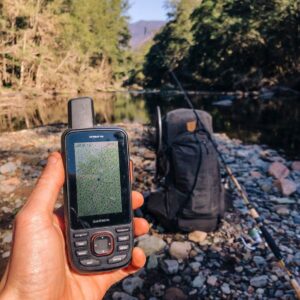 series. They’re rugged, waterproof, and built to handle the bumps and scrapes of Aussie hiking. You’ll get high-precision GPS, mapping, waypoints, and track recording. Ideal for multi-day trips or those who explore off-track areas.
Satellite Communicators with GPS
Devices like the Garmin inReach Mini or ZOLEO combine GPS features with satellite messaging. They offer breadcrumb-style tracking and basic map support, but their main feature is two-way messaging. A great option if you hike in remote regions where check-ins are essential.
Smartphone GPS Apps
With the right app and offline maps, your phone can be a capable backup navigator. But battery life, water sensitivity, and durability mean it’s best kept as a secondary option. Offtrack always recommends pairing it with a dedicated device for serious hiking.
Key Differences to Watch:
- Display: Bigger screens are easier to read in sunlight, but can add weight.
- Battery Life: Handheld GPS units typically last 15 hours or more on a charge, whereas phones tend to drain quickly.
- Weight and Size: The more features a product has, the bulkier it may be. Choose based on your pack style.
Still unsure? The team at Offtrack can demo each option and help match the best fit to your gear list and destination.
Don’t Just Hike, Navigate Like a Pro
Offtrack’s most trusted GPS devices for Australian hikers
We’ve walked the talk. These GPS tools are recommended by our in-house bushwalking experts, who spend more time in the ranges than at their desks.
Garmin GPSMAP 67i – The Rugged Leader
If you’re heading deep into Kosciuszko NP, the Stirling Ranges, or across the Larapinta, this one’s for you. Built tough, with multi-GNSS support and a high-res screen, the GPSMAP series also includes inReach technology for satellite messaging. A serious tool for serious explorers.
ZOLEO Satellite Communicator – Best for Weekenders and Safety-Minded Soloists
This compact unit connects to your phone via Bluetooth, providing access to weather forecasts, GPS tracking, and two-way messaging. It’s lightweight, easy to use, and perfect for those who want peace of mind without overcomplicating things.
Garmin eTrex 32x – Reliable, Lightweight, and Budget-Friendly
An ideal choice for beginners or those wanting a no-fuss, reliable GPS navigator. It offers colour mapping, waypoint features, and solid battery life at an accessible price point.
You can explore all of these models at Offtrack’s GPS & Satellite Communicators category, or come in-store for a hands-on feel.
GPS Questions Aussie Hikers Always Ask
Q1: Do I still need a paper map if I carry a GPS?
Yes. Technology is brilliant, but batteries run out, and gear can fail. Always carry a paper map and compass as a backup, especially in complex terrain.
Q2: Can a GPS beacon show me hidden or unofficial trails?
Yes, many models support third-party maps or community trail overlays. You can even create and share your tracks, turning your GPS into a local secret keeper.
Q3: Is a satellite communicator the same as a GPS device?
Not quite. Satellite communicators focus on sending messages and issuing SOS alerts. Some have GPS tracking, but they don’t offer the complete mapping and navigation features of a dedicated GPS navigator.
Next Steps: Turn Your Next Hike into an Offtrack Discovery
If you’re ready to move beyond the main trails and truly explore the wild, a GPS beacon is your ticket to freedom. It gives you the confidence to push further, discover more, and still make it back to camp in time for dinner.
At Offtrack, we don’t just sell gear: we use it. Whether you’re preparing for your first solo summit or planning a cross-country expedition, our staff can help you build a gear setup that suits your hike, skill level, and goals.
Come in for a chat, or shop online and gear up with confidence.
Let’s Get Offtrack, and never lose your way.