Discover the full potential of your survival knife
A survival knife is more than just a blade. It is a passport to freedom in the bush, a compact companion that can split timber, spark a fire, shape shelter and slice through the wild unknown. For serious bushcraft enthusiasts, mastering this tool isn’t a novelty; it’s a necessity.
This article explores what makes a survival knife unique and how a single, high-quality blade can handle a variety of tasks that might otherwise require a full toolkit. We unpack its practical power and explore the skills that turn a solid knife into an off-grid lifeline.
Build, Cut, Carve, Survive: Core Bushcraft Tasks Made Simple
Essential outdoor tasks you can tackle with a single knife
There is a fine line between struggling in the bush and thriving in it, and that line is often edged in steel.
1. Crafting Shelter from Bush Materials
Whether it is a lean-to for overnight stays or a quick windbreak against a cold front, your knife is the first tool you will reach for. Cutting branches to length, stripping bark for cordage, or carving stakes, a robust blade lets you shape shelter straight from nature.
Look for blades that balance strength with finesse. Think fixed, full-tang construction and a thick spine that can handle the pressure of heavy cuts without snapping.
2. Mastering Fire Prep: Feather Sticks, Kindling and Batoning
No fire, no warmth. No fire, no cooked food. A survival knife makes kindling prep a breeze.
Australia is home to 133.6 million hectares of forest, covering 17% of the nation’s land area. Between 2016 and 2021, over 47 million hectares were burned at least once, underscoring just how crucial fire preparation and control are in the bush.
Use it to baton larger wood into burnable pieces, slice fine curls for feather sticks, and even strike sparks from a ferro rod. This is not just about flame; it is about efficiency, reliability and control in uncertain weather.
Feather sticks made with the same blade you baton logs with? That is the beauty of bush-tested versatility.
3. Food Prep and Field Tools
Whether you are gutting fish, cleaning game, or slicing bush tucker, a good knife takes you from forest to fire. Beyond food, it also lets you carve traps, spears or digging tools, the kind of handcrafted gear bushcraft is built on.
Many survival knives feature a Scandinavian or flat grind, giving you precision and control for these exact tasks. No gadgets, no fluff, just practical capability.
What to Look for in a Survival Knife (That Actually Works in the Wild)
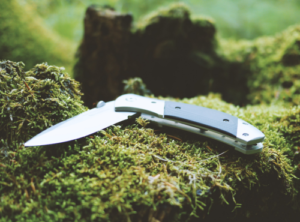
Features that matter when conditions get real
All knives are not created equal. A flashy folder will not save you when you are cold, wet and in need of shelter. Here is what truly matters in the field.
1. Fixed Blade with Full-Tang Strength
Survival knives should be fixed-blade and full-tang, meaning the blade extends through the handle as one solid piece of metal. This gives the knife unbeatable strength and balance, crucial for batoning, prying and repeated strikes.
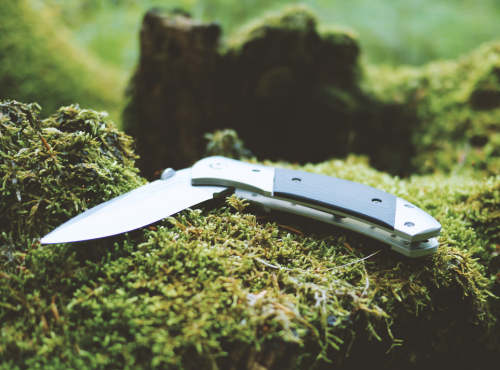
Avoid folders unless you are carrying it as a backup. Reliability is king out bush.
2. Blade Length and Grind
A sweet spot exists between 10–15cm. Too small and you will struggle with larger tasks. Too long and you will lose finesse.
Look for a Scandi, convex or flat grind. Each gives different benefits in edge retention and carving efficiency. Bushcrafters often prefer a Scandi for its easy maintenance and control.
3. Comfortable Handle and Quality Sheath
You will be gripping this blade in the wet, the cold and possibly under stress. Ergonomics count. Textured, contoured handles that fit your hand reduce fatigue and increase safety.
And do not overlook the sheath. It should be rugged, secure and offer multiple carry options for quick access.
Train Like You Trek: Sharpen Skills, Not Just Steel
Mastery means more than owning a good blade
Owning a survival knife is one thing. Being able to use it well under pressure, that is where true bushcraft begins.
1. Knife Skills Every Bushcrafter Should Practise
Regular practice drills make all the difference. Start with feather sticks and move on to carving notches, crafting tent pegs or splitting timber with controlled batoning.
These foundational skills sharpen not just your blade but your instincts, turning muscle memory into survival readiness.
2. Field Maintenance Essentials
Your blade is only as good as its edge. A compact sharpening stone, stropping strap and a bit of know-how will keep your knife slicing like new even after hard use.
Keep an eye on rust, too. A quick wipe and oiling routine after every trip will protect the blade from moisture and corrosion, especially after coastal or wet-climate use.
3. Complementary Kit for Knife Work
Pair your survival knife with a ferro rod, high-quality paracord and a folding saw for a full bushcraft kit. Each tool expands what your knife can achieve without overloading your pack.
Offtrack’s bushcraft gear selection features compact, lightweight essentials designed to work in harmony with your blade.
Blade Basics for the Bush
Can a survival knife really replace other tools in the bush?
Absolutely. With the right technique, a survival knife can handle most cutting, splitting and carving tasks solo. It will not replace an axe, but for fast, lightweight travel, it is hard to beat.
What is the best way to practise survival knife skills safely?
Start small. Practise with soft wood and basic tasks like feather sticks, notching and carving pegs. Always work away from your body and maintain a sharp blade. A blunt knife is more dangerous.
Is a big blade better for bushcraft?
Bigger is not always better. Oversized blades can be awkward and imprecise. A medium-sized, well-balanced knife gives you more control, especially for fine tasks like carving or food prep.
Cut Smarter, Camp Harder: Find Your Bush Blade
A survival knife is more than a tool. It is a partner in every outdoor journey. Whether you are carving shelter, crafting fire or cutting your way through the bush, one great blade puts you in control when it counts most.
Explore Offtrack’s curated range of survival knives, tested by Aussie adventurers and trusted in wild terrain.
Let’s Get Offtrack, one cut closer to the wild.