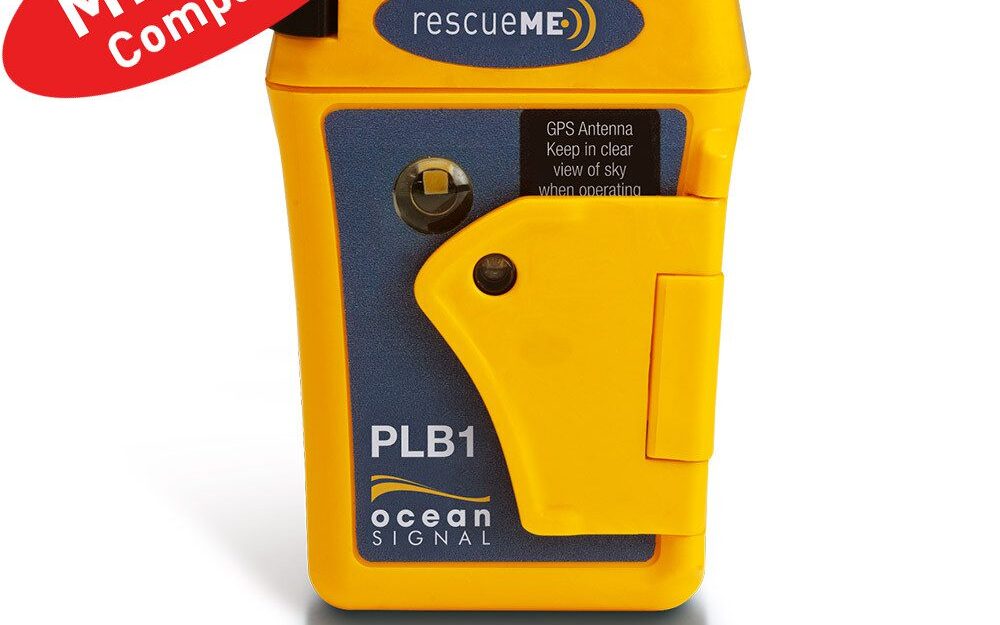
Think your mobile’s enough to save you? Think again. These PLB myths could cost your life. Be smarter, walk safer. Explore our emergency beacon range now.
You’re solo in the backcountry, the trail long behind you. One misstep. One twisted ankle. One storm rolls in quicker than expected. You pull out your phone, no signal. But you’ve got your PLB, right? Or… do you just think you don’t need one?
Far too many hikers are heading bush with dangerous misconceptions about Personal Locator Beacons. These myths don’t just cost time; they cost lives. And if you’re a solo hiker, there is zero room for error. It’s time to separate fact from fiction so you’re not left shouting into the void when things go south.
Why PLB Knowledge Could Save Your Life on the Trail
What a personal locator beacon (PLB) actually does
A Personal Locator Beacon (PLB) is your lifeline when things go pear-shaped off the grid. Once activated, it sends a distress signal via satellite to emergency services, along with your GPS location. It’s not a GPS tracker, it’s not a phone, and it’s not optional if you’re hiking solo in remote areas.
Why misunderstanding PLBs leads to rescue delays
One of the most common errors hikers make is treating a PLB like a magic rescue button. But the device is only as effective as your understanding of how, when and where to use it. If you think activation equals instant chopper arrival, you’re in for a dangerous wait.
In fact, in 2024 alone, 52 rescues in the U.S. were directly credited to PLB activations, showing just how critical they are when used properly.
Solo hiking risks compounded by bad advice
Forums are full of “you don’t need one if…” takes. But if you’re alone, uncontactable, and unable to move, the only thing standing between you and a multi-day disappearance might be that beacon clipped to your pack. Myth-busting isn’t just academic; it’s survival.
Not a Mobile Phone: What a PLB Can’t Do
Common misconceptions about PLB capabilities
Why PLBs don’t work like GPS messengers or phones
PLBs are one-way devices. You press. They send. You wait. Unlike satellite messengers like inReach or ZOLEO, you can’t text back and forth or get updates on rescue ETAs. Expecting communication is a setup for panic when silence is the only reply.
The ‘press and wait’ misconception
Pressing the button is only part of the process. A PLB works best when it’s placed in open sky view. Trees, gorges or canopies can reduce signal strength. Your job post-activation? Stay still, conserve energy, and stay visible.
Expectation vs reality: what happens after activation
It could take 90 minutes or several hours before help reaches you. Weather, terrain and location all factor in. The beacon doesn’t bring magic rescue drones. It alerts teams who need to assess, dispatch and travel. Knowing this helps you stay calm and make better survival decisions.
The 5 Most Dangerous PLB Myths Debunked
Essential truths every solo hiker must know
“I don’t need a PLB on popular trails”
Even well-known trails can turn treacherous quickly, sudden weather, snake bites or simple human error. Tracks like the Overland or Cape to Cape have black spots for days. Popular doesn’t mean safe.
“My smartphone has GPS, I’m covered”
Your phone’s GPS can help with navigation if it’s charged and you’ve preloaded offline maps. But for distress signals? No signal means no help. Only a PLB guarantees message delivery in dead zones.
“Rescue will come immediately after activation”
Some hikers activate a beacon, then panic after 15 minutes. Rescues are prioritised based on available resources, location data and situational urgency. False expectations can lead to poor choices, like abandoning position or turning off the device.
“PLBs are only for serious expeditions”
Solo walks in the Grampians, Blue Mountains or even your local ranges all carry risks. Any solo hike is a potential emergency. If you’re not carrying a PLB, you’re trusting luck. That’s a poor trail mate.
“They’re too expensive for how little I use them”
You’ll spend hundreds on boots, packs and jackets. But the one thing that actually saves your life? Priceless. And the best part, it has no subscription and lasts up to 7 years. That’s solid value.
How to Choose a PLB That Won’t Let You Down
Features that matter when every second counts
Battery life and signal strength basics
Look for a PLB with at least 24 hours of transmission life. Check specs for 406 MHz transmission and 121.5 MHz homing signal. These are essential for both satellites and on-the-ground search teams.
Waterproofing, weight and packability for Aussie conditions
Choose something rugged and submersible. IP68 rating is ideal. If you’re hiking through wet gullies or across creeks, you want gear that survives a soaking. Bonus if it’s lightweight and belt-clip ready.
Registration and usage: setting it up right
Unregistered PLBs delay rescue. Always register yours with AMSA and update your trip plans before departure. Test it annually (without activating), and ensure the beacon is in reach, not buried at the bottom of your pack. According to the Australian Maritime Safety Authority (AMSA), a registered beacon gives search and rescue teams instant access to your emergency contacts and trip details, allowing them to act faster in an emergency.
Don’t Let These Questions Go Unasked
Do I really need a PLB if I only hike in national parks?
Yes. Even in well-visited parks, you could be injured in areas hours from help. Mobile reception doesn’t care that it’s a weekend hotspot. PLBs don’t rely on reception; they just work.
Will my PLB work if I’m in a deep gully or cave?
Maybe. PLBs need line of sight to satellites. Get to an opening if possible. If stuck, activate it anyway and reposition as needed. Rescuers often triangulate.
Is it better to get an EPIRB instead of a PLB?
Not for hiking. EPIRBs are larger and designed for maritime use. PLBs are compact, easy to carry and perfect for bushwalkers and mountaineers.
Trail-Smart? Show It. Get the Right Beacon.
You wouldn’t walk without shoes. Don’t walk without safety. A PLB isn’t just a box to tick. It’s your backup when everything else fails.
If you’re planning your next solo trek, whether it’s Wilsons Prom, Lamington or the Western Arthurs, don’t leave without a properly registered, high-quality PLB from Offtrack’s emergency beacon collection. It’s a small item that makes a massive difference.
Get found. Stay safe. Let’s get Offtrack with a trusted PLB from Offtrack.