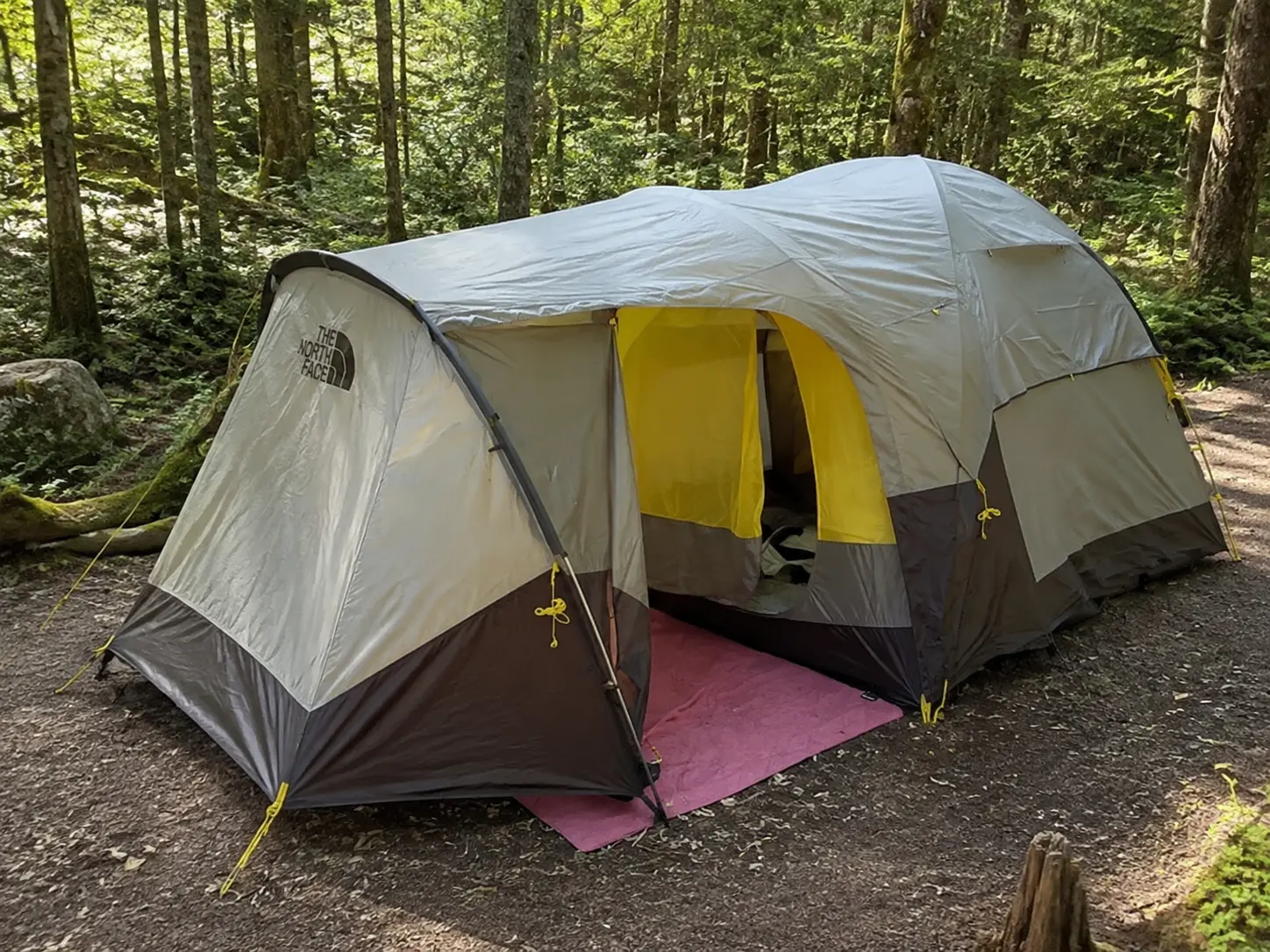
Outback campers need protection that works when it counts. Whether you go old school with a spray, make noise with an air horn or trust smart tech, there is a deterrent for your camp setup. Stay safe and stay Offtrack.
A Curious Visitor or a Camp Intruder?
You are setting up camp under the stars. The billy is boiling, the swag is rolled out and the horizon is quiet. Then you hear rustling. Could be a curious roo. Might be a dingo with a nose for leftovers.
In Australia’s remote regions, wildlife is not just part of the charm. It can be part of the challenge. From eastern grey kangaroos to opportunistic dingoes and even the odd emu, unwanted animal encounters are something every bush camper must plan for.
The question is, when they wander too close, what works to send them packing without causing harm?
Whether you are bush bashing solo, camping with the family or exploring rugged 4WD routes, choosing the right deterrent could be the difference between a peaceful night and an anxious one.
Let us break it down.
Animal Spray: Simple, Silent and Close Range
How effective is animal spray for dingo and roos safety?
Sprays are the bush equivalent of a pocket knife. Light, direct and incredibly useful in the right context.
Unlike chemical heavy bug repellents, most animal sprays on the market today are non toxic, using natural irritants like pepper, citronella or essential oil blends. Some are designed for dogs but double well as dingo deterrents when used correctly.
You will get the most out of a spray when you are in a confined space like a tent opening or a hiking track with low visibility. If a roo strays too close or a dingo tests the edge of your pack, a direct hit will likely send it running. But range is limited so you will need to be confident and calm in close quarters.
Where animal spray shines:
- When you are hiking and weight matters
- While resting or sleeping in one fixed location
- As a backup to another system not the first line of defence
Best of all, it is silent. No spooking your mates, no alerting every bird in the area. Just a quick controlled spray and you are good to go. Pair it with a fast access holster and you have a reliable last-resort tool always within reach.
Air Horns: Loud, Proud and Fast Acting
Why air horns are a go to for quick animal scares
There is nothing subtle about an air horn and that is the point.
Kangaroos and dingoes are generally startled by sharp unnatural noises. The shockwave of sound can break their approach instinct and send them bouncing or slinking off. In a remote bush setting that is exactly what you want. In 2023 alone, there were 133 threatening or high-risk dingo incidents on K’gari (Fraser Island), showing how real the risk of encounters can be for campers.
Air horns work brilliantly when you need immediate response and visibility is poor. A dingo sniffing near your campfire? Blast. A roo too close to your vehicle? Blast. Quick hands on job done.
But they are not ideal in all conditions:
- Overuse can desensitise animals in high traffic spots
- They can upset other campers and wildlife
- Not always permitted in conservation areas or national parks
One small canister fits easily in a glovebox or side pocket. Keep a spare refill on hand if you are out for more than a weekend.
With one press you create distance fast. That is peace of mind for parents, solo adventurers and late night wanderers alike. For best results, combine it with strategic food storage and campsite cleanliness.
Smart Deterrents: Tech Driven Protection in the Wild
Can smart gear keep wildlife away more reliably?
Welcome to the future of bush safety. Smart deterrents blend modern technology with old school know how to keep your campsite secure without constant vigilance.
Motion sensor alarms, ultrasonic repellers and solar powered strobes are changing how campers think about animal safety. These devices detect movement and activate a noise, light or vibration response designed to unsettle nearby wildlife.
For campers staying put in one area for a few days or those setting up near known dingo territories, smart deterrents offer hands free protection. They are particularly useful at night when visibility is low and instincts are high.
Consider:
- Battery life and solar charging capability
- The type of animals you are targeting. Some respond better than others
- Size and portability if you are on foot or cycling
Smart deterrents will not replace instinct or good camp hygiene but they are a brilliant reinforcement layer. Set and forget with one less thing to worry about. Some models even sync with your mobile phone to provide updates or alerts in real time.
Smart Questions Bush Campers Ask
Can I legally use an air horn in national parks or reserves?
Not always. Some areas restrict the use of loud devices to protect wildlife and visitor experience. Always check park guidelines before you pack.
Do animal sprays work on snakes or other reptiles too?
No. Most sprays are designed for mammals and will not affect reptiles. For snakes look into specific reptile deterrents or modify your camp setup to avoid drawing them in.
What is the best all round deterrent if I only want to pack one item?
An air horn offers broad utility, fast action and minimal weight. If you want a one and done tool, it is a reliable pick.
Camp with Confidence and Keep Wildlife in the Wild
Keeping wildlife at bay is not about fear. It is about respect. For nature, for your gear and for your own safety.
Whether you go old school with a pepper spray, trust your air horn instincts or get smart with motion activated sensors, the goal is the same. Make your campsite calm, secure and wildlife aware.
Ready to upgrade your bush toolkit?
Explore Offtrack’s full range of wildlife deterrents including air horns, sprays and smart camping gadgets tailored to Australian conditions.
Take control of your next outback adventure because confidence starts with the right gear.