Every multi-day bushwalker knows the moment: the pack hits your shoulders, the straps bite in, and the trail ahead suddenly feels twice as long. Many hikers assume sore backs and aching hips are simply part of the adventure. In reality, discomfort is often a sign of poor load distribution rather than personal weakness. A well-designed internal-frame backpack can transform that heavy haul into something surprisingly light.
Modern internal-frame packs are engineered to work with the body rather than fight it. They channel weight to the strongest parts of your skeleton, stabilise movement over rough ground, and keep the centre of gravity close to your core. When these elements come together, kilometres feel shorter and campsites feel closer.
Why Old-Style Carrying Hurts
Traditional rucksacks relied on soft bags and thin straps. Weight hung away from the body, pulling shoulders backward and forcing the lower back to compensate. Every step created a tiny jolt that travelled up the spine. After hours on uneven tracks, those jolts became pain.
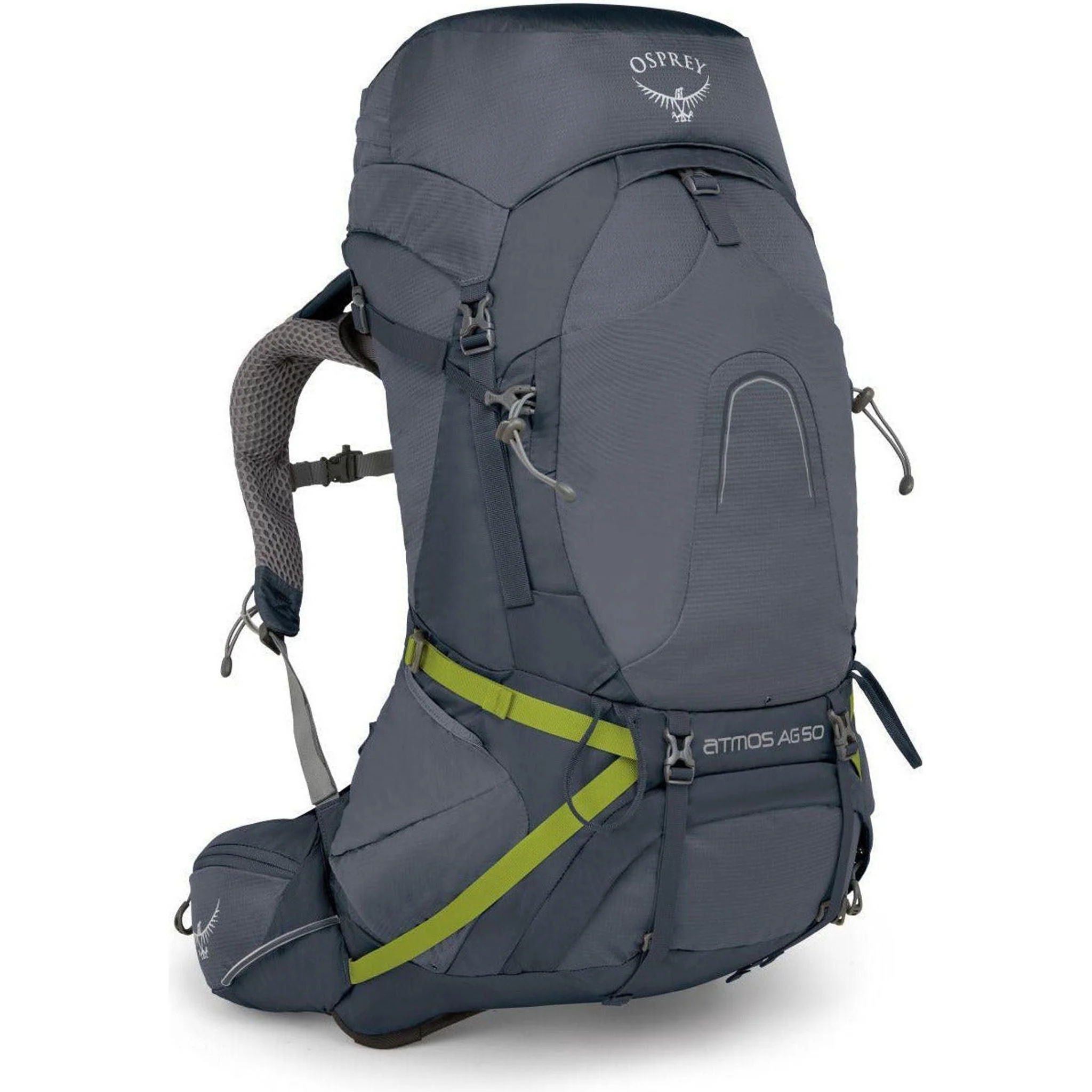
Internal-frame technology changed the equation. By embedding lightweight aluminium or composite stays inside the pack, designers created a supportive skeleton that mirrors the shape of the human back. The pack becomes an extension of your body rather than a swaying passenger.
The Science of Load Distribution
An effective trekking pack transfers most of the weight to the hips, where the body is built to carry it. Bushwalking Australia highlights that proper pack fit and load distribution are critical for reducing fatigue and preventing injury during extended walks, reinforcing the importance of internal-frame backpack design.
This distribution reduces pressure on the neck and upper spine, common trouble spots for multi-day walkers. The difference is most noticeable on long climbs when fatigue normally sets in.
Stability on Rough Terrain
Bushwalking rarely follows smooth paths. Roots, rocks, and creek crossings demand constant balance adjustments. Internal-frame packs hug the torso, preventing the side-to-side sway that can throw you off rhythm.
A stable load conserves energy. Instead of fighting the pack, you focus on foot placement and scenery. Many hikers report feeling more confident on technical sections simply because the pack stays put.
Comfort Through Custom Fit
No two backs are identical. Quality internal-frame packs offer adjustable torso lengths, interchangeable hip belts, and contoured shoulder straps. These features allow the pack to match your shape rather than forcing you to adapt to it.
Taking time to dial in the fit pays dividends on the trail. Even a few millimetres of adjustment can eliminate hotspots and numb fingers caused by pinched nerves.
Ventilation That Keeps You Moving
Sweaty backs sap enthusiasm faster than steep hills. Modern designs include suspended mesh panels or airflow channels that let heat escape. Staying cooler reduces chafing and dehydration, two enemies of long-distance comfort.
The internal frame maintains this ventilation gap while still keeping the load close to the body, a balance older external frames struggled to achieve.
Packing Made Logical
Internal-frame packs encourage smarter organisation. Lower compartments hold heavy items close to the hips, while lighter gear sits higher and nearer the spine. Compression straps lock everything into a solid unit.
When weight is arranged correctly, the pack feels lighter even if the scale says otherwise. Efficiency replaces brute strength.
Built for Multi-Day Realities
Bushwalkers carry more than water and snacks. Tents, stoves, spare clothing, and safety equipment demand serious capacity. Internal-frame packs handle these loads without collapsing into shapeless sacks.
Durable fabrics resist scrub and granite, while reinforced bases survive countless campsite drops. A reliable pack becomes a trusted partner on every trip.
Reducing Fatigue Mile After Mile
Back pain is not just uncomfortable; it shortens journeys. When muscles ache, stride length shrinks and morale dips. Proper support delays that fatigue curve, allowing you to enjoy remote valleys instead of counting steps.
Many walkers discover they can increase daily distance or carry essential comfort items they once avoided.
Health Benefits Beyond the Trail
Protecting the spine matters long after the boots are off. Repeated strain from poor packs can aggravate existing conditions or create new ones. Investing in ergonomic support is an investment in lifelong mobility.
A good internal-frame pack encourages better posture and teaches the body healthy movement patterns.
Choosing the Right Size
Capacity should match trip length and personal style. For weekend escapes, 40–50 litres may suffice. Extended bush journeys often require 60 litres or more. Resist the temptation to buy oversized; extra space invites unnecessary weight.
Try packs with the gear you actually plan to carry. What feels comfortable empty may behave differently when full.
Key Features to Consider
- Adjustable torso system for precise fit
- Supportive hip belt that wraps the pelvis
- Load-lifters to fine-tune balance
- Compression straps to stabilise contents
- Hydration compatibility for easy drinking
- Weather protection such as rain covers
These elements work together to create the feather-light illusion.
The Art of Proper Adjustment
Even the best pack needs correct setup. Start by tightening the hip belt so it rests on the top of the hips, then adjust shoulder straps until they follow the contour of the body without lifting weight. Load-lifters should sit at about a 45-degree angle.
Take a short walk and tweak again. Small changes have big effects.
Packing for Pain-Free Travel
Place the heaviest items—food, water, stove—close to the back and centred between shoulder blades. Softer gear fills gaps to prevent movement. Avoid hanging heavy objects on the outside where they act like pendulums.
A well-packed internal frame feels solid, almost as if the load is part of you.
Real Stories from the Track
Many bushwalkers remember the trip when everything changed: the same trail that once caused agony suddenly felt manageable after switching packs. Knees complained less, breathing steadied, and evenings were spent exploring rather than stretching sore muscles.
These stories highlight that comfort is not about toughness but about equipment that respects human design.
Caring for Your Pack
Rinse dirt and salt after trips, check stitching, and store the pack loosely filled to maintain shape. Treated well, a quality internal-frame pack will accompany you for years of adventures.
Confidence to Go Further
The promise of an internal-frame backpack is simple: carry mountains, feel feathers. By spreading weight intelligently and staying stable on rough ground, it removes the biggest barrier to multi-day exploration—back pain.
When your pack works with you, not against you, horizons widen. Remote ridgelines and long valleys no longer seem out of reach.
Ready to walk further with less pain?
Discover purpose-built internal-frame backpacks, expert fitting advice, and ergonomic hiking gear at Offtrack.
1. What is an internal-frame backpack?
An internal-frame backpack is a hiking pack with built-in stays or supports, usually made from aluminium or composite materials, that help distribute weight evenly and keep the load close to the body for better balance and comfort.
2. Do internal-frame packs reduce back pain?
Yes. Internal-frame packs are designed to transfer most of the weight to the hips rather than the shoulders, reducing strain on the spine and minimising fatigue during multi-day bushwalks.
3. Are internal-frame backpacks better than external-frame packs?
Internal-frame backpacks are generally better for bushwalking and uneven terrain because they stabilise the load and move naturally with the body. External frames may suit very heavy loads but can feel less stable on rough trails.
4. How should I adjust an internal-frame backpack for comfort?
Start by securing the hip belt so it rests on the top of your hips. Then tighten the shoulder straps and adjust the load-lifter straps to about a 45-degree angle. Fine-tune the fit after a short walk to remove pressure points.
5. What size internal-frame backpack do I need for multi-day hiking?
For short weekend trips, a 40–50 litre pack is often sufficient. For extended multi-day hikes, a 60-litre or larger pack may be required, depending on gear and personal packing style.