Out in the hills, comfort is optional but survival is not. Many trekkers slip a thin foil blanket into their pack believing they are prepared for the worst. Those shiny sheets look reassuring on shop shelves, yet in real emergencies they often fall short. An emergency bivvy, by contrast, can turn a dangerous situation into a manageable night. The difference between the two is the difference between shivering and shelter.
Weather changes faster than plans. A twisted ankle, a missed trail marker, or an unexpected storm can leave a solo trekker exposed with daylight fading. NSW National Parks advises bushwalkers to carry emergency shelter because sudden weather changes can rapidly increase exposure risk and threaten personal safety. In those moments the body loses heat alarmingly fast. The gear you carry becomes your lifeline, and not all emergency items are created equal.
Understanding the Real Threat
Hypothermia does not wait for winter. Wind and rain steal warmth even on mild days, especially when fatigue slows movement. Once core temperature drops, decision-making deteriorates and simple tasks become confusing. Solo trekkers are particularly vulnerable because there is no partner to share warmth or make calls for help.
Protection must therefore do more than reflect heat. It must block wind, shed moisture, and create a microclimate where the body can stabilise. This is where emergency bivvies excel.
What a Foil Blanket Can and Cannot Do
Foil blankets were designed primarily to reflect radiant heat. They are light, cheap, and compact, which explains their popularity. However, they offer little defence against wind or ground chill. The thin material tears easily on rocks or scrub, and any small rip reduces effectiveness.
In heavy rain a foil sheet becomes slippery and difficult to manage with cold hands. Many users discover that staying wrapped inside one is almost impossible without constant adjustment. For a short roadside incident they may suffice, but on an exposed ridge they struggle to perform.
The Strength of an Emergency Bivvy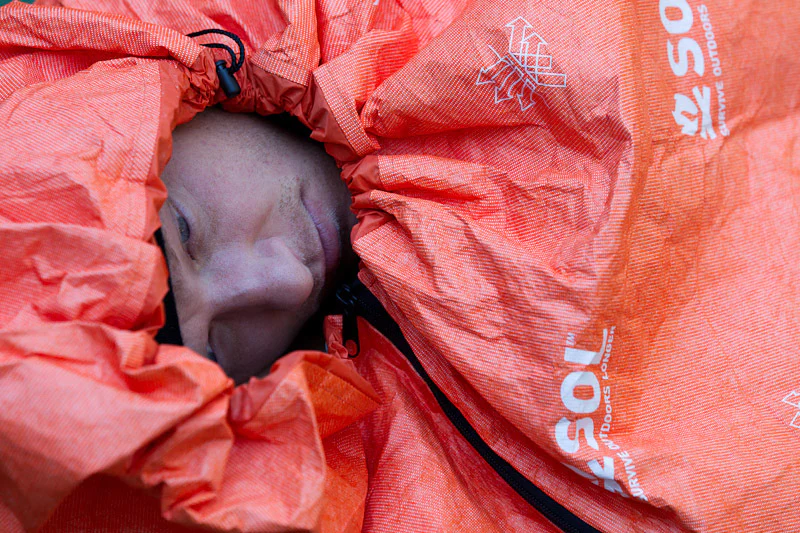
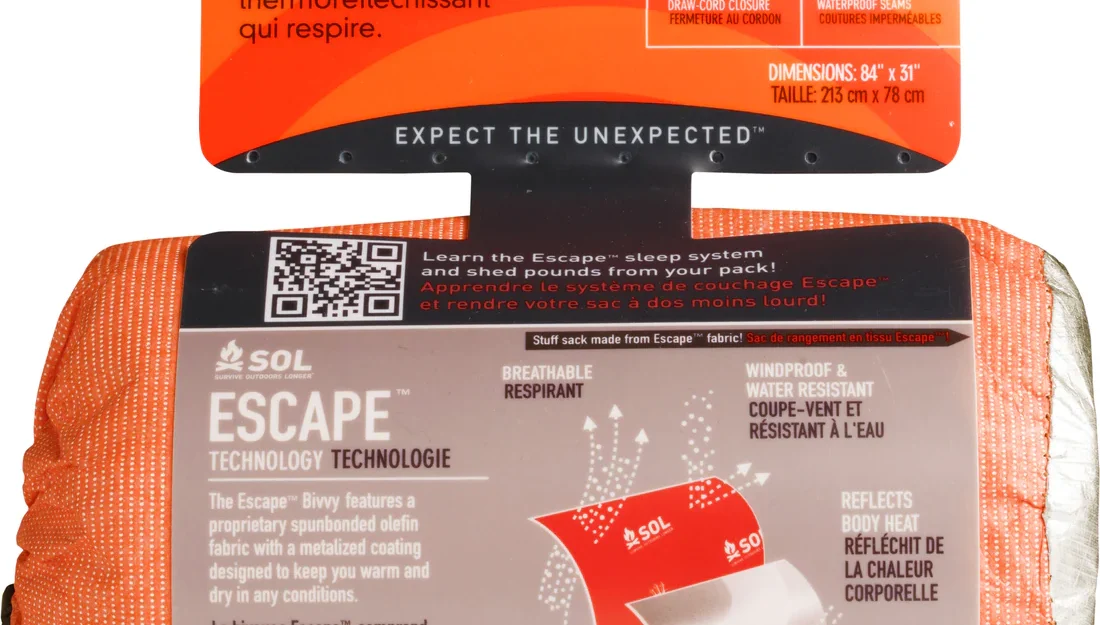
An emergency bivvy functions as a minimal sleeping bag and shelter combined. Constructed from tougher, waterproof materials, it encloses the entire body rather than draping loosely around it. This design traps warm air and blocks biting gusts.
Most bivvies feature sealed seams, reinforced openings, and bright exterior colours that aid visibility for rescuers. Some include heat-reflective linings, offering the benefits of foil technology without its fragility. The result is a far more stable refuge when conditions turn hostile.
Windproofing Makes the Difference
Wind is the silent thief of warmth. Even a gentle breeze can double heat loss from wet clothing. A foil blanket flaps like a flag, allowing cold air to circulate inside. An emergency bivvy, by contrast, creates a calm pocket around the body.
Trekkers who have tested both often describe the moment they slipped into a bivvy as immediate relief. The shivering eased, breath slowed, and the mind cleared enough to plan the next step.
Protection from the Ground
Cold ground drains heat faster than open air. Foil blankets provide almost no insulation underneath, while bivvies add a protective layer between you and the earth. When paired with a small foam pad or even a backpack, the improvement is dramatic.
This ground barrier is vital during unplanned overnights when a trekker may be forced to wait for daylight rather than risk descending in darkness.
Managing Moisture
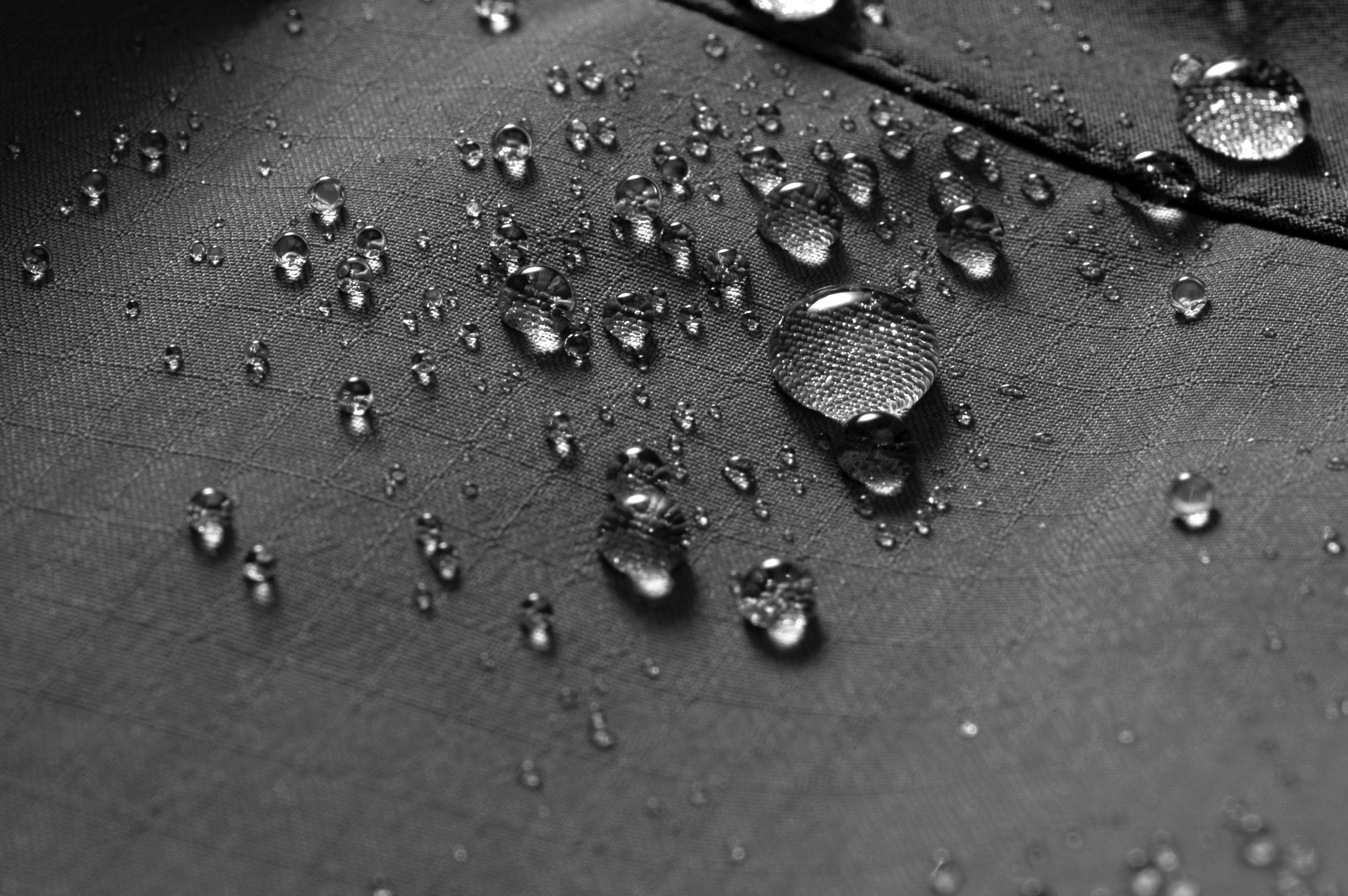
Sweat and rain are constant companions on the trail. Foil sheets trap condensation, leaving clothing damp and reducing warmth. Quality bivvies use breathable or vented designs to limit this problem while still remaining waterproof.
Staying dry is often more important than staying warm. Once clothing becomes soaked, body temperature can plummet even inside a reflective blanket.
Ease of Use Under Stress
Emergencies rarely occur in tidy conditions. Hands may be numb, light fading, and nerves frayed. A bivvy can be deployed in seconds: shake it out, climb in, and pull the hood closed. There is no delicate folding or wrapping required.
Foil blankets demand constant attention to keep them positioned, a frustrating task when energy is low. Simplicity is safety.
Weight and Pack Space
Many trekkers assume bivvies are heavy. Modern models prove otherwise. Ultralight materials mean a compact bivvy can weigh little more than a premium foil sheet while offering far greater protection. The tiny increase in grams buys a huge increase in security.
For solo adventurers counting every ounce, this trade-off is easy to justify.
Visibility for Rescue
Bright orange or high-visibility bivvies act as beacons against natural backgrounds. Search teams can spot them from the air or across valleys. Foil blankets reflect light but often blend into rocky terrain and are easily hidden by vegetation.
When help is on the way, being seen quickly can save hours.
Real-World Scenarios
Imagine slipping on wet scree and twisting a knee five kilometres from the nearest road. Night approaches and rain begins to fall. Wrapped in a foil blanket, you would still feel the wind cutting through and the ground chilling your back. Inside a bivvy you could conserve heat, sip water, and wait for assistance with a clear head.
Or consider getting benighted after misjudging a route. A bivvy allows you to settle for an unplanned night rather than stumbling dangerously in the dark. It transforms a crisis into an inconvenience.
Choosing the Right Bivvy
Not all bivvies are equal. Look for:
- Waterproof seams that prevent leaks
- Tough outer fabric resistant to tears
- Reflective inner lining for heat retention
- Roomy cut to accommodate a backpack or bulky clothing
- Compact stuff sack for easy access
Colour matters too; high-visibility shades increase safety.
Pairing with Other Essentials
A bivvy works best as part of a simple survival system: warm hat, spare dry layers, small foam mat, and a means of communication. Together these items weigh little yet dramatically improve odds.
Solo trekkers should practise deploying their bivvy at home so the process feels familiar when adrenaline is high.
Debunking Common Myths
Some believe bivvies are only for winter mountaineers. In truth, most rescues for hypothermia occur in moderate seasons when people underestimate conditions. Others think carrying one invites trouble; experienced walkers know the opposite is true.
Preparation does not create risk. It reduces it.
The Cost of False Economy
Foil blankets are cheap, and that price tempts many buyers. Yet the real cost is measured in safety, not dollars. Spending slightly more on a reliable bivvy can prevent medical emergencies, rescue expenses, or worse.
When you are alone on the trail, the equipment in your pack is your closest companion. Choose the companion you can trust.
Making the Smart Choice
For solo trekkers who value independence, an emergency bivvy is not an optional extra. It is a compact insurance policy against the unpredictable nature of the outdoors. While foil blankets have their place, they cannot match the comprehensive protection a bivvy provides.
The goal is simple: return home safely from every adventure. The right shelter makes that goal achievable even when plans unravel.
Don’t leave your safety to a flimsy sheet of foil. Equip yourself with a dependable emergency bivvy designed for real wilderness conditions and travel with confidence on every solo trek.
Explore purpose-built emergency bivvies, survival blankets, and ultralight safety gear at Offtrack.
1. What is the difference between an emergency bivvy and a foil blanket?
An emergency bivvy is a lightweight, enclosed shelter that traps body heat and blocks wind and rain, while a foil blanket mainly reflects radiant heat and offers minimal protection from wind, ground cold, and moisture.
2. Are emergency bivvies better for solo trekkers?
Yes. Emergency bivvies provide full-body coverage, improved heat retention, and better wind protection, making them a safer choice for solo trekkers who may need to shelter overnight unexpectedly.
3. Can a foil blanket prevent hypothermia?
A foil blanket can help reduce heat loss temporarily, but it offers limited protection in wet or windy conditions. In exposed environments, an emergency bivvy provides far more reliable insulation and shelter.
4. Are emergency bivvies heavy to carry?
No. Modern emergency bivvies are made from ultralight materials and pack down small, often weighing only slightly more than a premium foil blanket while delivering significantly better protection.
5. When should I carry an emergency bivvy?
You should carry an emergency bivvy on any solo bushwalk, multi-day trek, or remote hike where unexpected weather, injury, or navigation errors could leave you exposed overnight.