Buying a Trangia becomes much easier when you stop trying to decode the model number first.
The better place to start is with your trip.
How many people are you cooking for? What meals do you usually prepare? How far will you carry the stove? Do you prefer a traditional spirit burner or a gas setup?
Those answers narrow the options quickly.
Trangia’s classic stove range is built around two main system sizes:
| Trangia system | Best suited to | Cookware size | Good starting point |
| Trangia 27 Small | Solo users and pairs | Smaller cookware capacity | Hiking, simple meals and compact setups |
| Trangia 25 Large | Larger groups or bigger meals | Larger cookware capacity | Shared cooking, families and group trips |
The best Trangia is not automatically the biggest, lightest or most expensive option.
It is the smallest complete system that gives you enough cooking capacity for the way you travel and eat outdoors.
Start With Group Size Because It Changes the Whole Trangia System
The Trangia 25 and 27 systems solve the same basic problem: helping you cook outdoors with a complete, integrated setup.
The difference is the amount of cooking space they provide.
That affects:
- cookware capacity
- packed size
- how much equipment you carry
- how practical the system is for your group
Trangia 27 systems suit smaller cooking loads
Trangia positions the 27 Small system for around one to two people.
The smaller cookware format makes it a practical choice for solo users and pairs who want a compact cooking setup.
For hikers preparing simple meals, boiling water, making coffee or cooking modest portions, the 27 series may provide enough capacity without carrying the larger dimensions of the 25 system.
Offtrack currently lists the Trangia 27-1 Ultralight Stove in its stove range.
The important question is not whether the 27 is smaller.
The question is whether its cooking capacity matches what you normally prepare.
If it does, carrying a larger system may simply mean carrying capacity you do not use.
Trangia 25 systems give you more cooking room
Trangia’s 25 Large system is designed for users who need more cookware capacity.
The larger format can suit:
- families
- shared camps
- outdoor groups
- people who cook fuller meals rather than only boiling water
Offtrack currently lists the Trangia 25-1 UL Stove and Trangia 25-2 Ultralight Stove in its stove category.
The larger system is not automatically better.
It becomes the better choice when you need the additional cooking space.
Then Decide Whether You Want a Spirit Burner or Gas Burner
Once you have chosen the approximate stove size, burner choice becomes easier.
Trangia systems can be configured around traditional spirit burners or compatible gas burner setups.
Both options allow you to use the wider Trangia cooking system while choosing the fuel method that suits your trip.
The spirit burner keeps the setup traditional and self-contained
Trangia’s classic spirit burner is designed around alcohol-based spirit fuel.
For many outdoor users, this setup appeals because it keeps the cooking system simple and self-contained.
A spirit setup does require fuel planning.
You need to consider:
- how much fuel your trip requires
- how you will carry it
- safe handling during use
Trangia advises allowing the burner to cool before adding more fuel.
Safe fuel handling should always be part of your cooking routine.
Australian fire-safety guidance provides some useful context. Parks Victoria reports that 10% of bushfires are caused by unsafe campfires, reinforcing the importance of carefully managing flames and fuel whenever cooking outdoors. Before using a Trangia or any other fuel stove, check the fire restrictions that apply to your campsite, park and travel dates.
A spirit setup should therefore be considered not only in terms of cooking preference, but also how safely and legally the fuel system can be used during your trip.
A gas burner changes the way the stove cooks
A compatible gas burner lets you keep the Trangia cookware and windshield system while changing the heat source.
Some users prefer gas because it suits the way they cook outdoors.
Others prefer the traditional spirit burner setup.
There is no single correct choice.
The better option depends on your preferred fuel system, cooking style and trip requirements.
The Cookware Is Part of the Stove Decision
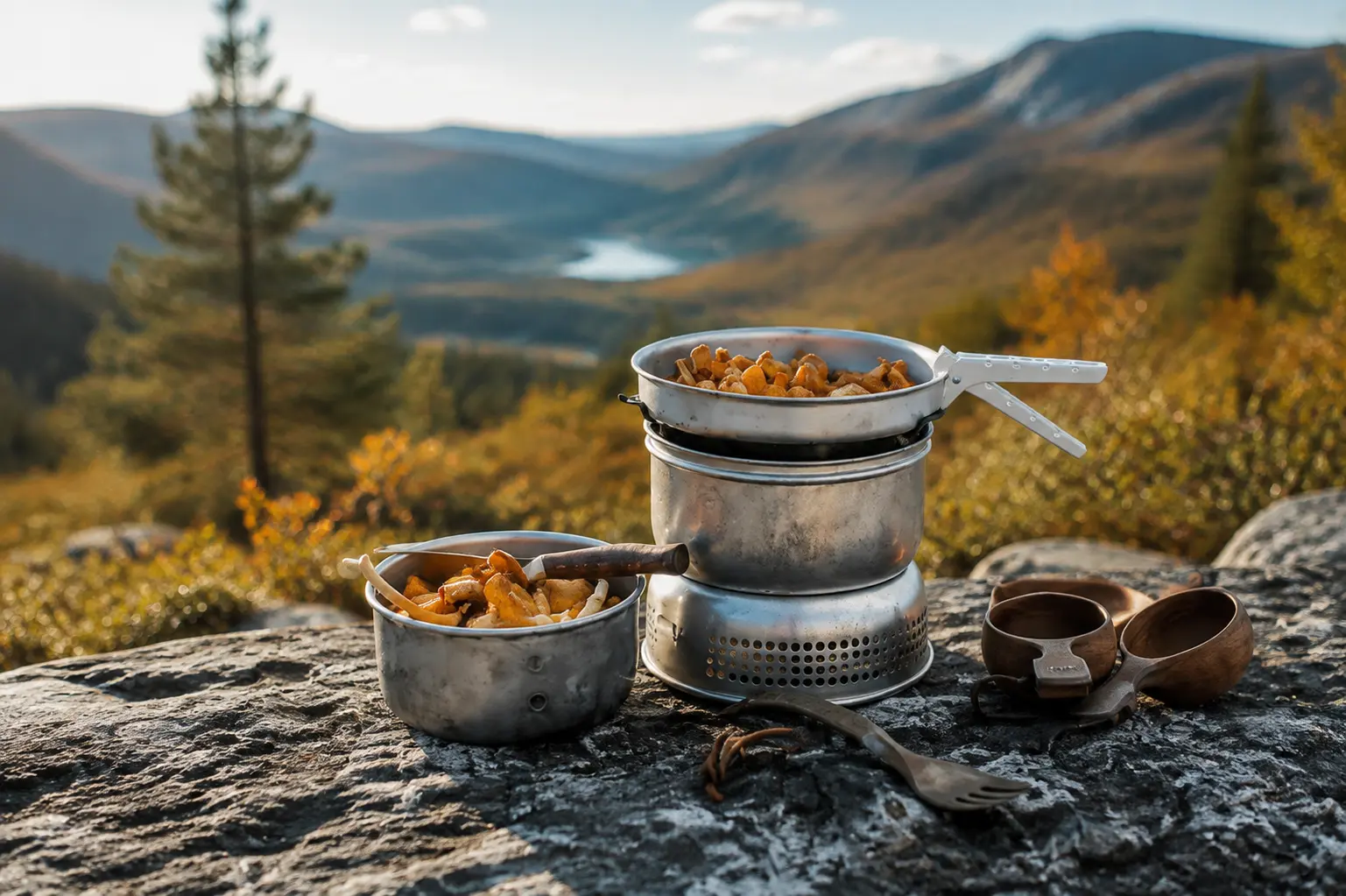
A Trangia is not just a burner.
The system works because the burner, windshield and cookware are designed to function together.
That means cookware capacity should be considered alongside fuel choice.
Pot size should follow the meals you cook
If most of your trips involve boiling water for dehydrated meals, coffee or simple one-pot meals, a larger cookware system may not provide much benefit.
If you regularly cook:
- larger meals
- pasta
- shared portions
- multiple components
then additional cookware capacity becomes more valuable.
The 25 and 27 systems are not simply different stove sizes.
They are different cooking capacities designed for different styles of outdoor use.
Weight Becomes More Relevant the Further the Stove Travels
The weight of a cooking system is more than the burner alone.
When comparing a Trangia setup, consider the complete package:
- stove system
- cookware
- burner
- fuel
- fuel container or gas canister
- food and additional utensils
For vehicle camping, the extra capacity may be easy to manage.
For hiking, every part of the system needs to justify the space and weight it takes.
Hikers should compare the complete cooking system
A lightweight burner does not automatically mean a lightweight cooking solution.
A Trangia cookset combines several components into one system, so compare the complete setup you intend to carry.
A smaller 27-series system may suit hikers who value compactness.
A larger 25-series system may still make sense when several people share cooking duties and the extra capacity replaces carrying separate equipment.
The better question is not:
Which stove weighs the least?
It is:
How much cooking capability am I carrying for the weight?
Group and School Cooking Changes the Equation
Outdoor cooking is not always about reducing weight as much as possible.
For group trips, school camps and shared outdoor experiences, cooking capacity and reliability often become more important.
A slightly larger system may make sense if it allows several people to cook together without carrying separate equipment.
Offtrack supports schools, group leaders and outdoor programmes through equipment and Gear List support, so stove selection should always be based on the actual trip requirements rather than choosing the smallest possible option.
The right question is:
What cooking setup will make this trip easier?
Use Four Questions Before You Buy a Trangia
If the Trangia range still feels confusing, start with these questions.
They usually narrow the choice faster than comparing model numbers.
1. How many people will you normally cook for?
This is the first decision.
For one or two people, begin by comparing the Trangia 27 family.
For larger groups or users who need more cookware volume, look at the Trangia 25 family.
The right size depends on your usual cooking requirements.
2. Are you carrying the full system on foot?
If the stove is travelling in a backpack, compare the complete packed setup.
Consider:
- stove size
- cookware
- burner choice
- fuel
- the type of meals you prepare
A larger system may still be worthwhile if it supports several people.
A smaller system may be the better choice when compactness matters most.
3. Are you mainly boiling or actually cooking?
This question often decides the final choice.
If your trips involve simple boil-and-eat meals, a smaller cookware system may provide everything you need.
If you cook full meals outdoors, additional pot capacity becomes more useful.
Think about what you actually prepare, not just what looks good on a product page.
4. Which burner setup fits the trip?
Choose your burner after you have considered stove size and cookware capacity.
A fuel preference should not push you into a system that is too small or too large for your cooking needs.
Choose the burner arrangement that fits:
- how you prefer to cook
- what fuel you want to carry
- the requirements of the trip
Which Offtrack Trangia Setup Should You Shortlist?
Once you know the size and style of cooking system you need, comparing models becomes much simpler.
Trangia 27-1 Ultralight Stove
Start here if you are looking at the smaller Trangia system.
The 27 family is designed around a compact cooking format suitable for solo users and pairs.
It can be a practical option for hikers and campers who prepare simpler meals and want a smaller setup.
Offtrack currently lists the Trangia 27-1 Ultralight Stove in its stove range.
Trangia 25-1 UL Stove
Move to the 25 series when you need more cooking capacity.
The larger system format provides more room for preparing meals and can suit users cooking for groups or those who prefer additional cookware space.
Offtrack currently lists the Trangia 25-1 UL Stove in its stove range.
Trangia 25-2 Ultralight Stove
The Trangia 25-2 Ultralight Stove provides another option within the larger Trangia system family.
Compare the included components and cookware against how you actually plan to use the stove.
The best choice is the setup that matches your meals and your trips, not simply the model with the longest specification list.
Buy the System Around Your Meals, Not the Box
Choosing a Trangia becomes much easier when you follow the right order.
People first.
Cookware second.
Carrying requirements third.
Burner choice last.
Choose the system size based on the number of people and the meals you prepare.
Then consider how the complete setup will travel.
Finally, choose the burner arrangement that fits your preferred fuel and cooking style.
You can browse the Offtrack stove range to compare available Trangia options, or explore the cookware range if you are building a wider camp kitchen.
If you already know your trip requirements but are unsure which configuration fits, contact Offtrack with details about your group size, cooking style and how the stove will travel.
The Trangia Questions Worth Answering Before Checkout
What is the difference between Trangia 25 and Trangia 27?
The Trangia 25 is the larger classic stove family, while the Trangia 27 is the smaller system.
The main difference is cooking capacity, cookware size and packed dimensions.
The right choice depends on how many people you cook for and the meals you prepare.
Is a Trangia 27 big enough for two people?
It can be.
Trangia positions the 27 Small system for one to two people.
Whether it works well depends on your usual meals and whether the smaller cookware capacity suits your cooking style.
When should I choose a Trangia 25?
Choose the 25 series when you need more cooking room.
It can be a better starting point for larger groups, shared cooking or anyone who regularly prepares bigger meals outdoors.
Should I choose a Trangia spirit burner or gas burner?
Choose based on the fuel system and cooking experience that suits your trip.
Both options can work within Trangia’s wider cooking system, depending on the compatible configuration.
Can I change or replace Trangia components later?
Trangia systems support additional components and accessories.
Always check compatibility with your exact stove series before adding replacement parts or accessories.
Is a Trangia suitable for hiking?
It can be.
A Trangia is designed as a complete cooking system, combining burner, cookware and windshield components.
For hiking, compare the full packed setup against the cooking capability you need.
Are Trangia systems useful for school camps?
They can be suitable where the system capacity and fuel arrangement match the requirements of the programme.
For group trips, the best choice depends on the number of people cooking and the type of meals being prepared.
What if I still cannot choose between two Trangia setups?
Start with four details:
- How many people are cooking?
- What meals do you normally prepare?
- Will the stove travel by vehicle or backpack?
- Which fuel system do you prefer?
Those answers usually narrow the options much faster than comparing model numbers alone.
Choose the Trangia You Will Actually Cook With
A Trangia delivers the most value when the system matches the trip.
For solo users and pairs, the smaller system may provide the compact cooking setup you need.
For larger groups or bigger meals, the larger cookware capacity of the 25 family may be more practical.
Choose the system around the way you actually cook outdoors.
Browse the current Offtrack camping stove range to compare Trangia options.
If you are still deciding between two setups, contact Offtrack and share your trip details. A better recommendation starts with understanding how you will use the stove.