Tropical camping in Cape York comes with an unmatched sense of freedom, adventure and raw beauty. But with that beauty comes one of Australia’s most persistent camping challenges: the swarms of mosquitoes, midges and biting insects that call the far north home. The type that keep you awake all night, despite your best efforts with coils, sprays or zips. If you’re heading north, especially during the humid build-up or wet season, your insect defence setup is not optional. It is essential.
Mosquito nets are often treated as an afterthought. But up here, a quality insect barrier can mean the difference between peaceful sleep under the stars and a night-long buzzfest. This guide unpacks what to look for in a mosquito net that’s truly up to the Cape York challenge. Whether you’re swag camping, hammocking or setting up a tropical base camp, we’ve got the info to help you sleep tight, even when the bite count rises.
Why you need a serious mosquito net for tropical camping
Cape York is unlike anywhere else in Australia when it comes to bugs. The region’s tropical climate creates perfect breeding conditions for mosquitoes and midges, especially after rainfall or near water bodies. Add to that the long travel distances and limited infrastructure, and you’ve got a recipe where once-nightly annoyances can become major sleep disruptors or even health risks. According to Healthdirect Australia, mosquitoes in Australia can spread diseases such as Ross River virus, Barmah Forest virus and dengue, particularly in tropical regions like Far North Queensland.
Standard mozzie nets just don’t cut it up here. Most of them are designed for suburban or temperate conditions and lack the mesh density or chemical treatment required to keep out Cape York’s relentless insect population. Worse still, many fail to stay secure during the night or tear easily when snagged in rougher terrain.
Tropical-rated mosquito nets, on the other hand, are purpose-built. They feature finer mesh that still allows airflow but blocks even tiny biting midges. Many also come with long-lasting insecticide treatments that act as a double-layer defence. For serious far-north travellers, this isn’t just gear. It’s survival-grade comfort.
Don’t Just Swat Sleep Securely with the Right Net
So what makes a mosquito net Cape York-ready? First, the mesh size. You’re looking for no-see-um mesh, ideally rated at 500 holes per square inch or higher. This keeps out the midges that standard mosquito-only mesh won’t block.
Then there’s treatment. Insecticide-treated nets, often dipped in permethrin, provide an added deterrent that works even if your setup isn’t perfect. The best tropical camping nets are either pre-treated or come with the option to treat them yourself.
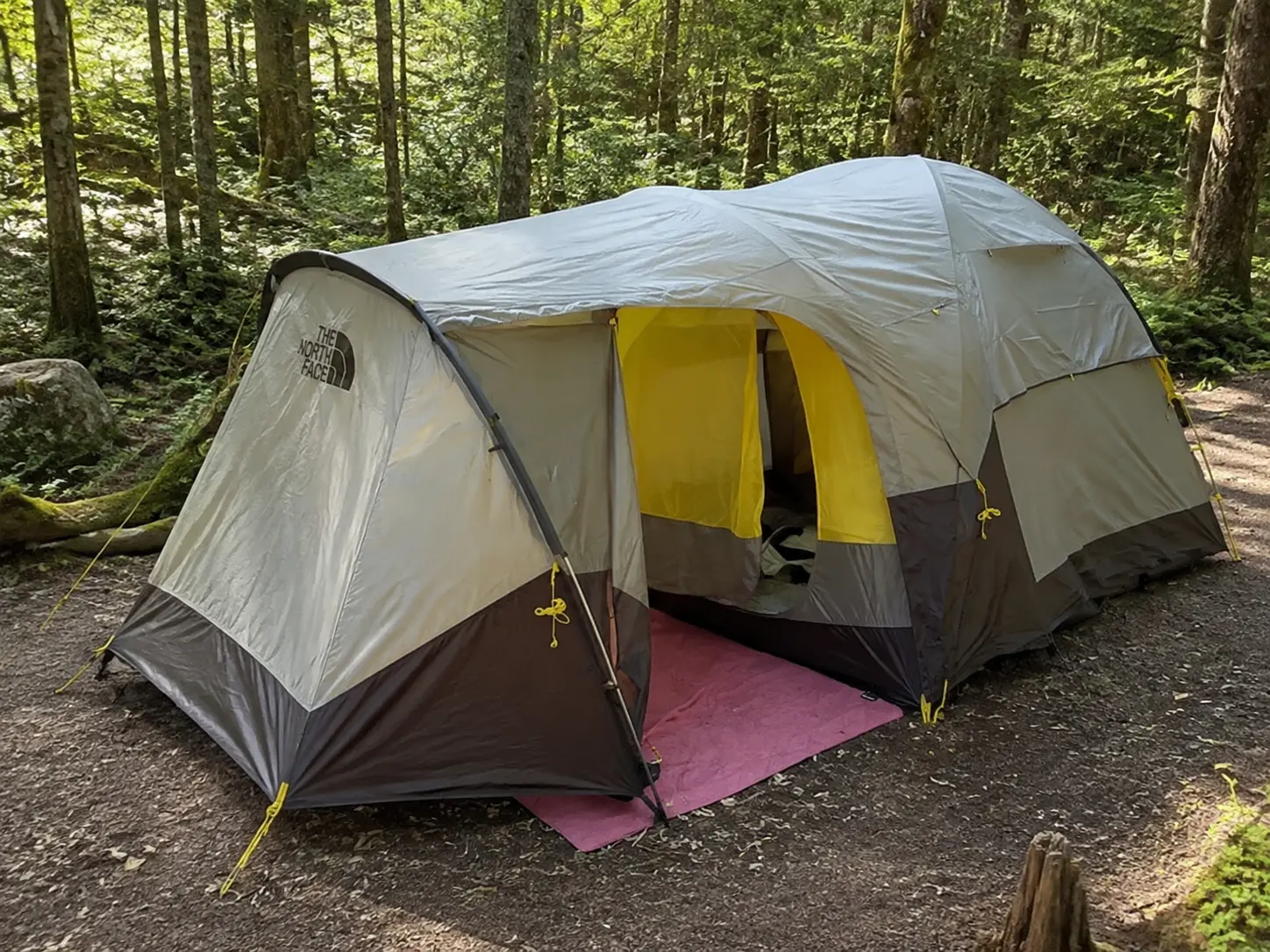
Form matters too. Hammock campers should look for integrated bug net systems or 360-degree enclosures that don’t sag or brush your skin during sleep. Swag users should go for pop-up or dome-style insect barriers that are stable, breathable and easy to pitch even in dense ground cover. Don’t forget setup speed. The faster your net goes up, the sooner you’re protected.
Real Stories from the Cape Mozzie-Proofing Adventures
Ask anyone who’s camped Cape York unprepared, and they’ll tell you. It only takes one night without protection to wish you’d invested in a better net. Some travellers try to get by with cheap mesh covers or makeshift setups using insect repellent and wishful thinking. It rarely ends well.
One couple shared their experience camping near Twin Falls. They brought a supermarket pop-up net that looked fine at home. But under the weight of a tropical storm and a million bugs, it collapsed before midnight. They spent the next two nights sleeping in shifts, swatting and spraying.
Others have succeeded by thinking ahead. A group of mates touring the Old Telegraph Track used purpose-fitted hammock bug nets with treated mesh. They kept their nets zipped at all times, used ground tarps to reduce mozzie breeding areas and packed extra netting to drape over their camp kitchen.
Their verdict? Total game changer. Not a single infected bite, no midnight panic and they actually enjoyed evenings around the fire. It’s all in the prep.
Your Next Trip Deserves Bug-Free Sleep
Protection doesn’t end with buying the right net. Caring for it means it keeps working trip after trip. When packing, store your net flat or loosely rolled to avoid creases that can weaken the mesh. Check for any micro-tears or worn seams before each use. A single hole is an open door to Cape York’s flying biters.
On the road, avoid pitching nets directly on rough ground without a base layer. Sharp sticks or jagged terrain can slice through even the best mesh. If your net is treated, follow reapplication guidelines. Most treatments fade after 6 to 12 months depending on exposure and washing.
Lastly, think beyond the bed. Bug-free sleep is crucial, but so is bug-free cooking, relaxing and driving. Pack extra netting to drape over awnings, create kitchen screens or protect the rear of your 4WD. That level of prep transforms Cape York from a bite risk into a bucket-list dream.
Ready to Camp Without the Itch?
You deserve to enjoy Cape York’s wild beauty without the buzz, bites and sleepless nights. Browse Offtrack’s range of high-performance mosquito nets and insect barriers, handpicked for far-north Aussie conditions. From treated hammock nets to tent-ready domes, we’ve got your back so you can focus on the adventure ahead.
Visit our insect barriers collection today and sleep easy knowing you’re protected by the best. Your mozzie-free dream starts now.
More Voices from the North
Avid solo trekker Jules recounts her dry season trip through Cape Melville. She initially relied on just a treated sleeping bag liner and a tarp. That worked fine at first, until an unexpected humid surge hit. Her camp became overrun by sandflies so aggressive she ended up retreating into her car for two nights.
After switching to a suspended, treated pyramid net from Offtrack’s insect barrier range, Jules noticed a dramatic difference. She slept with the flap closed and elevated her bedding to prevent skin contact with the mesh. “Best 800 grams I’ve ever packed,” she said. “It turned panic into peace.”
In contrast, the Red Earth family group touring the tip with three kids used a dome-style netting system inside a canvas tent, reinforced with external bug mesh draped over windows. Their tip? “Buy extra guy ropes. Secure netting at double anchor points to stop night-time flapping.”
These shared experiences all point to one thing. Preparation is everything when it comes to sleeping bug-free in Cape York.
Understanding Net Technology and Materials
There’s more science behind mosquito nets than most campers realise. At the core is the mesh, typically made from polyester or nylon. The weave tightness is measured by holes per square inch (HPI). Standard mosquito nets use 156 to 200 HPI. In the tropics, you want 500 HPI or better, sometimes called ‘no-see-um mesh’, designed to block the smallest insects like biting midges.
Next comes the treatment. Insecticide-treated nets (ITNs) use permethrin or deltamethrin, which is either surface-applied or bonded into the fibres. Long-lasting insecticidal nets (LLINs) can remain effective for up to 3 years or 20 washes. If you’re camping long-term, it’s worth investing in LLIN-grade netting.
The frame or support system also matters. Freestanding dome nets work well for static base camps. Hanging nets need solid trees or poles for support, while hammock nets are often built-in or zip-on for full enclosure. Consider the pack weight and size versus ease of use. For Cape York, durability always wins.
Comparing Popular Mosquito Net Types for the Cape
Choosing the right net depends heavily on your camping style. Here’s a quick breakdown:
Pop-Up Dome Nets
Great for car campers or those using swags without built-in mesh. These nets set up quickly and often come pre-treated. Downsides include bulk and slightly less airflow.
Hammock Nets
Ideal for tree-dwelling setups. Look for zippered or full cocoon designs. Double-check that your hammock and net match in size, and always test setup before the trip.
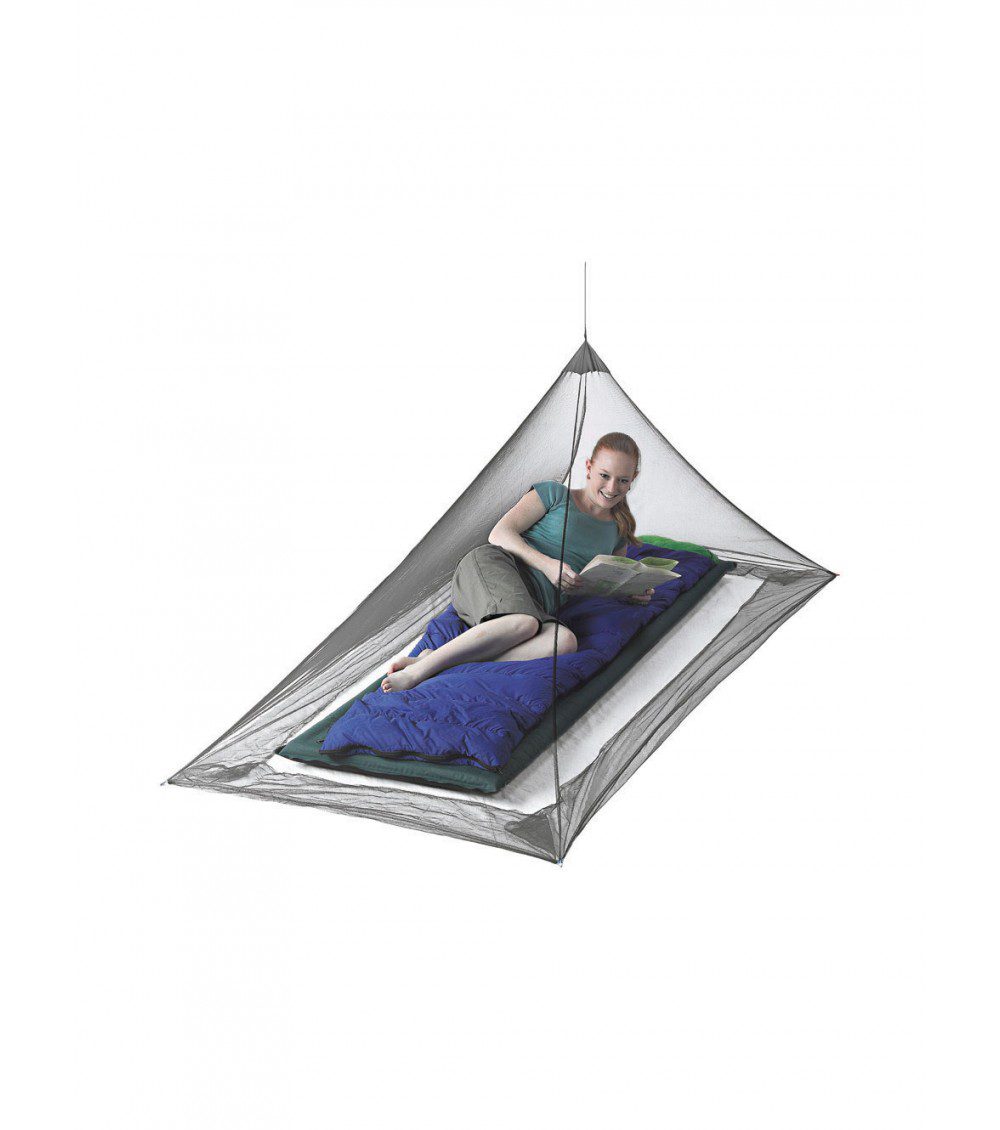
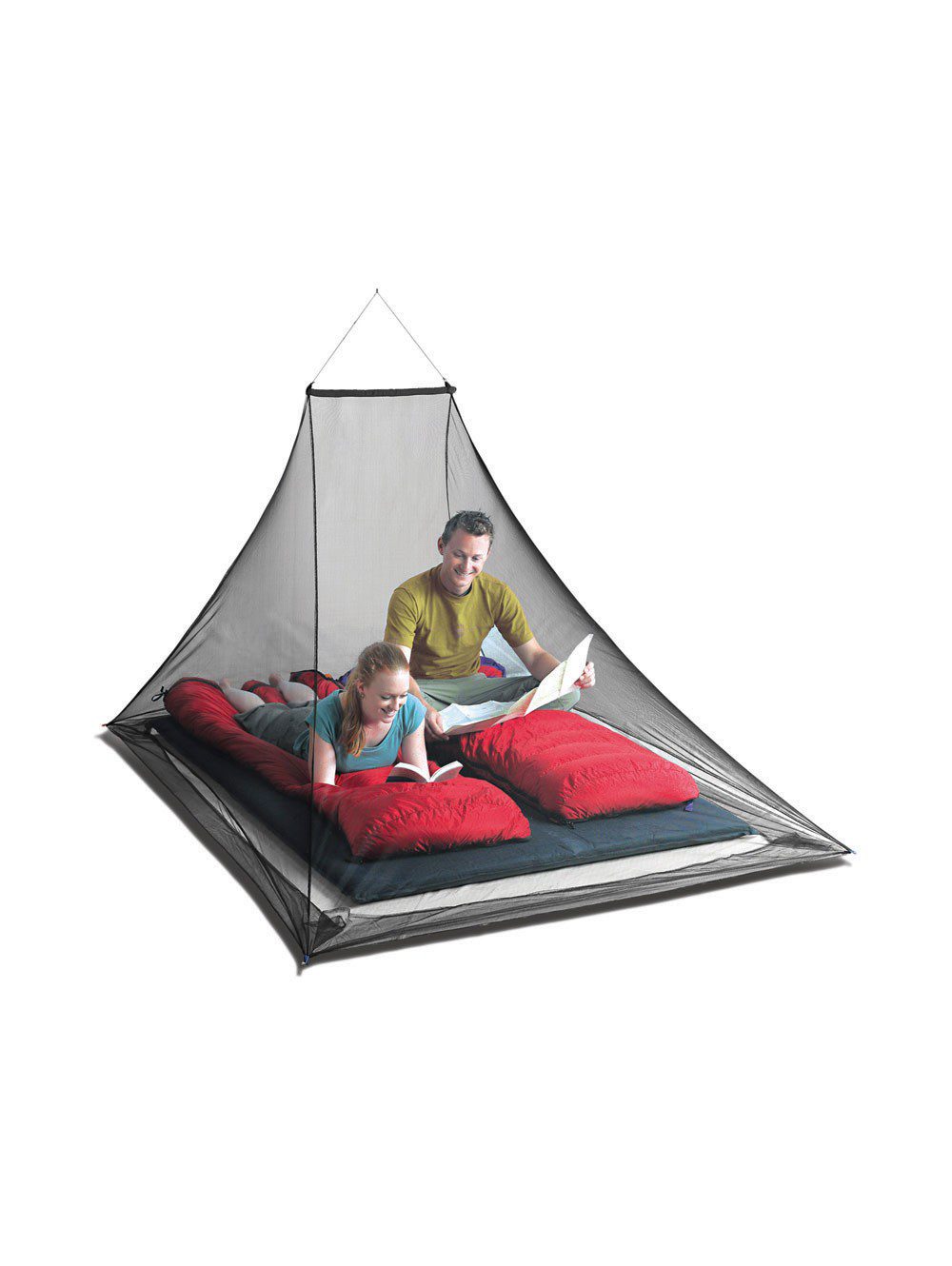
Hanging Pyramid Nets
Lightweight and compact, perfect for minimalist hikers. These need an overhead point to hang from but work brilliantly when paired with sleeping mats or lightweight bedding systems.
Whatever you choose, prioritise fit, treatment and ventilation. Cape York’s nights can be stuffy. Don’t compromise airflow chasing security.
One Net Between You and a Better Night’s Sleep
Cape York rewards those who come prepared. It is raw, remote and unforgettable, but only when you can rest well between the long drives, hikes and heat. Your mosquito net is more than a barrier. It’s your shelter from sleepless nights, bites and the bugs that don’t quit after sundown.
From pop-up domes to hammock cocoons, the right net transforms your trip from tolerable to unforgettable. Choose gear that’s been proven in the north, trusted by real travellers and ready for your next remote run.
Browse Offtrack’s handpicked collection of insect barriers built for tropical camping and far-flung adventures. Rest easy knowing you’ve geared up with the best. Because up here, mozzie-free dreams aren’t optional, they’re earned.