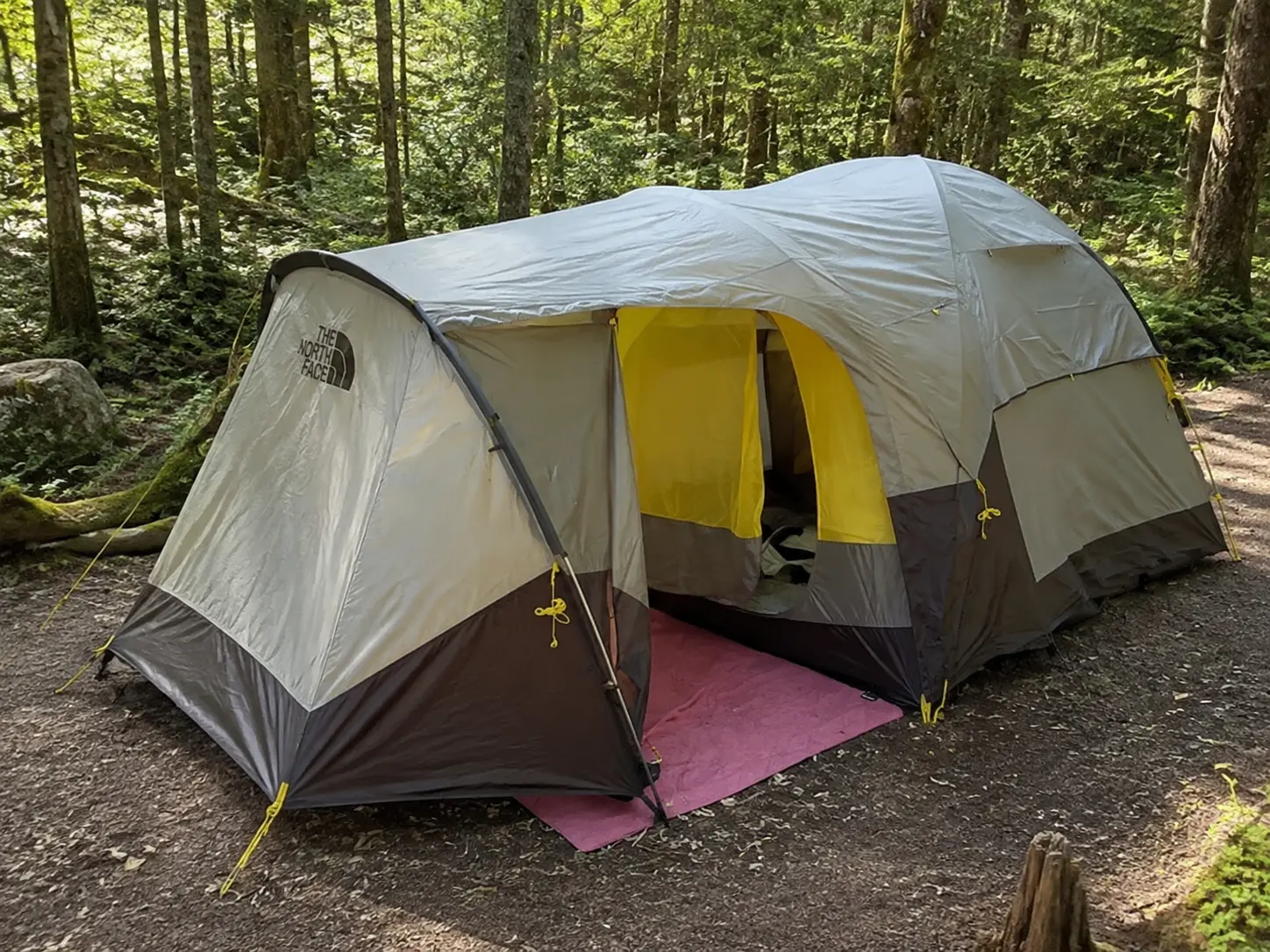
When the wind starts to roar across the dunes and the temperature plummets with the setting sun, desert trekkers know that one thing matters above all else: shelter that holds.
In Australia’s vast and often unforgiving desert regions, pitching a tent is not just about convenience. It is about safety. And in soft, shifting sands, your setup needs more than just good gear. It demands skill, precision and the right knots.
This guide is designed to teach you how to anchor your tent like the professionals do. You will learn the knots they rely on, the stakes that actually stay put, and the field-tested setup techniques that keep shelters grounded in sandstorm conditions. This is not a refresher for backyard campers. It is a tactical walkthrough for those heading into real, rugged terrain.
Why the Right Knot Can Save Your Shelter
Knots are not just for climbers and sailors. In the outdoors, they are your first line of defence against the wind. But not all knots are created equal. The ones you learn in Scouts or on a weekend hike are not the ones that will hold during a desert gale.
Guy lines are only as strong as their weakest point. Often, that weakness is the knot. A poor knot can slip under load, tighten beyond untying, or fail entirely under shifting tension.
Desert wind behaves differently to other environments. It comes in bursts, changes direction quickly, and builds up speed over open ground. According to the Australian Bureau of Meteorology, wind gusts of 90 km/h or higher are classified as damaging and capable of bringing down temporary structures like tents. Your shelter has to be able to flex without collapsing, and your guy lines must stay tensioned even as the ground underneath shifts.
That is why professionals choose knots that can handle dynamic tension, offer adjustability in the field, and can be untied without a blade, even after hours of strain.
Master These Knots for Unshakable Tent Security
If you only learn three knots for your next desert trek, make them these. Each has earned its place through decades of real-world use, and each serves a unique purpose in your shelter setup.
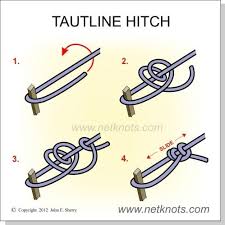
The Adjustable Taut-Line Hitch is perhaps the most versatile guy-line knot available. It creates a sliding loop that holds tension when pulled but can be adjusted without untying. This makes it ideal for changing conditions, such as rising winds or a softening pitch point as the day heats up and sand shifts. Tension can be fine-tuned at any time.
The Trucker’s Hitch is a more advanced option but delivers serious holding power. It uses mechanical advantage, similar to a pulley system, to create maximum tension in your guy lines. Once secured, it remains tight and is very difficult to dislodge. This is a go-to knot for storm preparation when extra torque is required.
The Bowline and the Figure-8 Loop round out your knot arsenal. The Bowline is excellent for creating fixed loops at the end of lines, which can be clipped or tied off with ease. It will not slip, even under load, and is easy to untie. The Figure-8 is used as a stopper or a backup to other knots. It is stable, predictable, and great for high-stress points like ridge lines or corners of your shelter that take the brunt of wind pressure.
Learn these knots not just in theory but by practising them with your actual shelter gear before you leave. Familiarity is your ally when conditions turn.
Stake Smarter Not Harder Choosing the Right Anchors for the Job
Even the most perfectly tied knot will fail if the stake it is attached to comes loose. That is why understanding ground conditions and choosing the right anchoring method is just as important as knowing your knots.
Sand is a unique challenge. It offers poor resistance to vertical force and easily shifts under pressure. Standard tent stakes, the kind that work in grass or compact soil, are nearly useless here. They are too narrow and too short to create meaningful grip.
Instead, opt for stakes designed specifically for soft terrain. Sand stakes, often broader and longer than traditional pegs, provide a greater surface area to hold the ground. Some are shaped like wide triangles or have multiple holes to increase friction against the surrounding sand.
Another option is the deadman anchor. This method involves burying an object, such as a stick, rock or filled stuff sack, horizontally in the sand. The guy line is wrapped around this anchor and then buried. The sand compacts around the object, creating incredible holding power. It takes more effort to set up but can handle high winds with ease.
Screw-in stakes can also be effective. These are drilled into the sand and, when angled properly, offer strong resistance. Make sure to drive any stake in at a 45-degree angle away from your tent and align guy lines to pull directly opposite the stake’s angle. This helps distribute force along the stake’s length rather than pulling it straight out.
For high-wind scenarios, consider doubling up. Use two stakes per guy line, tied to a shared loop, to disperse tension and provide a backup if one anchor fails.
Real World Setup Tips from Veteran Trekkers
Knowing your knots and using the right stakes is just the beginning. What sets experienced desert trekkers apart is how they put all these pieces together.
Before you set up, scout your pitch site carefully. Look for natural windbreaks such as shrubs, dunes or rock outcrops. While deserts appear flat, even a small rise or hollow can reduce your exposure to wind. Always align your tent lengthwise with the prevailing wind to minimise resistance.
Once your tent is placed, tension all guy lines before nightfall. Wind often picks up at dusk. Pre-tensioning ensures you are not adjusting lines in the dark or during an active storm. Use taut-line hitches to fine-tune tension once your stakes are set.
Veterans often add a redundancy loop or backup line to each corner. If one line fails, the second holds until it can be fixed. This can mean the difference between a flapping fly and a collapsed tent.
Avoid over-relying on elastic cordage or shock cord in your guy lines. While they may absorb shock, they also reduce holding power. Use static lines where possible, and add your own tension control via knots.
Always carry a few extras: spare stakes, cord, carabiners and a lightweight mallet. And mark your lines with reflective tape or glow tags. It may seem small, but being able to see your setup at night prevents trip hazards and makes nighttime adjustments much easier.
Above all, test your setup before you rely on it. If possible, simulate a storm at home or in a controlled space to learn how your tent reacts. In the field is not the time to find out that your line slips or your stakes twist free.
Pitch-Perfect Clarity for Harsh Conditions
Q: Which guy-line knot is easiest to learn but strong in high winds?
A: The Adjustable Taut-Line Hitch is a great starting point. It is simple, holds tension well and can be adjusted without untying.
Q: Can I use normal tent stakes in sand?
A: No. Standard stakes do not provide enough grip in loose sand. Use wide sand stakes, screw-ins, or deadman anchors for best results.
Q: How do I stop guy lines from slipping during the night?
A: Use high-friction knots like the Trucker’s Hitch and always pre-tension your lines before dark. Double anchoring and backups also prevent slippage.
Ready to Pitch Like a Pro
Your shelter is only as reliable as the gear and knowledge you bring with you. Offtrack offers a curated selection of high-performance tent stakes, tough guy lines and desert-ready accessories built to meet Australia’s harshest outdoor demands.
Whether you are prepping for a multi-day crossing through the Simpson Desert or heading out for a quick overnight in soft coastal dunes, don’t risk a poor pitch.
Explore Offtrack today. With the right knots, the right anchors and the right tools, you will stay grounded no matter how hard the wind blows.