A good rain jacket is designed to handle rough weather, regular use and plenty of time outdoors. Like any piece of technical equipment, it will perform better and last longer with the right care.
You may notice that water no longer beads across the surface after months of use. Dark patches may begin forming around the shoulders, sleeves or hood. The jacket might feel heavier in the rain or become clammy inside.
These signs do not automatically mean the jacket is leaking or worn out. In many cases, the waterproof membrane is still doing its job. The outer water-repellent finish may simply need cleaning, reactivation or reproofing.
Modern PFAS-free rain jackets can require a little more maintenance than older wet-weather clothing. Understanding that care routine will help you stay more comfortable and get more use from the jacket you have already invested in.
Your Rain Jacket Has Two Different Layers of Protection
Most technical rain jackets rely on two separate systems to manage wet weather.
The waterproof membrane or coating sits beneath the outer fabric. Its job is to stop rain from passing through the jacket while allowing some moisture vapour to escape from inside.
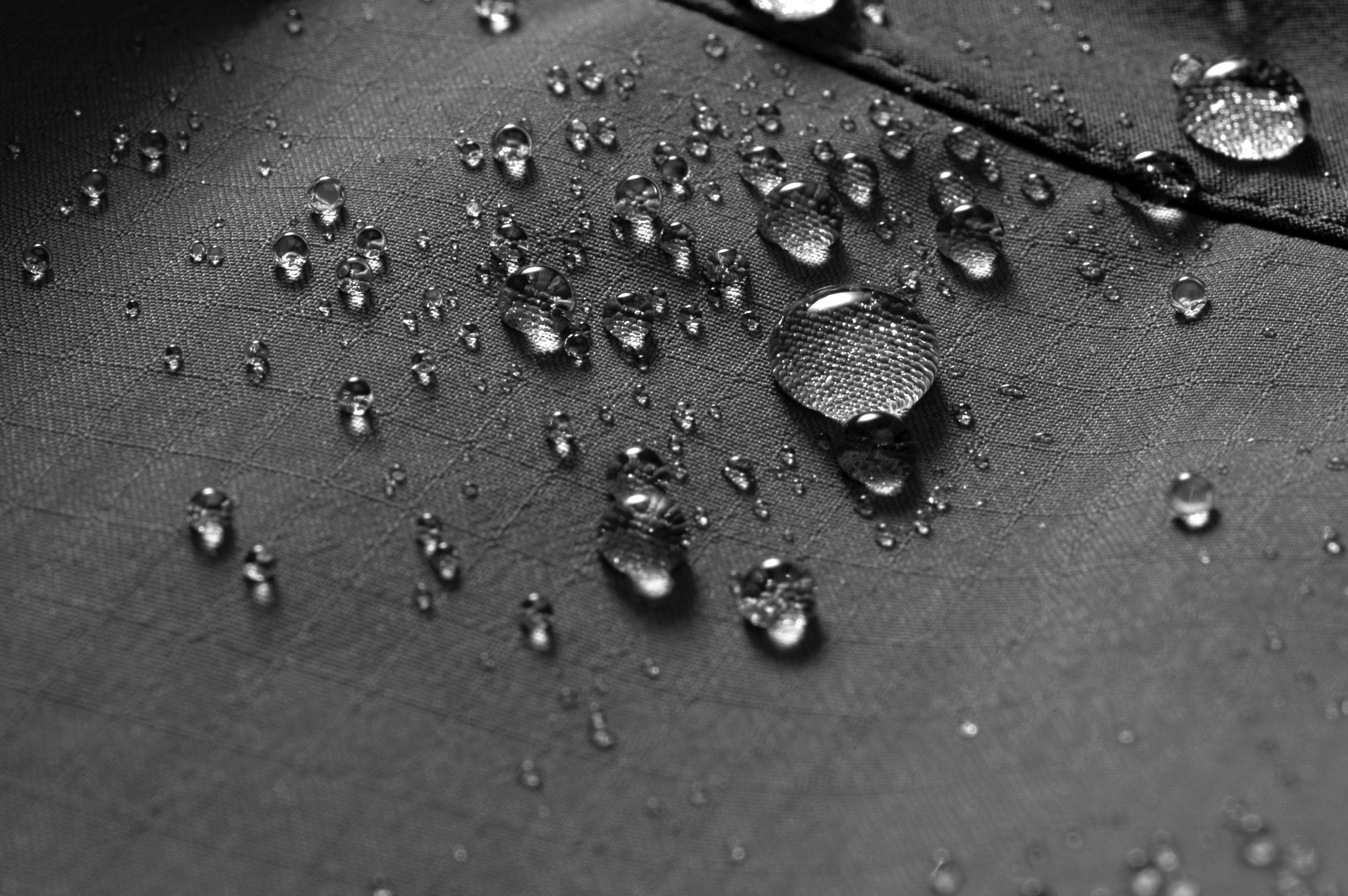
The face fabric also carries a durable water-repellent treatment, commonly known as DWR. This treatment encourages rain to form beads and roll away before it can soak into the outer material.
A healthy DWR finish is easy to recognise. Water gathers into rounded droplets and moves across the surface as you walk or shake the jacket.
Over time, the treatment becomes less effective. The outer fabric starts absorbing water instead of shedding it. This is known as wetting out.
Wetting out can make a jacket feel as though it has lost its waterproofing, even though the membrane underneath may still be stopping rain from passing through.
What Wetting Out Does to Your Jacket
A saturated face fabric becomes heavier and colder. It also makes it harder for moisture vapour to move out of the jacket.
Your body continues producing heat and perspiration as you walk, climb or carry a pack. If the outer material is soaked, that internal moisture has fewer opportunities to escape. Condensation builds inside, leaving your clothing and skin feeling damp.
That clammy feeling is often mistaken for a leak.
A genuine leak usually appears in a specific area and allows external water through the jacket. Wetting out tends to affect broader sections of the face fabric and reduces comfort across the garment.
Cleaning and reproofing will not repair a torn membrane, damaged seam tape or a physical hole. It can restore performance when the problem is dirt, contamination or a worn DWR treatment.
Why PFAS-Free Rain Jackets Need Regular Care
The outdoor clothing industry has been moving away from water-repellent treatments made with intentionally added PFAS.
PFAS are a large group of chemicals that have historically been valued for their resistance to water, oils and heat. Their persistence in the environment has also led to growing concern and an industry-wide move towards alternative waterproofing technologies.
Newer PFAS-free finishes can provide effective rain protection without relying on the same fluorinated chemistry. They tend to be more sensitive to body oils, grime and abrasion, so their performance may need to be restored more frequently.
This does not mean the jacket is poorly made. The technology and the maintenance routine have changed together.
A current rain jacket may need regular cleaning and occasional reproofing to maintain the same visible water beading that older treatments held onto for longer.
What Wears Down Water Repellency
The DWR treatment is exposed every time you use your jacket. It sits on the outside of the garment, directly in contact with rain, mud, vegetation, equipment and your hands.
Sweat and body oils can build up around the collar, hood and cuffs. Sunscreen and insect repellent may transfer from your skin. Dirt works its way into the fabric during wet or dusty trips.
Friction also affects the finish. Backpack shoulder straps repeatedly rub the same areas, which is why the shoulders may start wetting out before the rest of the jacket. Hip belts, harnesses and regular arm movement create similar wear.
Ordinary washing products can add another problem. Standard detergent, stain removers and fabric softeners may leave residues that interfere with water beading and breathable performance.
A jacket does not need to look filthy for contamination to affect it. Oils and detergent residue may be difficult to see, even while they are changing how the surface handles water.
Signs Your Rain Jacket Needs Attention
The best maintenance schedule is based on the jacket’s performance rather than a fixed date.
Look for changes such as:
- Rain stops forming beads and begins spreading across the fabric.
- Dark, saturated patches appear during wet weather.
- The shoulders, hood, cuffs or sleeves soak faster than other areas.
- The jacket feels heavier after exposure to rain.
- Moisture builds up inside more quickly during activity.
- Cleaning no longer restores the original water beading.
A jacket used every week under a backpack will usually need attention sooner than one worn occasionally around town. Weather conditions, perspiration, pack weight and storage also affect the timing.
A simple water test can help. Sprinkle or spray clean water over several sections of the jacket. An effective finish should cause most of the water to bead and roll away. Flat patches that absorb water suggest the DWR needs cleaning or renewal.
Clean the Jacket Before Adding More Reproofer
Reproofing products work best on clean technical clothing.
Dirt and oils can block a new treatment from bonding evenly with the face fabric. Applying a waterproofing product over a contaminated jacket may produce patchy results and leave the fabric feeling coated without properly restoring performance.
Start by checking the care label inside the jacket. Manufacturers may specify washing temperature, cycle type, drying method and whether heat can be used.
Empty every pocket, close the main zip and fasten hook-and-loop tabs so they do not catch on the fabric. Loosen any drawcords that may prevent parts of the garment from moving freely in the wash.
Clean the washing machine’s detergent drawer before adding a technical wash. Residue from household detergent or fabric softener can carry into the cycle.
Use a cleaner formulated for waterproof and breathable clothing. Follow the product dosage and the jacket manufacturer’s instructions rather than estimating the amount.
After washing, examine how water behaves on the clean jacket. Dirt may have been the main problem, and the original treatment may begin beading again once the contamination has been removed.
Reactivating the Existing Water-Repellent Finish
Some DWR finishes can be reactivated with gentle heat after washing.
A short low-temperature tumble dry may help restore water beading, provided the jacket’s care label permits tumble drying. Some manufacturers also allow careful use of a low-temperature iron with a protective cloth placed between the iron and the garment.
Heat instructions vary between jackets. Follow the garment label first, even if the treatment product suggests a different drying method.
Products such as Grangers can also work when air-dried, which is useful for jackets that cannot go into a dryer. Gentle heat may improve durability where both the product instructions and garment care label allow it.
Test the jacket again once it is completely dry. A fresh treatment is needed if the outer material still absorbs water across larger areas.
How to Reproof a Rain Jacket
A wash-in reproofer distributes treatment across the garment during a washing-machine or hand-wash cycle. It is a practical option for straightforward shell jackets and other garments where the whole outer fabric needs attention.
A spray-on treatment can be useful when you want to concentrate on high-wear areas or avoid applying treatment to an absorbent lining. Product suitability varies, so check both the jacket instructions and the reproofer label.
For either method:
- Begin with a properly cleaned jacket.
- Follow the stated dosage rather than adding extra product.
- Treat only the recommended number of garments at a time.
- Use the cycle and temperature listed on the product and care label.
- Dry the jacket using an approved method.
- Test the finished garment with clean water before relying on it in heavy rain.
Using more reproofer than recommended will not necessarily produce a better result. Excess treatment may rinse unevenly or affect the feel of the fabric.
The Quick One-Wash Option: Grangers Clothing Wash + Repel
Customers who want to clean and reproof their jacket in one cycle can use Grangers Clothing Wash + Repel.
The two-in-one formulation removes the dirt and oils that interfere with the DWR while restoring water repellency during the same wash. This reduces the need to run separate cleaning and waterproofing cycles.
It is also PFC-free and bluesign approved. The treatment can be air-dried, although tumble drying may improve durability if the jacket’s care label permits it.
Use the product according to its dosage instructions and treat garments separately for the best result.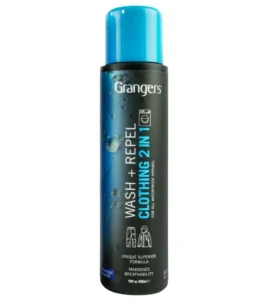
The video shows how the one-cycle treatment is used and explains the role of cleaning before restoring the water-repellent finish.

The Separate Clean-and-Proof Option: Nikwax Tech Wash and TX.Direct
Nikwax Twin Tech Wash + TX.Direct Wash-In provides a separate cleaner and waterproofing treatment.
Tech Wash is used first to remove dirt and detergent residue from wet-weather clothing. It is formulated to clean technical garments without leaving behind the additives commonly found in household laundry products.
TX.Direct Wash-In is then applied to add durable water repellency and restore breathable performance.
The two-stage process is useful for customers who want to clean the jacket thoroughly before deciding whether a fresh waterproofing treatment is required. It also allows the cleaning and reproofing steps to be repeated independently in the future.
Check the jacket label and follow the stated water temperature, garment quantity and drying instructions.
The Nikwax demonstration walks through the cleaning and reproofing process and shows how the treatments are used on waterproof clothing.

Which Treatment Should You Use?
Both options are designed to restore performance to wet-weather clothing. The choice depends on how you prefer to maintain your gear.
Grangers Clothing Wash + Repel combines cleaning and reproofing in one wash. It suits customers looking for a simple maintenance cycle with less water and energy use than two separate washes.
The Nikwax Twin Tech Wash + TX.Direct pack separates the process into a cleaner and a dedicated wash-in reproofer. It suits customers who prefer to assess the jacket after cleaning or manage each stage independently.
The jacket manufacturer’s care instructions should guide the final decision. Some garments may require a particular treatment method, especially jackets with specialised linings, insulation or construction.
Offtrack’s team can also help match the aftercare product to the jacket if you are unsure which route to take.
How Often Should You Reproof Your Jacket?
There is no single reproofing interval that suits every jacket.
Heavy use, regular pack carrying and exposure to mud or body oils can wear the finish down faster. An occasional-use shell may go much longer between treatments.
Clean the jacket once water stops beading consistently or after a particularly dirty trip. Reproof it if the clean, dry garment continues to wet out.
This approach avoids adding treatment unnecessarily while keeping the jacket ready for wet conditions.
It is also worth checking the jacket before a longer hike, school camp or remote trip. Care is easier to manage at home than after the weather closes in.
Questions That Usually Come Up After the First Wet Trip
Is my jacket faulty if it stops beading water?
Loss of beading usually points to contamination or wear in the outer DWR finish. The waterproof membrane may still be working. Clean, dry and test the jacket before treating the issue as a product failure.
Can I wash a waterproof jacket in a washing machine?
Many waterproof jackets can be machine washed, provided you follow the garment care label. Use a technical cleaner, remove household detergent residue from the dispenser and select the recommended cycle.
Can I use regular laundry detergent?
Regular detergent may leave residues that reduce water repellency and interfere with breathability. Fabric softener should also be avoided. A cleaner made for technical waterproof clothing is the safer option.
Does reproofing repair a leaking jacket?
Reproofing restores the treatment on the outer fabric. It does not repair holes, separated seam tape, damaged zips or a deteriorated membrane. A jacket that leaks through a specific damaged area may need assessment or repair.
Does a PFAS-free jacket need reproofing more often?
PFAS-free DWR treatments can be more sensitive to oils, dirt and abrasion than older fluorinated finishes. The exact care interval still depends on use, fabric and jacket construction.
Should I reproof a brand-new rain jacket?
A new jacket should arrive with an effective factory-applied treatment. Reproofing is generally unnecessary until cleaning and approved heat reactivation no longer restore beading.
Can I tumble dry my rain jacket?
Use a tumble dryer only if the care label allows it. A low-temperature cycle may reactivate the DWR or help set a new treatment. Air drying remains the correct option for garments that cannot be tumble dried.
Keep the Jacket You Chose Working for Longer
Rainwear care is part of owning a technical shell, particularly as the outdoor industry moves towards PFAS-free materials.
Wash the jacket with the correct cleaner once dirt, oil or wetting out begins affecting its performance. Reactivate the existing finish using an approved drying method, then add a fresh reproofer if water still fails to bead.
Keeping outdoor clothing in service for longer also has a broader waste benefit. Australian Government data shows that around 860,000 tonnes of textile, leather and rubber waste was generated in Australia in 2022–23, equivalent to 33 kg per person, while only 5% was recycled. Caring for a rain jacket properly can help extend its usable life and reduce the need to replace serviceable gear prematurely.
That routine will help the jacket stay lighter, more comfortable and more breathable in wet conditions. It also delays unnecessary replacement by keeping serviceable gear in use.
For a one-cycle clean and reproof, see Grangers Clothing Wash + Repel. For a separate cleaning and waterproofing system, see Nikwax Twin Tech Wash + TX.Direct Wash-In.
Our team can help you choose the treatment that suits your jacket, its care instructions and the way you use it.