A sleeping bag can have a clear temperature rating and still leave you unsure whether it is right for your trip.
The challenge is that the number on the label only tells part of the story.
Choosing a sleeping bag starts with understanding the conditions you expect to face, then matching the insulation, weight, size and design to your adventure. A bag for a weekend campsite has very different priorities from one carried through several days of hiking.
The best camping sleeping bag is not always the warmest option available. It is the one that provides enough warmth for the conditions without adding unnecessary weight, bulk or cost.
Our sleeping bag range includes down and synthetic options across different temperature ratings and trip styles, helping you choose a bag that suits how and where you plan to use it.
Choose for the Coldest Night, Not the Nicest Forecast
Temperature is the first factor to consider because it quickly removes unsuitable options.
A mild daytime forecast does not always reflect overnight conditions at camp. Elevation, exposed campsites, changing seasons and overnight temperatures can all affect how warm your sleeping bag needs to be.
Australian conditions provide a useful example. Bureau of Meteorology data for Mount Ginini AWS, at an elevation of 1,760 metres, shows mean minimum temperatures of −1.2°C in June, −2.4°C in July and −1.8°C in August. This highlights why campers heading into higher or colder areas should check expected overnight conditions rather than choosing a sleeping bag based on daytime temperatures alone.
Sleeping bag temperature ratings are a guide, not a guarantee
A sleeping bag temperature rating provides a useful way to compare products, but it does not mean every person will experience the same level of warmth.
People sleep differently. Your clothing, shelter, food, fatigue levels and sleeping mat can all affect comfort.
For that reason, avoid choosing a cold weather sleeping bag by focusing only on the lowest number printed on the label.
Instead, consider:
| Consideration | Why it matters |
| Expected overnight temperature | Helps determine the warmth you actually need |
| Trip type | Hiking trips usually require lighter, more compact gear |
| Sleeping mat | Provides insulation between you and the ground |
| Personal comfort | Some sleepers naturally need more warmth |
Starting with the coldest conditions you realistically expect gives you a better chance of choosing a sleeping bag that performs well when you need it most.
This approach is especially useful for school camps and multi day trips, where conditions can change and a bag that feels comfortable on the first night may feel very different after several nights outdoors.
Down or Synthetic? Pick the Trade Off That Fits Your Trip
Insulation choice creates almost as much confusion as temperature ratings.
Both down and synthetic sleeping bags can perform well. The better choice depends on the environment, how you travel and what matters most for your gear.
Down sleeping bags suit lightweight adventures
Down sleeping bags are popular with hikers because they can offer strong warmth for their weight and pack down into a smaller volume.
Those benefits become more noticeable when carrying equipment over longer distances. Reducing weight and saving space can make a significant difference during multi day trips.
For hikers looking for a lightweight sleeping bag, down can be a strong option when compact packing and lower carried weight are priorities.
Synthetic sleeping bags suit practical everyday use
Synthetic insulation is a practical choice for damp environments, school camps and situations where easy care and value are important.
These sleeping bags can continue to provide reliable performance in wet conditions and offer an accessible option for many campers.
There is no advantage in choosing the most technical insulation if it does not suit your trip. The right choice is the one that matches your conditions and priorities.
A Camping Sleeping Bag and a Hiking Sleeping Bag Do Different Jobs
Many people search for the “best sleeping bag” as though every trip creates the same requirements.
It does not.
The right sleeping bag depends on how you travel, where you sleep and what compromises you are willing to make.
Car camping gives you more freedom to prioritise comfort
Camping sleeping bags used mainly for vehicle based trips do not have the same weight restrictions as bags carried on a hiking trip.
That means you can place more importance on:
- comfort
- space
- ease of use
- value
A slightly larger or heavier sleeping bag may be completely practical if it only needs to travel a short distance from your vehicle to camp.
Paying extra for weight savings may not make sense if you are not carrying that weight for long distances.
Hiking makes every gram and litre compete for space
A hiking sleeping bag needs to provide warmth while earning its place in your pack.
Weight matters, but packed size matters too. A bulky sleeping bag can take up valuable space needed for food, clothing and other equipment.
The goal is balance:
- warm enough for the conditions
- light enough to carry comfortably
- compact enough to fit your pack
Choosing a lighter bag can improve the journey, but reducing insulation too far can make nights uncomfortable.
Warmer Is Not Automatically Better
Buying the warmest sleeping bag available can feel like the safest option.
However, extra warmth also comes with trade offs.
Too much insulation can create unnecessary bulk
A heavily insulated sleeping bag generally requires more material and may take up more space in your pack.
That can be worthwhile for colder conditions, but the same bag may feel excessive during warmer trips.
A bag that is too warm can also make sleeping uncomfortable.
The aim is not to buy the warmest sleeping bag. The aim is to choose enough insulation for the conditions you expect, with a sensible margin for changing weather and personal comfort.
Your Sleeping Mat Is Part of the Warmth Equation
Sleeping bags receive most of the attention, but the insulation underneath you is also important.
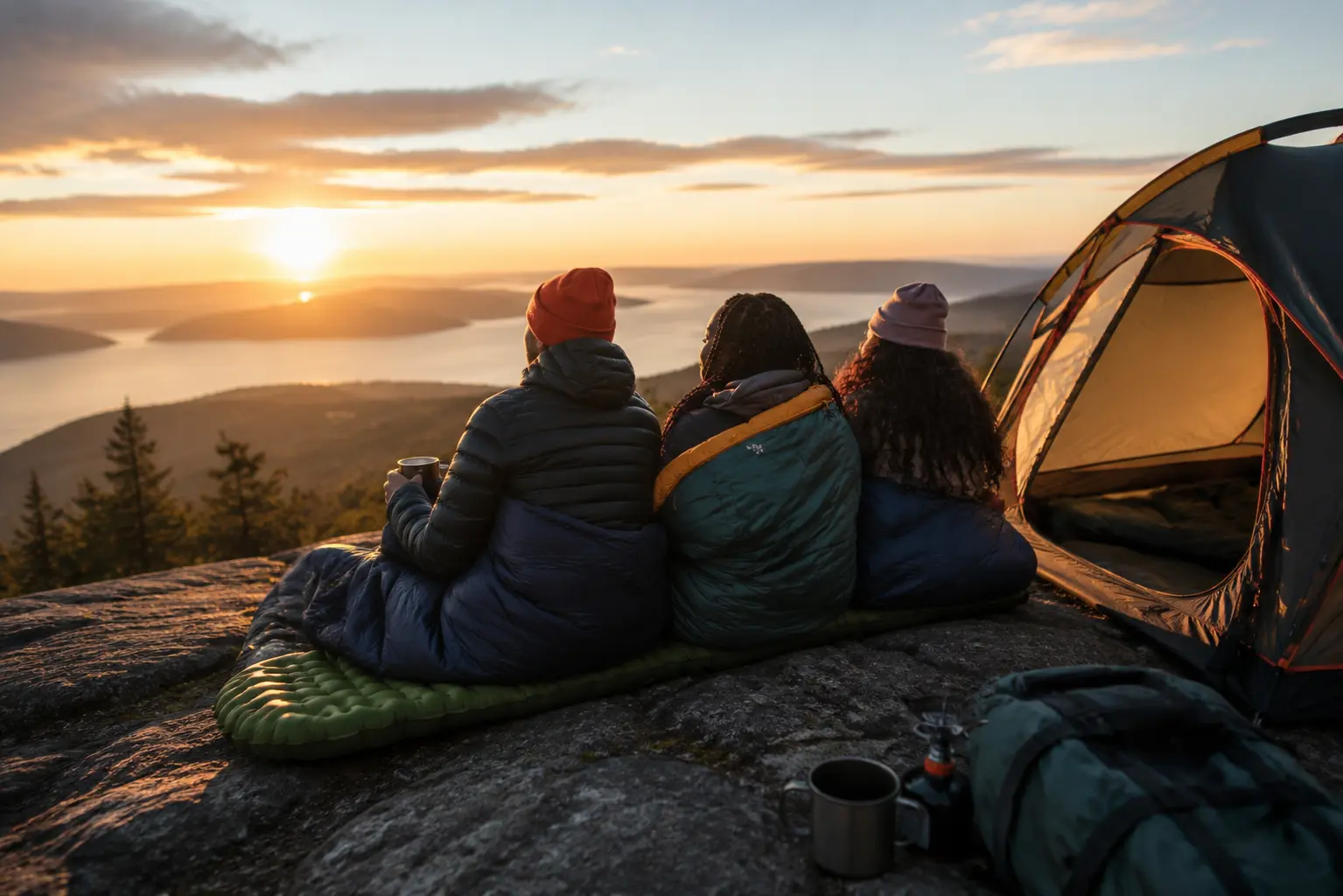
A sleeping bag works as part of a complete sleep system.
Match the mat and bag to the same conditions
Your sleeping mat helps reduce heat loss to the ground, which means it plays an important role in keeping you comfortable overnight.
A warm sleeping bag paired with an unsuitable mat may not perform as expected.
The same decision process applies:
- Car campers can usually accept more weight and packed size.
- Hikers need to balance insulation, comfort, weight and volume.
Our camping mattresses range includes different options, from foam and self inflating mats through to insulated lightweight sleeping pads.
Thinking about the sleeping bag and mat together gives you a more realistic view of how your sleep system will perform.
Fit, Shape and Size Can Change How the Bag Performs
Temperature ratings and insulation are important, but the shape of a sleeping bag also affects comfort and performance.
A sleeping bag that fits well is easier to use and can help maintain warmth.
Extra space is still space your body has to warm
A roomy sleeping bag can feel more comfortable for people who prefer extra movement.
A closer fitting mummy style sleeping bag reduces the amount of internal space your body needs to warm and is often chosen when efficiency and packed size matter.
Length matters too.
Choosing a bag that is much larger than necessary can add unnecessary fabric and internal space. Choosing one that is too small can restrict movement and reduce comfort.
Always check manufacturer sizing information rather than assuming every sleeping bag follows identical dimensions.
Use This Four Part Test Before You Shortlist a Sleeping Bag
Choosing between dozens of sleeping bags becomes much easier when you answer four questions first.
Start with temperature and trip type
Ask:
- What is the lowest overnight temperature I realistically expect?
- Will I carry the sleeping bag or transport it by vehicle?
- Do I need the compact weight of down or the practical benefits of synthetic insulation?
- What sleeping mat and shelter will I use with it?
These questions usually remove many unsuitable options before you start comparing smaller details.
Compare the Details Buyers Often Leave Until Last
Once temperature and trip type are clear, consider the remaining factors that affect the decision.
Moisture and environment
The conditions you expect to encounter should influence insulation choice.
A dry hiking trip creates different priorities from a damp school camp, paddling trip or wet outdoor environment.
The question is not whether one insulation type is always better. It is whether its strengths match your situation.
The rest of your sleep system
Your sleeping bag does not work alone.
Your sleeping mat, clothing and shelter all contribute to your overnight comfort.
Considering the complete setup helps you choose a sleeping bag that works for the actual trip rather than relying on one specification.
Start With the Conditions, Then Compare the Bags
The right sleeping bag depends on the trip you are planning.
Instead of searching for the warmest, lightest or most expensive option, start by understanding the conditions you expect to face.
Consider:
- the lowest overnight temperature
- whether you will carry the bag or transport it
- whether down or synthetic insulation better suits your environment
- how your sleeping mat and shelter contribute to comfort
Once those factors are clear, comparing sleeping bags becomes much simpler.
A good sleeping bag is not the one with the most impressive specification sheet. It is the one that matches your actual adventure.
You can compare our sleeping bags based on your expected conditions, trip style and carrying needs.
If you are still deciding between options, contact Offtrack with details of your trip and we can help you compare the trade offs.
The Sleeping Bag Questions Worth Settling Before You Buy
Which sleeping bag temperature rating should I actually compare?
Start with the rating designed for the conditions you expect to encounter.
Temperature ratings provide a useful comparison, but personal comfort varies. Your clothing, shelter, sleeping mat and individual preferences can all affect how warm you feel overnight.
Choose a rating based on realistic conditions rather than relying only on the lowest number shown.
Should I buy a sleeping bag rated colder than the temperature I expect?
Having some extra warmth can be useful when conditions are uncertain.
However, choosing a sleeping bag with far more insulation than you need can increase weight, bulk and cost.
The goal is to choose a sensible margin that suits your trip rather than automatically choosing the coldest rated option.
Is down always the better sleeping bag insulation?
No.
Down is a strong choice when warmth to weight and compact packing are important.
Synthetic insulation can be a better fit for damp conditions, easier care and situations where value is a priority.
The right insulation depends on how and where you plan to use the sleeping bag.
What should I prioritise in a hiking sleeping bag?
Focus on the balance between:
- warmth
- weight
- packed size
- expected conditions
A lightweight sleeping bag is useful for carrying, but it still needs to provide enough warmth for the environment you will sleep in.
Do I need a different sleeping bag for car camping?
Not always.
A hiking sleeping bag can work well for camping, but car camping gives you more flexibility because weight and pack size are usually less important.
This allows you to prioritise comfort, space and value.
Can a better sleeping mat make my sleep system warmer?
A suitable sleeping mat can improve comfort by helping insulate you from the ground.
The sleeping bag and sleeping mat should be considered together because both contribute to the performance of your sleep system.
What sleeping bag should a student take on a school camp?
The right choice depends on the destination, expected temperatures, season and requirements provided by the school or program.
A practical option should balance warmth, durability, ease of use and suitability for the conditions.
What if I am stuck between two sleeping bags?
Compare both options against the same questions:
- What temperatures will I face?
- How will I transport the bag?
- Which insulation suits the environment?
- What sleeping mat and shelter will I use?
The better choice usually becomes clearer once the comparison is linked to the actual trip.
If you still cannot decide, contact Offtrack and share your trip details.
Buy for the Night You Are Going to Have
Choosing a sleeping bag becomes much easier once you stop searching for a universal winner.
Start with the conditions you expect. Think about how you will travel. Choose insulation that suits the environment. Then consider your sleeping mat and the rest of your setup.
This approach helps you choose a sleeping bag for a real adventure rather than simply comparing numbers on a product page.
You can browse our sleeping bags once you know what you need, or contact Offtrack if you would like help narrowing down the options.