A slender slice of plastic and magnetism weighs less than a muesli bar yet can spare you the four-figure sting of a helicopter ride. Slip a compass into your pack, learn its language, and back yourself when batteries bow out.
Tech Trips, Compass Clips: Why Redundancy Rules
Picture this: late-arvo light fading in dense Victorian bush, phone screen spinning, “Searching for satellites…”. The track markers you trusted have vanished and you’re kilometres from a trail-head. One wrong decision and the price of extraction soars past the weekend’s budget.
Each year Aussie search-and-rescue crews answer hundreds of distress calls from walkers who drifted metres off route. From chopper time to volunteer overtime, the invoice can top $3 000 before you’ve warmed up in the recovery blanket.
In Queensland alone, search-and-rescue teams assisted 1,648 people in 2019, logging 8,733 police hours and over 34,000 volunteer hours.
A $30 compass? It never drops signal, never files for sick leave and won’t ghost you at 3%. Couple it with a topo map and the know-how below, and you’ve built an iron-clad Plan B.
When Screens Go Dark: The Limits of Pure Tech
GPS apps map contours and log steps, but they also:
- drain batteries faster in the cold,
- choke on patchy coverage in the Blue Mountains, Flinders or Tasmania’s South West,
- tempt hikers into “digital confidence”, eyes glued to a flickering arrow instead of the ridgeline ahead.
A compass keeps its head when electronics lose theirs.
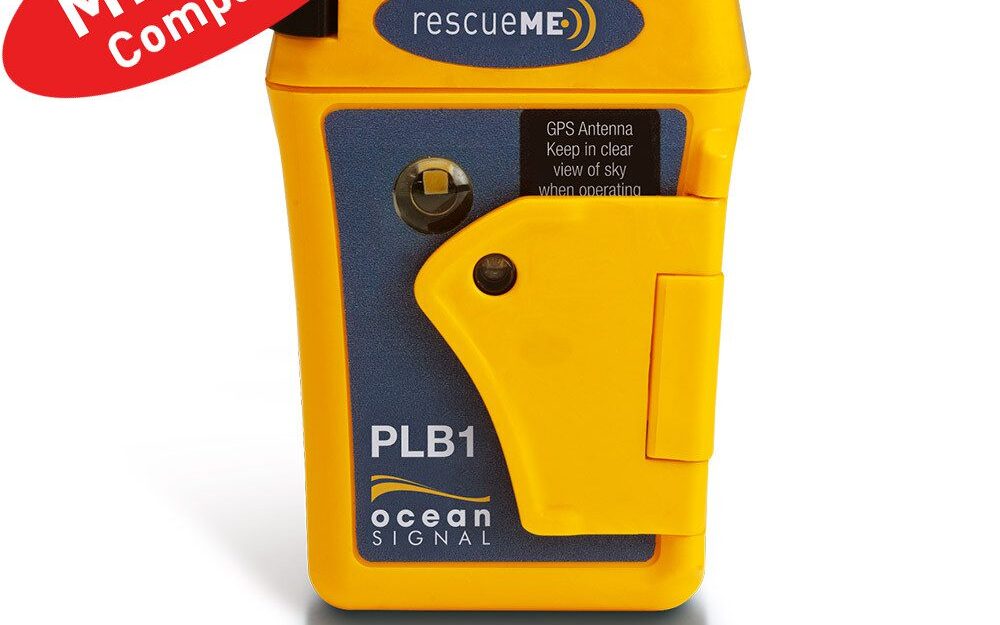
Real-world miss: A solo tramper near Mount Howitt, Alpine National Park, mis-tapped a gully on their phone, strayed off course and triggered PLB rescue at dusk. State coffers: >$3 000. Personal cost: a week’s wages and some humble pie.
Three Core Skills: Map & Compass in Minutes
Master this trio before your next overnighter:
- Orient the Map
Lay map flat, place compass baseplate along the north–south grid, twist sheet until the needle and map north align. Paper now mirrors terrain.
- Take and Follow a Bearing
Edge of compass from Point A to Point B on the map; spin bezel till orienting lines match grid north. Hold chest-high and walk the arrow, keeping needle boxed.
- Triangulate Your Spot
Unsure where you’ve landed? Shoot bearings to two (better three) distinct landmarks – a summit, knoll, dam. Plot lines on the map; their intersection is you.
Buying Smart: What Makes a Bush-Ready Compass?
| Feature | Why It Matters on Aussie Tracks |
| Clear baseplate | Lets you plot exact bearings over topo lines without covering detail. |
| Declination adjustment | Australia’s magnetic and true north differ; set once, stay accurate all day. |
| Luminous markings | Glows at dawn, dusk and under tree cover for low-light legibility. |
Pro tip: Stash the compass in your hip-belt pocket, not the depths of your pack. Tools save lives only when they’re reachable.
Lost? Not Anymore – Straight Answers
Can’t my phone handle navigation alone?
It can until reception fades, the screen cracks or lithium cells flat-line. A compass shrugs at weather and wavelength alike.
Is compass work hard to learn?
Nope. Orient-map, take-bearing, triangulate. A couple of backyard drills and you’ll steer like a local guide.
Best starter compass for Aussie hikes?
A baseplate model with declination scale – see Offtrack’s Silva-powered range for bullet-proof accuracy without needless frills.
Step Out Smarter: Safety for the Price of Lunch
Confidence isn’t in the gadget, it’s in the skill. Spend thirty dollars, invest thirty minutes, and carry peace of mind on every track.
Offtrack curates navigation gear we rely on ourselves: rugged compasses, laminated topographic sheets, and map cases that withstand sideways rain. Drop by our Bayswater HQ for a chat and a demo
Get the compass. Learn the craft. Trust your bearing.
Let’s Get Offtrack, without losing our way.