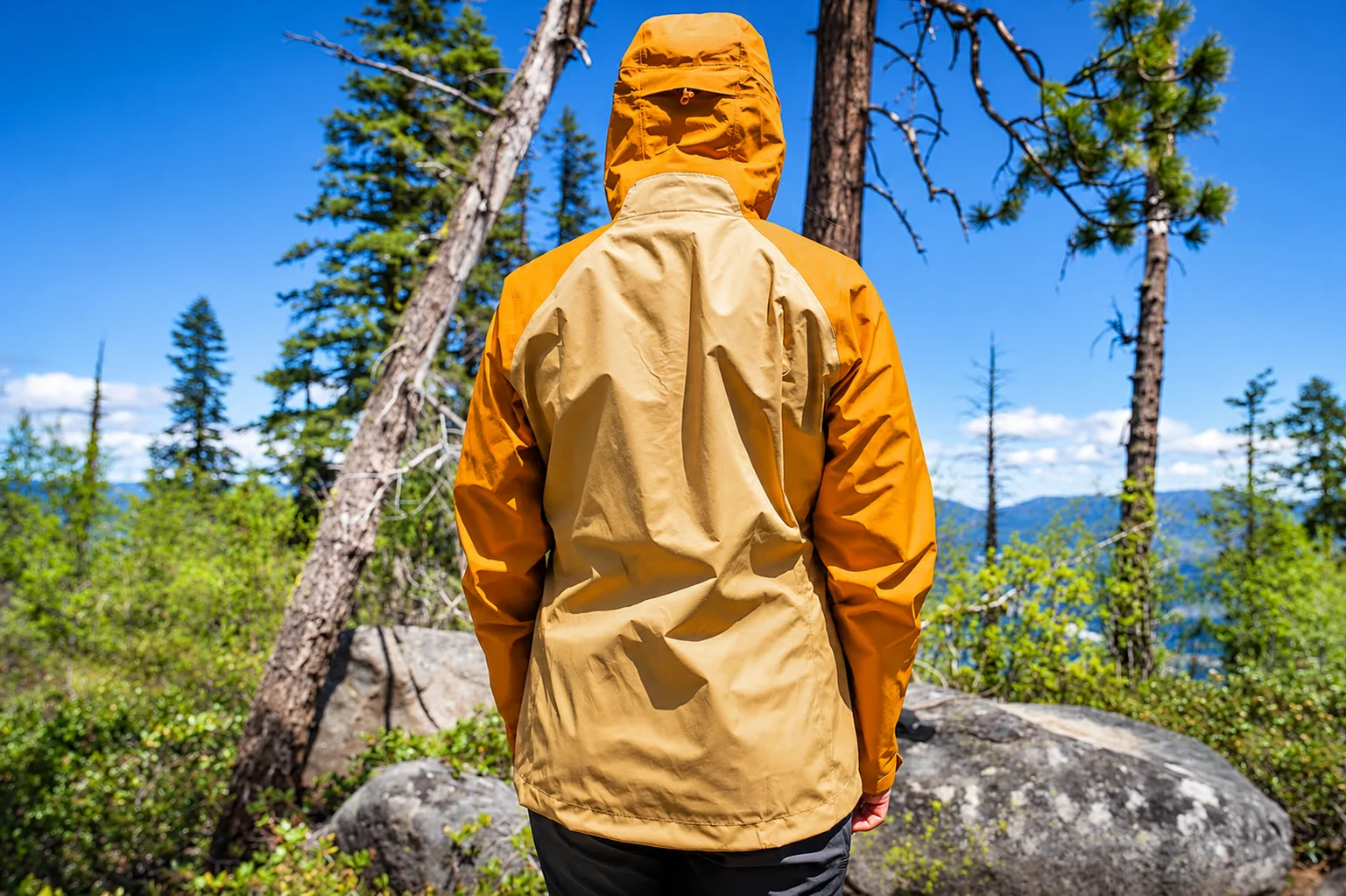
The Patagonia Torrentshell 3L rain jacket is a waterproof shell designed for hiking, bushwalking and everyday wet-weather use. Its three-layer H2No construction, adjustable hood and underarm ventilation make it a practical option for changing conditions. But before choosing one, it’s worth looking beyond the specifications to how the jacket fits and performs during the activities you have planned.
A rain jacket might fit comfortably over a T-shirt but feel tight once you add a fleece. It might keep rain out during a walk yet leave you damp from perspiration on a steep climb. These are important considerations if you’re looking for one jacket that can handle both outdoor adventures and everyday wear.
At Offtrack, we recommend choosing waterproof clothing around your activities, expected conditions and the layers you’ll need underneath. This guide covers Torrentshell sizing, waterproof construction, practical features, differences between the men’s and women’s models, and how to look after the jacket.
Patagonia Torrentshell 3L Sizing and Fit: How to Choose
Getting the fit right is one of the most important parts of choosing a waterproof jacket. You need enough room to move and wear additional layers without leaving excessive fabric around your torso and sleeves.
The Patagonia Torrentshell 3L has a regular fit, which provides some room for clothing underneath. However, your usual clothing size isn’t necessarily the best choice, particularly if you’ll be wearing the jacket over insulating layers.
Understanding Patagonia’s Regular Fit and Size Chart
Start with Patagonia’s size chart for the men’s or women’s Torrentshell model you’re considering. Compare your body measurements rather than relying entirely on the size you normally wear.
Pay particular attention to your chest, shoulders, sleeve length and the way the hem sits around your hips. The jacket should close comfortably without pulling across your torso, and the sleeves should continue covering your wrists when you reach forward or lift your arms.
Shoulder movement is particularly important for bushwalking. A jacket that feels comfortable when you’re standing still may become restrictive once you’re carrying a backpack, reaching overhead or using trekking poles.
We recommend trying a few movements that resemble what you’ll do outdoors. Reach forward, raise your arms, bend at the waist and rotate your shoulders. Check that the hem doesn’t ride excessively high and that the front zip isn’t pulling against your chest.
If you’re between sizes, think about what you’ll wear underneath before making your decision.
Should You Size Up to Fit a Fleece?
Not necessarily. The right size depends on your measurements and the thickness of the layers you intend to wear.
For warmer walks, you might only need a lightweight hiking shirt underneath your Torrentshell. In colder conditions, you may want to add a fleece or insulated mid-layer.
Both combinations should allow comfortable movement.
A jacket that’s too tight can compress insulating clothing and restrict movement. One that’s much too large can leave excess fabric around your arms and torso, making it harder to adjust the openings properly.
We recommend trying the Torrentshell over your thickest likely mid-layer, especially if you plan to use it throughout winter. You should be able to reach overhead, rotate your shoulders and close the jacket without tightness across your chest or back.
The aim is enough room for insulation without unnecessary bulk. Choose the size that works with your intended clothing system rather than automatically sizing up.
How Waterproof Is the Patagonia Torrentshell 3L?
The Torrentshell 3L uses Patagonia’s three-layer H2No waterproof and breathable construction. It’s designed to prevent rain from passing through the fabric while allowing some moisture vapour to escape.
The construction is one of the jacket’s main selling points, but understanding how the different layers work helps explain its performance in wet conditions.
How Three-Layer H2No Construction Works
The Patagonia Torrentshell 3L combines three layers into its waterproof fabric.
The outer layer uses 50-denier ECONYL recycled nylon ripstop, providing the exposed surface and contributing to durability. Beneath it sits a polyurethane-based waterproof membrane designed to stop external water while allowing some moisture vapour through.
An inner tricot backing protects the membrane from wear on the inside of the garment.
Together, these layers provide waterproof protection suitable for regular wet-weather use.
According to Patagonia’s published specifications, the Torrentshell 3L’s fabric, membrane and durable water-repellent finish are made without intentionally added PFAS. This describes the materials and manufacturing approach rather than guaranteeing the absence of every trace of these substances.
While the three-layer construction provides protection from external rain, breathability has limits. During strenuous activity, particularly in humid conditions, perspiration can build up faster than moisture vapour can escape.
That’s why ventilation and the clothing you wear underneath also matter.
DWR vs Waterproof Membrane: Why Rain Jackets Wet Out
The Torrentshell uses two different forms of wet-weather protection.
Its waterproof membrane provides the main barrier against rain, while the outer fabric has a durable water-repellent treatment, commonly called DWR.
DWR encourages rain to bead and roll off the jacket before it saturates the outer material. Over time, dirt, body oils and repeated abrasion can reduce the effectiveness of this finish.
When the outer fabric starts absorbing water rather than shedding it, the jacket is wetting out.
A jacket that’s wetting out may feel heavier, colder or more clammy. Moisture vapour can also escape less effectively when the outer fabric is saturated.
Wetting out doesn’t automatically mean the waterproof membrane has failed. The membrane may still be preventing rain from passing through, even though the outer fabric is holding moisture.
Cleaning and restoring the DWR finish can often improve how the jacket performs. We’ll cover the maintenance process later in this guide.
Patagonia Torrentshell 3L Features: Hood, Pit Zips and Pockets
Waterproof construction provides the foundation, but a jacket’s practical features can make a noticeable difference when you’re wearing it for several hours.
The Torrentshell includes underarm ventilation, adjustable openings and convenient storage. These features help you manage comfort during changing conditions without constantly removing or rearranging your clothing.
Pit Zips and Ventilation for Active Use
Walking uphill in the rain presents a familiar problem. You’re generating body heat, but removing your jacket means exposing yourself to the weather.
The Torrentshell has underarm ventilation zips, commonly called pit zips, which allow additional airflow while you’re still wearing the shell.
They’re useful on climbs, during faster walks and in mild, wet conditions when you need rain protection but don’t want to trap excess heat.
Opening the front zip can also release warmth, although it reduces protection from rain entering through the front of the jacket.
We recommend adjusting ventilation as soon as you begin warming up rather than waiting until your base layer is damp. Once clothing becomes wet with perspiration, it can take time to dry, especially in cool or humid weather.
The pit zips won’t eliminate perspiration, but they give you another way to manage temperature during active use.
Adjustable Hood, Cuffs and Hem
The Torrentshell has a two-way-adjustable hood with a laminated visor, allowing you to adjust coverage and help keep the hood positioned in windy conditions.
The hood can also be rolled down and secured when you’re not using it.
Hook-and-loop cuff closures and an adjustable drawcord hem help reduce wind and rain entering through the openings. They also allow you to adjust how closely the jacket sits around your wrists and waist.
The front zip includes internal and external storm flaps, along with a zip garage near the chin. A microfleece-lined neck adds comfort where the jacket sits against your skin.
These adjustments don’t provide insulation themselves. Their main purpose is to help manage airflow, weather protection and fit as conditions change.
Pocket Placement, Packability and Weight
The Torrentshell includes two handwarmer pockets and packs into its own left-hand pocket, which has a carabiner clip-in loop.
Being able to pack the jacket into itself is convenient when the weather clears. You can store it in your daypack without needing a separate stuff sack.
Pocket access is worth checking if you regularly wear a backpack with a hip belt. Depending on the pack, the belt may sit across the jacket’s lower pockets and make them harder to reach.
If possible, try accessing the pockets while wearing your usual pack rather than assuming they’ll remain convenient during a walk.
According to Patagonia’s published specifications, the men’s Torrentshell weighs approximately 400 g and the women’s version approximately 352 g. These are listed product weights, and individual sizes may differ.
There are lighter specialist rain shells available, so weight alone shouldn’t determine your choice. Consider whether you value the Torrentshell’s combination of features or prefer a more minimal jacket for activities where reducing pack weight is a priority.
Men’s vs Women’s Patagonia Torrentshell 3L: What’s Different?
The men’s and women’s Torrentshell 3L jackets share the same basic waterproof construction and practical features.
Both use Patagonia’s three-layer H2No system and include underarm ventilation, adjustable hoods and cuffs, and self-stowing pockets.
The main consideration is how each model fits your body and the clothing you’ll wear underneath.
Comparing Men’s and Women’s Torrentshell Sizing and Features
Patagonia provides separate sizing charts for men’s and women’s clothing. A men’s medium and a women’s medium aren’t interchangeable measurements, and the garments have different proportions.
These differences can affect how the jacket fits across your shoulders, chest, waist and hips.
The table below summarises the published similarities and differences.
| Feature | Men’s Torrentshell 3L | Women’s Torrentshell 3L |
| Fit | Regular fit | Regular fit |
| Size chart | Men’s measurements | Women’s measurements |
| Garment shape | Men’s cut | Women’s cut |
| Waterproof construction | Three-layer H2No | Three-layer H2No |
| Underarm ventilation | Yes | Yes |
| Adjustable hood and cuffs | Yes | Yes |
| Self-stowing pocket | Yes | Yes |
| Published weight | Approx. 400 g | Approx. 352 g |
The published weights are product specifications rather than a direct comparison between identical garment sizes.
Which Torrentshell Model Should You Choose?
The better model is the one that fits comfortably and provides room for your intended layers.
If you’ll mainly wear the Torrentshell over everyday clothing, you might prefer a closer fit with less excess fabric. For colder bushwalks, enough space for a fleece or insulated mid-layer may be more important.
Check sleeve coverage, torso length and how the jacket moves when you raise your arms or bend forward. Pay particular attention to the shoulders if you’ll regularly carry a backpack.
It’s also worth confirming that you’re comparing the current model. Colours, available sizes and specifications may change between seasons, so reviews of older Torrentshell versions won’t necessarily describe the exact jacket you’re considering.
Is the Patagonia Torrentshell 3L Good for Hiking and Everyday Use?
The Torrentshell is designed as a versatile waterproof shell, but the features you’ll value depend on how you intend to use it.
A bushwalker carrying a loaded pack has different priorities from someone walking to work. The weather might be similar, but the demands placed on the jacket aren’t.
Bushwalking and Hiking in Variable Conditions
For day hikes and regular bushwalking, we look for a waterproof jacket that provides coverage while allowing comfortable movement.
The Torrentshell’s adjustable hood, cuffs and hem are useful when wind accompanies rain. Its pit zips provide another way to manage heat during climbs or faster walking, while the three-layer fabric makes it a candidate for repeated wet-weather use.
It’s important to remember that the Torrentshell is a waterproof shell, not an insulated jacket. You’ll need to choose your clothing underneath according to the weather, your activity level and how long you’ll be exposed.
In mild conditions, a lightweight base layer may be sufficient. Colder trips may require a fleece or insulated mid-layer, along with suitable gloves, headwear and other protection.
Think about what happens when you stop walking, too. You generate less body heat during a break, so clothing that feels comfortable on a steep climb may not provide enough warmth while you’re stationary.
Backpack use introduces another consideration. Shoulder straps and hip belts create friction against the outer fabric, and repeated abrasion can gradually reduce the DWR finish.
That doesn’t make the Torrentshell unsuitable for carrying a pack, but regular inspection and maintenance are sensible.
For remote or exposed bushwalking, check the forecast, route conditions and the equipment you’ll need if the weather deteriorates. Your waterproof jacket is only one part of preparing for changing conditions.
Commuting, Travel and Everyday Wet Weather
For commuting and general wet-weather use, convenience and comfort may be more important than specialist hiking features.
The Torrentshell packs into its own pocket, making it easy to carry in a bag when rain is forecast. Its uninsulated design also allows you to change the clothing underneath according to the season.
A lightweight shirt may be comfortable in warmer weather, while a fleece can provide insulation on colder mornings. Underarm ventilation can also be useful when walking quickly or moving between outdoor and indoor environments.
If you regularly go bushwalking on weekends and want the same jacket for commuting, the Torrentshell may be a practical choice.
However, if you only need a rain jacket for occasional short walks around town, consider whether you’ll use its technical features often enough to justify choosing a three-layer shell.
A simpler casual rain jacket may meet your needs. Likewise, if minimum weight is your main priority, it’s worth comparing lighter alternatives before deciding.
The best jacket is one that suits your usual activities and conditions, rather than simply offering the longest feature list.
How to Wash and Reproof a Patagonia Torrentshell 3L
Waterproof jackets need regular care to maintain their performance.
Dirt, perspiration, body oils and repeated abrasion can gradually reduce the effectiveness of the outer DWR finish. You may first notice water soaking into the material around the shoulders, hood or cuffs instead of beading on the surface.
This doesn’t automatically mean the jacket needs replacing. Cleaning and appropriate maintenance may help restore its water repellency.
Washing and Drying Your Torrentshell
When the outer fabric begins absorbing rain, check the jacket’s condition before assuming the waterproof membrane has failed.
Dark patches, increased weight and a colder or clammy feeling can indicate that the face fabric is wetting out.
We recommend following Patagonia’s care instructions before applying a new water-repellent treatment.
For the Torrentshell 3L, Patagonia specifies cold machine washing and low-temperature tumble drying. It also advises against bleach, steam and fabric softeners.
A cleaner formulated for technical waterproof clothing can help remove dirt and oils without leaving unwanted residues.
After cleaning and drying the jacket as directed, check whether water beads on the outer fabric again.
Some DWR treatments respond to approved low-temperature drying, so reproofing isn’t always required after washing.
When Does the Torrentshell Need Reproofing?
If the clean outer fabric continues absorbing water, a compatible reproofing treatment may help restore repellency.
Follow the treatment manufacturer’s instructions and Patagonia’s garment care guidance. Depending on the garment and treatment, a spray-on or wash-in product may be suitable.
Reproofing restores the outer water-repellent finish. It won’t repair a damaged membrane, separated seam tape or a hole in the fabric.
We’ve covered the process in more detail in our guide to how to keep your rain jacket performing, including when to clean, reactivate or reproof technical rainwear.
Regular care helps maintain comfort in wet conditions and can extend the useful life of your jacket.
Choose Your Patagonia Torrentshell 3L with Confidence at Offtrack
The Patagonia Torrentshell 3L combines three-layer waterproof construction, adjustable protection and ventilation for active use. Whether it’s the right rain jacket for you depends on how those features match your needs.
Before deciding, focus on three things: how the jacket fits over your intended layers, the weather you’re likely to encounter and how often you’ll use it for active pursuits rather than everyday wear.
For bushwalking, prioritise freedom of movement, ventilation and compatibility with your backpack. For commuting or travel, fit, packability and comfort over everyday clothing may matter more.
At Offtrack, we prefer to match outdoor gear to the activity rather than recommend a product based on brand recognition alone. Use the current size chart as your starting point, consider the layers you’ll need and compare the Torrentshell’s construction and features with other waterproof jackets suited to your activities.
Patagonia Torrentshell 3L Frequently Asked Questions
Should I size up in a Patagonia Torrentshell 3L to fit a fleece?
Not automatically. The Torrentshell has a regular fit, so the correct size depends on your measurements and the thickness of your insulating layer.
Check the relevant Patagonia size chart and try the jacket over your usual fleece. You should be able to move your shoulders, reach overhead and close the zip comfortably without the fabric pulling tightly.
Is the Patagonia Torrentshell 3L waterproof or water-resistant?
Patagonia identifies the Torrentshell 3L as a waterproof and breathable jacket meeting its H2No Performance Standard.
The membrane provides the main waterproof barrier, while the outer DWR finish encourages rain to bead and roll off. The two work together but perform different functions.
Will I overheat wearing the Torrentshell 3L while hiking?
You can become warm inside any waterproof shell during strenuous activity, particularly in humid conditions.
The Torrentshell has underarm ventilation zips that allow additional airflow. Opening them when you begin warming up can help manage heat before perspiration builds up.
Is the Torrentshell 3L suitable for cold-weather hiking?
It can be used as the waterproof outer layer in a cold-weather clothing system, but it doesn’t provide dedicated insulation.
You’ll need suitable base and insulating layers for the expected conditions. Make sure the jacket fits over those layers without restricting movement.
How often does a Patagonia Torrentshell 3L need reproofing?
There’s no fixed interval. The outer DWR finish can lose effectiveness through dirt, wear and abrasion.
Cleaning and drying the jacket according to Patagonia’s instructions may restore water beading. If the clean fabric continues to wet out, a compatible reproofing treatment may help.
What should I check before buying a men’s or women’s Torrentshell?
Compare your body measurements with the size chart for the specific model, then consider what you’ll wear underneath.
Check shoulder movement, sleeve coverage and how the hem sits when you bend or reach. Confirm the current product details and available sizes before ordering rather than relying entirely on your usual clothing size.
Find a Rain Jacket That Suits Your Next Trip
The Patagonia Torrentshell 3L is worth considering if you need a waterproof shell that can handle bushwalking, hiking and everyday wet weather. The most important decision is finding a fit and combination of features that work for the conditions you’ll actually encounter.
At Offtrack, we can help you compare waterproof clothing based on your intended activities, layering requirements and practical preferences.
Explore our outdoor clothing and equipment range or contact our team for help choosing a rain jacket that suits the way you use it.