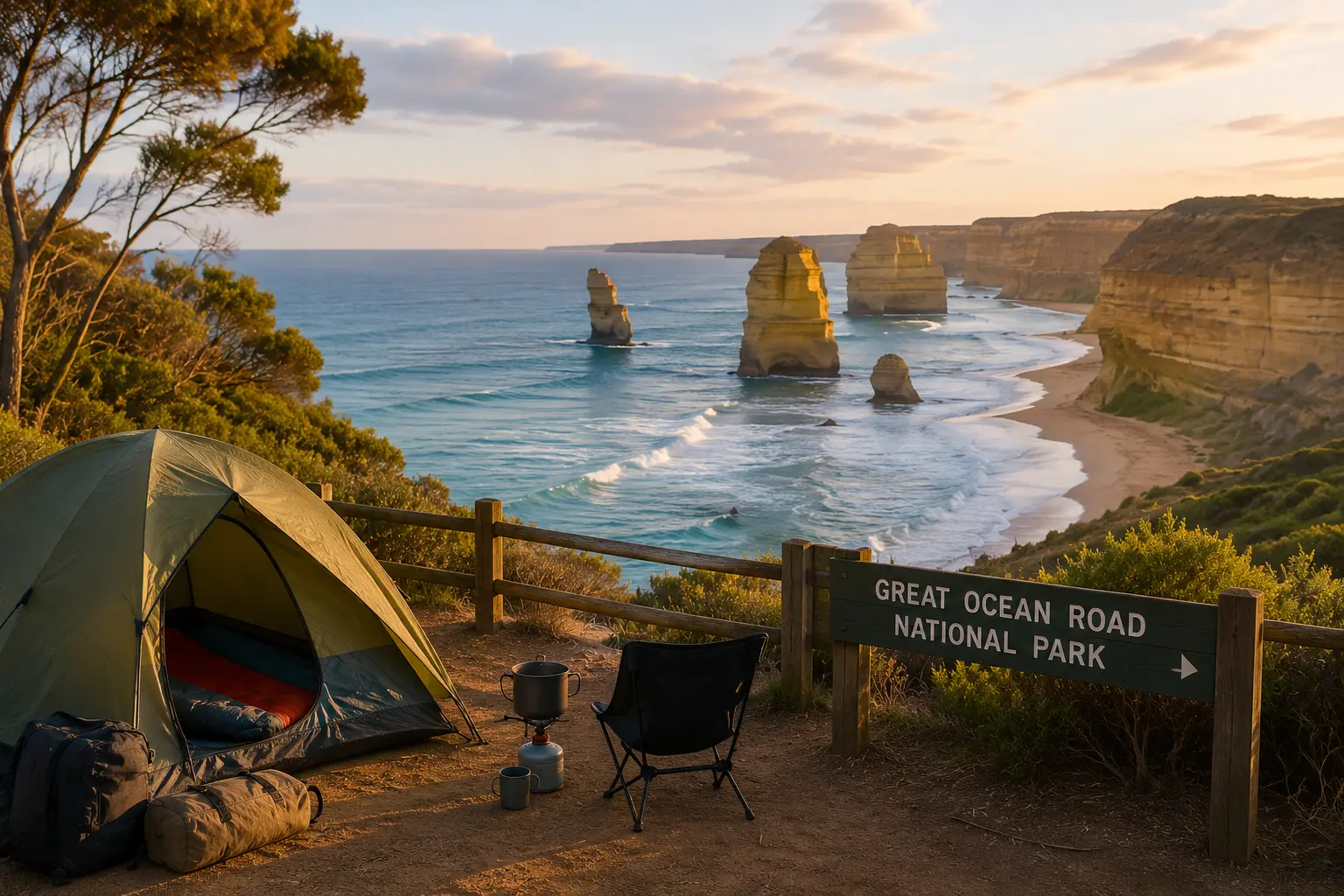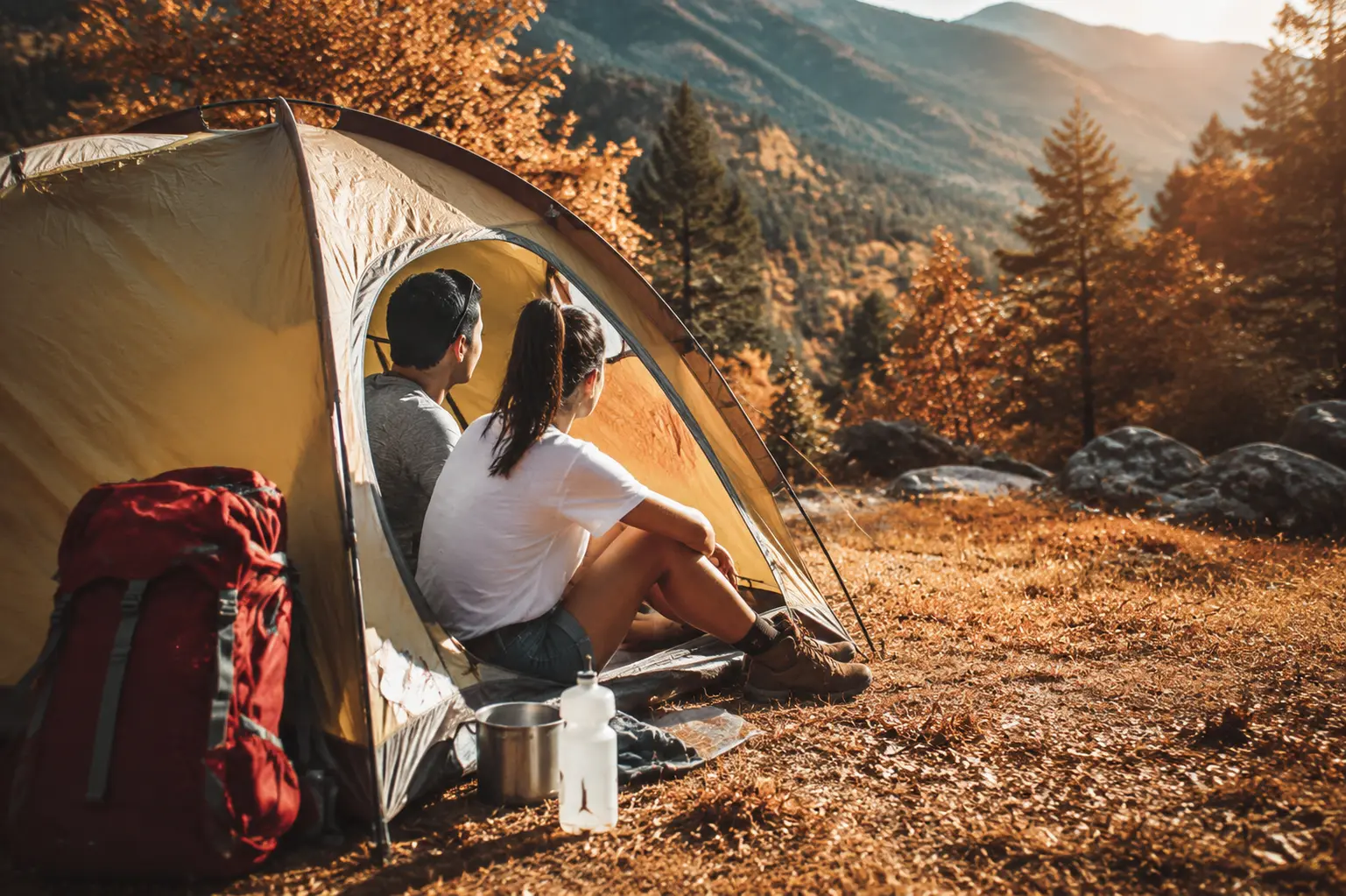
Camping gear lists can grow quickly.
A tent goes on the list. Then a sleeping bag, mattress, stove, cookware, water bottles, lighting, first aid supplies, a pack and plenty of extras that seem useful at the time.
Before long, you have a collection of camping equipment but a bigger question remains:
Does it all work together?
A good camping gear setup is not about owning every item on a checklist. It is about choosing equipment that matches the trip, the conditions, the people using it and the way everything needs to be transported.
At Offtrack, we recommend starting with the trip rather than the shopping list. The destination, duration, group size and carrying method reveal what belongs in your camp kit far more clearly than a generic list of camping essentials.
A sleeping bag cannot fully compensate for the wrong sleeping mat. A lightweight hiking tent may not suit a vehicle-based camping setup. A stove choice affects fuel, cookware and meal planning. Water requirements change depending on where you are camping and what access you have.
Good camping equipment works as a system.
When each part supports the next, your setup becomes easier to carry, easier to use and easier to improve over time.
Choose Camping Gear Based on Your Trip
The first decisions happen before looking at individual products.
Ask:
- Where are you going?
- How long will you be camping?
- How many people are travelling?
- What conditions are expected?
- Will the equipment travel by vehicle or on foot?
These answers shape every later decision.
A family travelling to an established campground can usually accept larger equipment because transport is easier. A hiker carrying everything for several days needs camping gear that performs essential jobs while keeping weight and packed size manageable.
The core camping essentials remain similar:
| Camping function | What it needs to solve |
| Shelter | Protection from weather and enough usable space |
| Sleep | Warmth, insulation and comfort overnight |
| Cooking | Food preparation with suitable fuel and equipment |
| Water | Storage, access and treatment requirements |
| Safety | Lighting, navigation and emergency preparation |
| Carrying | Transporting equipment comfortably |
The difference is how each function is achieved.
Car Camping Gives You More Options for Comfort
Vehicle access changes what makes sense in a camp kit.
A larger tent may provide more practical living space. A thicker mattress may improve comfort without creating a major transport issue. Cooking equipment can be selected around the meals you want to prepare rather than only what fits inside a backpack.
Weight still matters because equipment must be stored, moved and set up. However, it becomes less restrictive than it would be on a hiking trip.
For many first-time campers, this flexibility helps create a practical setup before making more specialised choices.
Hiking Camping Requires Every Item to Earn Its Place
A hiking camp kit has stricter limits.
The tent, sleeping system, food, stove, water, clothing and safety equipment all need to fit into the same pack. Adding weight in several categories quickly affects comfort and practicality.
This is where hiking camping gear works best as a complete system.
Reducing the weight of one item may not help if other parts of the setup remain bulky. At the same time, choosing the lightest option available does not always create the best result if it does not suit the trip.
The goal is not simply lower weight.
The goal is equipment that performs the right job for the conditions you expect.
Build the Shelter First Because Everything Else Fits Around It
Shelter is one of the best places to begin because it affects the rest of your setup.
Your tent influences:
- how many people can sleep comfortably
- how much equipment can stay protected
- how much packed space it requires
- how much weight needs to be carried
Choose Camping Tents Around Their Purpose
Camping tents range from spacious vehicle-based shelters to compact hiking and backpacking designs.
For family camping, internal space and accessibility may be priorities. For hikers, packed size and weight may matter more. Trips into exposed conditions require a shelter suited to the environment.
Capacity ratings help narrow choices, but they do not tell the complete story.
Floor dimensions, internal shape and storage space can all affect how practical a tent feels once it is being used.
The right tent is the one that matches the role it needs to perform.
Our Tents & Shelter range covers different shelter options for camping and hiking needs.
Your Sleeping Bag and Mat Form One Sleep System
Sleeping equipment is often purchased separately.
However, your sleeping bag and sleeping mat work together.
A sleeping bag provides insulation around your body, while the mat helps provide insulation from the ground and creates the sleeping surface.
Choosing one without considering the other can leave the overall sleep system incomplete.
Match Your Sleeping Bag to Expected Conditions
Sleeping bag selection starts with the conditions you expect.
Temperature ratings provide a useful comparison, but comfort also depends on factors such as personal preference, shelter and the rest of the sleep setup.
Insulation type can also influence the decision.
Down sleeping bags can provide warmth while keeping weight and packed size low. Synthetic insulation can be practical where damp conditions or budget considerations affect the choice.
For hikers, packed size and weight may be important factors. Car campers often have more flexibility to prioritise comfort.
Choose a Sleeping Mat That Matches the Setup
Sleeping mats range from simple foam designs through to self-inflating and lightweight insulated options.
The right choice depends on:
- how the equipment will travel
- the conditions it will be used in
- the comfort level required
A durable mat may suit group or casual camping. A compact insulated mat may be more suitable when carrying everything over distance.
The important comparison is the complete sleep system.
A warm sleeping bag on an unsuitable mat may still create an uncomfortable night. A suitable mat helps the rest of the setup perform as intended.
Our Camp & Hike range brings sleeping systems and other camping equipment together for different outdoor uses.
Build Your Camp Kitchen Around the Food You Plan to Eat
Camp kitchens can become complicated quickly.
There is always another accessory available, but the best starting point is not the equipment. It is the food you actually plan to prepare.
A person heating water for simple hiking meals has very different requirements from a family preparing multiple meals at a campsite.
The cooking system should support the way you intend to eat.
Stove, Fuel, Cookware and Food Need to Work Together
A stove choice affects the fuel system. The meals affect the cookware. Group size affects capacity. Trip length affects how much food and fuel needs to be carried.
Changing one part can affect the rest.
For hiking, compact stove systems and lightweight cookware can help reduce packed size and carrying weight. For vehicle camping, larger cooking options may be practical because equipment does not need to travel on foot.
Food planning can also simplify the entire setup.
A complex menu may require more fuel, additional cookware, extra utensils and more cleaning. A simpler meal plan can reduce the amount of camping equipment required.
The goal is not to limit what you can cook outdoors.
It is to make sure the kitchen matches the trip.
Water Planning Starts Before Choosing a Bottle
A water bottle is only one part of a water system.
The bigger question is:
Where will your usable water come from during the trip?
A campsite with reliable water access creates different requirements from a remote hike where water must be carried, collected or treated.
Decide Whether You Are Carrying, Collecting or Treating Water
Vehicle campers may use larger water containers because weight and space are easier to manage.
Hikers usually need smaller bottles or hydration systems that fit comfortably into their packs. Trips where reliable water is unavailable may require suitable filtration or purification equipment.
Water planning also needs to consider cooking.
The amount of water required depends on factors such as:
- number of people
- trip length
- expected conditions
- activity level
- meal plans
- available water sources
As a practical Australian benchmark, Parks Victoria recommends allowing 4 litres of drinking water per person, per day when camping. If there is no running water at the campsite, it also recommends carrying at least 10 litres of additional water for cleaning and putting out fires. These quantities show why it makes sense to calculate your water needs before deciding which bottles, containers or hydration systems belong in your setup.
Buying equipment before understanding the water strategy can lead to unnecessary weight.
Choose Camping Safety Gear Based on Your Environment
Safety equipment should match the trip.
A short stay at a developed campground has different considerations from a remote multi-day hike.
The purpose of safety gear is not to carry everything possible. It is to prepare for realistic problems based on where you are going and what you are doing.
Consider:
- first aid requirements
- lighting
- navigation
- communication
- emergency preparation
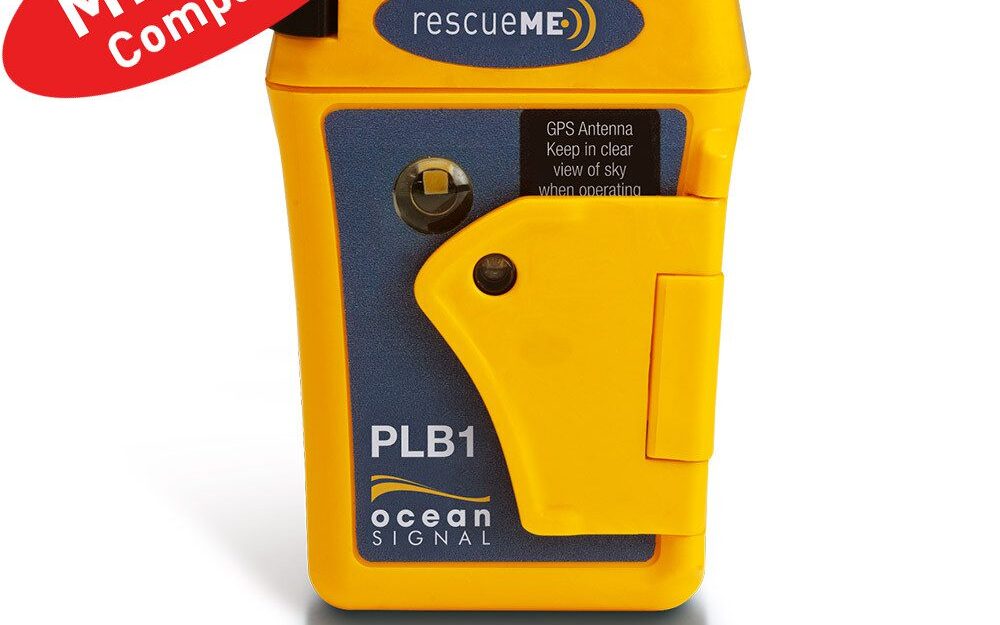
A headlamp has an obvious purpose after dark. Navigation tools become more important when routes are less familiar. Communication equipment deserves more consideration when mobile coverage cannot be relied on.
The same applies to first aid.
A useful safety kit should suit the group, activities and environment. Carrying equipment without understanding its purpose adds weight without necessarily improving preparedness.
Safety equipment works best when people know how to use it.
Test Your Camping Gear Setup Before the Trip
Planning can make a camp kit look organised on paper.
Packing it reveals whether it actually works.
Lay out everything you expect to take:
- shelter
- sleeping equipment
- cooking gear
- water storage
- food
- clothing
- lighting
- safety equipment
Then ask:
- What problem does each item solve?
- Is another item already doing the same job?
- Does this item require another accessory, fuel source or product to work?
- Does everything fit the vehicle, storage space or hiking pack?
- Is the weight realistic for the people carrying it?
- What genuinely needs a backup?
This process often reveals unnecessary purchases.
You may discover duplicate items, equipment that is too bulky or products that only work when combined with something else you have not packed.
The pack test turns individual buying decisions into one complete system.
Build Your Camp Kit in the Right Order
The easiest way to avoid unnecessary purchases is to solve problems in order.
Start with the trip:
- destination
- duration
- conditions
- number of people
- transport method
Then build the essential systems:
- Choose shelter that suits the environment.
- Create a sleeping system that matches expected conditions.
- Select cooking equipment based on the meals you plan to prepare.
- Build a water strategy around access and storage requirements.
- Add safety equipment based on the environment and level of remoteness.
- Review how everything packs and travels together.
This approach prevents smaller decisions from controlling the entire setup.
A stove does not need to decide your menu because it was purchased first. A large tent does not need to dictate your storage space because it looked comfortable in the shop. A hiking pack does not need to carry an oversized sleep system chosen without considering packed volume.
Start with the trip.
Then choose the equipment that supports it.
Choose Camping Equipment That Fits the Whole Setup
Camping gear becomes easier to compare once every item has a clear purpose.
A beginner does not need to understand every tent material, stove design or mattress technology before making progress.
The first step is understanding what the trip requires.
Families can use this approach to avoid filling a vehicle with equipment they do not need.
Hikers can use it to control weight and packed volume before problems appear on the trail.
Our Camp & Hike range brings together shelter, sleeping systems, packs, camp kitchen equipment, hydration, navigation, lighting and other outdoor camping gear.
Our broader Product Range can also help if the trip includes other outdoor categories.
If you already own camping equipment, start by reviewing what you have.
Identify:
- what problems are already solved
- where genuine gaps exist
- which purchases will improve the complete setup
If you need help narrowing your options, contact Offtrack with details about your trip and how your gear needs to travel.
Camping Gear Setup FAQs
What camping gear does a beginner actually need?
A beginner camp kit should cover the main functions every trip requires: shelter, sleeping, cooking, water and safety.
The exact equipment depends on where you are going, the conditions you expect and whether the gear will travel by vehicle or on foot.
What camping equipment should I buy first?
Start with the trip rather than individual products.
Choose shelter and sleeping equipment first because they usually have the biggest impact on comfort, space and weight. Then plan cooking, water and safety equipment around the same requirements.
How do I avoid buying unnecessary camping gear?
Give every item a purpose.
If you cannot explain what problem an item solves for your planned trip, it may not belong in the first version of your camp kit.
Equipment can always be added later when a real need becomes clear.
Does expensive camping gear always perform better?
Not necessarily.
Different equipment costs more because of factors such as materials, construction, weight or features.
The best choice is the equipment that suits your specific trip rather than simply choosing the most expensive option.
How do I know whether my camping equipment works together?
Look at the connections between items.
Your sleeping bag and mat should suit the conditions you expect. A stove, fuel and cookware setup should work together as a practical cooking system. Water storage should match the availability of water along your route.
The complete setup matters more than individual products.
What changes when moving from car camping to hiking?
Weight and packed volume become much more important.
Equipment that works well beside a vehicle may become impractical when everything needs to fit into a hiking pack.
The basic camping functions remain the same, but the equipment used to achieve them usually becomes more compact.
A Better Camp Kit Creates Fewer Surprises
A useful camping gear setup is built around relationships.
The shelter suits the trip. The sleeping system suits the conditions. The kitchen suits the food. The water system suits availability. The safety equipment suits the environment. Everything fits the way it needs to travel.
That is a more useful goal than owning every item that appears on a camping essentials checklist.
Start with the trip, build the system and identify the genuine gaps.
Then browse our Camp & Hike range for camping equipment that fits the way you actually camp.
If you want another perspective before purchasing, contact us with your trip details and we can help you narrow down the setup.