Before You Fill the Trolley, Get These Camping Gear Decisions Right
A first camping trip has a way of making every piece of outdoor equipment look essential.
You start with a tent. Then you notice the lanterns. Tent repair gear is nearby. Somebody mentions a sleeping mat. There are first aid kits, water containers, camp furniture, cooking systems and dozens of smaller accessories that suddenly seem difficult to leave behind.
A better approach is to shop by category rather than trying to build a perfect campsite in one go.
Start with shelter, sleep, lighting, food, water, weather protection and basic emergency preparation. These are the areas most likely to affect how smoothly the trip goes. Smaller convenience purchases become easier to judge once you have spent a night or two outdoors.
Conditions, group size, intended use and budget all influence what makes sense. There is no single shopping list that suits every Australian campsite.
Shelter Is the First Category We’d Sort Out
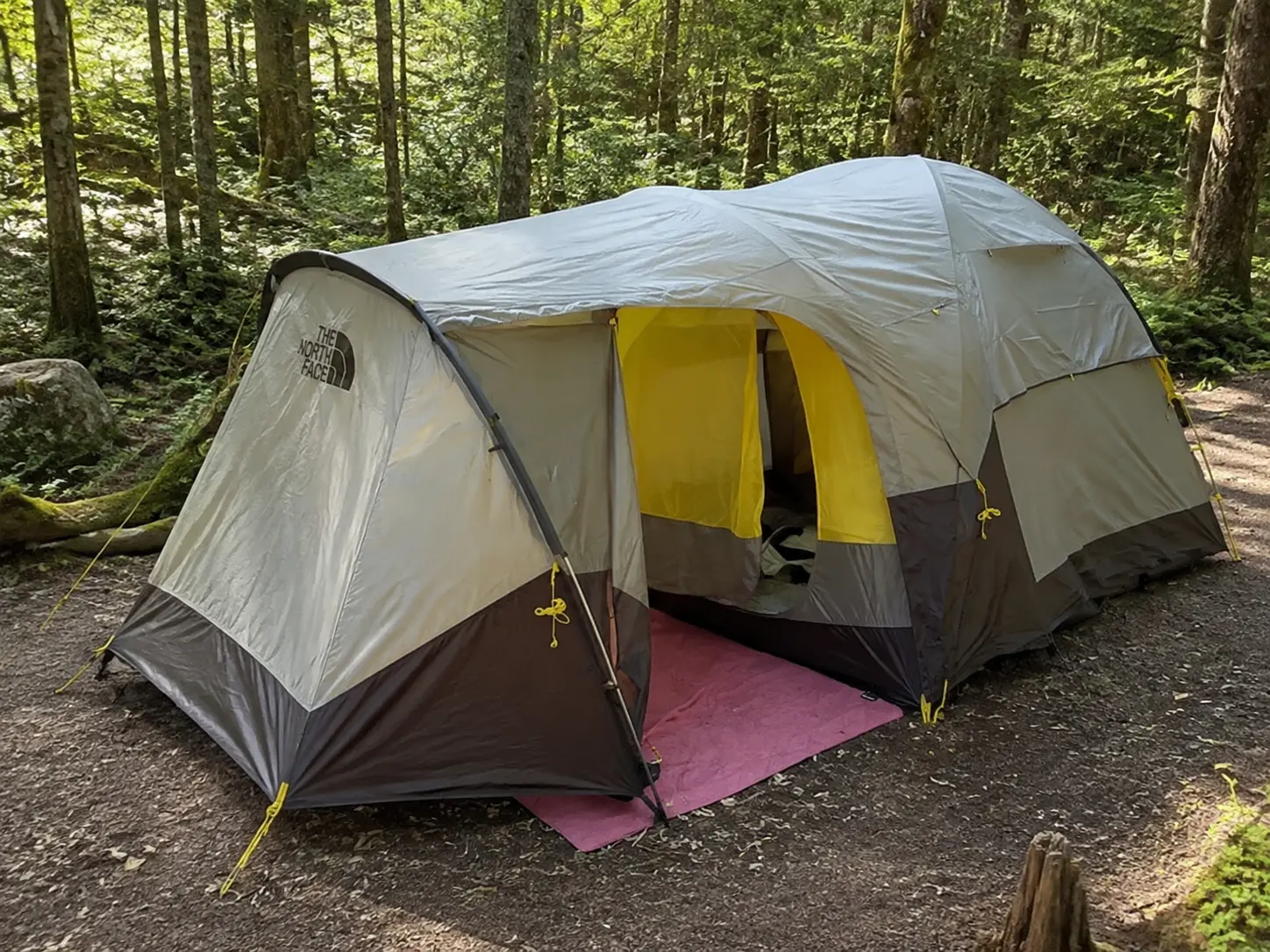
A tent needs to do more than technically fit the number of people printed on the bag.
Think about who will sleep inside, how much equipment needs to come in with you, how much space you want between sleeping mats and what sort of weather you expect.
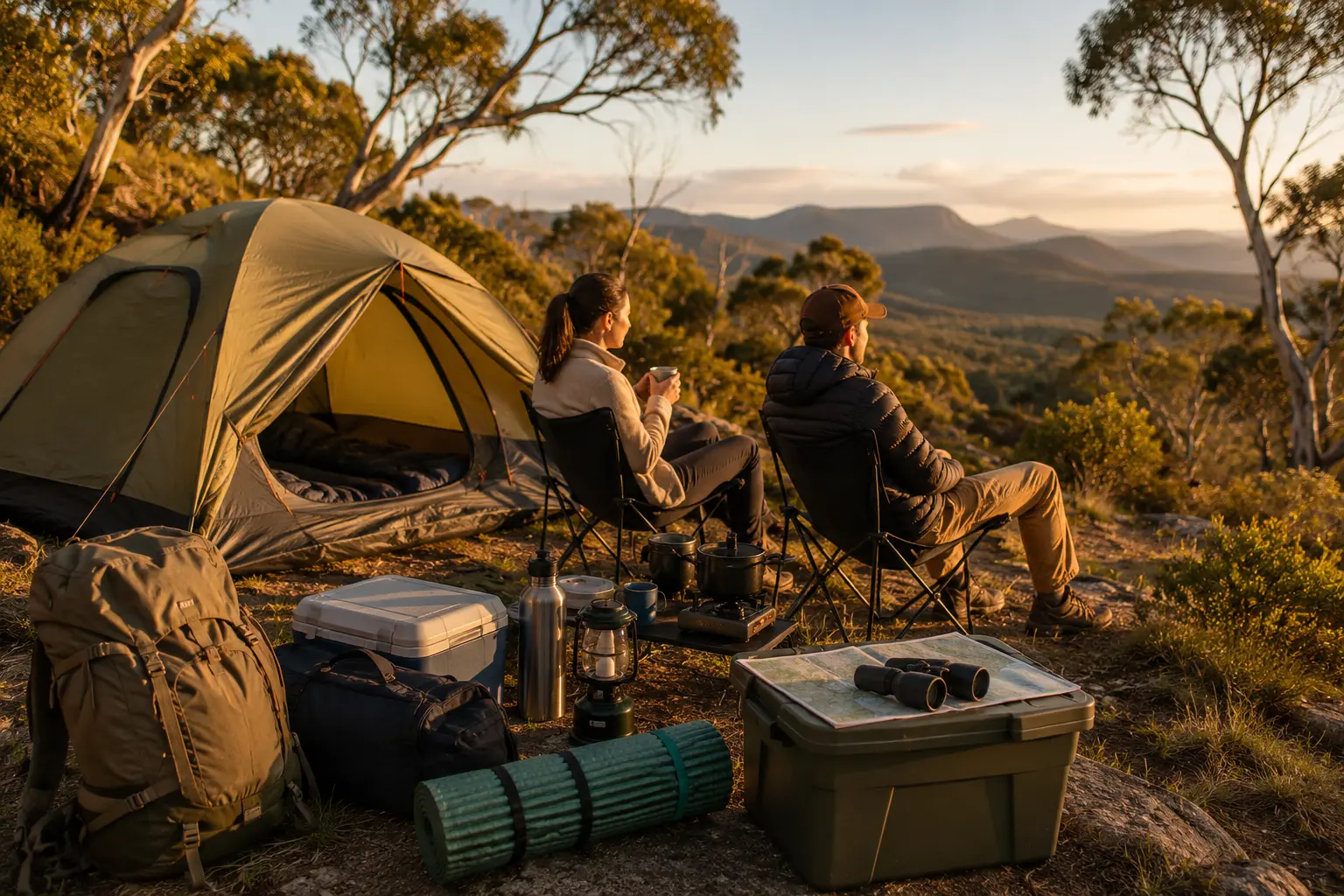
A couple camping beside the car has different priorities from someone carrying equipment into a campsite. A family may place more value on standing room, ventilation and usable floor space. A smaller group travelling light may care more about packed dimensions.
Choose a Tent for the Trips You Are Likely to Take
Start with the kind of camping already planned.
If most trips involve established campgrounds and vehicle access, weight may sit fairly low on the priority list. Space, ease of pitching and liveability may deserve more attention.
A tent that needs to travel on foot shifts the balance towards packed weight and volume.
Season and expected conditions also deserve attention. Choose your tent according to how and where you expect to camp rather than assuming one style suits every trip.
Buying around real trips also reduces the temptation to pay for specialised features that may never leave the cupboard.
Check the Tent Poles Before the Campsite Does It for You
Tent poles rarely receive much attention during the buying process, yet a missing pole section can stop a shelter from going up altogether.
Set the tent up at home before its first trip.
That simple rehearsal confirms that you understand the pitching sequence and gives you a chance to check the tent poles, pegs, guylines and other components while there is still time to solve a problem.
It is also worth understanding which repair items are suitable for your tent. A small repair problem at home is an inconvenience. The same problem after sunset at a campsite can become the main event of the evening.
Keep all shelter components together after each trip so the next departure does not begin with a hunt through the garage.
A Good Sleep Setup Can Decide Whether There’s a Second Camping Trip
Beginners often put most of their attention into the tent and treat the sleeping bag as the next item on the list.
There is another part underneath you.
A sleeping mat adds comfort and helps insulate the sleeper from the ground. A thick sleeping bag alone does not remove the need to think about what sits beneath it.
Match the Sleeping Bag and Mat to the Conditions
Start with expected overnight temperatures and the person using the equipment.
Some people sleep warmer than others. Children may have different requirements from adults. The same family may also need different sleep systems for summer camping and colder trips.
Insulation type is another buying decision. Down can provide an excellent warmth-to-weight ratio and packs down efficiently. Synthetic insulation can suit damp conditions and different budget requirements.
Neither insulation type is universally better. The right choice depends on expected conditions, packed size, budget and how the gear will be used.
Sleeping mats vary considerably too. Comfort, insulation, durability, packed size and the amount of setup required can all influence the choice.
If the budget is limited, give the sleep system real attention before filling the campsite with furniture. Being slightly under-furnished is manageable. A night spent cold and uncomfortable tends to be remembered.
Lighting Is Cheap to Forget and Miserable to Be Without
Daylight hides a surprising number of campsite problems.
Tent zips become harder to find. Cooking takes more concentration. Shoes disappear. Trips to campsite facilities become less straightforward. Finding something in the car turns into a search by touch.
Good camping lighting fixes a lot of small problems at once.
Start With a Head Torch, Then Decide How Much Camp Lighting You Need
A head torch is useful because it keeps both hands available. That makes it practical for pitching, cooking, carrying equipment and moving around after dark.
A lantern performs a different job. It can provide broader light around a tent, table or shared campsite area.
A handheld torch may suit other tasks and can provide another light source depending on the trip.
Carrying more than one light source can also give you a backup if a battery runs flat or a light fails.
Test Every Light Before You Leave
Charge rechargeable lights and check batteries before departure.
Learn how the controls work too. Several lighting modes are useful only if you can find the one you want in the dark.
Pack lights somewhere accessible rather than burying them underneath the tent, food and sleeping gear.
A head torch sitting at the bottom of a fully packed boot is technically present. It is considerably less helpful after dark.
Your First Aid Kit Should Match the Trip
A first aid kit can easily become a box people buy, pack and never examine.
Think about the circumstances around it.
Consider how many people are travelling, how long you will be away, the activities planned and how far you will be from assistance. Personal medications and individual health requirements also need to be accounted for by the people travelling.
The contents should be suitable for the trip and familiar enough that you know what you are carrying.
A large kit filled with supplies nobody understands is a poor substitute for sensible preparation.
Training deserves the same attention. Carrying first aid equipment becomes much more useful when someone in the group has appropriate first aid knowledge for the activities being undertaken.
For remote or higher-risk trips, emergency planning extends beyond a standard first aid kit. Communication, navigation and other emergency equipment may also need to be considered according to the destination and activity.
Camping Accessories Make More Sense After the Essentials Are Covered
Camping accessories are useful when they solve a problem you actually have.
Before buying another piece of gear, ask what job it will perform on the trip. If the answer is unclear, the purchase can probably wait.
Extra storage, specialist cookware, larger furniture, additional lighting and comfort accessories may all earn a place later.
Your first few trips will usually show you where the real gaps are.
Perhaps you needed more preparation space. Maybe one light was not enough around the cooking area. Storage could have become chaotic by the second morning.
Those problems give your next purchase a clear purpose.
Cheap Camping Gear Costs More if You Buy the Wrong Thing Twice
Price matters to almost every new camper.
The answer is not necessarily to buy the most expensive version of everything. A sensible camping setup directs more of the budget towards equipment where suitability and reliability have a real effect on the trip.
Shelter deserves careful selection. So does the sleep system. Lighting and safety equipment need to be fit for purpose.
Other categories provide more room to begin simply.
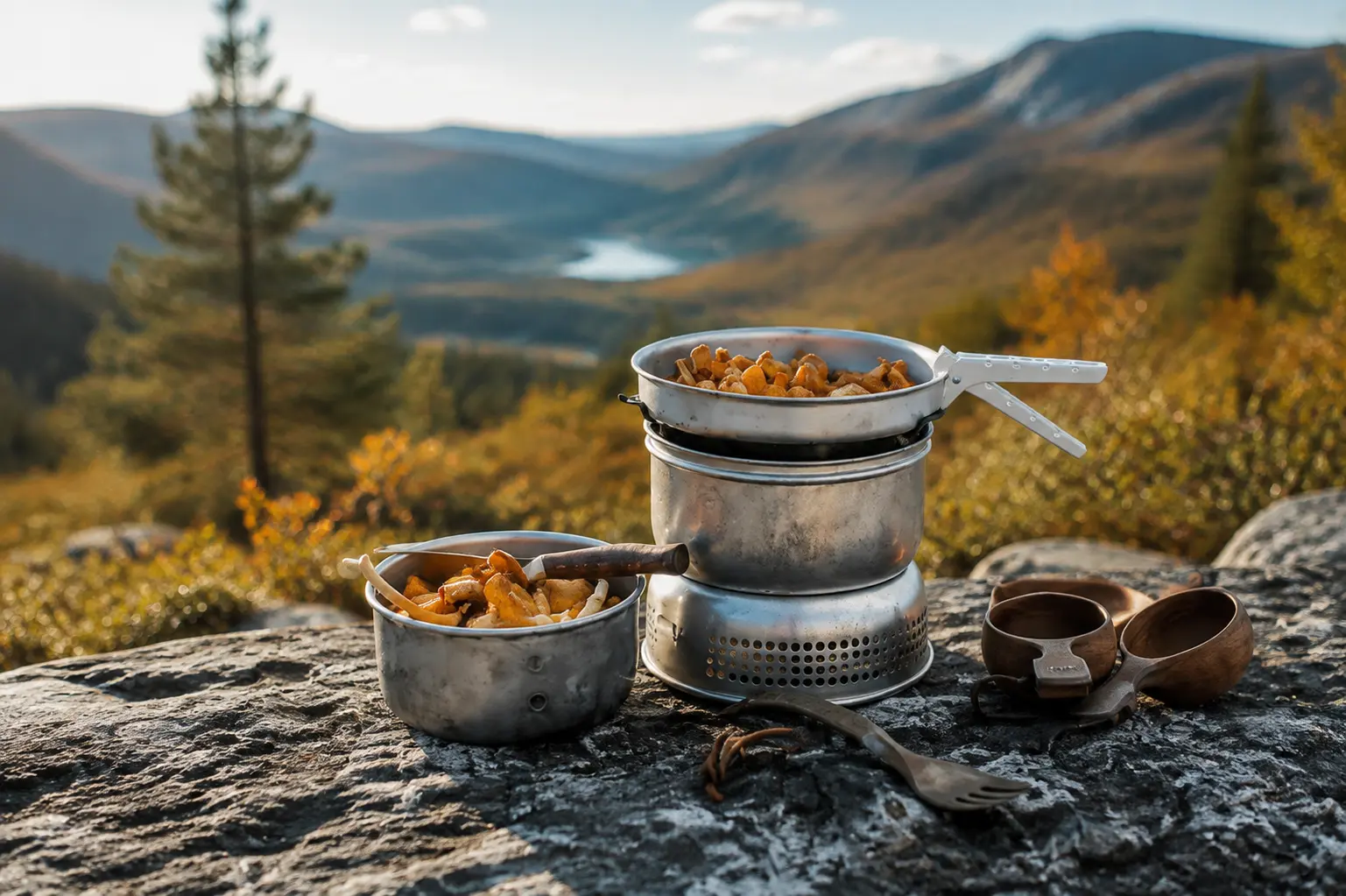
A basic camp chair may be perfectly adequate. A simple cooking setup may handle everything you plan to eat. Storage tubs from home might do the job while you learn how your campsite operates.
Look at value through the likely use of the product.
Buying inexpensive equipment can make complete sense if it suits the conditions and frequency of use. Problems start when the lowest price leads you towards a product that was never suited to the job.
Replacing the wrong purchase is where the budget starts disappearing.
Use This Five-Category Check Before Your First Camping Trip
Before leaving, run through five areas rather than trying to remember dozens of individual products.
| Category | What to cover | What to think about |
| Shelter | Tent, poles, pegs, guylines and required ground protection or repair items | Group size, campsite access, space and expected conditions |
| Sleep | Sleeping bags, sleeping mats and overnight comfort essentials | Temperature, fit, insulation, packed size and comfort |
| Lighting | Personal lighting, campsite lighting and suitable batteries or backup power | Hands-free use, shared lighting and accessibility after dark |
| Safety | First aid, personal medication, navigation and emergency equipment | Group needs, activities, trip duration and distance from assistance |
| Camp basics | Water, food preparation, weather protection and everyday campsite equipment | What the chosen campsite and planned trip actually require |
This is a starting framework rather than a universal packing list.
A powered holiday park, remote bush campsite and walk-in campground can require very different equipment. Check the specific campsite, weather forecast, local regulations and activity requirements before leaving.
Still Not Sure What Belongs in Your Camping Kit? Start Here
What camping gear do I really need for my first trip?
Start with shelter, a suitable sleep system, lighting, water, food preparation, weather protection and first aid or emergency equipment appropriate to the trip.
Build the rest around the campsite, expected conditions and the people travelling. A first trip rarely requires every camping accessory available.
What should I check on my tent before leaving home?
Pitch it completely before the trip.
Check the tent body, fly, tent poles, pole connections, pegs, guylines, zips and any groundsheet or footprint you intend to use.
Packing the tent after a successful practice pitch also confirms that every component has gone back into the bag.
Do I need both a head torch and a camping lantern?
They perform different jobs.
A head torch provides hands-free personal lighting, while a lantern can illuminate a shared area around the tent or camp table.
Your campsite and group size will determine how much additional lighting is useful.
What should I look for in a camping first aid kit?
Choose according to your group, trip duration, location and planned activities.
Check the contents rather than judging a kit by size alone, and make sure supplies are within their usable dates and appropriate for the trip.
First aid knowledge can be just as valuable as the equipment itself.
Is cheap camping gear a bad choice for beginners?
No. Lower-priced gear can be suitable for the right use.
The better question is whether the product is appropriate for the conditions, expected frequency of use and job it needs to perform.
Get the First Five Categories Right and Build From There
Your first camping setup does not need to look finished.
Get the shelter sorted. Build a sleep system that suits the conditions. Make sure you can see after dark. Prepare for basic safety and emergency needs. Cover water, food and weather protection.
Then go camping.
The first trip will teach you more about your next purchase than a giant generic equipment list ever could. You will discover which parts of the setup work, where the frustration sits and which camping accessories would genuinely improve the next trip.
If you are starting from scratch, browse our Camp & Hike range and work through the categories you still need to cover. Our Emergency & Safety and Lighting ranges can help fill two areas that are easy to overlook.
If the choices still feel too broad, contact us and tell us about the trip you are planning. We can help you narrow the options around where you are going, what you are doing and what you already have.