Buying a tent sounds simple until you start comparing the options. Two person, three season, four season, ultralight, freestanding, hiking or family tents can all look appealing for different reasons.
That is where overbuying often starts.
Most people do not spend too much because they want the most expensive tent. They spend too much because they buy for extreme trips they may never take, rather than the camping they do regularly.
The right tent should match four things:
- where you usually camp
- how many people and how much gear it must hold
- the conditions you expect
- how far you need to carry it
Get those decisions right, and you can avoid paying for unnecessary space, weight savings or weather protection.
Start with the type of camping you actually do
Before comparing tent models, decide how you will use the tent most often.
A tent carried a few metres from the car to a campground does not need to meet the same requirements as one carried for several hours on a hiking trail.
For drive in camping, extra space, easier setup and comfort may matter more than packed weight. For overnight or multi day walks, weight and packed size become much more important.
Think about your regular trips, not occasional possibilities.
Common camping styles include:
- drive in campground trips
- family holidays
- school and group camps
- short overnight hikes
- multi day walks
- alpine or exposed camping
A tent can be well designed and still be wrong for your needs. Start with the job it must do, then compare the products that suit that job.
Choose the right tent capacity
Tent capacity ratings tell you how many people can sleep inside. They do not always reflect how comfortable the tent will feel once you add packs, boots, wet clothing and poor weather.
When a two person tent is enough
A two person tent may work well for:
- two campers who are comfortable with a compact sleeping area
- one camper who wants extra room
- shorter hiking trips where lower weight matters
- campers who can store most equipment in a vestibule
Check the floor dimensions rather than relying only on the capacity label. Two tents with the same rating can provide very different amounts of usable space.
When sizing up makes sense
A three person tent may be worth considering for two campers when:
- you want to keep some gear inside
- you use wider sleeping mats
- you expect to spend time inside during poor weather
- comfort matters more than minimising weight
- you camp with a child or dog
Sizing up does not automatically mean overbuying. It becomes unnecessary only when the extra room creates cost, weight or bulk without improving your trips.
Vestibules also matter. A well designed vestibule can keep wet boots and packs outside the sleeping area without leaving them exposed.
Three season or four season tent?
A well chosen three season tent generally offers the balance needed for common campground and hiking trips:
- rain protection
- useful ventilation
- manageable packed weight
- practical setup
- enough structure for typical conditions
According to the Australian Bureau of Meteorology, regular snowfall is largely confined to Australia’s alpine regions and Tasmania’s highest elevations during winter. As a result, most campers are unlikely to encounter the prolonged snow loading and severe winter conditions that typically require a four-season tent.
The exact level of protection varies between models. Check the tent’s materials, pole structure, fly coverage, ventilation and intended use rather than assuming every tent with the same season rating performs equally.
What most Australian campers need
A well chosen three season tent generally offers the balance needed for common campground and hiking trips:
- rain protection
- useful ventilation
- manageable packed weight
- practical setup
- enough structure for typical conditions
The exact level of protection varies between models. Check the tent’s materials, pole structure, fly coverage, ventilation and intended use rather than assuming every tent with the same season rating performs equally.
When a four season tent is justified
A four season tent earns its place when you regularly camp in demanding conditions, such as:
- exposed alpine areas
- cold high country environments
- strong wind
- snow
- severe or rapidly changing weather
These tents usually prioritise structural strength and protection. That can mean more weight, greater cost and less airflow in mild conditions.
Do not buy a four season tent for a rare worst case scenario unless you genuinely expect to use it in those conditions.
How much should your tent weigh?
Tent weight matters most when you have to carry it.
For drive in camping, a heavier tent may be a sensible trade off for more room, stronger materials and easier living. For hiking, every item contributes to the total pack load.
When comparing hiking tents, look at the full packed weight rather than the lightest advertised figure. Some manufacturers separate the tent body, fly, poles, pegs, bags and accessories.
When an ultralight tent is worth the cost
An ultralight tent can be valuable when you:
- hike long distances
- camp regularly
- carry all your equipment
- want to reduce overall pack weight
- understand the compromises of lighter materials
Saving weight can improve comfort and make room for food, water or safety equipment.
When ultralight is unnecessary
For drive in camping or occasional short trips, an ultralight tent may not offer enough practical benefit to justify its price.
Lower weight often comes with compromises, such as:
- higher cost
- less interior space
- lighter fabrics
- fewer features
- more careful handling
- a more specialised setup
That does not make ultralight tents a poor choice. It means their value depends on whether weight genuinely affects your camping.
Compare the features that affect real world use
Model names and reputation can help narrow the field, but they should not decide the purchase.
Compare tents using the features that affect your experience.
Packed size
A compact tent is easier to fit inside a hiking pack or smaller vehicle. Check the packed dimensions as well as the weight.
Floor space
Compare the actual length and width. Consider your height, sleeping mat width and the number of people sharing the tent.
Headroom
Peak height does not tell the whole story. Pole shape and wall angle affect how much of the interior feels usable.
Vestibule storage
A useful vestibule gives you somewhere to keep packs, footwear and wet equipment outside the sleeping area.
Doors
Two doors can make a shared tent more convenient because each camper can enter and leave without climbing over the other.
Ventilation
Good airflow can reduce condensation and make the tent more comfortable in warm or humid conditions.
Setup method
Some tents are easier to pitch alone or in poor weather. Consider pole design, clips, sleeves and whether the inner tent may become exposed during setup.
Freestanding or non freestanding design
Freestanding tents hold their basic shape without relying heavily on stakes. They are often easier to reposition.
Non freestanding tents may save weight but usually depend more on correct staking and suitable ground.
Repair and replacement support
Check whether replacement poles, sections, pegs or other components are available. This matters more if you expect to use the tent frequently.
A quick tent guide by camping style
| Camping style | Most important priorities | Suitable starting point |
| Drive in campground camping | Space, comfort and simple setup | Roomier freestanding tent |
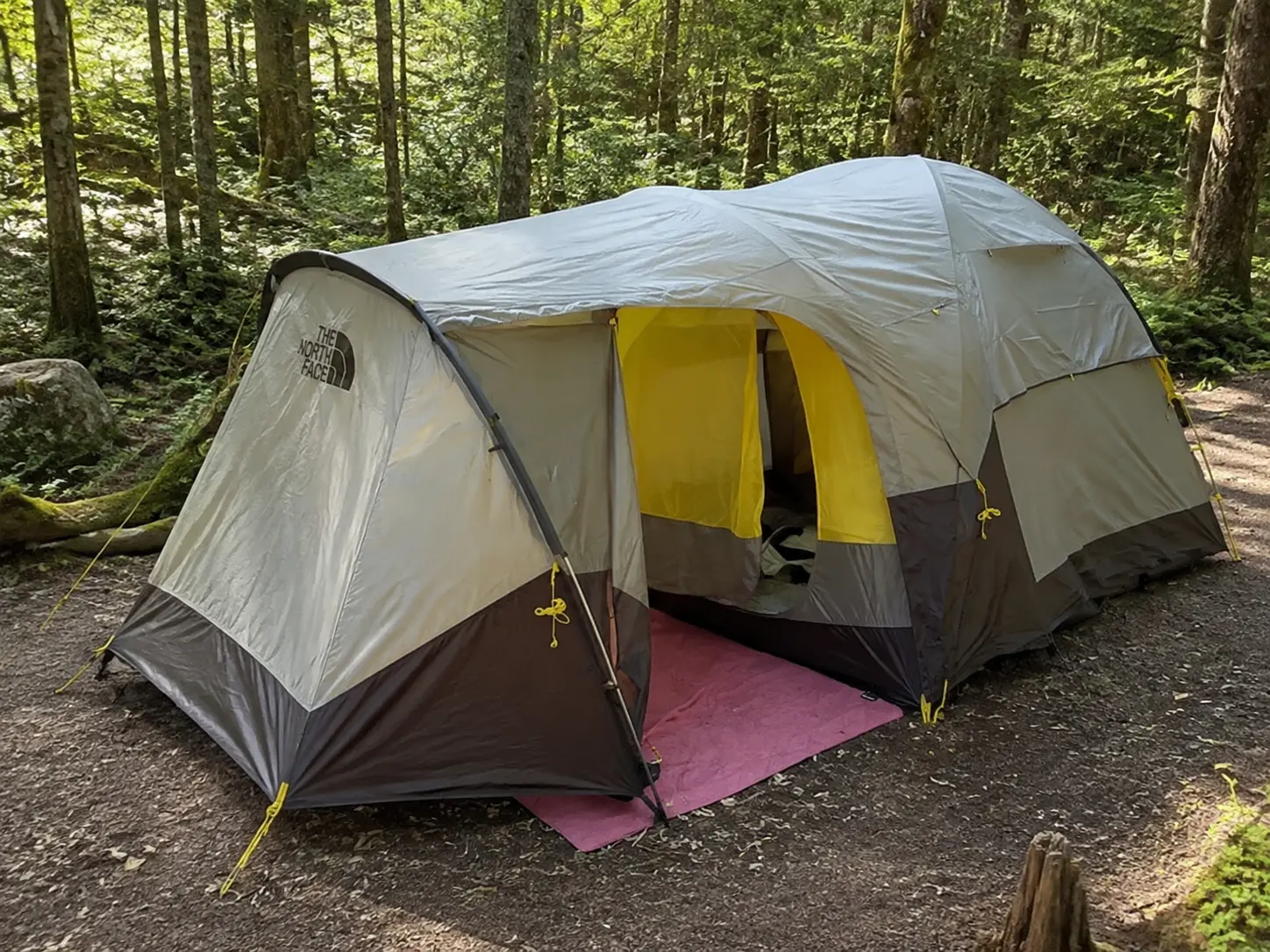
| Family or group camping | Capacity, multiple rooms and liveability | Family or multi room tent |
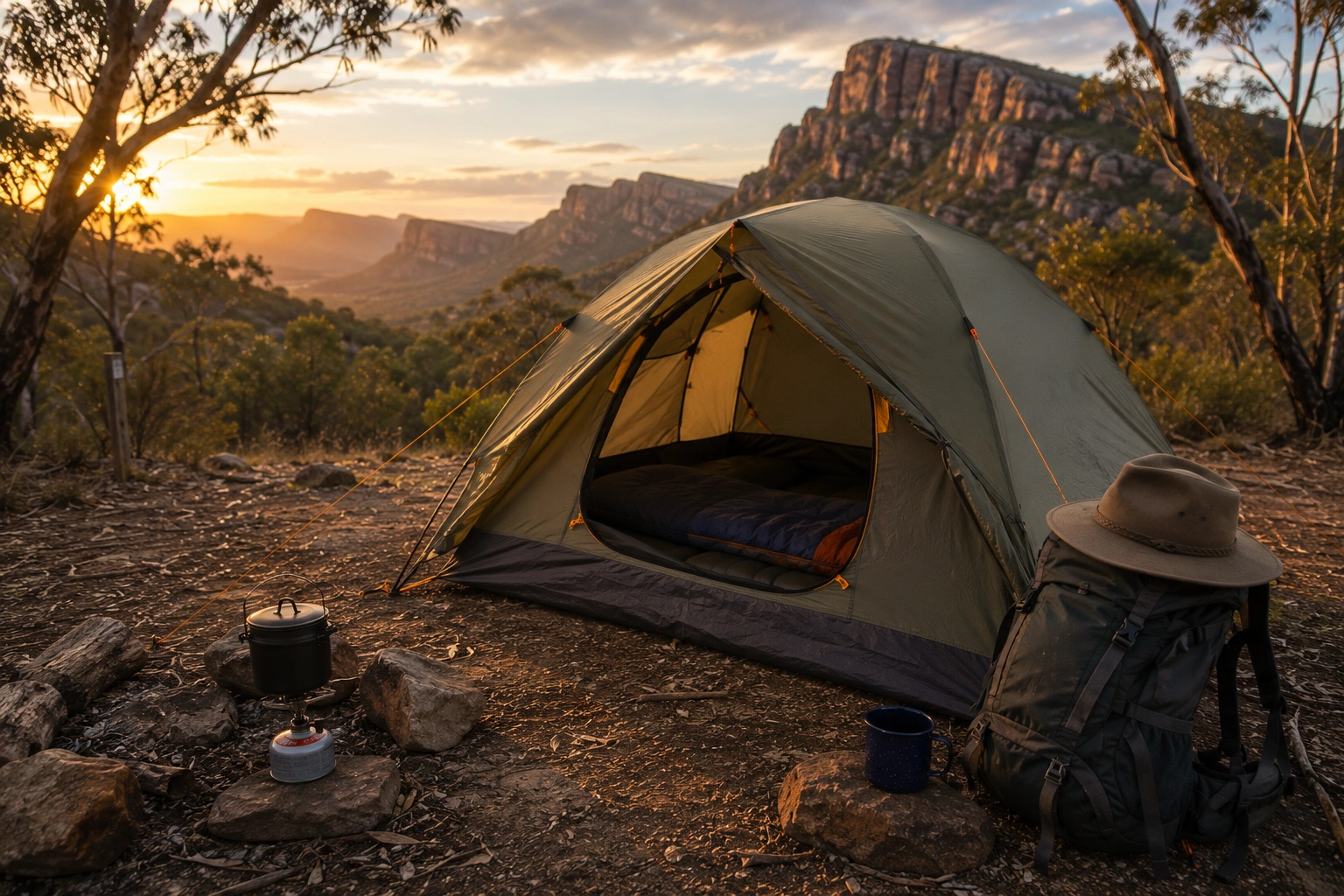
| Short overnight hiking | Moderate weight and practical space | Lightweight hiking tent |
| Multi day hiking | Low packed weight and compact size | Backpacking or ultralight tent |
| Mixed camping and hiking | Balance of space, weight and durability | Versatile two or three person tent |
| Alpine or exposed camping | Structure and weather protection | Purpose built tent for demanding conditions |
Use this table as a starting point, not a substitute for checking individual product specifications.
Four questions that settle most tent decisions
Where will you camp most often?
A sheltered campground, coastal site, forest walk and exposed alpine route place different demands on a tent.
Be realistic about the conditions you regularly encounter.
How many people and how much gear must fit?
Think beyond sleeping capacity. Consider packs, boots, clothing, sleeping mats, pets and the amount of personal space you want.
How far will you carry it?
This often decides whether packed weight is a major buying factor or a minor one.
How often will you use it?
Frequent use may justify spending more for better materials, lower weight or a more practical layout. Occasional campers may get better value from a simpler design.
Compare tent models by function, not reputation
Specific tent models can be useful reference points, but they should not distract you from the main decision.
When comparing a Denali two person tent, a Mont Moondance 2 or any similar model, check the verified specifications against your own needs.
Compare:
- total packed weight
- packed dimensions
- floor measurements
- vestibule space
- number of doors
- ventilation
- weather protection
- intended season and environment
- setup method
- warranty and repair support
A respected tent is still the wrong purchase if it is too heavy, too cramped or designed for conditions you rarely face.
Avoid choosing by model reputation alone. Choose the tent that fits the trips you take.
Buy for regular use, not imagined extremes
The best tent is not the one with the longest feature list. It is the one that performs the job you need without adding unnecessary cost, weight or bulk.
Choose a roomier tent when comfort and drive in access matter most.
Choose a lighter tent when you regularly carry your shelter over distance.
Choose greater weather protection when demanding conditions are a normal part of your camping, not a remote possibility.
Overbuying is not simply spending too much. It is paying for performance you are unlikely to use.
Browse our Tents & Shelter range to compare options by group size, camping style, expected conditions and packed weight. For help choosing between general camping tents, lightweight hiking shelters and tents for more demanding environments, contact our team for practical product advice.
Common questions about choosing a tent
How big should a tent be for two people?
A two person tent may be enough for two sleepers, but it can feel tight once you add equipment. Consider sizing up when comfort, wider sleeping mats or indoor storage matter more than minimising weight.
Do I need a four season tent in Australia?
Not necessarily. Many Australian campers will be better served by a suitable three season tent. A four season design is more appropriate for regular alpine, exposed, snowy or severe weather use.
Is an ultralight tent worth it for casual camping?
Usually not unless packed weight affects your trip. For drive in or occasional camping, a roomier or more durable tent may provide better value.
How much tent weight is too much for hiking?
There is no single ideal figure. It depends on the distance, group size, total pack load and protection the tent provides. Shared tents can also be divided between campers.
What should I look for in a first camping tent?
Start with your usual trip type, group size, expected conditions and carrying distance. Then compare floor space, weather protection, ventilation, setup and packed weight.