Out in the red heart of the country, style means very little and reliability means everything. When a trip demands hauling ten litres of water across shimmering salt pans or endless spinifex flats, many modern packs start to feel like toys. This is where the old-school external-frame pack steps back into the spotlight. Once considered relics of a bygone hiking era, these metal-skeleton workhorses are earning renewed respect among serious desert travellers.
External frames were born for heavy, awkward loads. Before ultralight trends arrived, explorers, stockmen, and survey crews trusted them to move fuel drums, radio batteries, and jerry cans across landscapes where help was days away. The design may look vintage, but its strengths remain brutally relevant for remote desert trips today.
Built for Brutal Weight
Water is the tyrant of desert travel. Every litre weighs a kilogram, and multi-day routes quickly demand more than the average internal-frame pack can comfortably manage. This is especially true in Australia, where deserts cover approximately 18% of the mainland, according to Geoscience Australia. These vast, remote environments demand careful planning and the ability to carry large volumes of water safely across long distances.
Instead of collapsing around the load, the frame carries it like a miniature backpacking ute. The difference becomes obvious after the first hour on the track when shoulders remain relaxed and hips do the honest work.
A Design with Purpose
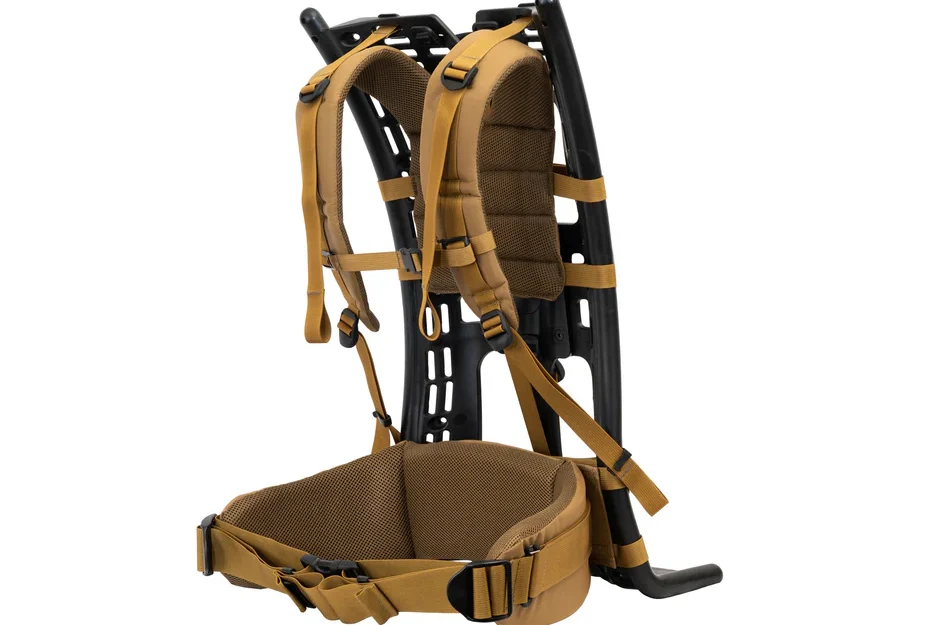
The classic external frame consists of an aluminium ladder supporting a simple bag. This separation between frame and fabric creates space for air circulation and allows unusual items to be strapped directly to the structure. Jerry cans, camera cases, or bulky food boxes can ride securely without distorting the pack.
In the desert, where every item must earn its place, this adaptability is gold. You are not limited to what fits neatly inside a sack; you can haul what the journey truly requires.
Cooling in the Furnace
Anyone who has walked through a desert afternoon knows the value of airflow. Internal packs often press against the back like hot blankets, trapping sweat and grit. External frames hold the bag away from the body, letting precious breezes do their job.
That gap may look small, yet it can mean the difference between a tolerable day and a miserable slog. Experienced expeditioners value comfort that keeps morale alive when the horizon refuses to move.
Stability for Long Straight Miles
Desert tracks rarely offer the twisting terrain that favours close-hugging internal designs. Instead, they present long, steady kilometres where rhythm matters more than agility. External frames excel here, holding loads upright and predictable.
The pack feels like a steady companion rather than a wriggling monkey. When carrying heavy water caches between distant bores, that predictability saves energy and tempers frustration.
Carrying the Awkward Stuff
Remote trips involve gear that refuses to be tidy: solar panels, spare vehicle parts, fencing wire, or camera tripods. External frames welcome these shapes. With a few straps you can lash almost anything to the skeleton.
Old hands tell stories of hauling goat carcasses, fuel bottles, and even small foldable kayaks on such frames. The design invites creativity instead of fighting it.
Durability You Can Trust
Simplicity breeds toughness. An external frame has little to break beyond bolts and webbing that can be repaired with basic tools. In places where replacement gear is hundreds of kilometres away, that matters.
Scrub, sand, and heat punish fabrics, yet the metal core continues doing its job. Many classic frames have outlived several bags and owners, a testament to honest engineering.
The Nostalgia Factor
There is something undeniably romantic about walking into the desert wearing the same style of pack carried by early surveyors and drovers. The creak of aluminium and the rattle of carabiners connect today’s adventurers with decades of outback history.
But nostalgia alone would not keep these packs relevant. Their revival is driven by performance, not fashion.
Setting Up for Desert Loads
To make the most of an external frame, weight should ride high and centred. Water containers belong close to the spine, while lighter items fill the lower bag. Straps must be snug enough to prevent sway yet loose enough to allow natural movement.
Many expeditioners add aftermarket hip belts or shoulder harnesses for modern comfort without sacrificing the frame’s strengths.
Comparing to Internal Frames
Internal packs shine on technical alpine routes where balance and climbing matter. In open deserts, their advantages fade. They struggle with very heavy or rigid items and often trap heat against the back.
External frames may look old-fashioned beside sleek modern designs, but in the environments that demand bulk water and tough gear, they frequently outperform their younger cousins.
Real-World Tales
Veteran walkers recall crossing the Simpson with external frames carrying twelve litres each, plus food for a week. Others describe hauling photography equipment into the Gibson where no vehicle could reach. These journeys would have been far harder with conventional packs.
The common theme is reliability: when everything else felt fragile, the frame kept doing its job.
Choosing the Right Model
Not all external frames are equal. Look for:
- Strong aluminium construction with corrosion resistance
- Adjustable harness systems to suit different torsos
- Multiple lashing points for odd-shaped loads
- Quality hip belts capable of real weight transfer
- Replaceable components for long-term service
A good frame should feel like a tool, not a fashion accessory.
Packing Water Wisely
For desert trips, use purpose-built bladders or jerry cans that can be secured firmly. Balance left and right to prevent strain. Consider carrying some water externally for easy access during the day.
Always plan for more than the itinerary suggests; the frame gives you the capacity to be cautious rather than hopeful.
Maintenance in the Sand
Fine dust creeps into every joint. Rinse frames after trips, check bolts, and lubricate moving parts lightly. Inspect webbing for UV damage and replace worn straps before they fail miles from help.
This straightforward care keeps a pack ready for decades of service.
Embracing the Old School Spirit
Choosing an external-frame pack is a statement of intent. It says the journey values function over trends and preparedness over appearance. Outback expeditioners respect gear that has proven itself in the hardest classrooms on earth.
The design may be decades old, but the desert has not changed, and neither have the demands it places on travellers.
When Mega Loads Call
If your route requires hauling serious water, camera equipment, or bulky scientific gear, an external frame deserves a front-row seat on the shortlist. It will not win beauty contests, but it will carry what needs carrying when the sun is ruthless and distances are long.
Heading into the big dry and need a pack that laughs at heavy water loads?
Find rugged external-frame packs and expedition-grade hauling gear built for real desert journeys at Offtrack.
1. Why are external-frame backpacks better for desert trips?
External-frame backpacks are better for desert trips because they handle heavy water loads more efficiently, improve airflow in hot conditions, and allow awkward items like jerry cans or solar panels to be securely strapped to the frame.
2. How much water can an external-frame pack carry?
An external-frame pack can comfortably carry 10–15 litres of water or more, depending on the harness system and user strength. The rigid frame transfers weight to the hips, making heavy loads more manageable over long distances.
3. Are external-frame backpacks cooler in hot climates?
Yes. External frames create space between the pack and your back, allowing airflow to reduce heat buildup. This ventilation is particularly beneficial during long desert walks in high temperatures.
4. Are external-frame packs outdated compared to internal-frame packs?
Not at all. While internal-frame packs suit technical terrain, external-frame packs excel at carrying heavy, bulky, or rigid loads across open landscapes like deserts where stability and load capacity matter more than agility.
5. What should I look for in a desert-ready external-frame backpack?
Look for strong aluminium construction, a supportive hip belt, adjustable torso fit, multiple lashing points for water containers, and durable components that can withstand heat, sand, and remote conditions.