A smarter head torch setup can completely change your night hiking game. These 10 practical hacks will help you light the way, stay safe and make the most of your gear. Need better lighting? Check out Offtrack’s expert-picked head torches.
Lighting your path, not just your feet
Night hiking offers a different kind of freedom. The air cools, the bush quietens, and even familiar trails feel fresh again. But heading out after dark also brings real challenges. Roots, rocks and poor visibility can turn a simple hike into something far riskier.
This matters because falls are the leading cause of injury-related hospitalisations in Australia, according to the Australian Institute of Health and Welfare. Reduced visibility on uneven ground significantly increases risk, making proper lighting an essential safety tool when hiking after dark.
That’s where your head torch earns its keep. It is more than just a convenience. Used correctly, it becomes a safety essential, helping you move with confidence and keep your hands free for scrambling, map reading or gear adjustments.
Still, most hikers only ever use their torch one way. These ten trail-tested hacks will help you unlock more from your lighting setup, stay safer and enjoy every night walk just a little more.
Light Like a Pro: Beam Tactics for Trail Safety
Choosing and using the right beam settings for your conditions
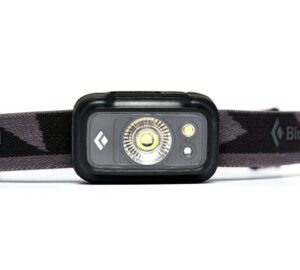
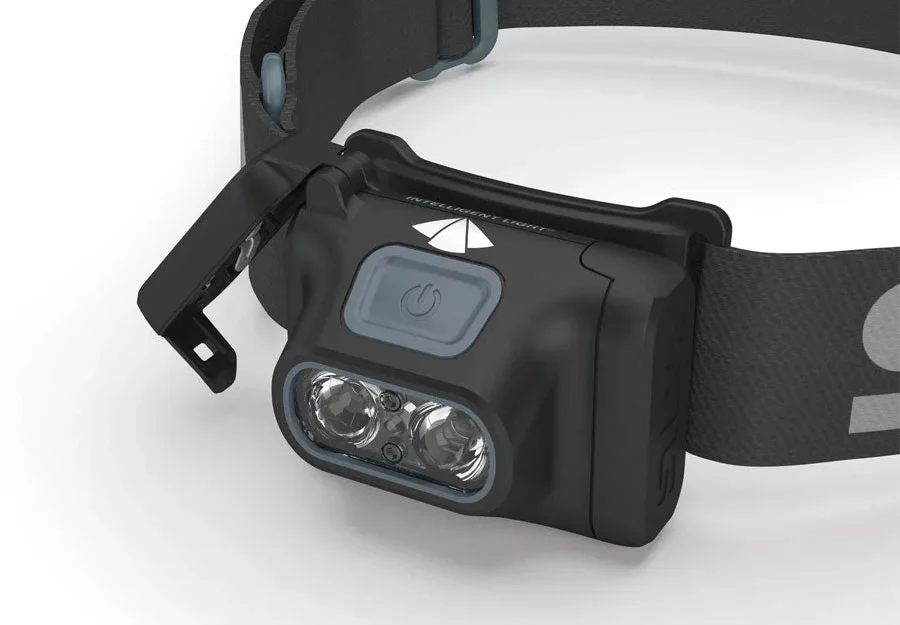
Every decent head torch has more than one beam mode, and each has a purpose. Spot beams are designed for range. They throw a narrow, intense light straight ahead, ideal for scanning trail markers, spotting hazards or planning your next few steps.
Flood beams spread light wide and soft, making them perfect for checking gear, cooking at camp or walking through tree-lined sections where shadows bounce around. Switching between these two modes as conditions change is the key to both safety and efficiency.
Red light mode is your low-impact setting. It helps preserve your night vision and keeps things less disruptive when you’re in a group. Use it for map checks, quick bag grabs or late-night chats. It’s also less likely to spook wildlife if you’re in more remote areas.
Finally, there’s the strobe or flashing mode. While you might rarely use it, it is critical in emergencies. It draws attention fast, especially on open trails or if you’re waiting for help in low-visibility conditions.
Make a habit of adjusting your beam angle depending on the terrain. Aim the light downwards when walking uphill to prevent glare, and lower it again for descents where footing matters most.
Beyond Illumination: Creative Lighting Hacks Every Hiker Should Know
Unexpected ways to use your head torch on the trail
Your head torch is more versatile than it seems. Here are a few creative ways to use it when the sun’s long gone.
Start by rethinking how you wear it. Around your head is great for general movement, but when reading maps or walking in fog, consider holding it at waist height or strapping it to your pack’s shoulder strap. This lowers the beam and creates contrast, making it easier to spot dips, rises and puddles on the trail.
Need ambient light at camp? Wrap your torch around a water bottle or hang it inside your tent using a carabiner. The diffused glow will light the space more evenly than a direct beam.
If hiking in a group, be mindful of where your light’s pointing. Too many people on spot mode can create glare and frustration. Agree as a team to use flood mode during breaks and meals to keep things comfortable.
Want to spot reflective trail markers or animal eyes more easily? Occasionally glance side to side with your beam instead of straight ahead. Reflective materials often catch the light at an angle, not head-on.
Upgrade or Replace? When Your Head Torch Isn’t Cutting It Anymore
Signs it’s time for a new torch and how to choose one
A reliable head torch is the difference between confidence and risk. If yours flickers, dims quickly or slips constantly, it might be time to retire it.
Look for these signs that an upgrade is due. Batteries that drain faster than usual, LED bulbs that no longer shine as brightly, or switches that respond slowly are all common issues with ageing gear. An uncomfortable fit, especially if it causes bounce or pressure on long hikes, is also reason enough to replace it.
When shopping for a new torch, avoid chasing the highest lumens just for the sake of it. For general night hiking, aim for 250 to 400 lumens. If you’re trail running or moving fast through technical ground, you may want more.
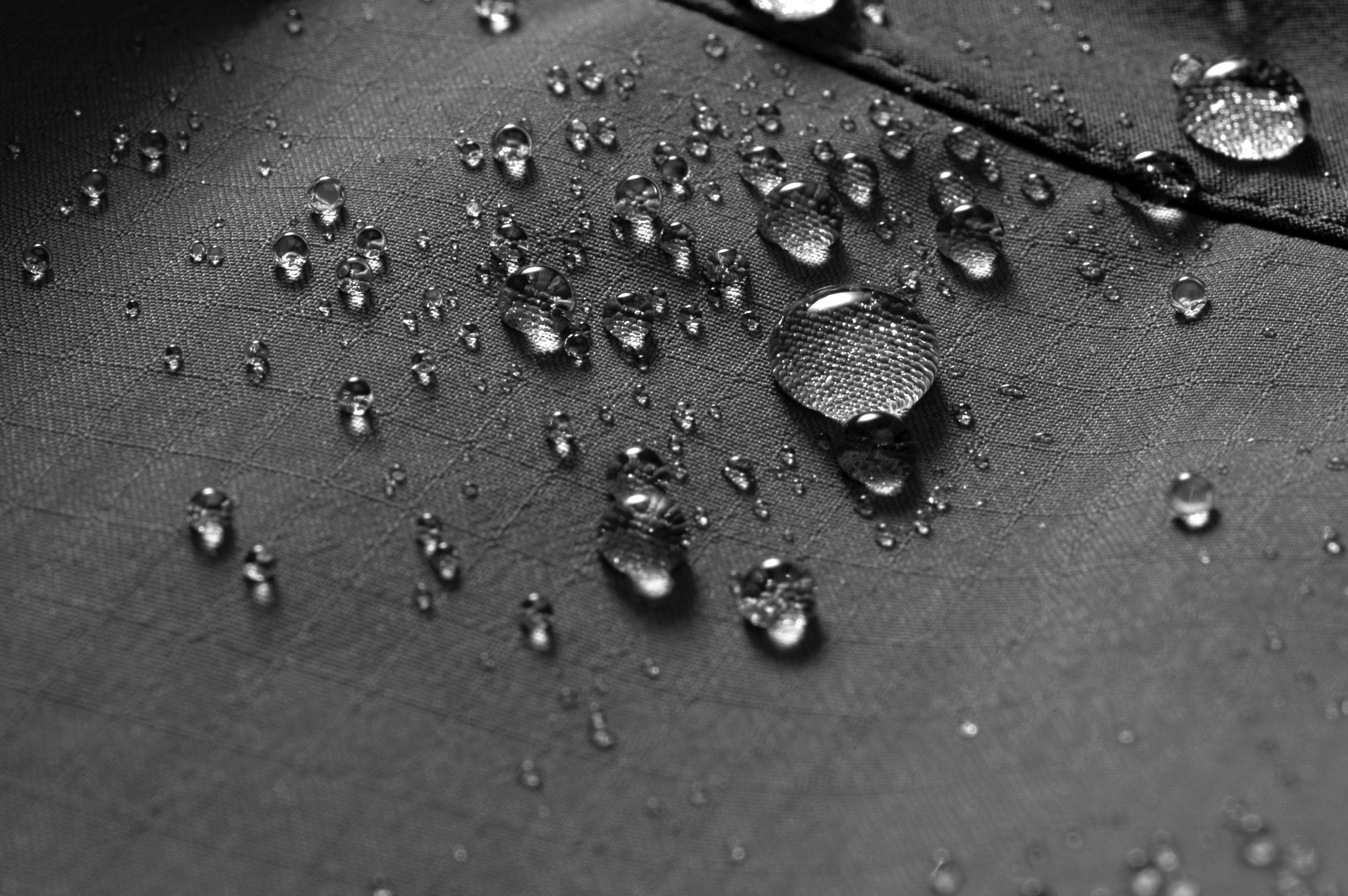
Choose models with both spot and flood functionality, red light options, and waterproof ratings of IPX4 or higher for peace of mind in wet weather. A torch that’s USB rechargeable is a bonus if you’re heading out on multiple-day hikes or using solar kits.
Offtrack’s selection of headlamps and lighting gear is tested in real Aussie conditions, not just lab specs. We prioritise comfort, durability and practical design — so you can trust your light, even in the darkest moments on the trail.
Bright Ideas for Night-Time Trekkers
What’s the best beam mode for night hiking?
Spot mode is great for forward visibility. Use flood for around-camp use and group hiking where wide-angle light is safer and more comfortable.
How do I stop my head torch from bouncing while walking?
Tighten the strap so it sits snug without being uncomfortable. Wearing it over a cap or buff helps reduce slippage and gives added padding.
How often should I replace the batteries or recharge my head torch?
Recharge after every extended hike. For regular outings, once a week is usually enough. Always carry a backup battery or portable charger on overnight hikes.
Trail-Tested Light Starts Here
The best hikes don’t stop when the sun sets. With a solid head torch setup and a few trail-smart tricks, you can move through the dark with clarity, confidence and control.
These hacks aren’t just ideas — they come from real Aussie hikers and Offtrack team members who test gear where it counts, out on the track. Whether you’re upgrading your lighting, refining your night-hiking routine or just heading out for the first time, a little know-how can make every kilometre safer and more enjoyable.
Explore Offtrack’s range of headlamps, chosen for the way Aussies actually hike. Built tough, worn well and ready when the light fades.
Let’s get Offtrack. And this time, bring a better beam with you.