Master creek crossings and summit pushes with lesser known stability techniques the pros use. Learn to hike with confidence, precision and less strain. Ready to level up? Explore Offtrack’s elite hiking accessories to stay one step ahead.
There’s a reason some hikers glide across loose scree or power through icy creek crossings while others struggle or stall. It’s not luck. It’s a series of insider techniques that transform the way you move across the trail. And it starts with understanding how to stay stable when the terrain decides to test your limits. Whether you’re lining up a summit push or sizing up a waist deep river crossing, your balance is your biggest ally. Let’s unpack the subtle powerful moves elite hikers use that rarely make it into guidebooks.
What seasoned hikers do differently when terrain gets tricky
Most hikers focus on the destination. The experts focus on the next step. That shift in mindset changes everything when the ground underfoot becomes unstable.
This matters because bushwalking is one of Australia’s most popular outdoor activities, with around 3 million Australians participating each year, according to national AusPlay data. With so many people tackling uneven trails, creek crossings and exposed terrain, stability techniques are not just advanced skills. They are essential.
Instead of brute force, pros use momentum and micro adjustments. Picture your centre of gravity as a pendulum. Rather than planting and hoping, let your body shift and flow naturally over obstacles. Small ankle flexes, shoulder leans and split second recalibrations help you glide where others stumble.
Terrain reading is a skill often left to chance. Look ahead, not just down. Identify potential slips before you reach them. Are those rocks wet? Is that log secure? Think three steps ahead and you’ll avoid surprise slides.
Then there’s pole rhythm. While many hikers jam trekking poles into the ground with force, pros treat them like extensions of their arms. The rhythm isn’t random. On tricky terrain, syncing poles with opposite foot strikes creates a triangle of stability. It’s not just about planting, it’s about propelling forward.
Don’t Just Survive the Trail Dominate It
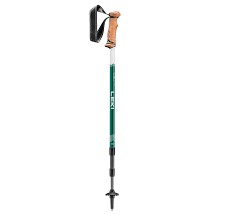
Trekking poles aren’t crutches, they’re tools of precision
Some hikers still think using trekking poles is cheating. That myth keeps them unstable and exhausted.
The three points of contact principle is a game changer. With two feet and one pole or one foot and two poles, your body gains a mobile tripod. This reduces the load on your knees and anchors your steps on shifting terrain. The technique helps distribute weight during tricky manoeuvres and minimises strain on your joints over long distances.
Pole length is not one size fits all. On uphill sections, shorten your poles to keep elbows at ninety degrees. On descents, lengthen them to improve reach and control. For creek crossings, extend them further to test depth and bottom consistency before committing.
Advanced poles have hidden tech. Look for models with anti shock systems, ergonomic grips and interchangeable tips. These features aren’t gimmicks, they’re designed for adaptability and precision. Rubber tips are gold for dry rock. Carbide tips bite into ice and wet roots. Use the right tool and feel the trail transform underfoot.
Creek Crossings Without the Chaos
How to cross rivers and creeks with balance and grace
Creek crossings are where plans either succeed or soak. Your first move? Scout properly. Don’t rush. Look upstream and downstream for better entry points, shallower zones and gentler currents. Aim to enter where the bank slopes gently and exit where traction is clear.
Wet rock is deceptive. It might look stable, but moss, algae or even fine gravel can turn it into a slip hazard. Tap each rock with a pole before stepping. Choose flat, dry surfaces wherever possible and avoid stepping on submerged logs unless absolutely certain of their stability.
Your pack is your ballast and your risk. Before crossing, loosen straps and unclip the waist and chest buckles. If you fall, you’ll want to shed the pack quickly. It may seem counterintuitive, but it’s safer. A heavy buckled pack can trap or drag you in current. Freeing it could save your life.
Summit Pushes Require Smarter Footwork
Saving energy and staying upright on steep exposed terrain
Summits aren’t won with strength alone. They’re earned with energy efficient footwork and precise body control.
Keep your centre of gravity low and mobile. Hunching slightly forward and using short deliberate steps reduces slip risk. Engage your core. Imagine drawing energy from your hips rather than pushing with your legs. You’ll last longer and climb smarter.
Zigzag lines outperform straight shots. Direct ascents tire your calves and strain your balance. Switchbacks, even if micro, allow you to manage gradient more easily and distribute effort across muscle groups. Don’t follow the straight path just because it exists.
Practice drills before your big climbs. Use a weighted pack on local trails. Try side stepping along a slope. Train your ankles and knees to handle tilt and torque. This prep pays off when the incline turns severe and your margin for error shrinks.
Trail Tactics the Average Hiker Doesn’t Know
Q1: Do trekking poles actually improve stability or are they just for comfort?
Trekking poles do both. They act as a third and fourth limb, reducing joint stress and offering crucial balance points on uneven or slippery terrain. They’re especially valuable on descents and water crossings.
Q2: How can I tell if a creek crossing is too risky?
Fast moving water, visible debris and depth above the knees are warning signs. Even ankle deep water can sweep you off balance if the current is strong. Always assess the current, width and entry points. If unsure, reroute or wait.
Q3: Is there a right way to fall if I do lose balance?
Yes. Avoid locking your joints. If you’re falling, try to roll sideways, keeping your arms close to your body. This minimises injury and spreads the impact. Practising falls in safe environments can train your instincts for real trail scenarios.
Step Smarter Climb Further
The best hikers aren’t fearless. They’re prepared. Stability on the trail is less about brute strength and more about intelligent movement and refined technique. With the right habits, tools and mindset, you’ll stop reacting to the trail and start controlling your journey.
Explore Offtrack’s range of trekking poles and hiking accessories to put these tactics into practice. Tested by experts. Trusted by locals. Ready when you are. Let’s get Offtrack.