
Lighting a fire on the beach sounds idyllic until you’re face to face with salty air, wet driftwood and a wind gust strong enough to knock over your coffee mug. Whether you’re firing up a cook-up at Wilsons Prom or setting camp near Noosa’s shoreline, one thing is certain: your fire-starting tool better work fast and reliably.
In this beach-ready breakdown, we put the humble ferro rod up against the everyday lighter. Which one actually holds up under coastal pressure? We’ve tested both tools in real-world conditions to settle the debate and help you make the right call for your next trip.
Let’s get Offtrack and spark something wild.
Understanding fire-starting in coastal camping conditions
When you’re camping near the ocean, nature doesn’t play nice with fire. The mix of wind, salt spray and humid air presents one of the toughest ignition challenges you’ll face outdoors.
Why wind and humidity are the real fire-starters’ enemies
Coastal wind is relentless. It sweeps heat and sparks away before they can take hold. Meanwhile, the salty air carries moisture that clings to wood, gear and even your fingertips. That makes it harder for tinder to catch and for lighters to stay lit.
How fire-starting tools function under pressure
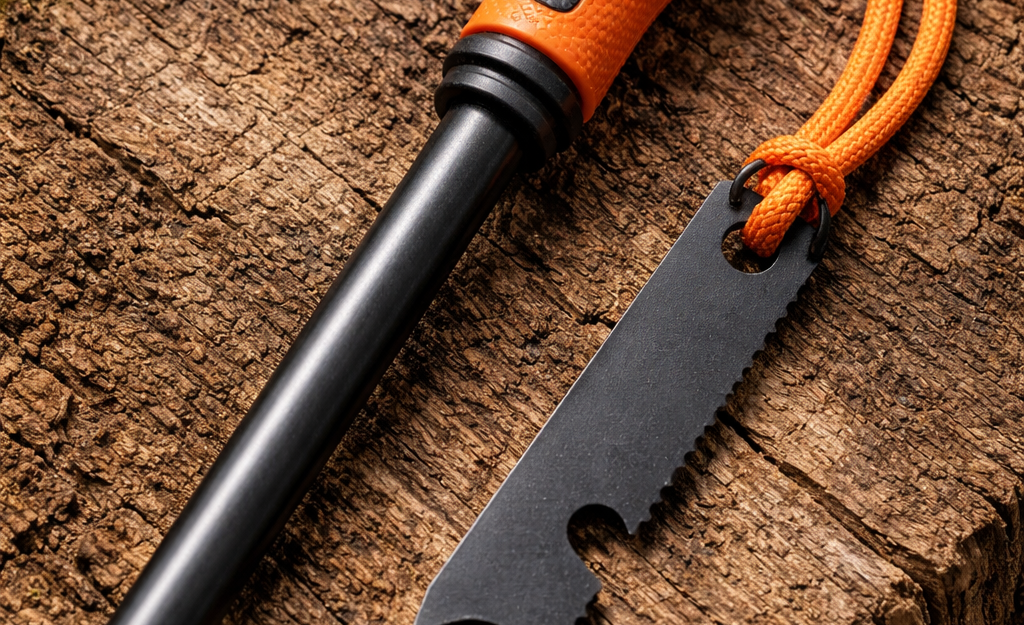
Lighters work by releasing butane gas which is then ignited by a spark wheel. They’re fast, but that tiny flame is extremely vulnerable to wind. Ferro rods, on the other hand, rely on a physical spark created by scraping metal.Australian fire safety guidance from Queensland Fire and Emergency Services on campfire and camping safety explains the importance of using appropriate ignition sources and safe fire-starting practices, particularly in exposed outdoor conditions.
Why your location should determine your ignition method
If you’re pitching up in a coastal campsite with limited natural shelter, you’ll need a tool that’s reliable in breezy, damp conditions. If you’re just making a quick tea and have a sheltered cooker, ease of use might trump rugged reliability. That’s where testing becomes crucial.
Speed Test: Which One Sparks Up First?
In a head-to-head ignition race, we wanted to see not only which tool could produce flame quickest, but which one could do it under the kind of conditions Aussie beach campers actually deal with.
Testing methods: wind tunnel vs real-world gusts
We created a beachside test site on the Mornington Peninsula and also ran a simulated wind tunnel setup at Offtrack HQ. Each fire-starting tool had three chances to light dry cotton tinder soaked in salt air, with wind speeds ranging from 20 to 35 km/h.
Time to flame: lighter flicks vs ferro rod strikes
The average lighter achieved flame in 4 seconds when conditions were calm but failed consistently above 25 km/h without shielding. The ferro rod, while taking 6 to 8 seconds and 3 to 5 strikes on average, still managed a spark and catch even at higher wind speeds provided the tinder stayed in place.
Why a 5-second delay could make or break a cook-up
In real camping scenarios, fumbling for minutes with a non-starting lighter could mean skipping a hot meal or struggling to stay warm after sunset. The ferro rod may take slightly longer, but it rewards prep and patience with reliability. That’s a trade-off most beach campers are happy to make.
Windproofing Your Fire Setup
The tool is only half the battle. To beat coastal winds, you’ll need a smarter setup that boosts your fire-starting chances no matter which gear you’re packing.
Shielding techniques using natural cover and gear
Use your backpack, a log or even your body as a windbreak. Position your fire behind dunes or rocks where gusts are blocked naturally. For stubborn wind, carry a fold-out aluminium windscreen made for camp stoves. It works just as well for fire-starting.
Fireproof tinder options that beat sea spray
Forget trying to light leaves or twigs soaked in ocean mist. Instead, use waxed cotton pads, Vaseline-soaked cotton balls or fatwood sticks. These materials resist moisture and catch sparks easily, making them ideal for both lighters and ferro rods.
Creating a windbreak with what you’ve already packed
No fancy gear? No worries. Lay down a base of dry bark or cardboard, place your tinder on top, and stack rocks or boots around the edge to shelter it. Keep your flame low and shielded until it grows strong enough to handle open wind.
Which Tool Should You Pack?
This choice doesn’t have to be a versus battle. It can be a smart combo strategy. But for those who prefer to travel light and decide on one, here’s how to pick the winner based on your needs.
Why lighters win for convenience but ferro rods dominate in durability
Lighters are easy, intuitive and great for everyday use. But they’re prone to failure in wet or windy environments, especially if the fuel runs out or the mechanism gets salty. Ferro rods, on the other hand, last for thousands of strikes, need no fuel and work even after a dunk in the surf.
The overlooked factor: refuelling and reliability
You can’t refill a basic plastic lighter. And if it’s the only fire starter you’ve got, you’re at the mercy of how full it is when you pack. Ferro rods are nearly impossible to run out of and make a great backup even if you rely on a lighter day to day.
Build a compact, coastal-ready fire kit with both
The smartest beach campers carry both. A lighter for quick tasks, and a ferro rod as backup or for tougher conditions. Add some waterproof tinder and a fire-starting surface, and you’ve got a pocket-sized setup that’ll spark joy on any shoreline.
Campfire Questions from the Coast
Do ferro rods actually work in wet or salty air?
Yes, they do. The rod itself is made of metal alloys that still produce sparks when wet. The key is ensuring your striker and tinder are dry, and clearing any salt build-up before striking.
Can I carry both a ferro rod and lighter in my fire kit?
Absolutely. This is not an either-or situation. Carrying both gives you redundancy, which is essential in unpredictable environments like coastal campsites.
What’s the best tinder for beach environments?
Water-resistant materials like waxed cotton pads, dryer lint stored in plastic or commercial fire tabs are ideal. Fatwood is also brilliant as it contains natural resin that lights quickly even when damp.
Pack Smarter, Camp Warmer
If you’ve ever wrestled with a wet lighter in a wind tunnel disguised as a beach, you already know the frustration. Choosing the right fire-starting tool isn’t just about spark speed. It’s about reliability when it matters.
So, what’s in your kit? If you’re serious about beach camping, don’t gamble with a single ignition method. At Offtrack, we stock rugged ferro rods and windproof lighters tested in the kind of conditions you’re headed for. Don’t wait until you’re cold and hungry to wish you’d packed better.
Light up your next coastal adventure the Offtrack way with the right gear, the right know-how and the fire to explore further.
