Ultralight tents are more than just lighter alternatives. They are critical pieces of gear for Aussie thru-hikers setting out on journeys that span 1,000 kilometres or more. When your days stretch into weeks on foot, every gram matters. Every inch of shelter plays a role in recovery, safety and psychological endurance. Choosing the right tent isn’t a detail. It is a decision that defines your entire hike.
This article is a deep dive into how to select an ultralight tent that won’t just save weight, but also hold up to Australia’s diverse landscapes and weather systems. We’ll explore the key considerations, compare real-world performance on local trails and share practical advice to help you go further with less.
Why ultralight tents are essential for serious thru-hikers
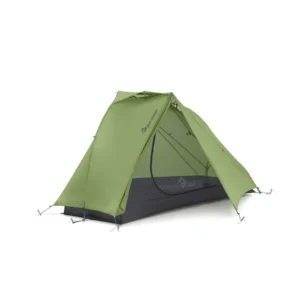
Heavy tents are a burden. Over thousands of steps and hundreds of kilometres, they add up to more pain, slower movement and higher risk of injury. That’s why the ultralight revolution has taken hold among serious hikers. Shedding tent weight translates directly into better endurance, faster pace and more enjoyment.
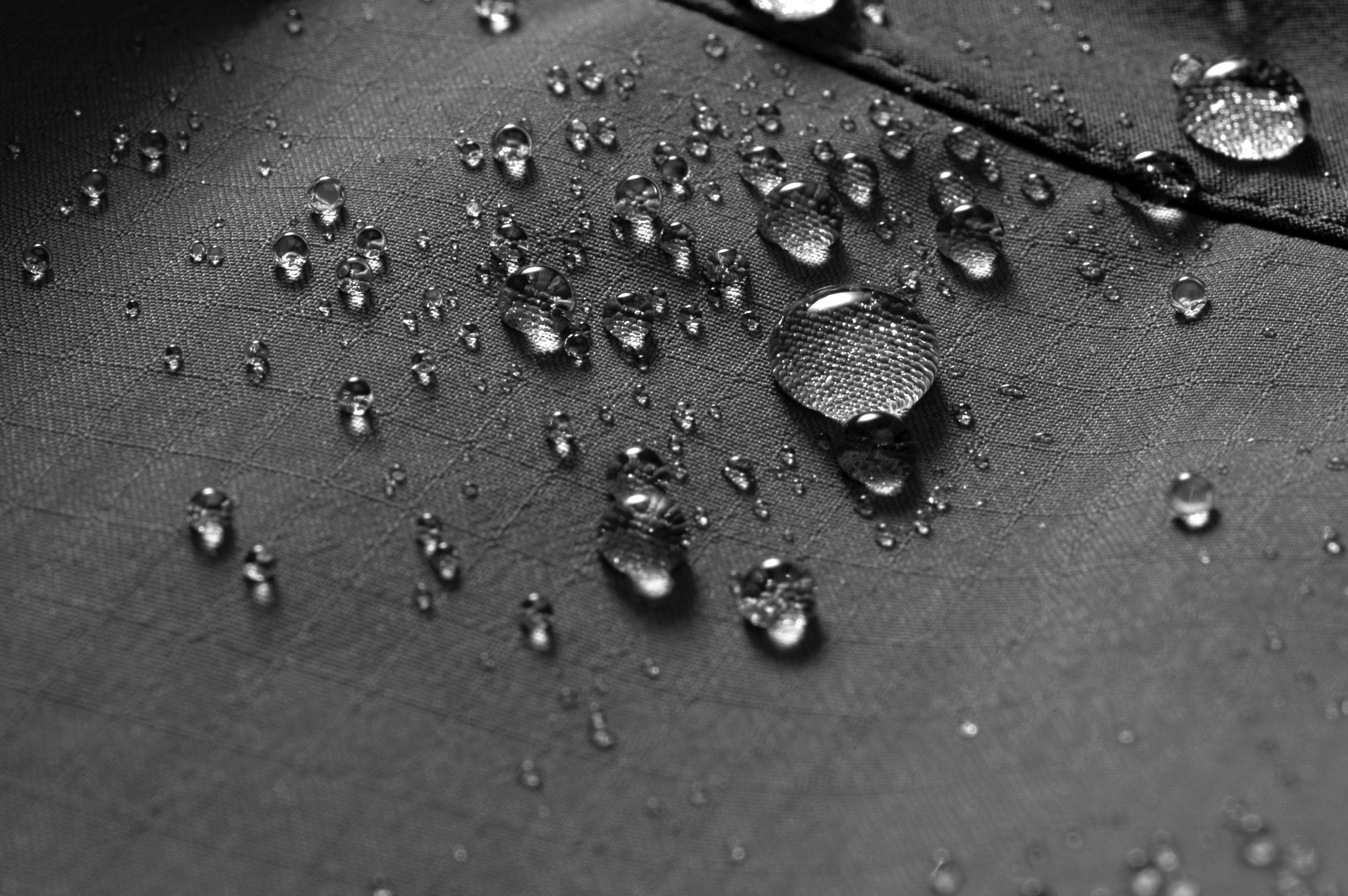
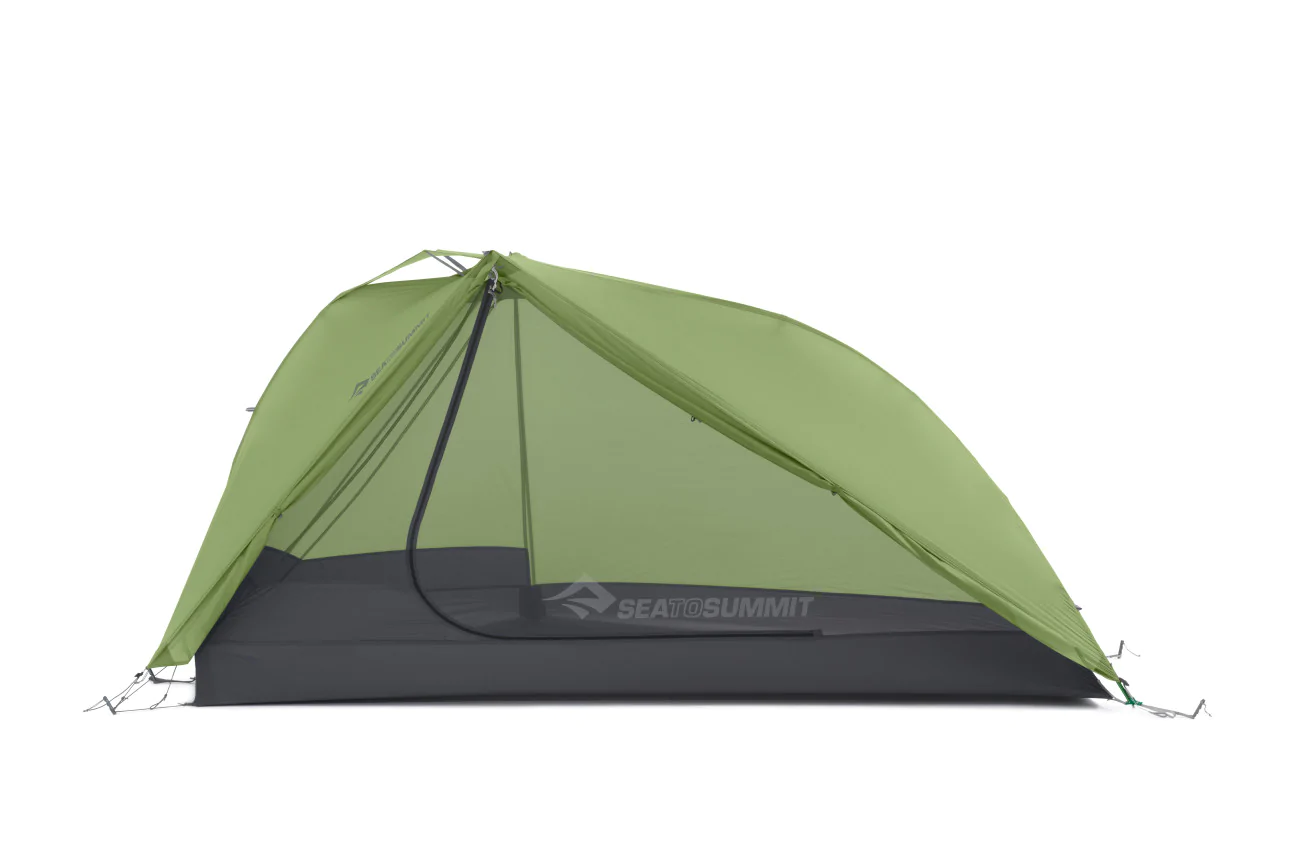
Today’s ultralight tents combine cutting-edge materials like Dyneema and silnylon with clever engineering. Designs that once required heavy poles now use trekking poles or tensioned guy lines. Single-wall options remove unnecessary fabric layers, while seam sealing and high-tech coatings ensure waterproofing without the extra bulk.
But ultralight doesn’t mean fragile. The best tents in this category are built to withstand rough weather and repeated pitching. They prioritise ventilation, condensation control and fast setup times without compromising durability. You’re not just trimming grams. You’re investing in performance, resilience and adaptability.
Ultralight tents also support your mental game. When you know your pack is dialled in and your shelter is fast to set up, you’re more likely to stay motivated and push through tough sections. Confidence comes from gear that works with you, not against you.
The ultralight trade-off how to choose your shelter wisely
No tent is perfect. The key is finding the right balance between weight, protection, comfort and ease of use. Ultralight tents demand thoughtful decisions, especially when you’re relying on them night after night in remote places.
One of the first choices is between single-wall and double-wall construction. Single-wall tents are lighter, but they can suffer from condensation if airflow is poor. Double-wall tents manage moisture better and feel roomier but add weight and complexity. Your expected environment and experience level will shape which one suits you.
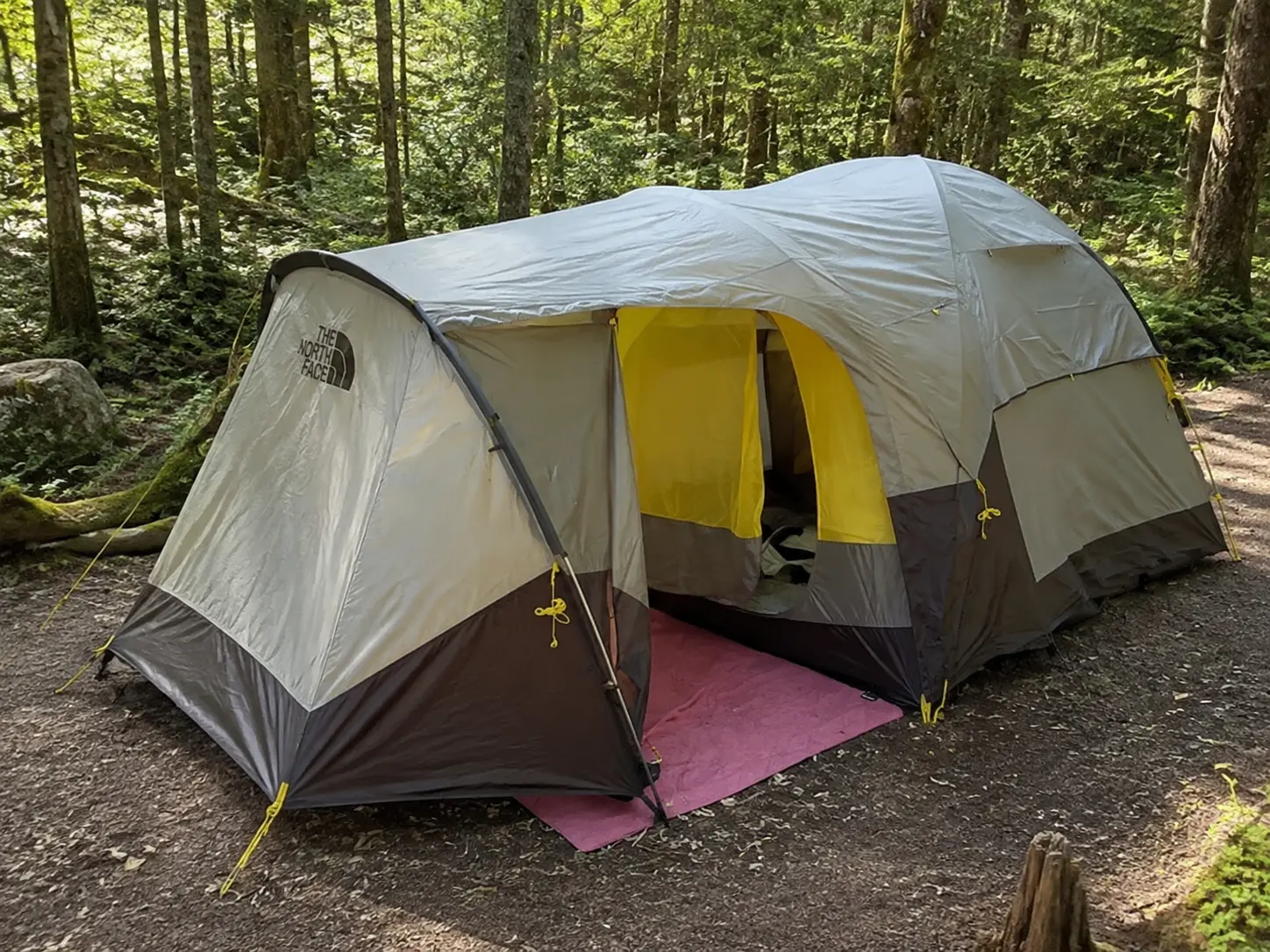
Another trade-off involves structure. Freestanding tents are easier to pitch on rocky or sandy ground and don’t rely on perfect staking. They are slightly heavier but offer simplicity. Non-freestanding tents save weight by using trekking poles for support, but they require more skill to pitch and more space to stake out properly.
For solo hikers, space is a luxury. Consider whether you want enough internal room to store your gear or prefer using vestibules for protection. Tent shape matters here. Tapered footboxes, peak height and side or end entry all affect comfort levels, especially in wet or cold conditions.
Weight savings are important, but not if they come at the cost of poor ventilation, limited bug protection or weak zips. Look for high-denier mesh, strong zipper construction and reinforced guy points. Rainfly coverage and the ability to adjust tension quickly in bad weather also make a big difference.
Lastly, don’t overlook setup time. After a 30 kilometre day, you want your shelter up in minutes, not fiddled with for half an hour in high wind. Practice pitching your tent at home so you can do it quickly and confidently in fading light or tough terrain.
Real trail scenarios what ultralight looks like in the Aussie wild
Australia’s major thru-hikes are wildly diverse. From the eucalyptus forests of Western Australia to the red rock escarpments of the Northern Territory, your shelter must adapt to different challenges. Here’s how ultralight tents hold up on some of the country’s toughest trails.
The Bibbulmun Track in WA stretches nearly 1,000 kilometres from Kalamunda to Albany. Its sandy soil, shifting weather and humid undergrowth test a tent’s ventilation and water resistance. A freestanding or semi-freestanding tent with mesh panels and an adaptable rainfly is ideal here. You need airflow to cut down condensation and a secure pitch in soft ground.
South Australia’s Heysen Trail mixes dry inland hills with cooler ranges. You’ll face sun exposure by day and temperature drops at night. Here, UV protection and fast setup matter. Hikers on this route often prefer tents that use trekking poles for structure, giving them double utility while trimming weight. According to ARPANSA, many parts of Australia regularly reach UV Index levels of 11 or higher, which is classified as Extreme UV exposure. This level of sun intensity can weaken lightweight tent fabrics over time, making UV-resistant materials essential for long thru-hikes.
The Larapinta Trail in the NT throws extremes at you. Harsh UV, rocky surfaces, dust storms and minimal vegetation make shelter choice critical. A tough floor, strong tie-out points and a compact footprint are essential. Pyramid-shaped ultralight tents that hug the ground offer the best performance in high wind and exposed ground.
Even shorter thru-hikes in Tasmania, the Victorian Alps or the Blue Mountains can flip weather quickly. An ultralight tent that pitches easily in wind, holds tension overnight and handles both hot and damp conditions is a smart choice. Modular designs that allow you to use just the fly or mesh inner depending on the night give you more flexibility.
Stories from experienced hikers show that gear fails when it’s poorly matched to the terrain. Ultralight doesn’t mean underprepared. It means optimised. Choose your tent based on the environments you’ll hike, not just weight on paper.
Kit up without compromise your lightweight shelter checklist
Your tent is the centrepiece, but an ultralight shelter system is a combination of smart choices. Done right, you’ll stay comfortable and protected without adding bulk or stress.
Start with your sleeping mat. Look for inflatable options with high R-values if you expect cold nights. Aim for models that pack down small and weigh under 500 grams. Pair with a down or synthetic quilt rated to your lowest expected temperature. Quilts are lighter than sleeping bags and often more versatile for summer-to-shoulder seasons.
A groundsheet may seem optional, but it is essential in Australia. Sharp rocks, sticks and prickles can wear down even the best tent floor. Tyvek, polycro or ultralight silnylon groundsheets add protection for almost no weight. Custom-cut versions match your tent footprint exactly.
Your repair kit should include tenacious tape, seam sealer, spare guyline and mini carabiners. For under 100 grams, it can keep your shelter system working if something tears or snaps. A few grams of prevention can save you days of discomfort.
Organise your gear with lightweight stuff sacks or dry bags. Use colour coding to find things quickly. Compression sacks help reduce volume, while mesh bags let wet items breathe. Swapping out a factory stuff sack for a more user-friendly one can make morning pack-up faster and smoother.
Final pro tip. Practice your routine. Know where everything lives in your pack. Develop habits like shaking out your tent, drying it during lunch and checking seams after rain. These steps add up to longer gear life, less faffing and more energy for the track ahead.
What hardcore hikers want to know
Are ultralight tents actually durable enough for long Aussie hikes
Yes. With proper care, the best ultralight tents are built to last. Use a groundsheet, avoid pitching on sharp surfaces and maintain your seams and zips. Modern materials like Dyneema and high-grade silnylon are incredibly strong relative to their weight.
What’s the ideal tent weight for a solo thru-hiker
Between 800 grams and 1.2 kilograms is considered the sweet spot. Ultralight purists might go as low as 500 grams, but often sacrifice ease of use or weather protection. Balance is key. Choose what aligns with your priorities.
How do I protect my ultralight tent from harsh Aussie terrain
Use a groundsheet, ventilate to reduce condensation, and choose pitches carefully. Avoid stretching fabric too tightly and inspect your tent regularly. Pack it dry whenever possible and clean it gently after each trip to extend its lifespan.
Ready to lighten your load and lengthen your stride
Choosing the right ultralight tent is not about chasing the lowest number on a spec sheet. It is about understanding your trail, your style and your goals. A well-chosen tent becomes more than shelter. It is your home, your refuge and your silent trail partner through long days and unpredictable weather.
At Offtrack, we believe in gear that earns its place. Whether you are walking the Bibbulmun, dreaming of the Heysen or plotting your own long way round, the right tent can help you get there in one piece and with a smile still on your face.
Let’s get Offtrack. Your 1,000 kilometre journey starts with a gram saved and a tent that won’t quit when the wild gets serious.