Zip-Up to the Stars: Why Bivy Sacks Beat Tents on Alpine Ledges
When the alpine calls for speed, stealth, and simplicity, bivy sacks deliver. This is your guide to going lighter, sleeping smarter, and waking closer to the sky.
Sleeping on the Edge: Why Bivy is Born for the Heights
There’s something raw and soul-stirring about sleeping alone on a narrow granite ledge, watching the Milky Way ripple above while wind brushes the ridge. It’s not a moment for poles and vestibules. It’s bivy country.
In the high places, when weight punishes every step and set-up time must be measured in minutes, bivy sacks come into their own. Designed for climbers, solo trekkers, and alpine minimalists, they strip sleep systems to their essence. Just you, your sleeping bag, a mat, and a weatherproof skin.
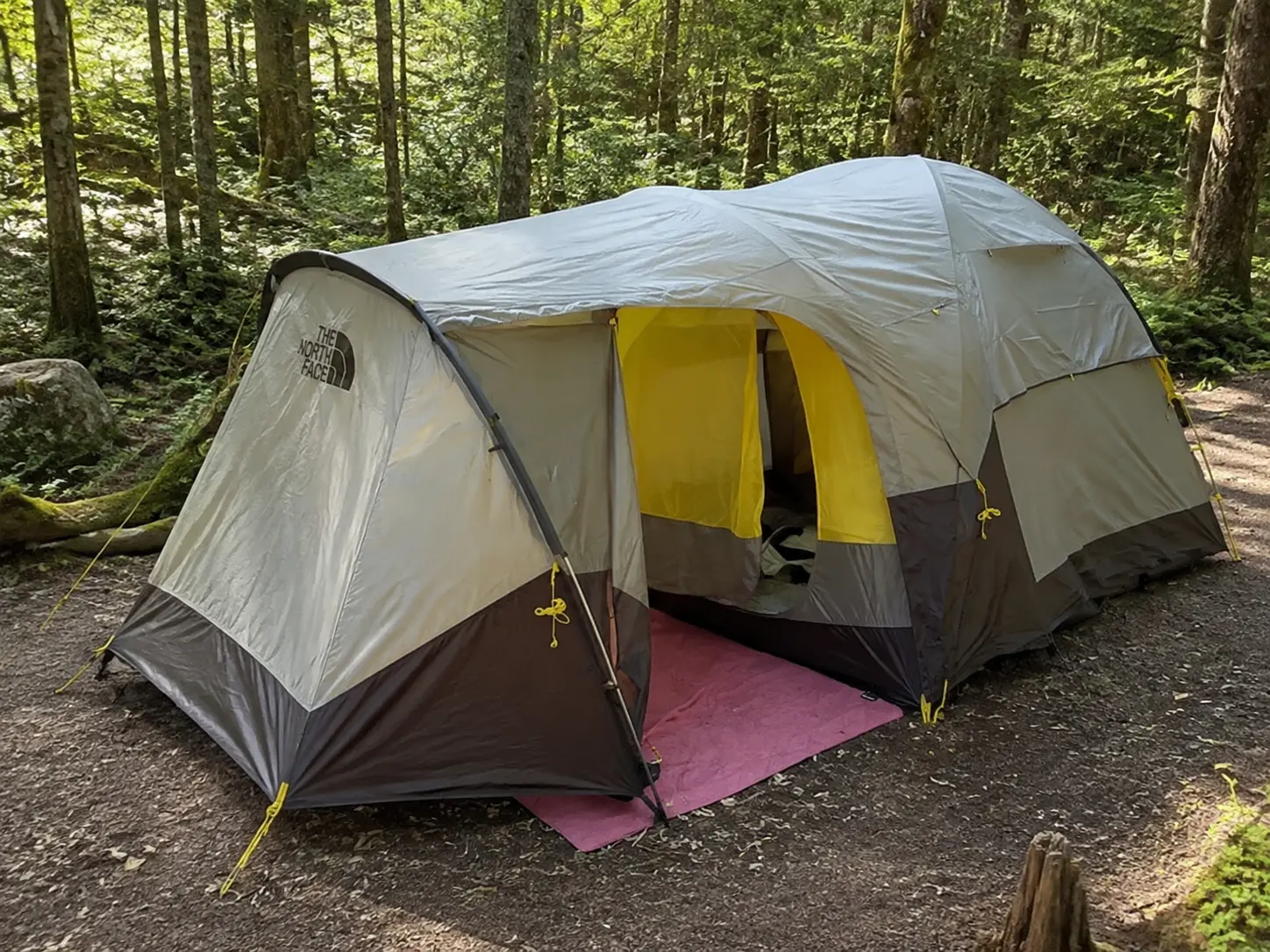
Unlike a tent, which requires flat space and often guy lines, a bivy sack simply lies where you do. No poles. No fuss. Just shelter that works with the mountain, not against it. But for all their simplicity, bivy sacks spark debate. Are they truly better than tents? Let’s break down why summit sleepers keep choosing them.
When Every Gram Counts: Choose Bivy for High-Country Freedom
Lightweight gear equals more distance, less fatigue
In alpine terrain, every kilo you carry fights back. Traditional tents, even lightweight models, bring added bulk, poles, and extra materials. Bivy sacks were built to break free from that.
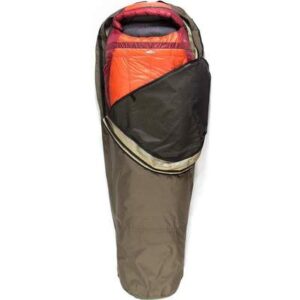
On high-country missions, it’s not uncommon for a bivy sack to weigh less than 500 grams. That means you can travel farther, move faster, and stay agile when the terrain gets technical. You’re not just saving weight. You’re gaining opportunity. According to the Bureau of Meteorology, alpine regions in Australia regularly record wind gusts exceeding 100 km/h on exposed ridgelines and peaks, which is why low-profile shelters like bivy sacks perform better than tents in high-wind environments.
A tent requires a decent patch of level ground to pitch. But in rugged zones above the tree line, that’s a luxury. A bivy sack lets you roll out on small shelves, rocky nooks, or behind boulders. Suddenly, the entire mountain becomes your campsite.
There’s also a tactical element. On fast-and-light trips, when you’re pushing from base to summit and back within a day or two, you don’t want to waste time setting up and packing down a multi-component system. A bivy sack lets you rest quick, break faster, and move again with minimal disruption.
And while there’s less room inside, that’s often the point. No space to spread out means less weight to carry. Every item must earn its place. For high-country camping, where conditions change fast and rest is fleeting, the bivy strikes the perfect balance: shelter that doesn’t slow you down.
Bivy Myths Busted: Comfort, Condensation and Critters
Addressing common concerns with minimalist shelters
Bivy sacks get a bad rap for being claustrophobic, cold, and prone to condensation. Let’s separate myth from mountain-tested reality.
First, breathability has come a long way. Many modern bivies use waterproof-breathable fabrics, similar to high-end jackets, with strategic venting to manage airflow. Pairing this with a quality sleeping bag and choosing a dry patch of ground goes a long way to staying comfortable. Plus, because a bivy is a smaller space, your body heats it up faster. Less air to warm means you can sleep surprisingly warm even on cooler nights.
Now, condensation. Yes, it can happen. But it also happens inside tents. The key is ventilation. Crack the zip slightly. Angle the head end into the wind. And avoid camping in low, humid hollows. Experienced alpine sleepers often choose elevated or breezy spots to reduce trapped moisture.
As for comfort, it’s not a hotel. But it doesn’t have to be punishing. Today’s bivy sacks are roomier than older models, with enough space to turn, read, and rest. Some even feature small hoops to lift the fabric off your face, giving you a little breathing room—literally.
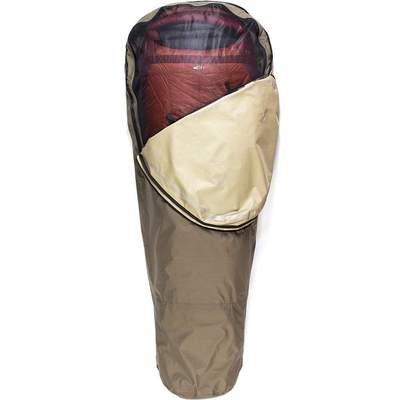
And if you’re worried about insects or creatures of the night, choose a bivy with integrated mesh panels. These keep bugs out while letting the stars in. Some bivy sacks even include storm flaps and full enclosures that rival tents for protection, with far less weight.
What you sacrifice in interior space, you more than make up for in freedom and stealth. A bivy is not about spreading out. It’s about sleeping smarter and moving with purpose.
Your Bivy Setup Masterclass: From Base to Summit
How to sleep warm and dry in a bivy sack
Using a bivy sack well takes more than just tossing it on the ground. The right system makes all the difference, especially in alpine conditions.
Start with a quality sleeping mat. Not only does this provide comfort, but it insulates you from the cold ground. Look for insulated inflatable mats or closed-cell foam pads rated for the expected temps. The ground steals heat fast, and your mat is your first defence.
Next comes your sleeping bag. Since a bivy adds a layer of warmth and wind protection, you might be able to choose a slightly lighter bag than you would with a tent. But be strategic. Down is light and compressible, ideal for dry alpine regions. If there’s a chance of rain or high moisture, consider a water-resistant synthetic fill or a treated down option.
Layering is critical too. Lightweight base layers help manage sweat and keep your bag cleaner. In colder conditions, a fleece or down jacket inside your bivy adds warmth without packing an extra quilt. But avoid over-layering. Too many clothes can reduce the loft of your bag, making you colder.
Finally, site selection. Even with a bivy’s flexibility, pick your ground carefully. Slight slopes are fine, but avoid depressions where water might pool. Look for natural windbreaks, boulders, bushes, or snowbanks. Lay a groundsheet if the area is damp or abrasive.
And remember, pack smart. Have your bivy, mat, and bag in an accessible part of your pack. The faster you can set up, the more energy you save and the sooner you can rest.
Questions Climbers Ask at 2,000 Metres
Is a bivy sack warmer than a tent?
Yes, in some ways. With less air to heat and the tight enclosure retaining more of your body heat, you can often stay warmer in a bivy, especially with the right sleeping bag.
How do you manage condensation in a bivy?
Ventilation is the key. Use bivy sacks with breathable fabrics and ensure partial airflow, especially around the head. Choose drier, elevated sites and avoid over-insulating.
What’s the best bivy for wet alpine weather?
Look for waterproof-breathable bivies with a storm flap, taped seams, and a mesh inner panel. Brands with a reputation for alpine gear tend to offer models built for these exact conditions.
Your Next Night on the Ridge Starts Here
You don’t need a four-pole palace to sleep soundly in the mountains. You need shelter that moves when you move and disappears when you’re ready to run. That’s the power of the bivy sack.
For summit sleepers, alpine roamers, and ultralight chasers, this isn’t just gear—it’s freedom. The freedom to zip-up under the stars and wake with the world at your feet. Minimalist? Absolutely. But only in bulk, not in experience.
If you’re ready to step up your alpine game, ditch the tent, and discover what sleeping closer to the sky really feels like, now’s the time.
Browse Offtrack’s full range of bivy sacks, sleeping mats and alpine-ready sleeping bags. You’ll find curated, expert-recommended options built for the southern ranges and coastal peaks alike.
Go lighter. Sleep better. Get Offtrack.