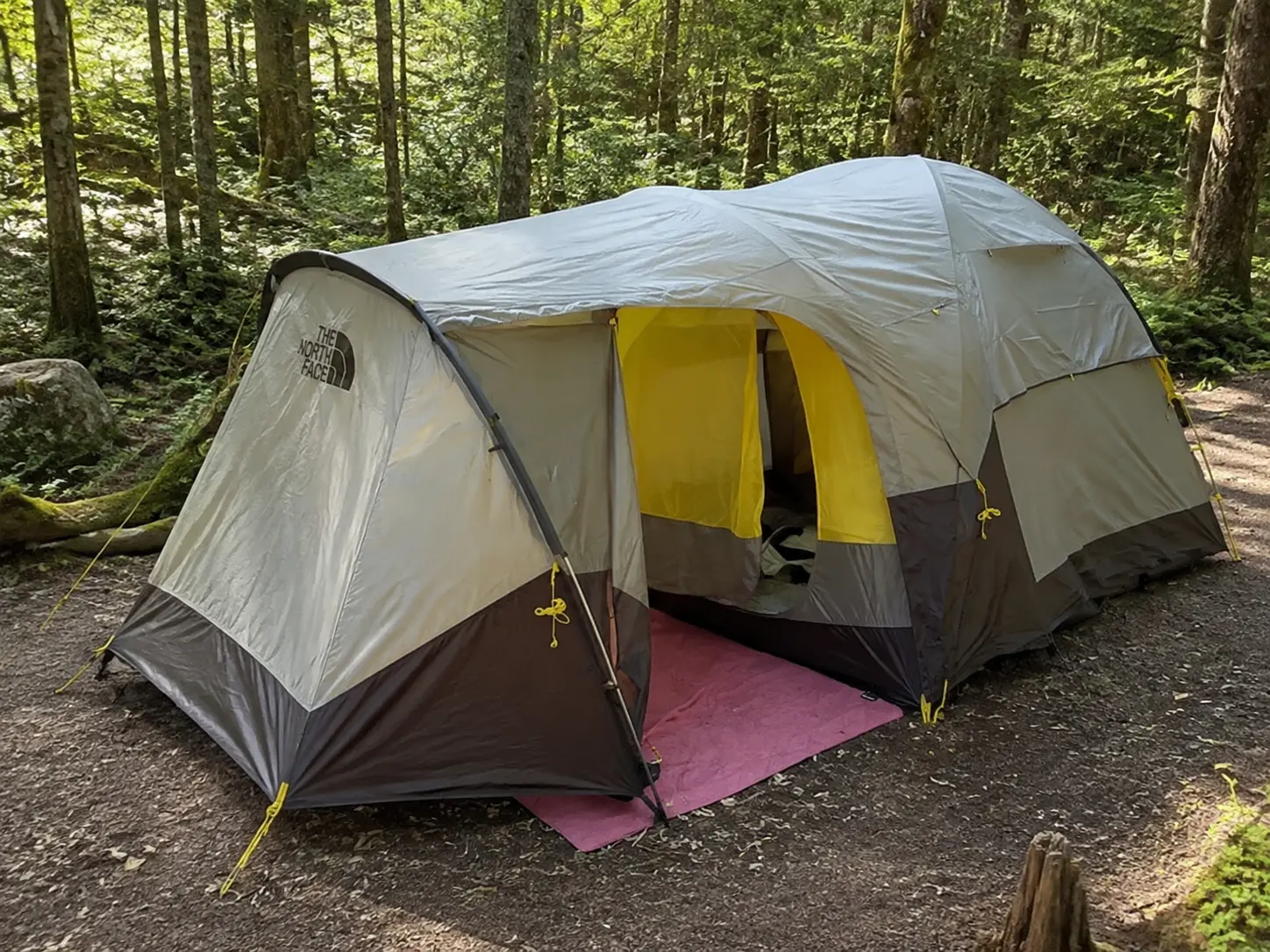
Tent footprints might seem like an optional piece of kit, particularly for those watching every dollar. But whether you’re a seasoned bush camper or new to the world of weekend hikes, understanding what a footprint can do for your setup is worth more than you think.
While it may look like just another layer of fabric, a tent footprint quietly shields your shelter from the most unforgiving side of nature, the ground. From abrasive rocks and persistent moisture to the everyday grime of campsites, the conditions beneath your tent can slowly break it down. Over time, even minor wear builds up, and what starts as a slight scuff on the base can become a major tear at the worst moment.
For budget-conscious campers, protecting your investment is just smart strategy. The cost of replacing a tent prematurely can be several times the price of a decent footprint. So the question isn’t whether you can afford to add one to your kit. It’s whether you can afford not to.
What does a tent footprint really do?
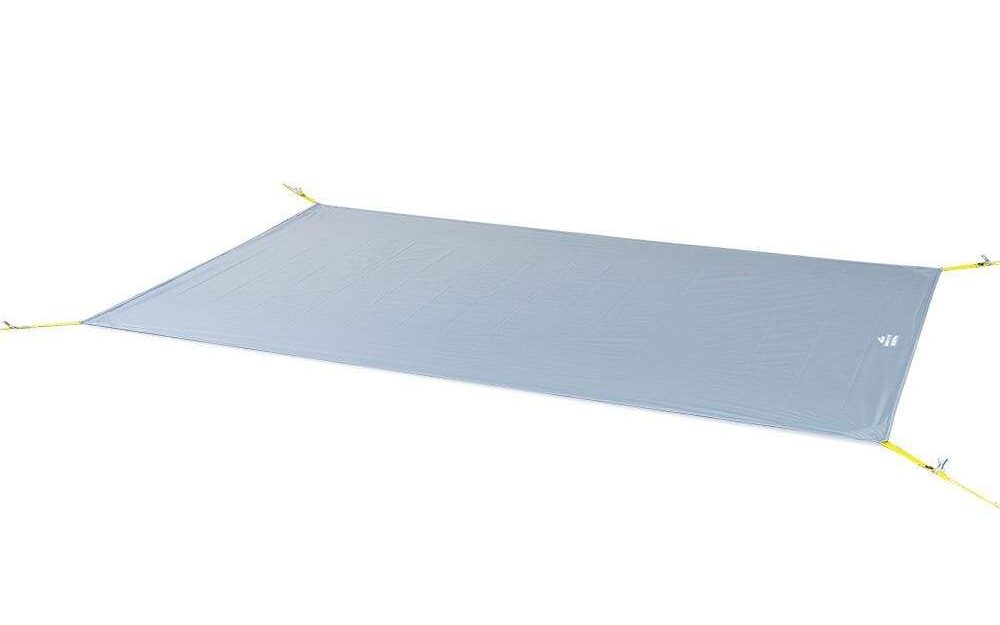
A tent footprint, also called a groundsheet or floor saver, is a layer of tough, waterproof fabric designed to sit between your tent and the terrain. It’s cut to the shape of your tent’s base and serves three key purposes that directly contribute to your tent’s performance and lifespan.
Firstly, it provides abrasion protection. Underneath your tent, grit, sand, stones, and sharp roots work like sandpaper. They rub against the fabric every time you shift your weight or move gear around. A footprint acts as a first line of defence, absorbing that friction so your actual tent floor doesn’t have to.
Secondly, it offers a reliable moisture barrier. Even in dry weather, the ground retains moisture that can slowly wick up into your tent, especially if your floor isn’t fully sealed or waterproofed. Condensation can form under your sleeping mat or pool beneath your gear. With a footprint underneath, this moisture is blocked and redirected away from your tent base. According to the Bureau of Meteorology, Australia’s winter rainfall averages 117.6 mm, meaning wet ground conditions are common even when skies appear clear, making a moisture barrier even more valuable.
Lastly, it acts as a campsite buffer. Campsites aren’t always pristine. Thorns, insects, rough gravel, and even broken glass can lurk beneath the surface. A good footprint reduces your exposure to these nasties and creates a cleaner, safer surface for setup.
Real-life wear and tear on tent floors
Campers often underestimate how much punishment the underside of a tent takes. Unlike rainflys or zips, tent floors rarely get visual attention until something goes wrong. But by then, the damage is often done.
One of the most common issues is small tears or punctures. These typically begin as barely noticeable scratches, but over multiple uses they expand. Setting up on rough or uneven ground without a footprint can see the tent floor weakened with every pitch. Add some pressure from a sleeping pad or the shifting of a pack, and the wear accelerates.
Moisture presents another major threat. Wet ground, dew, or water running through camp can create an environment where condensation builds underneath your tent. If left unchecked, this can promote mould and mildew, leaving your tent smelling funky and potentially compromising the waterproofing.
Even if you’re meticulous about choosing the right campsite, nature has a way of throwing curveballs. A sudden downpour can create unexpected runoff paths. Your carefully selected dry patch can become a temporary creek bed. In such scenarios, a tent footprint not only acts as a moisture barrier, it can help redirect water away, keeping your tent’s base dry and intact.
And then there’s the long-term financial impact. Tent repairs might seem minor, but patching kits, replacement floors, or professional sealing services add up. Worse still, if damage spreads too far or compromises the tent’s structure, you may need a full replacement. All this from overlooking a relatively inexpensive accessory.
Choosing the right base layer for your tent
Many campers ask whether a simple hardware store tarp can do the same job as a tent footprint. While it’s an understandable question especially when budgeting for a trip the answer depends on a few key factors.
The first is material and weight. Tent footprints are typically made from tough, weather-resistant fabrics like polyester oxford or PU-coated nylon. They’re engineered to withstand repeated folding, exposure to the elements, and heavy use. By contrast, most general-purpose tarps are heavier, less flexible, and not designed to conform to tent shapes. They might hold up for a while but tend to fray, rip, or degrade faster with regular backcountry use.
Then there’s the matter of fit. Purpose-built footprints are cut to match the base of specific tents, often slightly smaller to avoid catching water. If a tarp sticks out from beneath your tent, it can act as a funnel for rainwater. The runoff from your flysheet will hit the tarp and then run between the tarp and the tent base, soaking through instead of staying out. That completely defeats the purpose of the barrier.
Additionally, tent footprints often come with reinforced corners or grommets designed to attach directly to tent poles or stakes. This makes setup easier and ensures the footprint stays aligned during the night, even with movement inside the tent. Hardware tarps don’t offer this convenience, and makeshift solutions can shift during use.
While a DIY approach can be effective in controlled situations, it’s rarely worth the hassle or the risk over the long term. Especially when tailored footprints are widely available, easy to pack, and offer better overall performance in real-world conditions.
Practical footprint tips to stretch your tent’s life
Getting the most from your footprint means treating it like part of your essential kit, not just an add-on. Here’s how to use it properly and make it work harder.
Start with correct sizing. A footprint should never extend beyond the edges of your tent. If it does, fold it under. This prevents water from pooling and directs moisture away from your sleeping area. If you’re using a generic footprint or tarp, trim it down to fit your tent dimensions more closely.
Multi-use applications are another bonus. A footprint can double as a lunch mat, a gear sorting station, or a base for cooking setups. Some campers even use them as emergency bivvy pads or overhead rain covers when unexpected weather hits.
Cleanliness is key to long life. Shake it out after every use to remove grit and plant matter. If it gets muddy, give it a quick rinse and let it dry completely before packing it away. Storing it damp encourages mould growth and shortens its life span. Folding it loosely rather than stuffing it also prevents creases that can become weak points over time.
For backpackers conscious of weight, many manufacturers now offer ultralight versions of footprints made with high-denier but low-weight fabrics. These provide the same protection without adding bulk, making them ideal for long-distance hikers or minimalist setups.
Curious Campers Ask…
Can I just use a cheap tarp from Bunnings instead of a purpose-made footprint?
Yes, but it may come with trade-offs. Poor fit and heavier weight are common issues. A footprint built for your tent will offer better performance, lighter packing, and longer life. For frequent campers, the savings over time make the tailored version worth it.
Do all tents actually need a footprint?
Not necessarily. Some tents come with very rugged floors that hold up well on their own. But lightweight and ultralight tents, in particular, benefit from added protection. Also, if you’re camping in unpredictable conditions or unfamiliar terrain, a footprint adds peace of mind.
Doesn’t a footprint just add unnecessary weight to my gear?
Modern footprints are surprisingly light, many weighing less than 300 grams. When you weigh that against the cost of tent repairs or replacements, the weight is negligible and worth carrying.
Built from the Ground Up: Make the Smart Choice
A tent footprint is more than just a layer of fabric. It’s a proactive step toward preserving your tent, protecting your comfort, and safeguarding your camping budget. Especially in Australia, where terrain can change from sand to rock to hard-packed clay in the span of a single trail, adding a footprint to your setup is one of the smartest decisions you can make.
At Offtrack, we believe good gear should last. That’s why we stock a curated range of tent footprints designed for Australian conditions. Whether you’re exploring the coastlines of WA or pitching on alpine ground in Victoria, our gear has your back and your base.
Explore our collection of footprints today and build your next campsite from the ground up. Your tent will thank you for it.