Lightweight and durable, carbon trekking poles reduce fatigue and improve endurance on long hikes. A smart upgrade for serious trekkers.
Long distance hiking is more than a test of your legs. Every swing of your arms, every step up a rocky escarpment, every uneven descent through eucalyptus scrub, it adds up. The wrong gear choice can slowly wear you down. The right one can carry you further. One of the most overlooked performance upgrades in the Aussie hiking world is the carbon trekking pole. Lighter than aluminium, engineered for endurance and trusted by both experienced trekkers and newcomers alike, these tools help your body go the distance. Here’s how they work and why they might just become your next essential trail companion.
Why Carbon Fibre Matters for Serious Long Distance Hikers
The material difference that makes a real impact
Carbon trekking poles explained
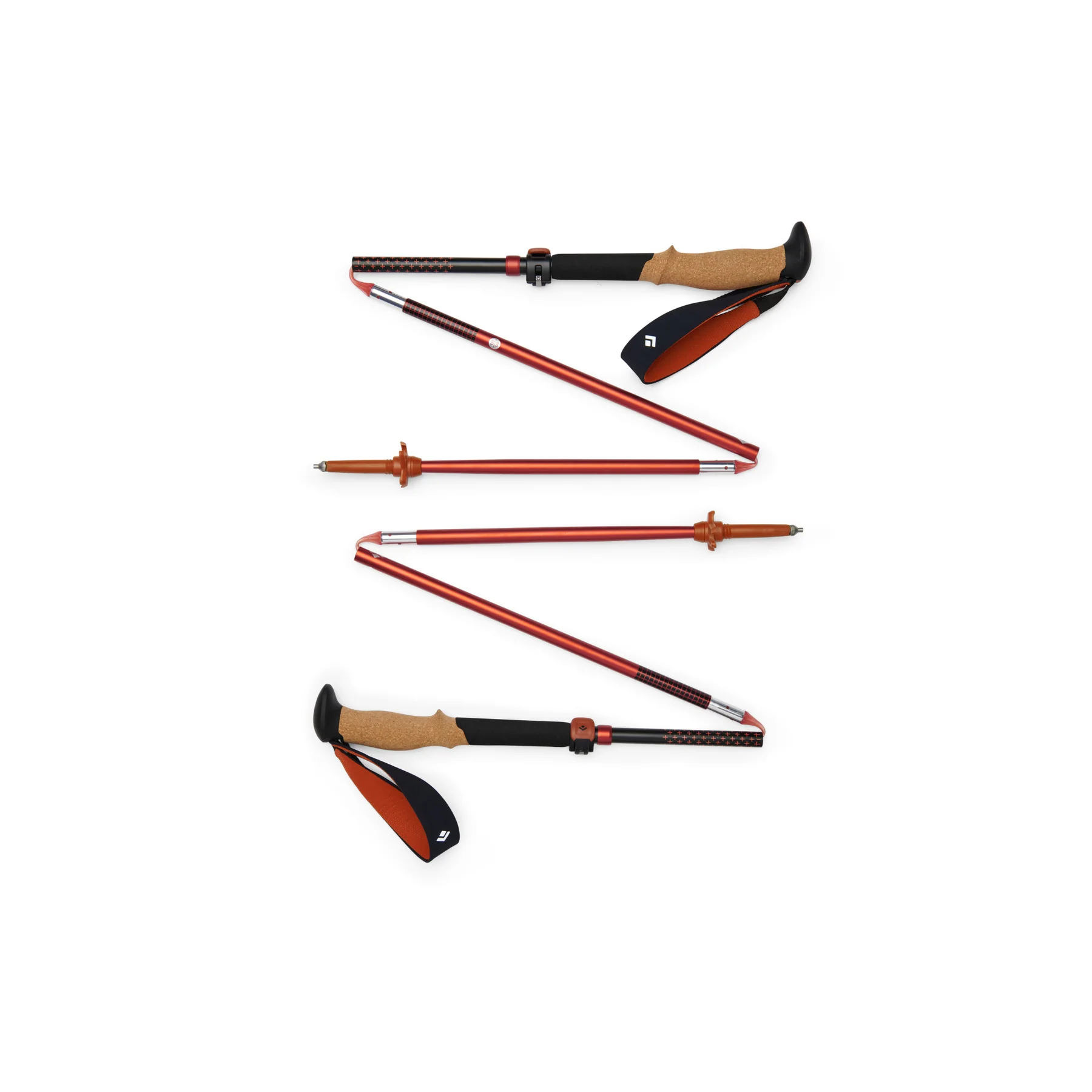
Carbon fibre is not just a marketing buzzword. It is a high performance material known for its strength to weight ratio. While traditional aluminium poles are reliable, carbon models offer noticeable weight savings without giving up too much strength. This matters when your arms swing thousands of times each day with poles in hand.
How reducing weight helps with endurance and joint fatigue
Every gram counts on a multi day hike. Carbon poles can weigh up to 200 grams less per pair than their aluminium counterparts. It may not sound like much, but that small difference means your shoulders, elbows and wrists endure less repetitive strain. That reduced fatigue leads to quicker recovery, longer walking hours and a lower risk of injury.
Research published in PubMed found that hikers using trekking poles experienced less perceived exertion and reduced muscle soreness after challenging ascents compared to those hiking without poles. The study highlights how lighter, more efficient poles, such as carbon models, can make a measurable difference in endurance and overall comfort during multi day treks.
Comparing carbon and aluminium for multi day hikes
Aluminium poles are often praised for durability, but they dent and bend under pressure. Carbon poles can break under extreme force, but in most hiking conditions they maintain better performance and stiffness. For most hikers carrying moderate packs across mixed terrain, the lighter carbon option delivers better comfort and long haul efficiency.
Lighten the Load, Go the Distance
How to choose a carbon trekking pole that works with you
Top features to look for
When choosing a carbon trekking pole, focus on grip material, locking mechanism and adjustability. Cork grips mould to your hand and feel more comfortable on warm days. Lever locks are more reliable than twist locks, especially in wet or cold conditions. Adjustable length lets you match pole height to terrain changes with ease.
Matching pole to hike terrain
For coastal paths or easy graded tracks, go for ultralight foldable poles. In alpine or rocky areas, pick sturdier models with extended grips and replaceable tips. If your route includes uneven terrain or long ascents, look for poles with slight flex and shock absorbing properties to reduce impact on joints.
Offtrack’s top carbon trekking pole picks
Offtrack stocks a range of trekking poles tested for Aussie conditions. Look for poles from trusted outdoor brands that balance weight, grip and build quality. Our team can help you choose the right model based on your height, pack weight and destination. Whether you need compact travel friendly gear or something built for backcountry routes, there is a carbon pole to match.
Avoid Rookie Mistakes When Buying Poles
Misconceptions that limit your performance
Heavier poles equal better durability? Not always
Weight does not always mean stronger. While heavier aluminium poles may feel solid, carbon fibre offers better performance for its weight. Some hikers assume that heavier gear is more reliable, but modern carbon poles are designed to handle rough conditions while saving your energy.
Ignoring terrain type and your body height
Using poles that are the wrong length can mess with your stride and posture. Your elbows should form a right angle when the pole tip is on the ground. Adjustable poles are best for variable terrain, and different pole types suit different hiking styles. One size does not fit all.
Overlooking packability for trail transitions
Long walks often include parts where poles need to be packed away. Maybe you are crossing rocks, catching transport or taking a break. If your poles do not collapse easily, they become a hassle. Choose models that fold down small and tuck neatly into your pack or side straps.
Upgrade Your Trekking Game with Pro Level Gear
When and why to make the switch
Signs your current poles are holding you back
If your poles slip under pressure, rattle constantly or cause hand or shoulder pain, it is time for a new pair. Faulty gear forces your body to compensate, which can cause strain over time. That means faster fatigue and longer recovery after each day.
How upgraded poles improve posture and speed
Lighter carbon poles help balance weight across your entire body. This supports better posture and keeps your rhythm steady, especially on uphill climbs or long downhills. With better movement and reduced muscle effort, you cover more ground with less energy burned.
Investing in quality for long haul comfort
Top tier carbon trekking poles are not just for professionals. They are an investment in your body. They hold up over time, perform well in all weather and reduce the strain that builds up day after day. Whether you are heading into the Blue Mountains, taking on the Bibbulmun Track or exploring Tassie’s wild corners, the right poles can change how far and how comfortably you travel.
Questions Every Long Hauler Asks Before Buying Poles
Are carbon trekking poles strong enough for Aussie terrain?
Yes. Today’s carbon poles are built tough. They handle rocky, muddy and uneven tracks across the country. Look for models with tested pressure ratings and strong shaft reinforcements.
What is the real fatigue benefit of carbon poles versus aluminium?
Carbon poles are lighter, which means your arms and shoulders use less effort over time. The result is less fatigue, especially on longer treks or back to back hiking days.
Do I need poles for every multi day hike?
Not every route requires them, but most long walks involve steep grades, extra pack weight or tricky footing. In those cases, poles help you stay balanced and reduce the risk of injury or exhaustion.
Step Lighter, Trek Further
Ready to lighten your load and push your distance? Offtrack’s range of carbon trekking poles is built for serious Aussie hikers. Whether you are walking the alpine spine of Victoria, heading into the Red Centre or tackling remote coastlines, a smart gear upgrade makes the journey better. Explore the full range online or visit us in store to get fitted by the Offtrack team.
Let’s get Offtrack and make every step count.