When you’re halfway up a crumbly scree slope, every step becomes a negotiation with gravity. That’s where trekking poles become more than accessories; they’re your off-road drive system for the mountains. Whether you’re taking on Tassie’s alpine ridges or scrambling the granite tors of the Victorian High Country, the right poles don’t just add support. They become an extension of your instincts.
In this guide, we’ll explore the science, strategy, and gear that can transform you from a cautious climber into a confident peak-bagger.
Why trekking poles are essential on unstable mountain terrain
Scree, shale or slippery decomposed granite all introduce one thing: unpredictability. Trekking poles convert chaos into control.
The stability edge every mountain hiker needs
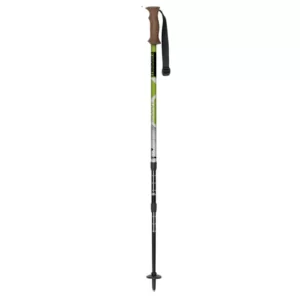
Poles spread your weight across four points of contact, reducing impact on knees and ankles. In fact, research shows that during downhill walking, trekking poles can decrease knee joint forces including ground reaction force and compressive and shear forces by 12% to 25%. Instead of absorbing every slip and shift with your joints, the poles redistribute force through your upper body. The result? Fewer stumbles, longer treks and legs that last the distance.
When ascending, poles add leverage. When descending, they prevent that dreaded slide, the scree ski, that can end in an unplanned sit-down. This stability doesn’t just save your body; it boosts your confidence. You’re more likely to take decisive steps, even on sketchy slopes, because you’ve got backup.
And it’s not just about the big climbs. On rolling terrain, poles help you maintain momentum, pushing off with each stride and creating a natural flow through undulating ground. That rhythm becomes addictive—like a heartbeat echoing through the hills.
Trekking poles aren’t about weakness. They’re about efficiency and terrain mastery. Tools used by the world’s toughest adventurers, from mountaineers to alpine rescue teams.
Get a Grip: How to Choose Trekking Poles for Loose Ground
Like tyres on a 4WD, not all poles handle all tracks. The key lies in matching pole features to your trail environment.
What to look for in scree-slaying stability aids
- Telescopic vs fixed-length designs
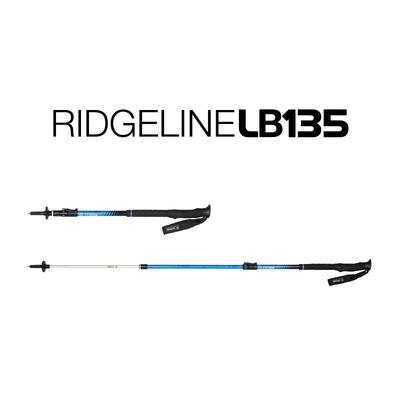
If your route includes steep ups and downs, adjustable poles let you shorten or lengthen to suit the angle. Shorter on the way up, longer on the way down. It’s about control, not guesswork. Fixed-length poles are simpler and more durable, making them ideal for flat or consistently sloped terrain. But for most alpine trekkers, telescopic designs offer the flexibility needed for changing gradients. - Grips and tips for tactical terrain
Rubberised or cork grips give sweat-resistant hold, and ergonomic designs reduce hand fatigue on long slogs. Down the bottom, look for carbide tips for traction, and baskets to stop your pole sinking between rocks or slipping off pebbly ledges. Interchangeable tips are a plus—switch to rubber when scrambling across slabs or boulders, or use snow baskets if your alpine adventure touches icy ground. - Lightweight but strong builds
Carbon fibre poles shave grams, making them ideal for high-altitude expeditions. Aluminium variants offer durability if you’re planning rough-and-ready Aussie backcountry routes. Don’t overlook collapsibility. Being able to stash them when scrambling is a game-changer. Also consider the locking mechanism: flick locks offer better reliability in wet or icy conditions, while twist locks are sleeker and lighter for minimalists.
Pair your poles with a rock-solid backpack and breathable gear, and you’ve got a mobile mountain toolkit ready for anything. Offtrack’s range caters to every trekking style, with gear vetted by serious hikers and tested across Australia’s wildest terrain.
Step Smart: Technique Tips for Tackling Scree with Poles
Even the best gear won’t save you if your form’s off. Scree walking is a rhythm game. Precision trumps power every time.
Using poles like a seasoned alpine trekker
- Plant with purpose
On climbs, place your poles slightly ahead and push down to assist your upward movement. On descents, angle them to slow your momentum and absorb shock. Time your steps so the pole lands just before your foot, acting like a test probe for stability. Think of your poles as sensors—scanning the surface before you trust your body weight to it. - Strap in, but don’t lock out
Use wrist straps properly. Insert from underneath so the strap supports your wrist, not just your grip. This reduces fatigue and lets your hands relax between strides, especially important on long traverses. On technical scrambles, ditch the straps altogether for quick release in case of a stumble. - Master the micro-adjustment
On really dicey ground, shorten your stride and tighten your pole placement. Imagine you’re probing for firm spots on a shifting surface. If the ground gives, you’ve still got a tripod of balance. On side slopes, use a shorter pole uphill and a longer one downhill to level your upper body. Small changes mean big gains in stability.
These techniques take practice, but once they’re ingrained, you’ll move with more fluidity, confidence and respect for the terrain beneath you.
Stability That Moves With You: Trekking Poles in Alpine Action
You’re in the backcountry. The clouds roll in, the track turns to gravel, and your legs are cooked from a 900 metre ascent. This is when trekking poles prove their worth beyond doubt.
Why alpine trekkers never leave home without them
- Built-in injury prevention
Loose terrain is a minefield of rolled ankles, hyperextended knees and quad cramps. Poles act as stabilisers, catching you before you lose balance or load up a misstep. Over time, they reduce microtrauma from shock, keeping you trekking longer with fewer recovery days. If you’re out for days or even weeks, that injury prevention could mean the difference between summit success and an early retreat. - Balance with a pack on narrow trails
When you’re carrying overnight gear or a full hydration system, your centre of gravity shifts. On narrow ridgelines or switchbacks, poles offer a third and fourth leg to offset that load. Think of them as lean guards, your insurance policy on the edge. They also help maintain posture, reducing the common forward hunch that leads to shoulder and lower back pain on long treks. - Fight fatigue, go further
With your upper body absorbing part of the effort, your legs conserve energy for the climbs that count. It’s the secret behind long-distance hikers knocking out 30 kilometre days through technical terrain. More importantly, you arrive at camp less wrecked, more ready to enjoy the view, the company, or even press on further.
Trekking with Confidence Even on Loose Ground
Q1: Are trekking poles really helpful on rocky or scree-covered trails?
Yes. They reduce strain on knees and ankles, offer better balance, and give you a way to check terrain stability before stepping.
Q2: What kind of trekking pole tip works best on loose terrain?
Carbide or grippy rubber tips combined with small baskets prevent poles from slipping or getting wedged between rocks.
Q3: Should I use one pole or two when hiking in the mountains?
Two poles provide symmetrical support and better energy distribution. One is better than none, but two is ideal for challenging alpine routes.
Conquer Loose Ground With Total Confidence
Scree fields, shale ridgelines and alpine trails don’t have to be intimidating. With the right trekking poles in your hands, you’re not just hiking. You’re moving with intent, control and confidence.
Don’t wait for your knees to scream or your balance to fail. Get the gear that keeps you grounded no matter how loose the ground gets.
Explore Offtrack’s range of trekking poles made for climbers, scramblers and mountain seekers across Australia.