If you’re heading offshore in a kayak, even just a few clicks out, you’re not playing by the same rules as a calm lake paddle. Swells, wind changes, sudden squalls, the ocean doesn’t forgive poor prep. And when things go sideways, shouting into the wind won’t cut it. You need a beacon that broadcasts your emergency loud and clear to search and rescue.
But which one?
There are two major contenders: EPIRBs (Emergency Position Indicating Radio Beacons) and PLBs (Personal Locator Beacons). Both are designed to save lives. Both alert authorities via satellite. But they’re not interchangeable, and knowing the difference can mean the difference between a swift rescue and no rescue at all.
Let’s break it down and help you choose with confidence.
What Kind of Beacon Do You Actually Need?
Choosing the right distress beacon for kayaking in coastal or offshore waters
The decision boils down to this: how far out are you paddling, how long are you gone, and what backup do you have? According to the Australian Maritime Safety Authority (AMSA), vessels travelling more than 2 nautical miles offshore are required to carry an EPIRB, while PLBs are intended for individuals or near-shore travel. This rule of thumb should guide your beacon choice from the outset.
When a PLB Makes Sense

A PLB is perfect for short trips where you’re within eyesight of land and in conditions where help is relatively close. These beacons are compact, often worn on a PFD, and must be activated manually. They’re an excellent option for paddlers in groups or for those staying close to the coast.
Why You Might Need an EPIRB
EPIRBs are designed for serious offshore use. They transmit at higher power, have longer battery life, and many float and activate automatically when submerged. If you paddle solo, head more than two nautical miles out, or are travelling in rough or remote waters, an EPIRB isn’t just smart, it’s essential.
Other Key Considerations
- Battery life: EPIRBs usually last 48 hours or more. PLBs typically offer around 24 hours.
- Floatation: EPIRBs float by design. Most PLBs don’t unless housed in a float case.
- Registration: Both require AMSA registration, but EPIRBs are mandatory on certain vessels.
If you plan to be out longer, venture further, or face unpredictable weather, the EPIRB becomes the more reliable, life-saving tool.
Don’t Trust the Weather, Trust Your Beacon
Why marine conditions can turn fast and how to stay one step ahead
Australia’s coastline is as unforgiving as it is beautiful. Calm mornings can flip into chaos by midday. Rips, strong offshore winds, and rogue waves catch even seasoned paddlers off guard.
A beacon is your plan B when everything else fails.
Weather Can Change in Minutes
Conditions can shift rapidly, especially around headlands or exposed stretches. A paddle that starts sunny might end with gale-force winds and low visibility. If you’re relying on mobile reception or a paddle buddy to save you, think again.
Performance in Tough Conditions
- PLBs may struggle to acquire satellite fixes in bad weather or deep troughs.
- EPIRBs are better suited for wet, wild, and remote conditions. They’re robust and optimised for marine distress.
Offtrack’s Picks: The Beacons We Trust
Tried, tested, and trusted – our top EPIRB and PLB recommendations for paddlers
At Offtrack, we only recommend gear we’d take on our own missions. These beacons meet our standards for signal reliability, battery performance, and ease of use.
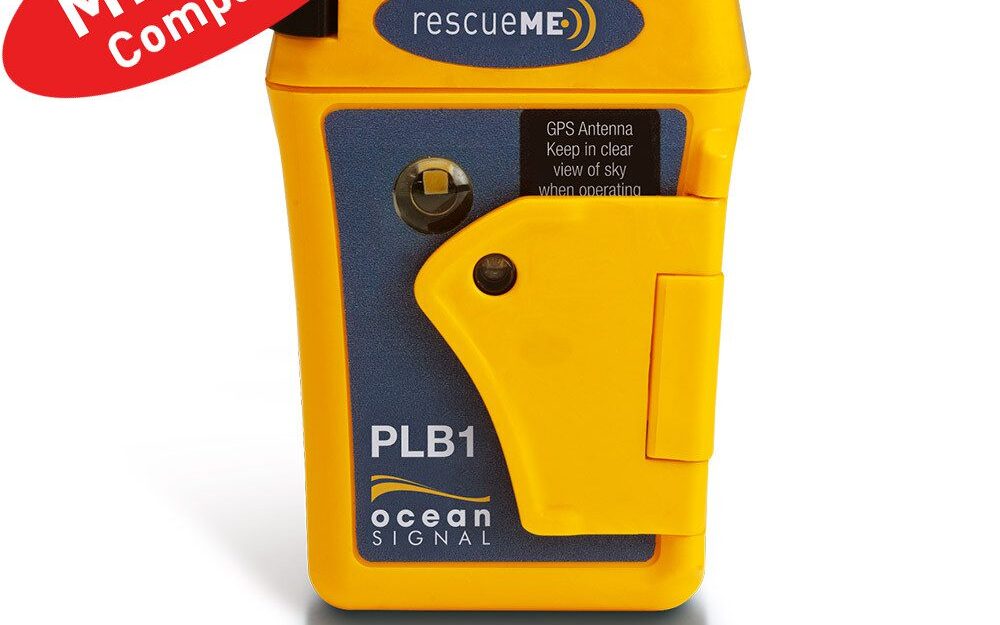
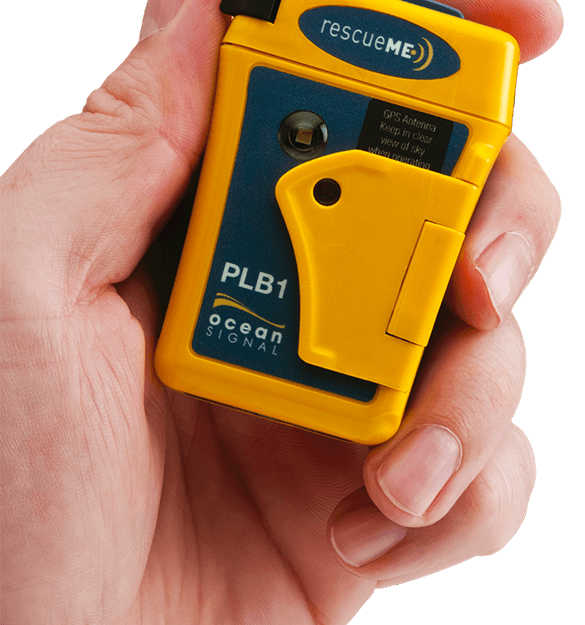
Best PLB for Day Trips
- GPS-enabled
- 406 MHz signal
- 7-year battery
- Small and light enough to fit into any PFD pocket
Great for near-shore trips and those paddling in groups. Remember, it must be activated manually, so make sure it’s within easy reach and floats, if possible.
Top EPIRB for Serious Ocean Travel
- Auto-activating upon immersion
- Built-in GPS and strobe light
- Designed to float upright and maintain transmission even when you’re separated from your kayak
This is the beacon we’d trust for solo missions, remote coastlines, and unpredictable waters.
What Not to Buy
- Generic or unregistered beacons
- PLBs with no float accessories
- Models lacking GPS, which slow down rescues
Find the full range in our Emergency Beacons collection, complete with specs and comparisons.
What Coastal Paddlers Always Ask Before Buying a Beacon
Q1: Can I use a PLB instead of an EPIRB if I’m not going too far offshore?
A1: Possibly, but it depends on your route, weather, and whether you’re solo. Within 2km of shore with strong mobile backup, a PLB may be enough. But for unpredictable or open stretches, go for the EPIRB.
Q2: Do EPIRBs float? What if I capsize?
A2: Yes. EPIRBs are built to float and continue signalling even in rough water. Many auto-activate on contact with water. PLBs, by contrast, often require extra gear to ensure floatation.
Q3: Will my beacon work if I’m unconscious or separated from my kayak?
A3: That’s where EPIRBs shine. They can activate without your input and remain operational even if you’re incapacitated. PLBs must be turned on manually, making them a risk in serious conditions.
Gear Up Like Your Life Depends On It (Because It Might)
Offshore paddling is incredible, but it demands preparation. It’s not just about the right kayak or a reliable forecast, it’s about having the right gear for the worst-case scenario.
At Offtrack, we curate products with one mission in mind: to get you home safe. From tested PLBs to premium EPIRBs, every unit in our range meets the standards of serious adventurers.
Whether you’re exploring mangrove creeks or circumnavigating islands, your beacon is your last line of defence. Don’t leave without it.
Explore Offtrack today because safety isn’t optional out at sea.