Height Advantage: How Altimeters Help Trail Runners Smash PBs on Steep Tracks
When you’re pushing for a PB on steep terrain, every metre counts. That’s where an altimeter watch becomes more than just gear, it’s your tactical advantage. Unlike flat road running, trail running success hinges on how well you manage vertical gain. And if you’re running blind to elevation changes, you’re not just guessing, you’re losing ground.
Trail running is growing rapidly across Australia. According to Tourism Research Australia, 5.5 million domestic overnight visitors engaged in hiking or bushwalking in 2022, many on trails with steep elevation profiles. As this growth continues, tools like altimeter watches are becoming must-haves for runners seeking precision, performance, and safety
Why elevation data is the trail runner’s secret weapon
Understanding elevation isn’t a luxury for serious trail runners. It’s a necessity. By viewing your vertical progress in real time, you’re able to fine-tune your pace, avoid blowouts on steep ascents, and carve back minutes across longer courses.
- How elevation profiles shape your pacing strategy: Knowing when the climbs are coming allows you to distribute your energy more strategically, preserving your power for the right moments.
- The science of elevation gain and energy expenditure: Vertical metres burn exponentially more energy. An altimeter tracks those metres with pinpoint accuracy, helping you balance effort and output.
- Smarter climbs: Tracking real-time vertical progress: Real-time data isn’t just motivational. It helps you compare climb segments across training days and race conditions, leading to smarter decisions on the trail.
Gain Ground Faster: Elevation Insights That Shave Minutes
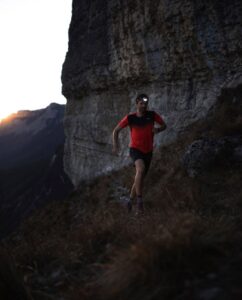
In trail running, pace is only half the equation. Elevation is the rest. Altimeter watches let you go from reactive to proactive. You’re no longer just responding to terrain. You’re planning your attack.
Using an altimeter watch to fine-tune your training
The more you train with purpose, the faster you progress. Altimeter data unlocks smarter planning, faster adaptations, and PBs that feel less like flukes and more like clockwork.
- Real-time elevation feedback for pacing adjustments: On-the-go metrics mean you can pull back or push forward without second-guessing effort levels.
- Incorporating vertical intervals into training blocks: Sprint climbs, steady descents, and vertical repeats become trackable efforts, not vague guesses.
- Syncing GPS and barometric pressure for max accuracy: The best altimeter watches use both barometric and satellite data, giving you reliable metrics even when coverage drops out in the hills.
Offtrack’s curated range of altimeter watches is built for athletes who race elevation. Think rugged construction, intuitive displays, and data you can act on mid-run.
Precision Meets Performance: Why Every Second Counts at Altitude
Speed alone won’t get you to the summit first. The smartest runners manage output, track gain, and stay aware of subtle changes in terrain. With an altimeter watch, you’re turning instinct into insight.
Micro-adjustments that deliver macro results
Small tweaks add up over long distances. From pacing the final climbs to knowing when to ease off, elevation awareness is your tactical edge.
- Spotting terrain trends before your legs feel them: Glance at your vertical gain to see whether you’re about to burn out or bank time.
- Avoiding overtraining on high vertical days: Altimeters let you track vertical stress just like you would volume, preventing injury and fatigue.
- Building elevation awareness into your race strategy: Training your brain to read gain and grade in real-time translates into smarter race-day decisions. Less bonking, more winning.
Trail-Tested Tech: Choosing the Right Altimeter Watch for You
Not all altimeter watches are built the same. For trail runners, your watch isn’t just a tracker. It’s a mountain-ready companion that needs to perform under pressure.
Key features trail runners should prioritise
When selecting your next altimeter watch, look beyond brand hype. Focus on features that support elevation-focused training and mountain endurance.
- Display clarity and on-the-move usability: Look for high-contrast screens, glove-friendly buttons, and interfaces you can read mid-climb.
- Integration with training platforms and wearables: Sync your watch to apps like Strava or TrainingPeaks to review gain patterns, compare segment climbs, and set vertical goals.
- Durability for mountain conditions: Water resistance, tough glass, and a shell that shrugs off scrapes are musts, because steep trails don’t play nice.
Offtrack stocks altimeter watches that stand up to Australia’s gnarliest terrain, whether you’re summiting Kosciuszko or taking on a local mountain challenge.
Elevation Curiosity: Questions Trail Runners Ask
Q1: Is a GPS watch enough for trail running, or do I really need an altimeter?
A GPS watch gives you distance, but an altimeter unlocks vertical insights, crucial for runners focused on climbing and PBs on steep terrain.
Q2: How does barometric pressure help with elevation tracking?
It provides more accurate and immediate elevation data than GPS alone, especially on zig-zag trails or under thick tree cover.
Q3: What’s a good elevation goal for trail runners training for ultra-distance races?
It depends on the race profile, but a solid benchmark is 100m of vertical gain per kilometre for technical ultra prep.
Ready to Conquer the Climb?
Whether you’re training for your first ultra or hunting seconds off your PB, an altimeter watch is the edge you’ve been missing. At Caterware, we bring the same precision we apply to commercial kitchen equipment to our curated trail gear. That means performance-tested products, expert advice, and fast national shipping.
Call: (07) 5597 5599
Email: info@caterware.com.au
Shop Online: www.caterware.com.au
Visit: 2/6 Resources Ct, Molendinar QLD 4214