When cyclone rain hits, your gear has minutes, or seconds, before it’s soaked. A weather-resistant pack cover with rapid deploy can protect everything inside, but only if you use it right and back it with a proper waterproof system
How weather-resistant pack covers protect your gear in extreme rain
There’s rain, and then there’s wet-season rain. The kind that doesn’t fall, it attacks. Sideways wind, relentless sheets of water, and zero warning. In those conditions, your pack isn’t just getting damp. It’s at risk of being completely soaked within minutes.
Data from the Bureau of Meteorology shows that northern parts of the country experience some of the highest rainfall intensities in the world during the tropical wet season, with heavy downpours capable of triggering rapid flooding. This is the level of exposure your gear needs to withstand, not just light, steady rain.
Standard rain protection simply doesn’t cut it here. Cheap covers, loose fits, and thin materials fail quickly under pressure. Water finds its way in through seams, gaps, and exposed sections, especially when wind is driving rain directly into your pack from every angle.
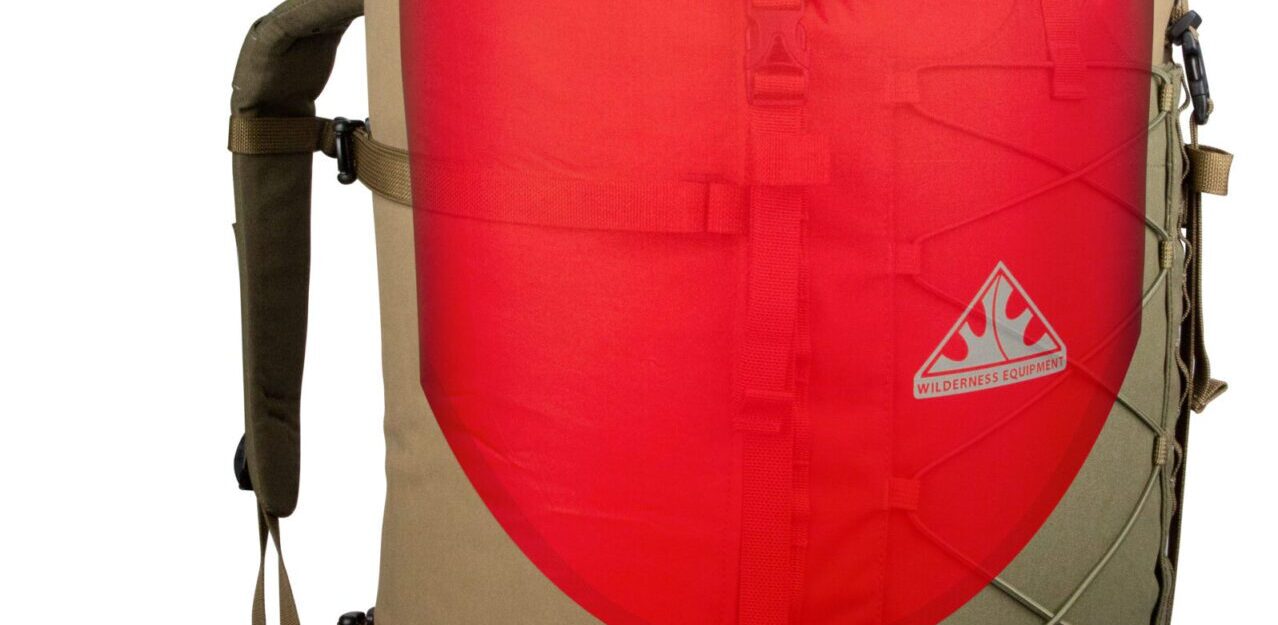
This is where a proper weather-resistant pack cover becomes critical. It acts as your first line of defence, shielding your pack from direct exposure and buying you time. A well-designed cover doesn’t just sit on top, it wraps tightly, resists wind lift, and channels water away from key entry points.
However, not all “waterproof” claims are equal. In real-world conditions, especially in cyclone-level rain, most pack covers are technically water-resistant rather than fully waterproof. That distinction matters. Water resistance slows down saturation, but it doesn’t eliminate it entirely.
The goal isn’t perfection, it’s protection under pressure. A high-quality pack cover reduces water ingress dramatically, keeping your gear dry long enough to reach shelter or stabilise your setup. Without it, your pack becomes a sponge, and once that happens, recovery is difficult.
When you’re trekking in wet-season conditions, your pack cover isn’t optional. It’s essential gear that stands between you and a compromised trip.
Caught in a Downpour With No Time to Think? Fix This Now
Rapid deploy systems that keep your pack dry in seconds
When the rain hits hard, you don’t get time to prepare. There’s no slow unpacking, no second chances. You either deploy your pack cover quickly, or your gear gets soaked.
This is where rapid deploy becomes non-negotiable. A pack cover should be accessible, intuitive, and fast to use, even when visibility is low and conditions are chaotic. If it takes more than a minute to secure, it’s already too slow.
The most effective systems rely on elasticised edges that snap into place instantly. You pull the cover over your pack, and it grips automatically, forming a tight seal around the edges. This simplicity is what makes it reliable under pressure.
Drawcord systems offer more adjustability, allowing you to fine-tune the fit for different pack sizes. However, they can be slower to deploy, especially in heavy rain when your hands are wet or cold. The best setups often combine both, elastic for speed, drawcords for security.
Sizing is another critical factor. A cover that’s too small leaves sections of your pack exposed, while one that’s too large can flap in the wind and allow water to pool or seep inside. Matching your cover to your pack size ensures full coverage and a more secure fit.
Storage placement also plays a role in deployment speed. Your pack cover should never be buried deep inside your bag. It needs to live in an outer pocket or a dedicated sleeve where it can be accessed instantly. This small detail can be the difference between staying dry and dealing with soaked gear for the rest of your hike.
If you’re trekking in wet-season conditions, upgrading to a purpose-built, rapid deploy pack cover from Offtrack isn’t just a convenience, it’s a safeguard for everything you’re carrying.
The Wet-Season Setup That Actually Keeps Your Gear Dry
Layering your waterproof system beyond just a pack cover
Relying on a pack cover alone is one of the biggest mistakes trekkers make in heavy rain. While it provides essential protection, it’s only one part of a complete waterproofing system.
Think of your setup in layers.
The pack cover is your outer shield. It takes the brunt of the rain, deflecting water and reducing direct exposure. Beneath that, a pack liner acts as your second barrier. This internal layer prevents any water that gets past the cover from reaching your gear.
Inside your pack, critical items should be further protected using dry bags. Your sleeping bag, spare clothes, and electronics all need individual waterproofing. This redundancy ensures that even if one layer fails, your essential gear remains dry.
This layered approach is what separates prepared trekkers from those caught off guard. It’s not about assuming your gear won’t get wet, it’s about ensuring that even if it does, the impact is minimal.
Condensation is another factor that often gets overlooked. In humid, wet conditions, moisture can build up inside your pack even without direct rain exposure. Breathable materials and proper ventilation help manage this, preventing dampness from accumulating over time.
Packing strategy also plays a role in waterproofing. Place your most critical items in the centre of your pack, surrounded by less sensitive gear. This adds another layer of protection, reducing the likelihood of water reaching your essentials.
When all these elements work together, cover, liner, dry bags, and smart packing, you create a system that can withstand prolonged exposure to heavy rain. It’s not just about staying dry in the moment; it’s about maintaining performance over the entire journey.
If Your Gear Gets Wet, Your Trip Is Over, Here’s the Fix
What to look for in a high-performance waterproof shield
When you’re dealing with extreme weather, your gear needs to perform without compromise. A high-performance pack cover isn’t just about basic protection, it’s about reliability in conditions where failure isn’t an option.
Fabric quality is one of the first things to consider. Look for materials with high waterproof ratings and strong resistance to abrasion. Wet-season trekking often involves dense vegetation, rough terrain, and constant movement, all of which can wear down lower-quality fabrics quickly.
Seam sealing is another critical feature. Even if the fabric itself is waterproof, poorly sealed seams can allow water to seep through. Fully taped seams provide a higher level of protection, ensuring that weak points are reinforced against heavy rain.
Fit and coverage are equally important. A well-designed cover should wrap around your pack completely, including the top, sides, and lower sections. Extended coverage helps prevent water from entering through exposed areas, especially when rain is driven by strong winds.
Visibility features can also make a difference in storm conditions. Bright colours and reflective elements improve visibility in low-light environments, which is particularly useful when trekking in heavy rain or fog.
Durability ties everything together. A pack cover that tears or fails mid-trip leaves your gear exposed with no backup. Investing in a reliable, well-constructed cover ensures you’re prepared for repeated use in demanding conditions.
Matching your pack cover to Australian wet-season conditions means choosing gear that can handle intensity, not just light showers. It’s about preparing for the worst and ensuring your setup holds up when it matters most.
What Trekkers Ask When the Sky Opens Up
Are pack covers fully waterproof in heavy rain?
Most high-quality pack covers are highly water-resistant and perform well in heavy rain, but in extreme conditions, they work best as part of a layered system. Pairing them with pack liners and dry bags provides complete protection.
How fast should I be able to deploy a pack cover?
You should be able to deploy your pack cover within 30 to 60 seconds. In wet-season conditions, speed is critical to minimise water exposure and protect your gear effectively.
Do I still need a pack liner if I use a cover?
Yes, a pack liner is essential. While the cover protects against direct rain, the liner ensures that any water that gets through doesn’t reach your gear.
Beat the Storm Before It Beats Your Gear
Wet-season trekking doesn’t give second chances. Once your gear is soaked, everything becomes harder, sleeping, staying warm, and even continuing the journey. What starts as a small oversight can quickly turn into a serious problem.
The solution isn’t complicated, but it does require intention. A high-quality weather-resistant pack cover, combined with a layered waterproofing system, gives you the protection you need to face extreme conditions with confidence.
When your gear stays dry, you stay in control. You move faster, think clearer, and handle challenges without added stress. That’s the difference between enduring a storm and pushing through it.
If you’re heading into wet-season conditions, now is the time to upgrade your setup. Explore Offtrack’s range of weather-resistant pack covers and build a system that’s ready for anything the trail throws at you.
Because when the storm hits, preparation isn’t optional, it’s everything.