The Carabiner Questions That Usually Decide What Ends Up on Your Harness
Do I need a locking carabiner or a non-locking carabiner?
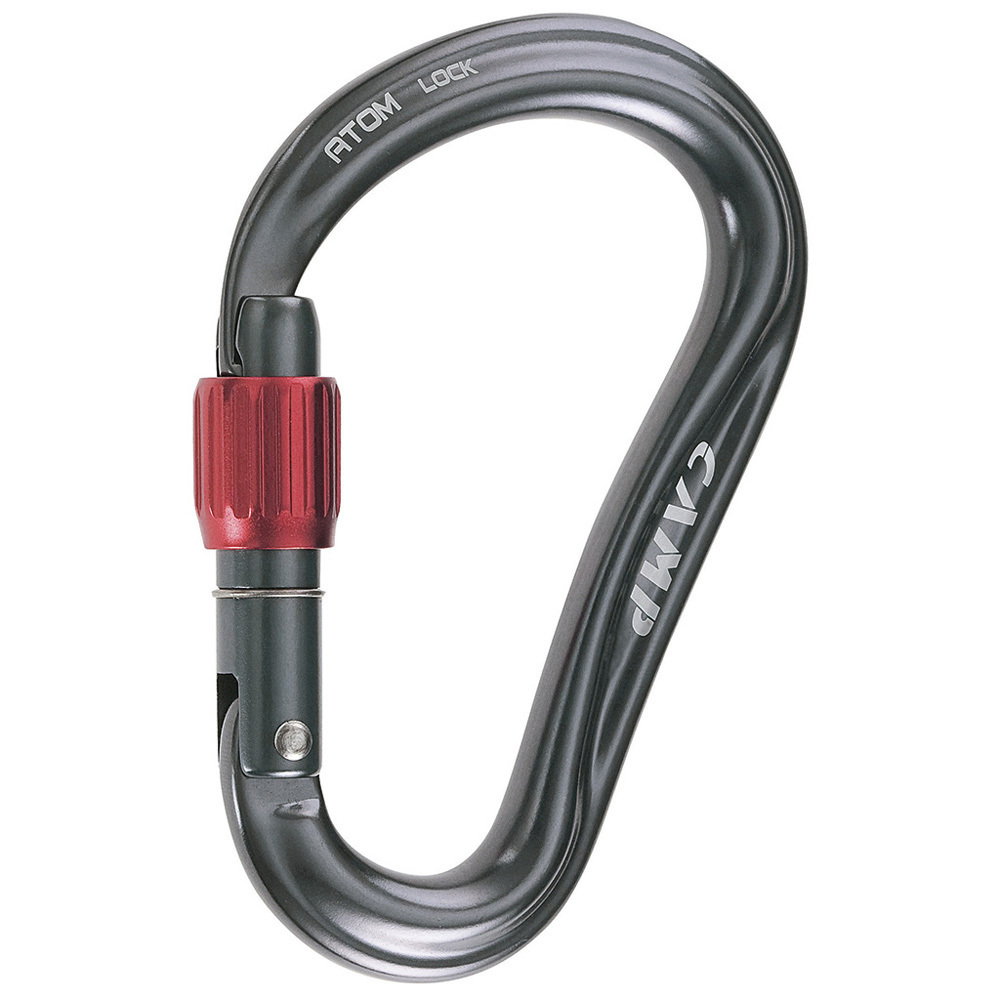
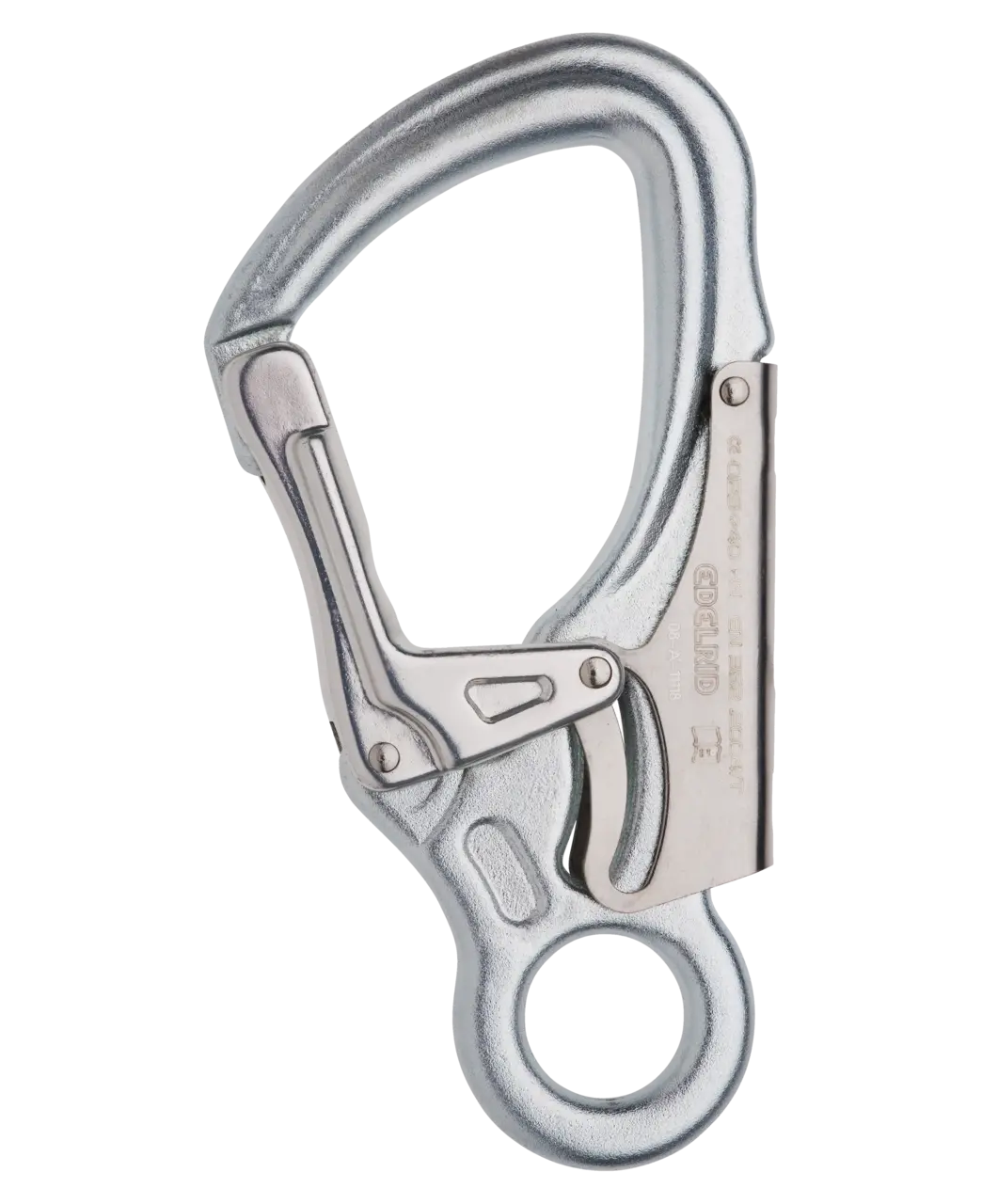
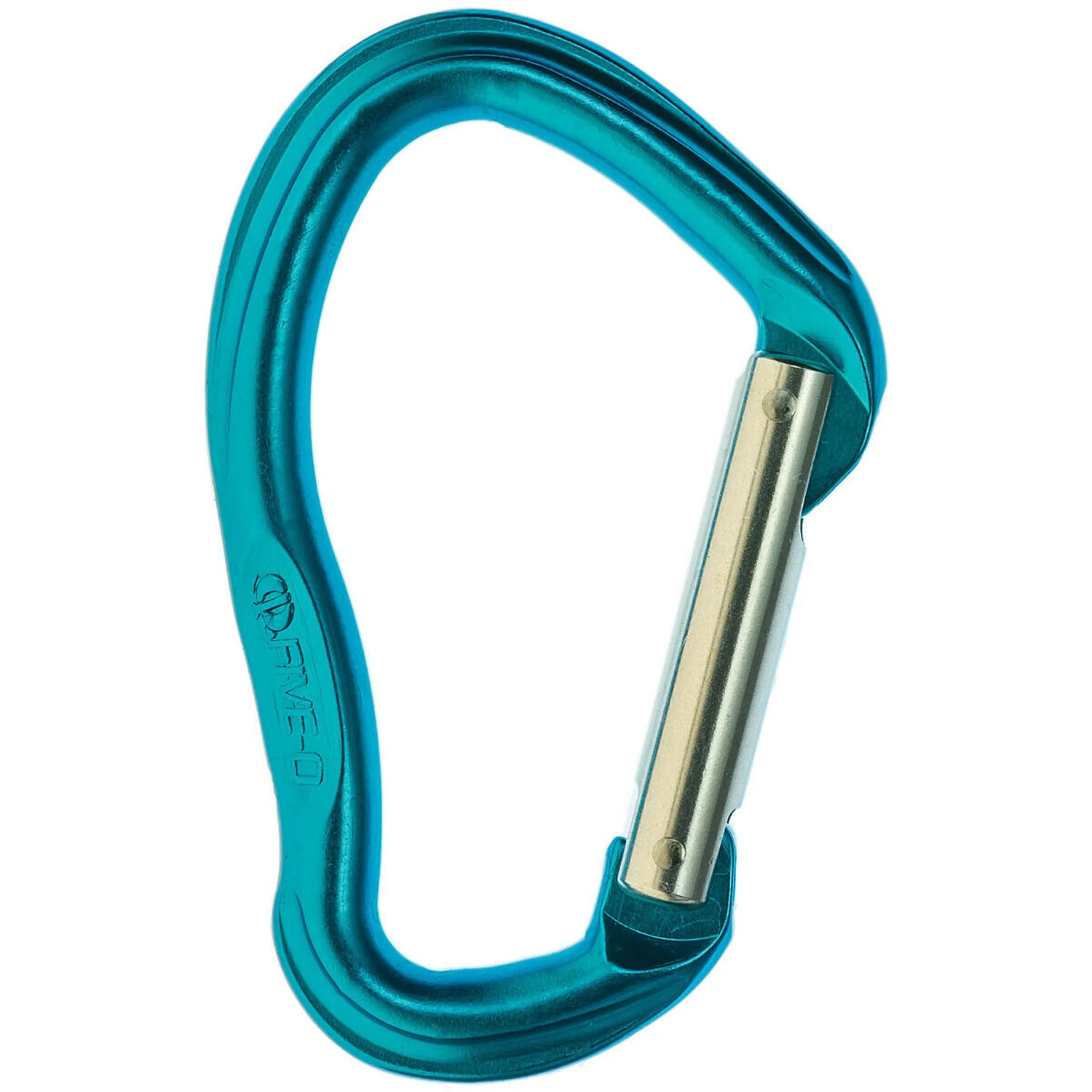
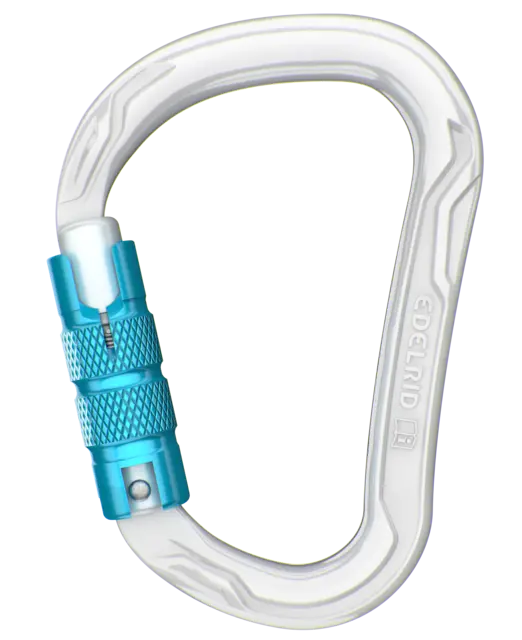
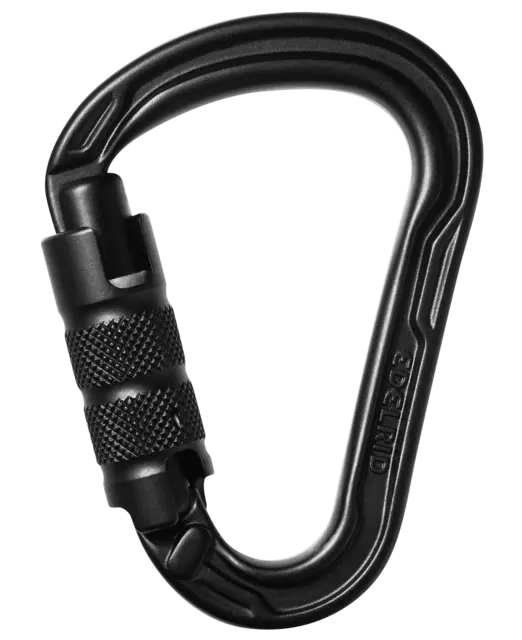
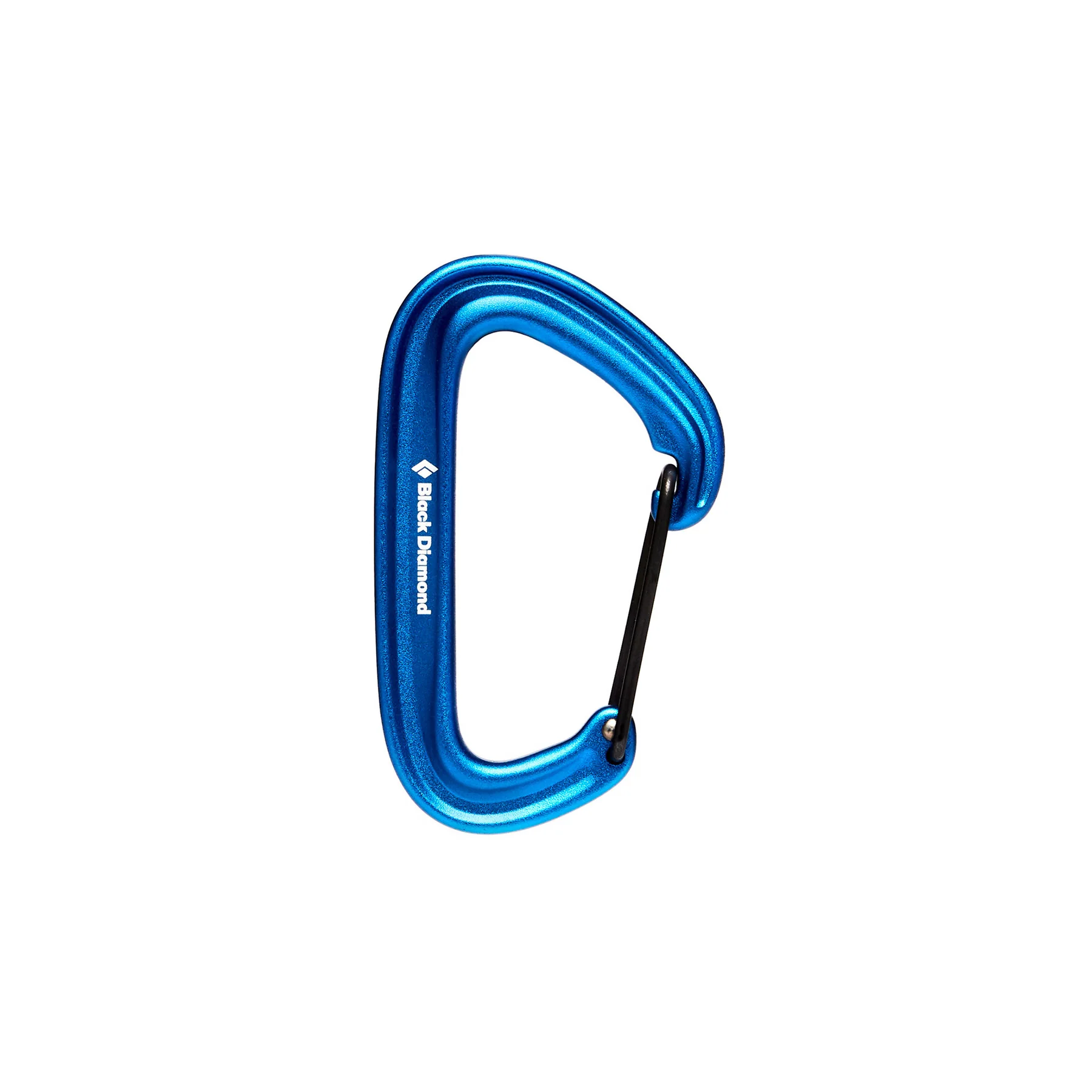
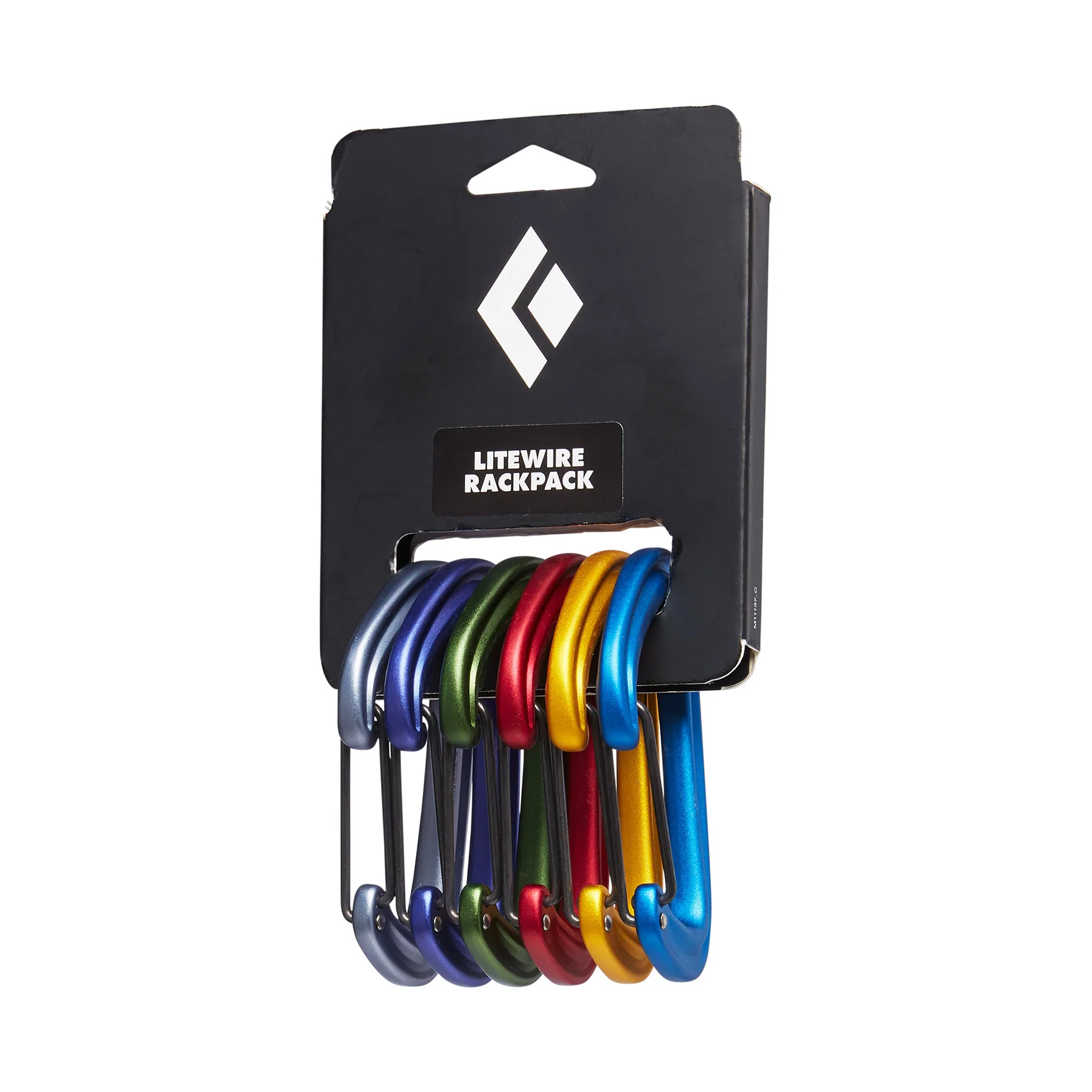
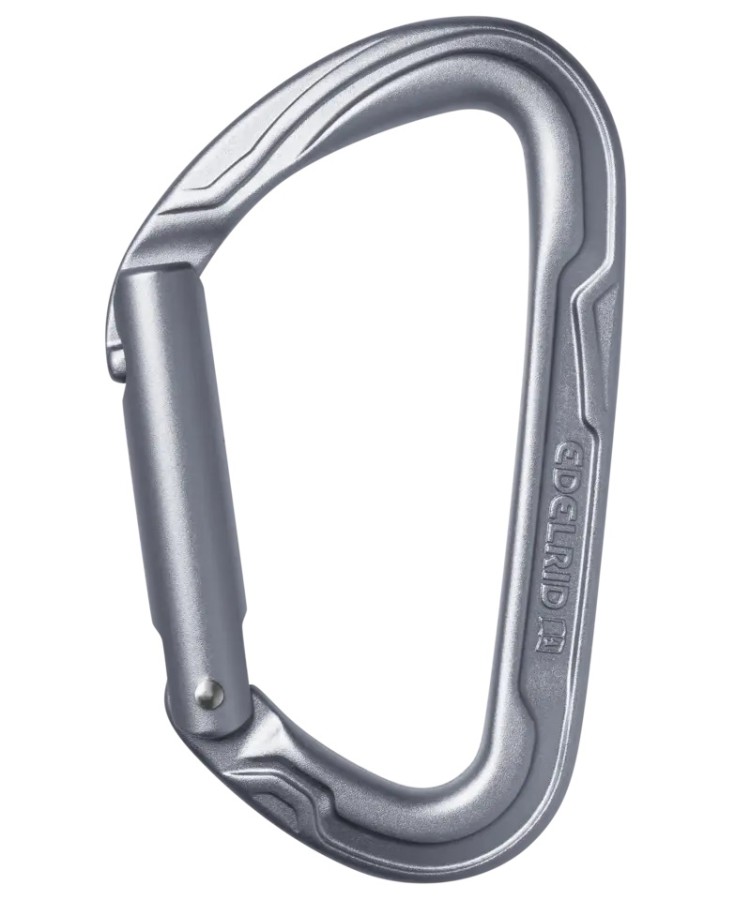
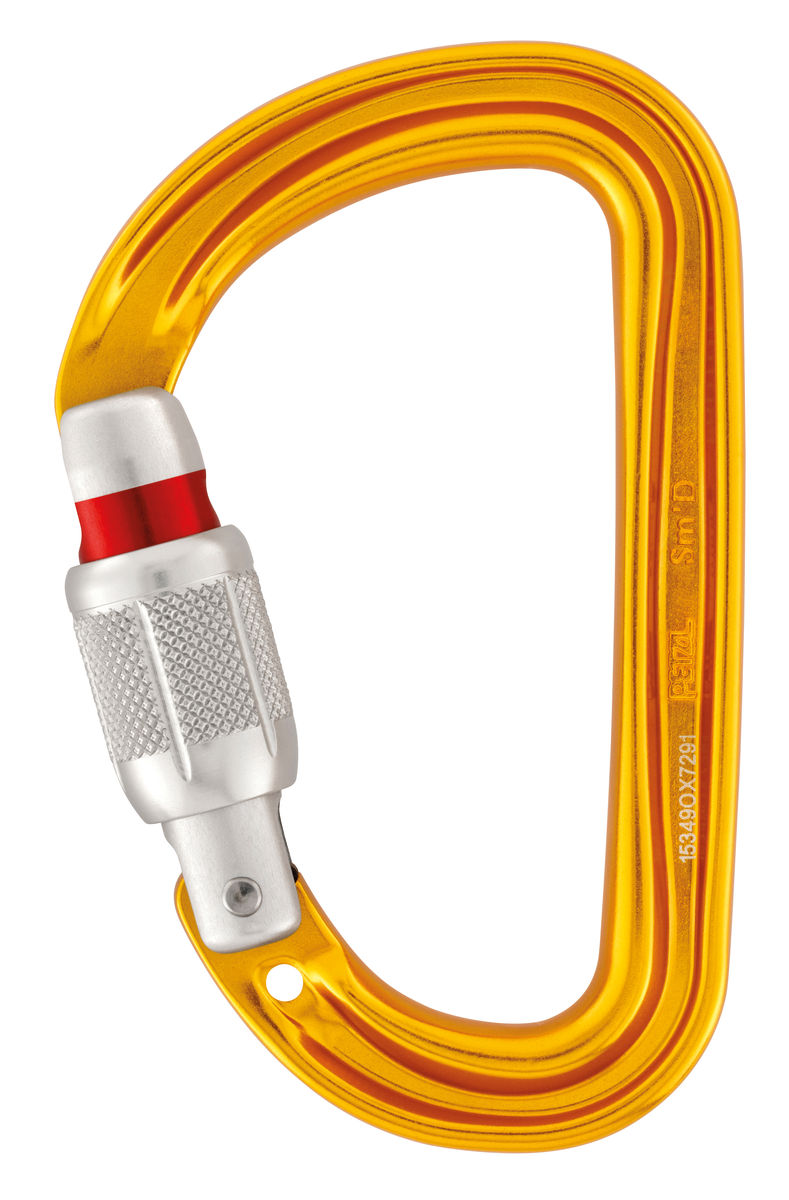
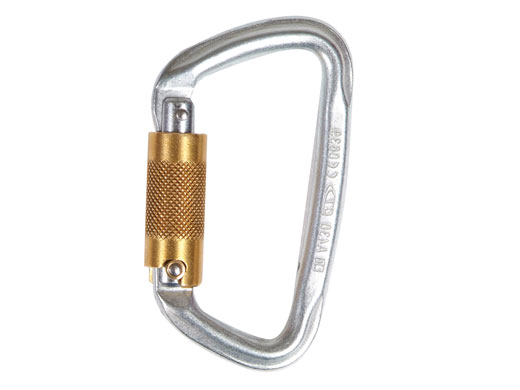
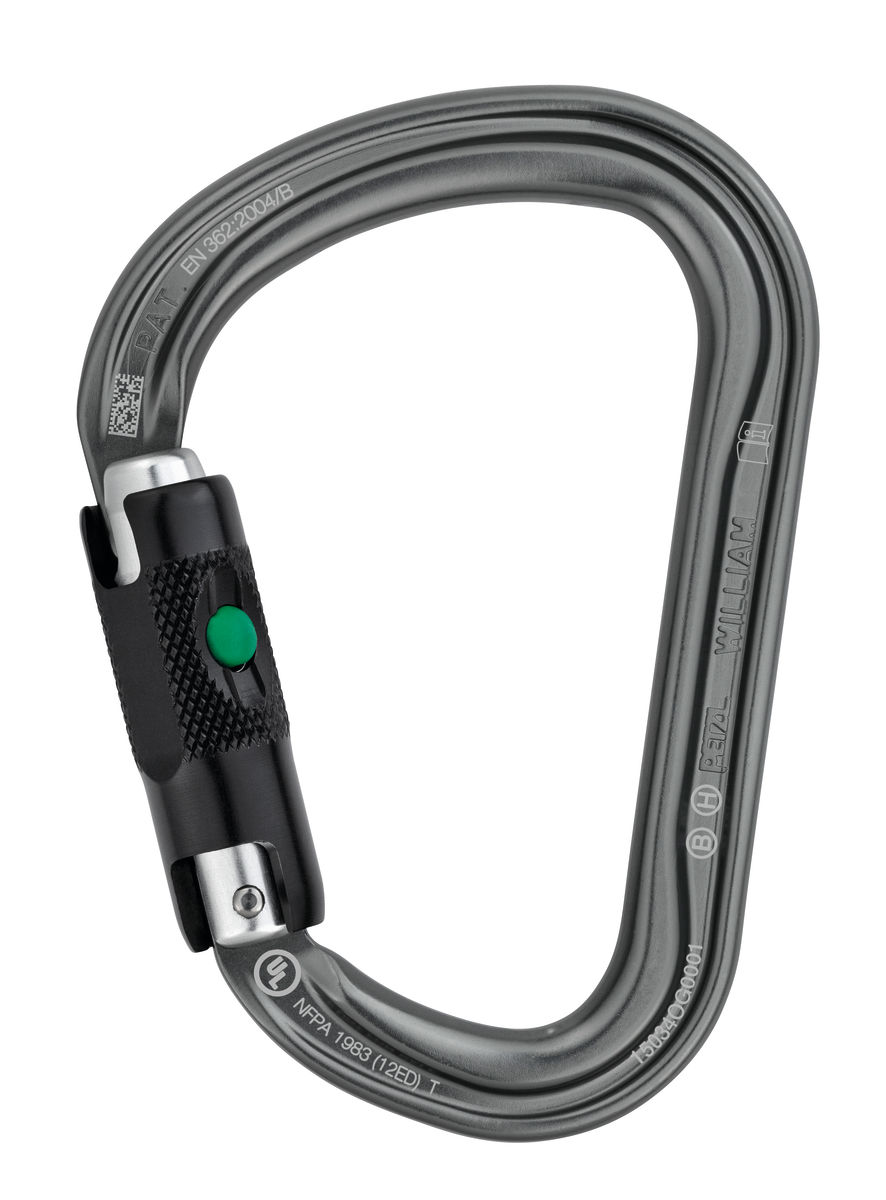
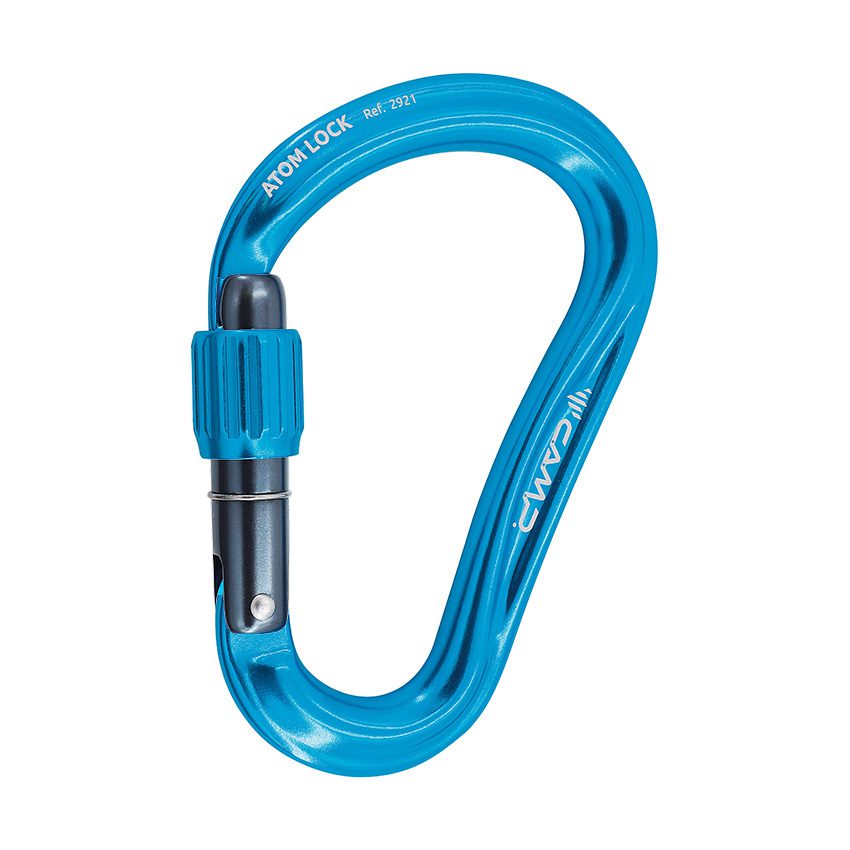
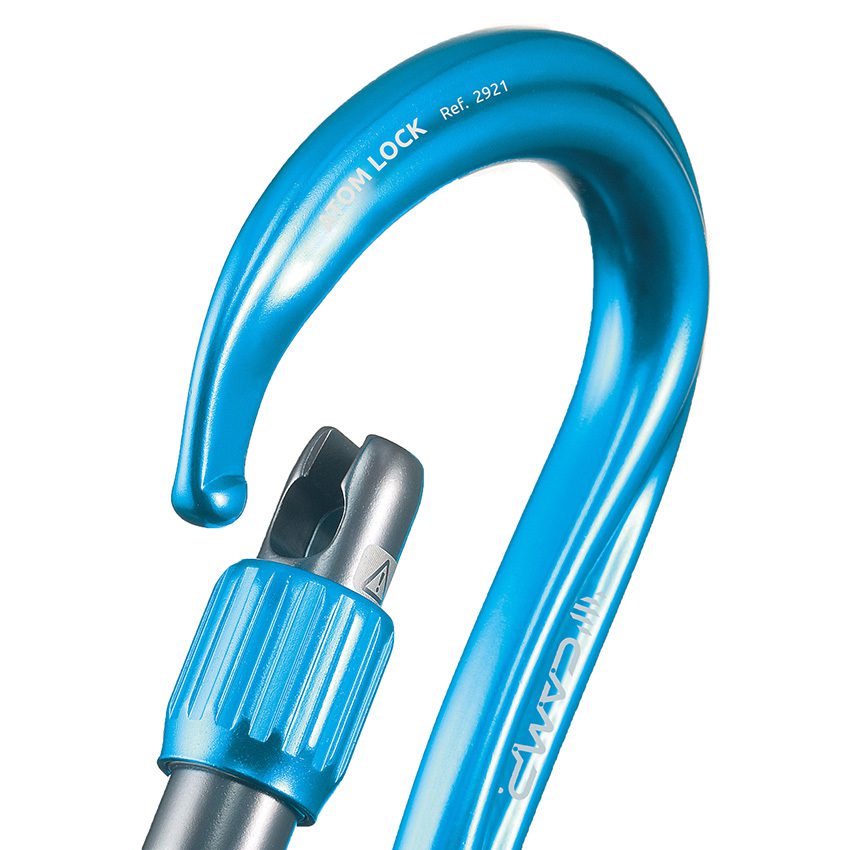
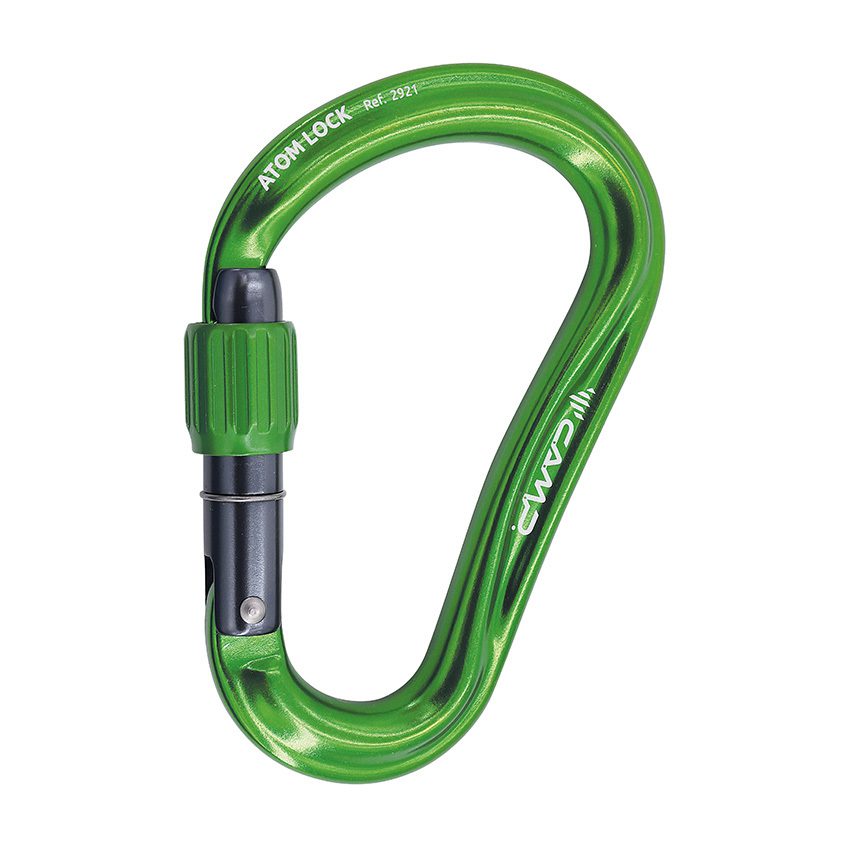
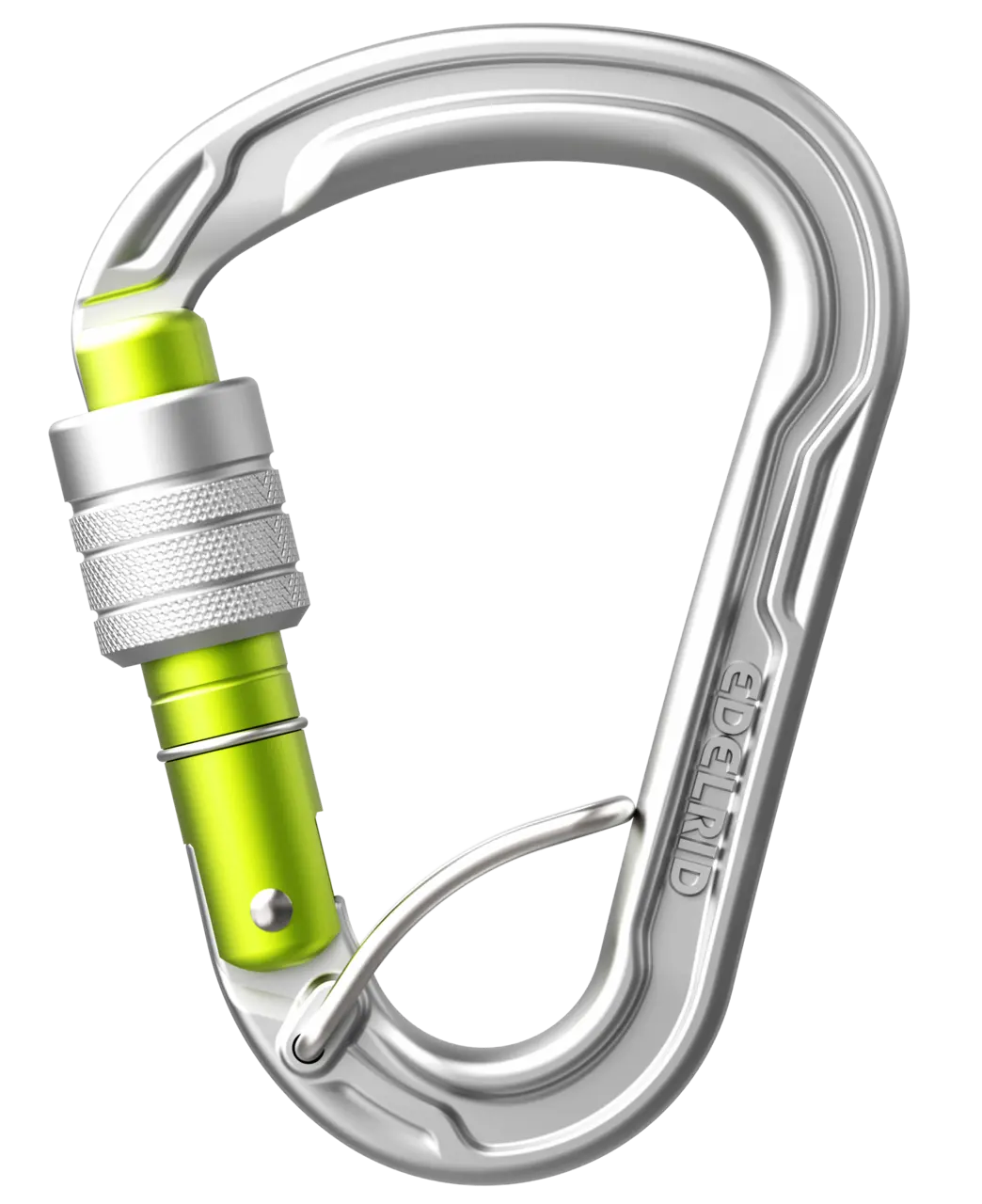
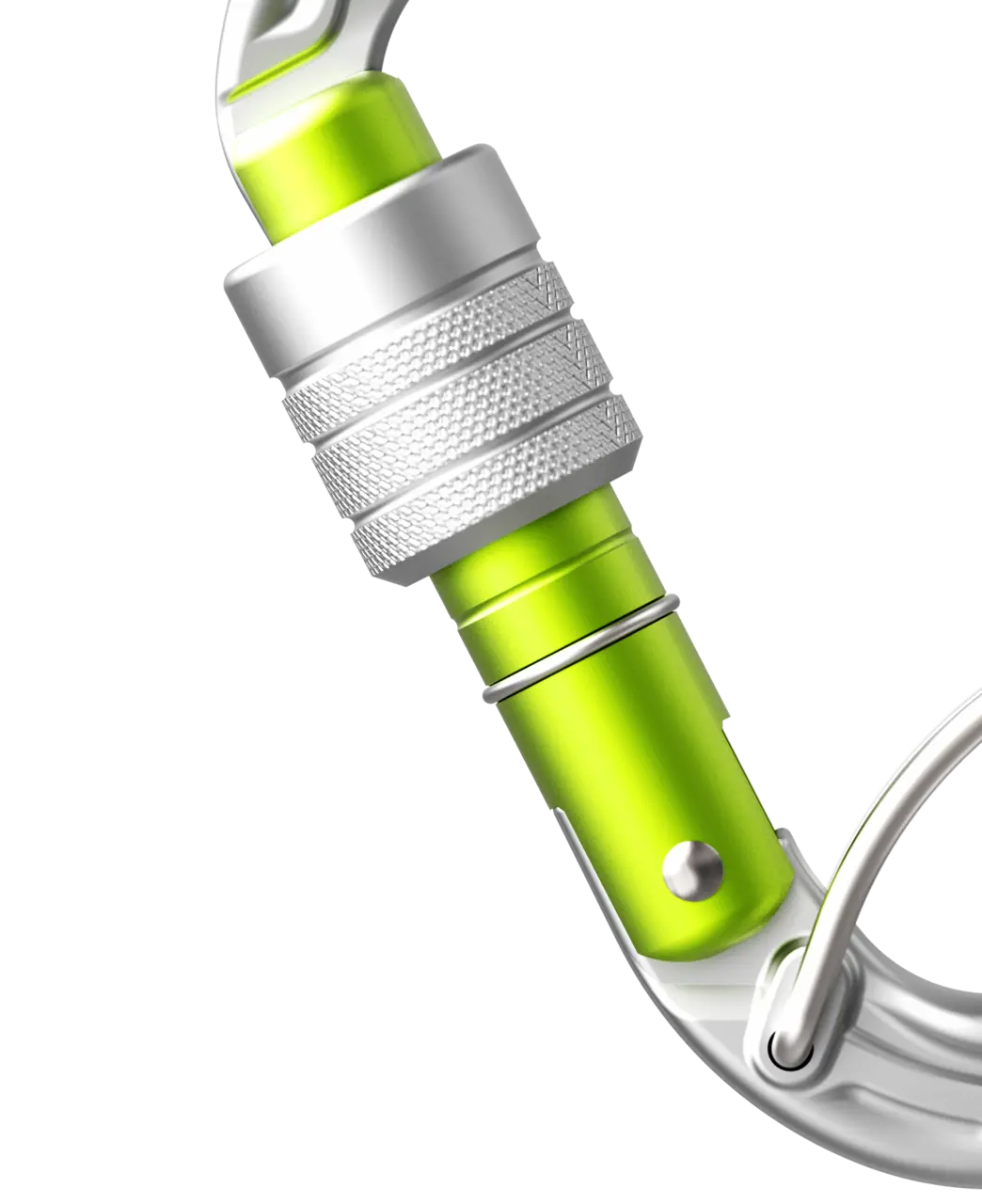
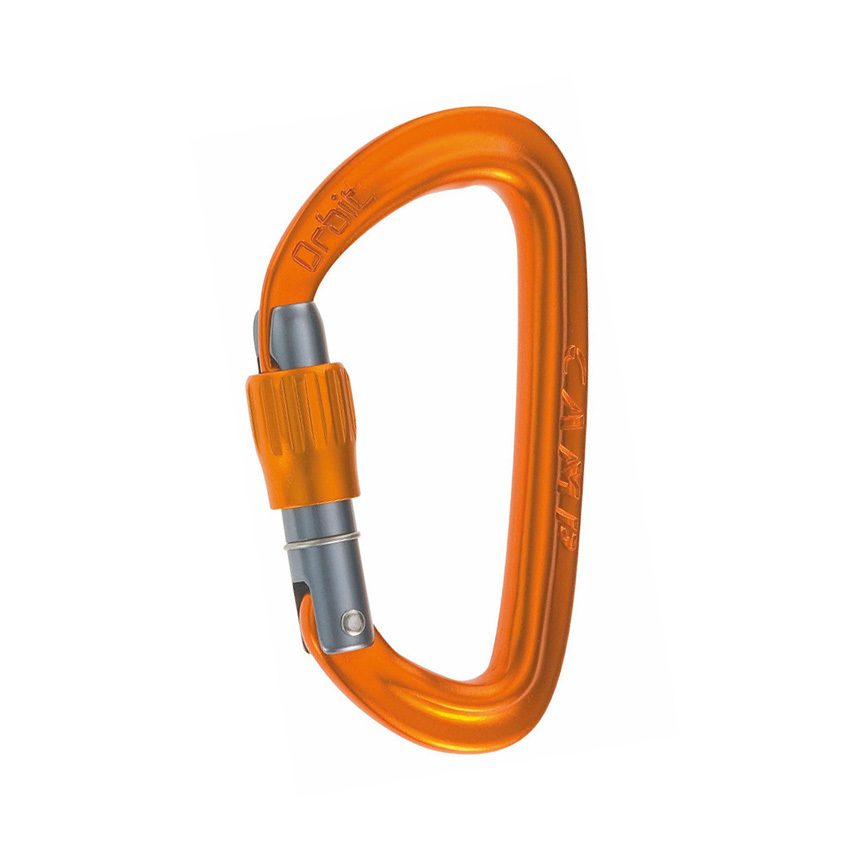
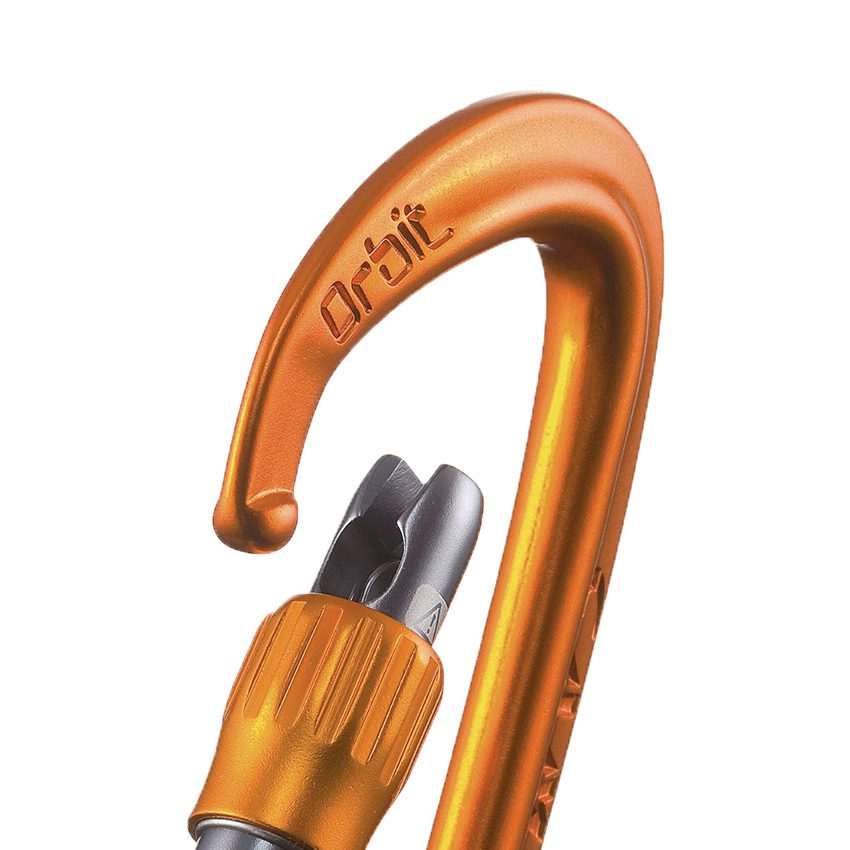
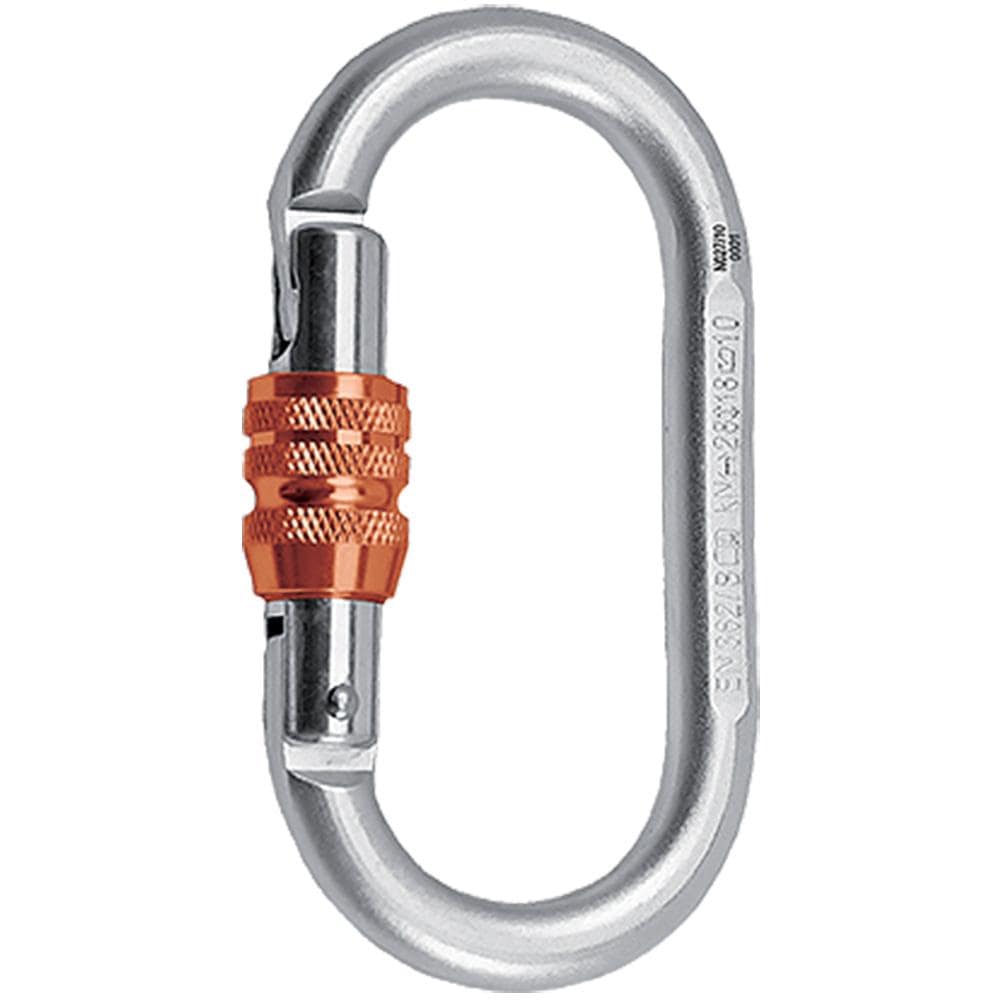
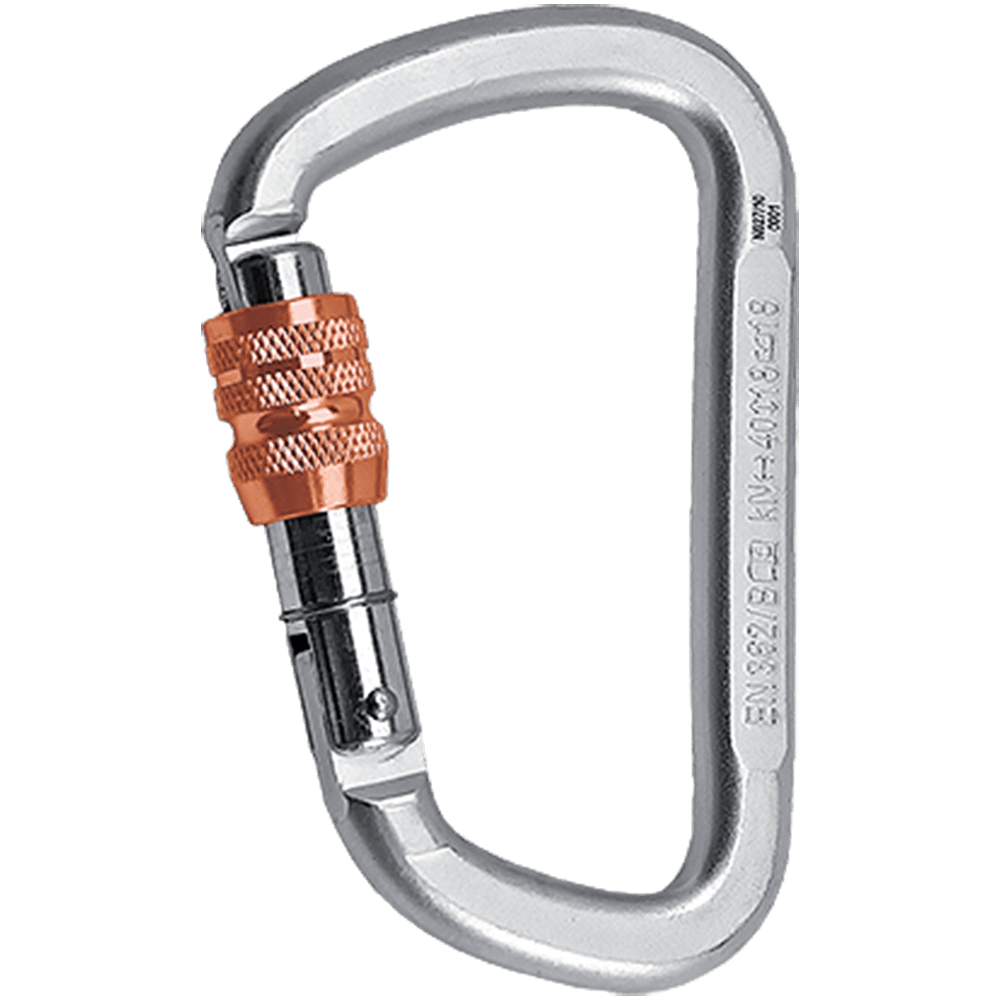
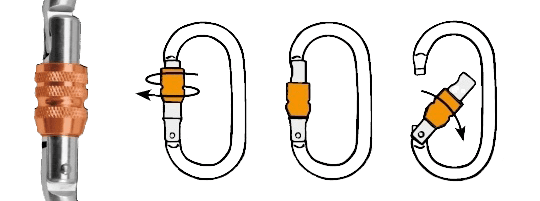
That depends on where the carabiner sits in the system. A locking carabiner is typically the better option when security matters most, such as belay setups, anchor connections, or situations where accidental gate opening would create unnecessary risk. A non-locking carabiner is usually chosen where speed, frequent clipping, or racking efficiency matters more. The point is not which one is “better” in general. It is which one suits the job you are asking it to do. For a gym belay setup, many climbers start by looking at dependable locking options. For a trad rack or quick-access gear setup, non-locking models may make more sense.
What shape carabiner should I be looking at?
That depends on what you need it to do. Pear-shaped or HMS carabiners are often a good choice for belaying or situations where extra basket space helps with knots and devices. D-shaped and offset D-shaped carabiners are often preferred when you want a strong, versatile connector that sits efficiently under load. If you are using gloves, managing bulkier setups, or working in instructional or rescue environments, a larger shape can also be easier to handle. The best starting point is to match the shape to the job rather than treating all carabiners as interchangeable.
Is a lighter carabiner always the better choice?
Not always. Lower weight can be a real advantage when every gram counts, but it is not the only thing worth paying attention to. For general climbing, shared kits, or frequent use, a carabiner that is easier to handle and built for durability can be the better option. The right choice depends on the job, not just the weight.
What should I pay attention to if I am buying a carabiner for belaying or anchors?
Start by making sure the carabiner suits the job. For belaying, that usually means choosing a shape that works well with your belay device and a locking system you can use confidently and check quickly. For anchors, stability and secure loading matter more, so it makes sense to focus on a carabiner that sits cleanly in the system and is less likely to shift into a poor position. Handling matters as well. A carabiner that feels awkward or fiddly can become frustrating fast, especially when you are using it regularly. In most cases, the best choice comes down to compatibility, security, and ease of use rather than brand alone.
Do brand differences actually matter with carabiners?
Yes, but not because one brand is universally better than another. What usually matters is how a specific carabiner performs for the job it needs to do. Some models prioritise smoother gate action, some focus on lower weight, and others are built for durability, easier handling, or more secure locking systems. When we help customers choose, we look at the intended use first, then narrow the options by shape, locking style, weight, and handling. That usually leads to a better result than choosing by brand name alone.
I’m new to climbing. Can I just buy one carabiner and figure the rest out later?
You can, but only if you know what that first carabiner needs to do. Carabiners are not all suited to the same role, so buying one without a plan often leads to a second purchase soon after. For many new climbers, a locking carabiner paired with a belay device is a practical place to begin. From there, the right next pieces depend on whether you are climbing indoors, moving outdoors, or building a broader setup. We find it is usually better to choose the first carabiner around your actual use rather than treating it as a generic starting point.