
Categories
Filter by Brands
-
(9)
-
(2)
-
(4)
-
(2)
-
(3)
-
(1)
-
(12)
-
(17)
-
(9)
-
(23)
-
(1)
-
(14)
-
(4)
-
(4)
-
(4)
-
(13)
-
(72)
-
(12)
-
(1)
-
(1)
-
(11)
-
(128)
-
(2)
-
(3)
-
(4)
-
(5)
-
(11)
-
(2)
-
(58)
-
(12)
-
(61)
-
(1)
-
(2)
-
(1)
-
(7)
-
(1)
-
(2)
-
(1)
-
(2)
-
(12)
-
(3)
-
(13)
-
(2)
-
(2)
-
(2)
-
(3)
-
(5)
-
(1)
-
(4)
-
(2)
-
(5)
-
(11)
-
(3)
-
(2)
-
(1)
-
(1)
-
(97)
-
(4)
-
(6)
-
(7)
-
(2)
-
(2)
-
(3)
-
(7)
-
(1)
-
(125)
-
(13)
-
(4)
-
(1)
-
(10)
-
(1)
-
(24)
-
(1)
-
(21)
-
(25)
-
(29)
-
(22)
-
(11)
-
(20)
-
(3)
-
(2)
-
(42)
-
(14)
-
(1)
-
(28)
-
(15)
-
(1)
-
(8)
-
(21)
-
(9)
-
(1)
-
(7)
-
(2)
-
(1)
-
(28)
-
(1)
-
(1)
-
(5)
-
(9)
-
(2)
-
(3)
-
(2)
-
(1)
-
(5)
-
(4)
-
(12)
-
(1)
-
(15)
-
(6)
-
(3)
-
(7)
-
(6)
-
(6)
-
(18)
-
(3)
-
(1)
-
(2)
-
(2)
-
(5)
-
(2)
-
(2)
-
(3)
-
(180)
-
(3)
-
(40)
-
(1)
-
(2)
-
(5)
-
(23)
-
(2)
-
(1)
-
(3)
-
(19)
-
(3)
-
(3)
-
(15)
-
(1)
-
(1)
-
(9)
-
(1)
-
(28)
-
(1)
-
(52)
-
(9)
-
(1)
-
(2)
-
(12)
-
(2)
-
(40)
-
(2)
-
(645)
-
(5)
-
(3)
-
(57)
-
(10)
-
(3)
-
(12)
-
(2)
-
(1)
-
(1)
-
(35)
-
(8)
-
(5)
-
(24)
-
(2)
-
(2)
-
(4)
-
(5)
-
(14)
-
(8)
-
(4)
-
(42)
-
(9)
-
(4)
-
(6)
-
(20)
-
(4)
-
(380)
-
(21)
-
(24)
-
(4)
-
(4)
-
(9)
-
(1)
-
(4)
-
(19)
-
(9)
-
(34)
-
(1)
-
(3)
-
(1)
-
(2)
-
(2)
-
(3)
-
(14)
-
(8)
-
(13)
-
(1)
-
(3)
-
(9)
-
(1)
-
(13)
-
(1)
-
(1)
-
(1)
-
(22)
-
(5)
-
(12)
-
(1)
-
(1)
-
(30)
-
(8)
-
(5)
-
(58)
-
(1)
-
(11)
-
(6)
-
(5)
-
(4)
-
(4)
-
(1)
-
(1)
-
(201)
-
(2)
-
(1)
-
(1)
-
(9)
-
(98)
-
(1)
-
(65)
-
(2)
-
(7)
-
(4)
Price Range
-
Price:—
$79.99 Original price was: $79.99.$30.00Current price is: $30.00.
The questions worth asking before you choose a swag, bivvy or hammock
What products sit inside our swags, bivys and hammocks category?
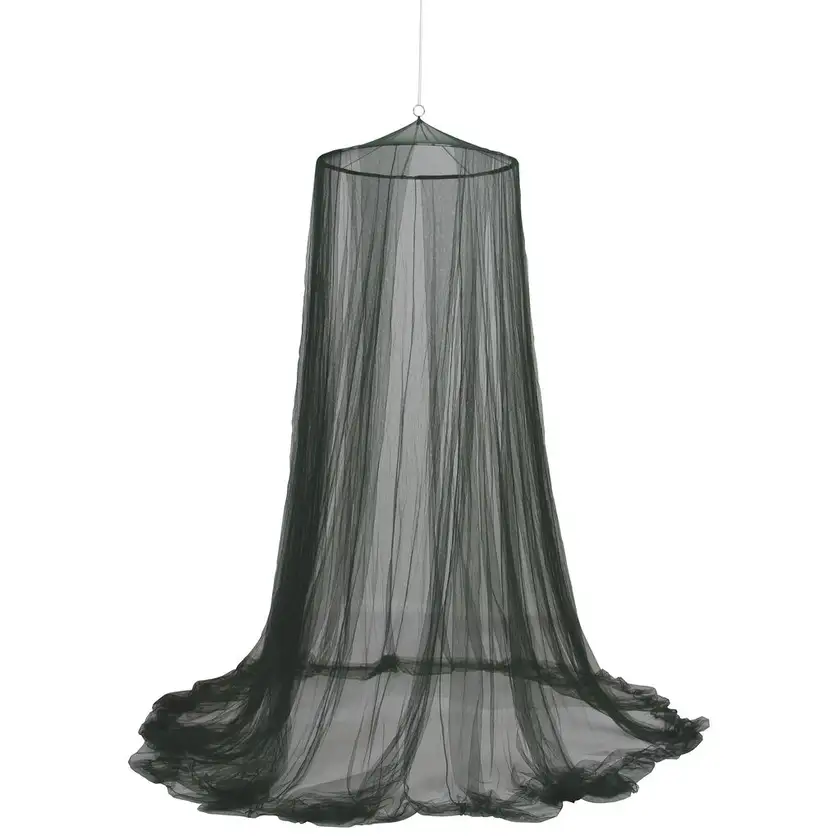
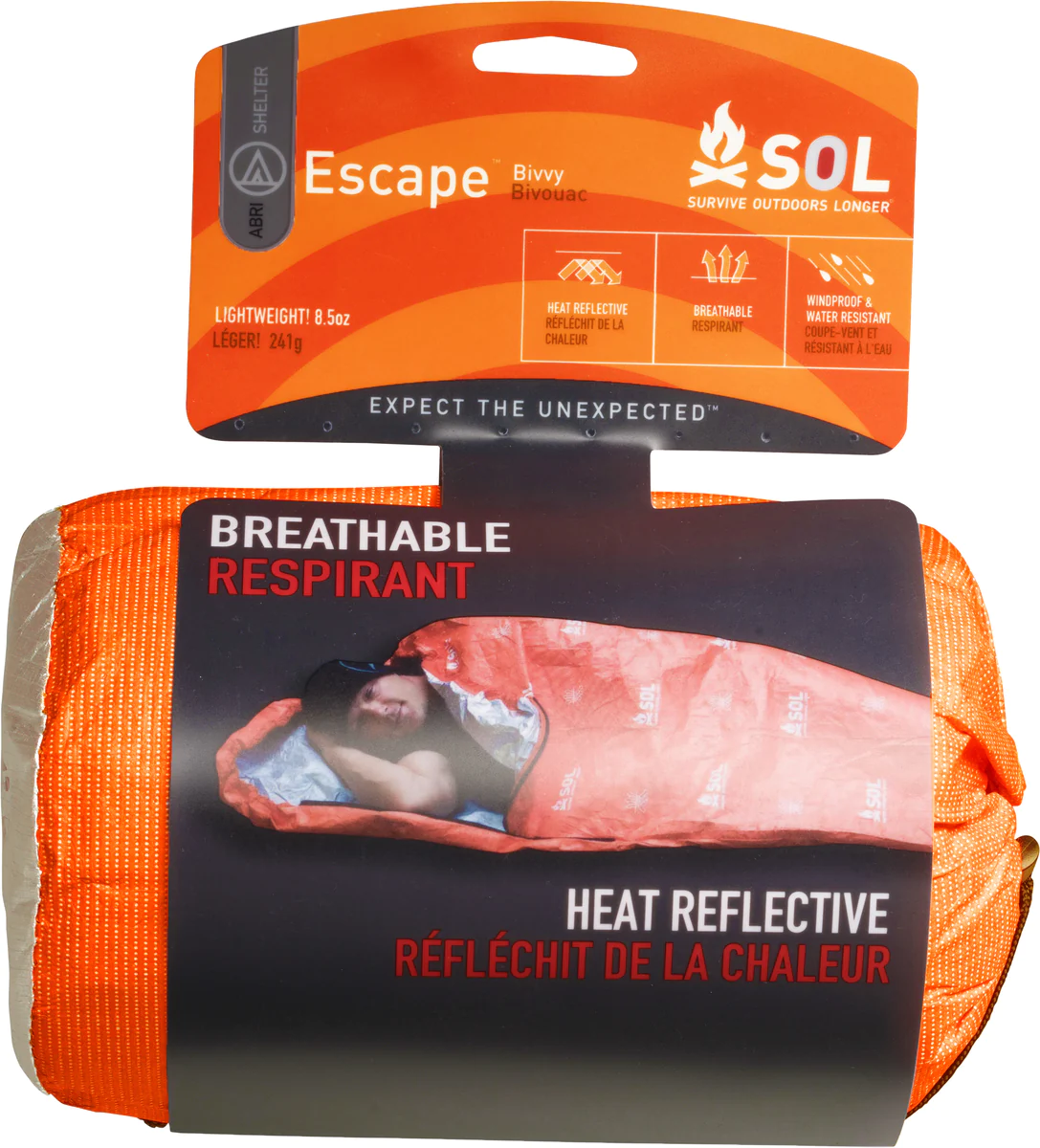
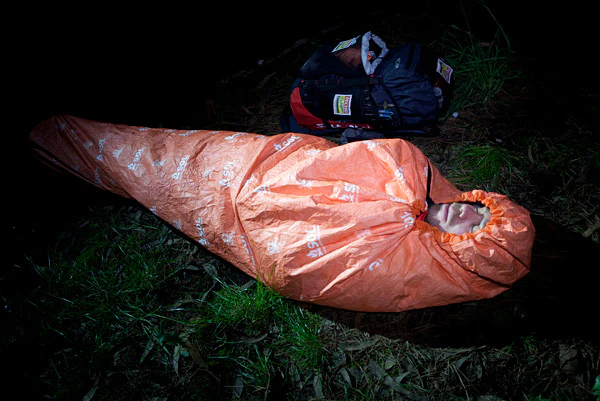
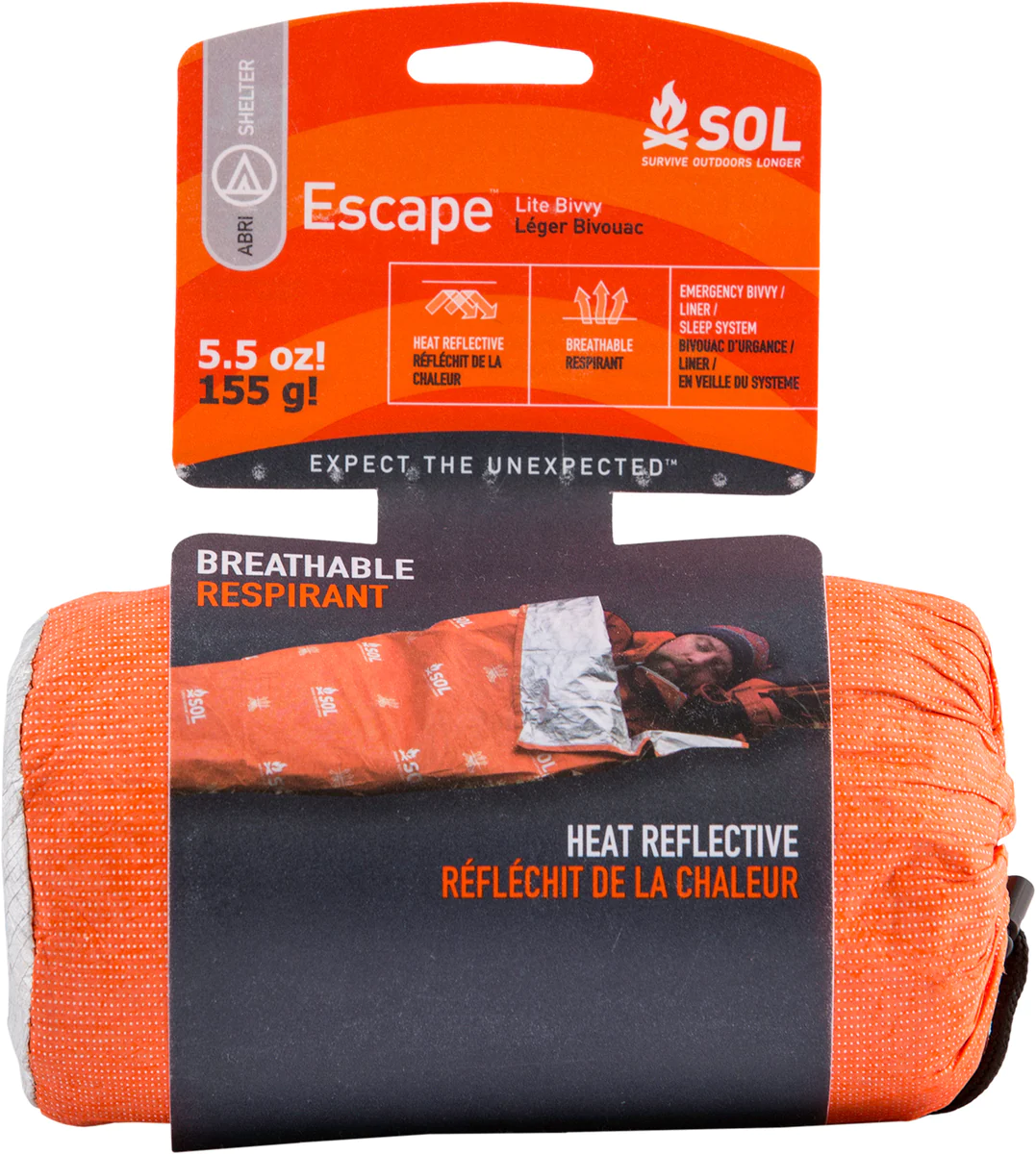
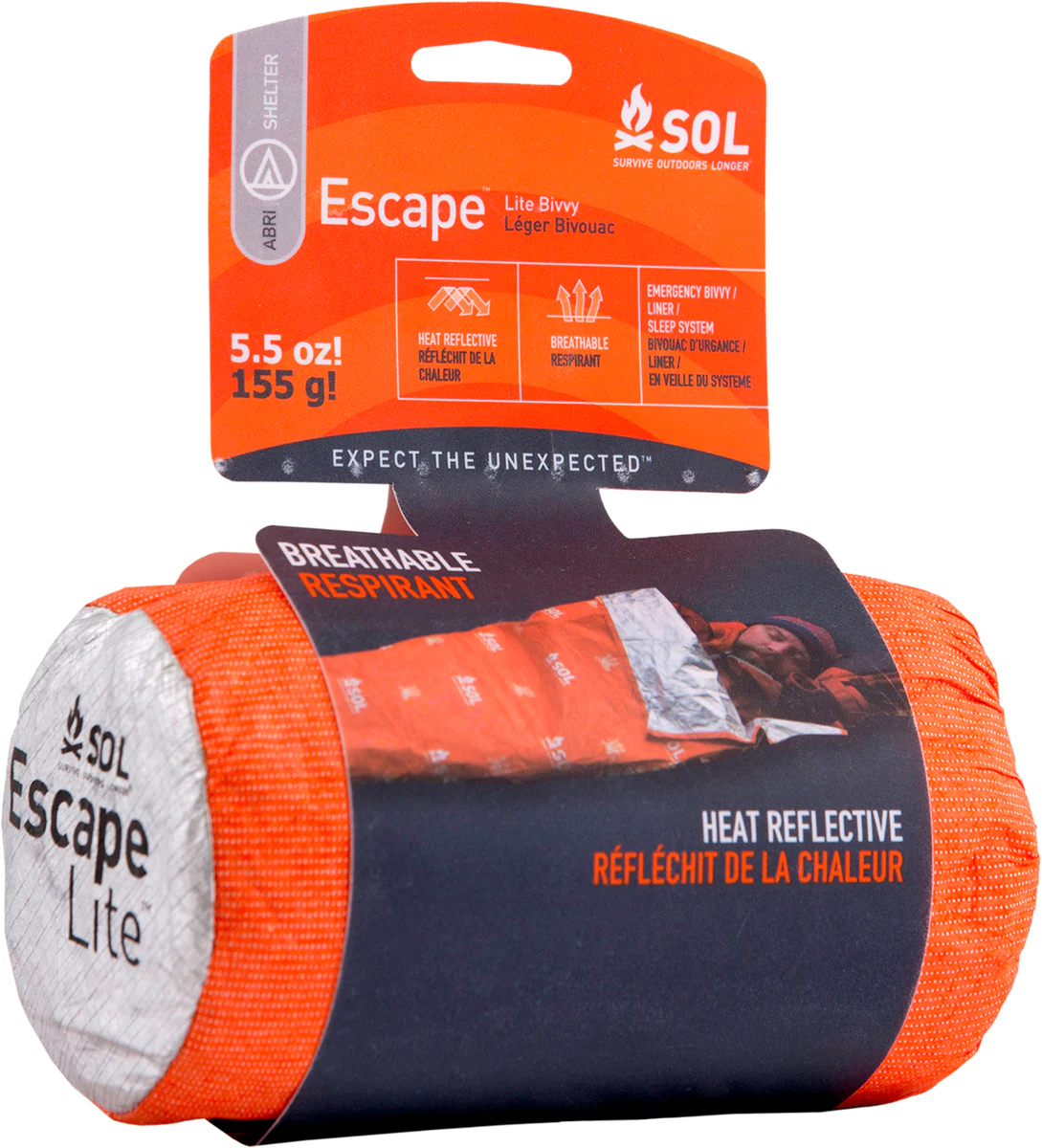
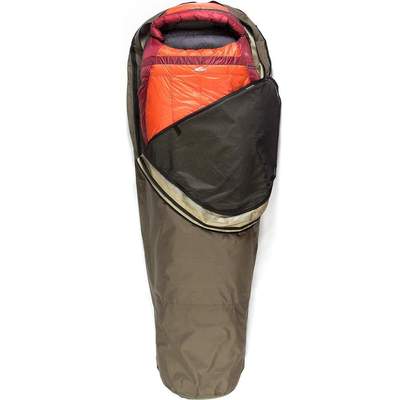
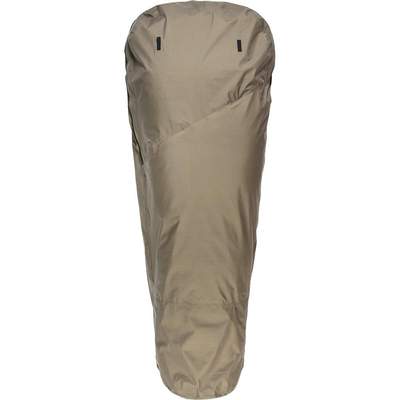
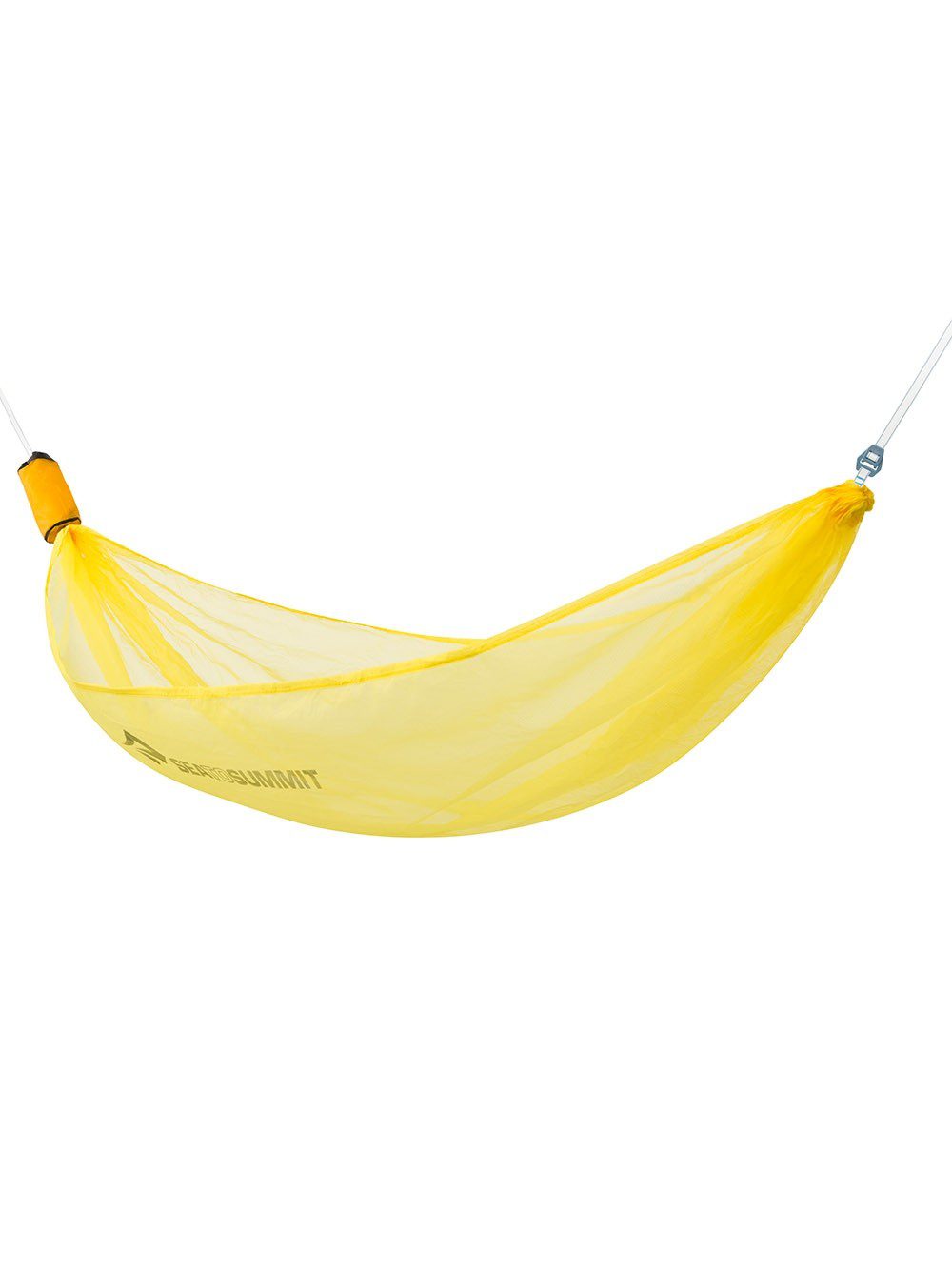
Right now this category shows 7 products, including items such as the Bell Style Mosquito Net Queen, Escape Bivvy, Escape Lite Bivvy, Hibernator Bivy and Salewa bivy bags. That makes it a tighter, more specialised shelter category than standard tents, which usually means shoppers are comparing for a specific use case rather than browsing broadly.
When is a bivvy a better choice than a tent?
A bivvy makes more sense when low weight, compact packed size and stripped-back shelter matter more than interior space and comfort. That can suit solo overnight trips, emergency backup use or minimalist setups. A tent is usually the better fit when you want more weather protection, more living space or a shelter that feels easier over multiple nights. Our advice across camp and hike gear is to match the shelter to the trip conditions, season and carrying constraints, not assume lighter is always better.
Who usually buys from this category?
The likely buyers here are solo hikers, minimalist campers, fast-and-light users, beginners looking for simple emergency shelter, and experienced outdoor people narrowing down a specialised setup. For Offtrack, there is also a second audience worth keeping in mind: schools, group leaders and outdoor education programs that need gear matched to the conditions and the users, not just the lowest price or lightest spec.
What should you compare before choosing between a swag-style shelter, a bivvy and a hammock setup?
The practical filters are trip type, expected weather, bug exposure, weight, sleeping comfort and how much setup flexibility you need. A bivvy can be strong on weight and packability. A hammock-style setup can be appealing where suspension points are available and airflow matters. A more enclosed shelter option can make more sense when exposure, wind or insects are a bigger concern. The right choice comes from the environment first, then the product format.
Are these shelters suitable for school camps or group programs?
Sometimes, but not automatically. Group and education-based purchases usually need more consistency, durability and suitability across different users and conditions. That is why we look at the actual program, not just the product label. If you are outfitting a school trip or outdoor program, our Gear List approach is often the better next step because it helps match equipment to environment and budget before anyone ends up with the wrong setup.
What are the risks of choosing the wrong shelter in this category?
The main risk is buying for novelty or low packed weight without thinking through exposure, sleeping comfort and the actual conditions. In shelter systems, the wrong choice can leave you with too little weather protection, poor rest, extra condensation issues or a setup that only works in a narrow range of environments. We treat shelter choice as conditions-based because comfort and protection are part of preparedness, not an afterthought.

